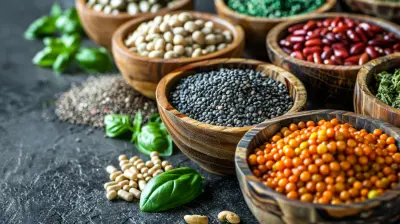
Weightlifting Nutrition: Boosting Strength Gains with Food
4 June 2026
So, you've made the commitment to hit the iron hard. You're showing up to the gym, squatting like a beast, and pushing your limits on the bench press. But let me ask you something — are you feeding your muscles the right way?
Because here's the deal: muscles aren’t built in the gym. They’re built in the kitchen.
If you're lifting heavy but your nutrition is out of whack, you're basically trying to drive a Ferrari on fumes. It might look good, but it won't take you far. Let's break down exactly how you can use food as your secret weapon to turbocharge your strength gains.

Why Nutrition is the Not-So-Secret Weapon of Weightlifting
It’s easy to get caught up in reps and sets, but if you’re not eating with intent, you're leaving gains on the table. Think of your body like a high-performance machine. Lifting weights causes micro-tears in your muscles, and it’s proper nutrition that repairs and rebuilds them stronger than before.Without the right nutrients at the right time, your recovery slows down, your muscles don’t grow as fast, and fatigue hits harder.
Bottom line? If you want to train like a beast, you need to eat like one.
The Macronutrient Breakdown: What Your Muscles Are REALLY Hungry For
Let’s dive into the building blocks of weightlifting nutrition. These three macronutrients are your non-negotiables.1. Protein – The Muscle Building Block
No surprise here—protein is king when it comes to building muscle. It provides the amino acids your body needs to repair and grow muscle tissue after every intense lifting session.How Much Do You Need?
Aim for around 1.6 to 2.2 grams of protein per kilogram of body weight per day. That’s about 0.7–1 gram per pound. If you’re lifting heavy and consistently, don’t skimp.Good Protein Sources:
- Chicken breast- Eggs
- Greek yogurt
- Whey protein
- Tofu
- Lentils
And yes, supplements help, but real food should always be the foundation.
2. Carbohydrates – Your Energy Fuel Tank
Carbs often get a bad rap, but trust me, they’re your best friend if you’re serious about weightlifting.Carbs fuel your workouts and help your muscles store glycogen (aka energy). Without enough carbs, you’ll feel sluggish, and your performance will tank.
Eat Smart Carbs Like:
- Brown rice- Oats
- Sweet potatoes
- Quinoa
- Fruits (especially bananas and berries)
Think of carbs as the gasoline that powers your engine. Skip them, and you're running on empty.
3. Fats – The Hormone Helpers
Don’t be afraid of fats! They’re crucial for hormone production — especially testosterone, which plays a role in muscle growth, strength, and overall performance.Stick with healthy fats, and avoid the greasy fast-food versions.
Healthy Fats To Prioritize:
- Avocados- Olive oil
- Nuts and seeds
- Fatty fish (like salmon and mackerel)
The Ideal Macro Ratio for Strength Gains
There’s no one-size-fits-all, but a good starting point is:- 40% Carbs
- 30% Protein
- 30% Fats
Tweak based on your goals and how your body responds.

Nutrient Timing: When You Eat Matters More Than You Think
You could be eating all the right foods, but if your timing is off, you’re not getting maximum results. Here’s how to time your meals for peak performance.Pre-Workout Nutrition – Prime the Pump
Eat something 60–90 minutes before hitting the gym. Keep it light, balanced, and easy to digest.Pre-Workout Meal Idea:
Grilled chicken + half a cup of brown rice + a banana
This combo gives you steady energy and primes your muscles for action.
Post-Workout Nutrition – Refuel & Rebuild
Right after lifting, your muscles are like hungry sponges. Feed them!What to eat? Focus on fast-digesting protein and carbs to kickstart recovery.
Post-Workout Meal Idea:
Whey protein shake + a banana or some white rice
Tip: Don’t wait more than 2 hours post-workout to get that recovery meal in. The "anabolic window" might not be as small as we once thought, but timing still matters.
Before Bed – Feed Recovery While You Sleep
Your body does major repair work while you snooze. A slow-digesting protein like casein keeps you fueled overnight.Snack idea before bed: Cottage cheese with a few almonds
Micronutrients: The Unsung Heroes of Strength Training
Sure, macros get all the glory, but micros matter too. Without them, your muscle-building machine won’t run smoothly.Key Micronutrients for Lifters:
- Vitamin D – for bone strength and testosterone support- Magnesium – helps muscle relaxation and repair
- Zinc – supports hormone levels and recovery
- Iron – carries oxygen to muscles
- Calcium – essential for muscle contraction
Get these from whole foods when you can, but a good multivitamin can fill in the gaps.
Supplements: Boosting Gains or Burning Cash?
Here’s the truth — supplements won’t make up for a bad diet, but when used right, a few can definitely give you an edge.Top 5 Supplements for Strength Gains:
1. Whey Protein – Fast, convenient, and effective2. Creatine Monohydrate – Backed by decades of research; increases power output and strength
3. Beta-Alanine – Buffers lactic acid for longer, more intense workouts
4. Fish Oil – Reduces inflammation and supports joint health
5. Vitamin D3 – Especially if you don’t get outside much
Skip the flashy, over-marketed stuff promising overnight gains. You’ll thank me later.
Common Weightlifting Nutrition Mistakes (and How to Fix ‘Em)
Let’s face it — even the most dedicated lifters mess up here. If you’re doing any of the following, it’s time to course-correct.❌ Skipping Meals
Thinking you can “intermittent fast” your way to gains? Think again. Muscle needs constant fuel. Skipping meals means missing out on crucial nutrients.✔️ Fix It: Eat every 3–5 hours to maintain an anabolic environment.
❌ Not Eating Enough
Lifting heavy burns more calories than you think. If you're undereating, you're not giving your muscles what they need to grow.✔️ Fix It: Use a calorie tracker to ensure you're in a slight surplus if your goal is muscle gain.
❌ Relying Too Much on Supplements
Sure, that tub of protein is convenient. But if 70% of your nutrition comes from powders and pills, you’ve got a problem.✔️ Fix It: Focus on whole, nutrient-dense meals, and supplement only when needed.
❌ Neglecting Hydration
Muscles are around 75% water. You better believe hydration affects performance.✔️ Fix It: Drink at least half your body weight in ounces of water each day (e.g., a 180lb person should drink ~90oz daily).
Building Your Weightlifting Meal Plan
Let’s put this all into action. Here’s a simple day of eating for a 180lb lifter looking to gain strength:? Breakfast:
- 4 eggs- 2 slices whole grain toast
- Half an avocado
- Coffee or green tea
? Snack:
- Greek yogurt- A handful of almonds
- A piece of fruit (apple or banana)
? Lunch:
- Grilled chicken breast- Quinoa or brown rice
- Steamed broccoli
? Pre-Workout:
- Rice cake + peanut butter- A banana
?️ Post-Workout:
- Whey protein shake- White rice or another fast carb
? Dinner:
- Salmon fillet- Sweet potato
- Mixed greens with olive oil
? Before Bed:
- Cottage cheese- Blueberries
This plan provides a solid dose of protein, carbs, and healthy fats. And more importantly? It fuels performance, supports recovery, and supercharges your strength gains.
Final Thoughts: Eat Big, Lift Big, Get Big
You grind at the gym, you push your limits, and you dream of bigger lifts and a stronger body. But none of that happens without dialing in your nutrition. Don't let poor eating habits sabotage your hard-earned gains.Treat your nutrition like your workout program — with purpose, intensity, and consistency. Give your body what it craves, and it will reward you with strength, size, and stamina.
So the next time you’re meal-prepping or smashing a protein shake, remember this: Food isn’t just fuel — it’s your growth formula.
all images in this post were generated using AI tools
Category:
Sports NutritionAuthor:

Madeline Howard
Discussion
rate this article
2 comments
Farrah McAdoo
Nutrition plays a crucial role in weightlifting performance. Consuming the right balance of protein, carbohydrates, and healthy fats can enhance strength gains and recovery. Prioritizing whole foods and timing meals around workouts can maximize results. A well-planned diet is essential for serious lifters aiming to reach their goals.
August 11, 2026 at 3:25 PM
Madeline Howard
You're absolutely right. Nutrition is key for performance, and a balanced diet really does make a difference in strength and recovery. Whole foods and smart meal timing can help lifters reach their goals more effectively.
Tiffany Warren
Great article! It's amazing how the right nutrition can really enhance weightlifting results. Incorporating the right foods makes a huge difference in strength gains. Can't wait to try out these tips!
June 8, 2026 at 2:42 AM
Madeline Howard
Thank you! I'm glad you found it helpful. Excited for you to try the tips and see the results!