Understanding the Role of Estrogen in Women's Health
4 December 2025
When it comes to women’s health, there’s one hormone that consistently takes center stage—estrogen. You’ve probably heard of it, but how much do you really know about it? It’s more than just a buzzword tossed around in biology class or at the gynecologist’s office. Estrogen is like the unsung hero of a woman’s body, working behind the scenes to keep physical and mental health balanced. But what exactly does it do? And how does it impact different stages of a woman’s life? Let’s dive in and uncover the fascinating role estrogen plays in women’s health.
What Is Estrogen?
First things first—what is estrogen? Imagine estrogen as the conductor of a symphony, directing various processes in your body to work in harmony. It’s a hormone (a chemical messenger) that’s primarily produced in the ovaries, though small amounts are also made in the adrenal glands and fat tissue. While both men and women produce estrogen, women have much higher levels of it because it’s critical for reproductive health and other key functions unique to the female body.There are actually three types of estrogen, and each has a specific job:
- Estradiol (E2): This is the main form of estrogen in women who are in their reproductive years. It’s like the all-star player, responsible for most estrogen-related functions.
- Estriol (E3): This one comes into play during pregnancy and helps support the development of the fetus.
- Estrone (E1): Postmenopausal? This is the primary form of estrogen in your body.
Why Estrogen Matters
You might be thinking, “Okay, so estrogen is important, but what does it actually do?” Well, the answer is—a lot. Estrogen impacts everything from your menstrual cycle to your brain function. Let’s break it down.1. Reproductive Health
Estrogen is a key player in the menstrual cycle and fertility. It regulates the growth and release of eggs during ovulation and thickens the uterine lining to prepare for pregnancy. Without estrogen, the entire reproductive system would pretty much grind to a halt.2. Bone Health
Did you know that estrogen helps keep your bones strong and healthy? Think of it as the scaffolding that supports your skeletal system. Estrogen plays a crucial role in maintaining bone density, which is why women are at a higher risk of developing osteoporosis after menopause when estrogen levels plummet.3. Heart Health
Estrogen isn’t just about reproduction—it actually impacts your heart, too. Research suggests that estrogen has a protective effect on cardiovascular health by improving blood vessel function and cholesterol levels. This may explain why premenopausal women generally have a lower risk of heart disease compared to men.4. Brain and Mood Regulation
Ever noticed how your mood changes during your cycle? That’s estrogen at work. This hormone influences neurotransmitters in the brain, such as serotonin, which is often called the “feel-good” chemical. Balanced estrogen levels can help stabilize your mood, improve focus, and even boost memory. On the flip side, low estrogen levels are linked to conditions like depression and anxiety.5. Skin and Hair Health
Want glowing skin and luscious hair? Estrogen has a hand in that, too! It promotes the production of collagen, which keeps skin firm and elastic. It also supports hair growth by maintaining healthy follicles. This is why some women notice changes in their skin and hair during menopause.
Estrogen Through Different Life Stages
The role of estrogen isn’t static—it changes as you go through different stages of life. Here’s a closer look at how this hormone evolves and affects your body over time:1. Puberty
Ah, the teen years—when everything seems to change overnight. Estrogen is a big reason for that! During puberty, estrogen levels surge, triggering the development of secondary sexual characteristics like breast growth, wider hips, and the start of menstruation.2. Reproductive Years
In your 20s and 30s, estrogen is in its prime. It’s during this time that your body is most fertile. Estrogen works in tandem with another hormone, progesterone, to regulate the menstrual cycle and support pregnancy if it occurs.3. Perimenopause
Think of perimenopause as the body’s transitional phase before menopause. It can last anywhere from a few months to several years. During this time, estrogen levels start to fluctuate, leading to symptoms like irregular periods, hot flashes, and mood swings.4. Menopause
Menopause officially begins when you haven’t had a period for 12 months. At this stage, estrogen production drops dramatically, which can lead to symptoms like vaginal dryness, sleep disturbances, and an increased risk of osteoporosis and heart disease.5. Postmenopause
Even after menopause, estrogen still plays a role in your body, albeit at lower levels. This is where estrone (E1) takes over as the main form of estrogen.
What Happens When Estrogen Levels Are Out of Balance?
As amazing as estrogen is, having too much or too little of it can throw things out of whack. Let’s look at both sides of the coin:Low Estrogen
When estrogen levels dip, you might experience:- Irregular or missed periods
- Hot flashes and night sweats
- Mood swings or depression
- Vaginal dryness
- Low libido
- Bone loss (osteoporosis)
Low estrogen is common during menopause but can also occur due to certain medical conditions or lifestyle factors like excessive exercise or eating disorders.
High Estrogen
On the flip side, too much estrogen can lead to:- Weight gain (especially around the hips and thighs)
- Breast tenderness
- Mood swings
- Heavy or painful periods
- Increased risk of hormone-sensitive cancers (like breast and ovarian cancer)
High estrogen levels are often linked to conditions like polycystic ovary syndrome (PCOS) or hormonal birth control.
How to Support Healthy Estrogen Levels
Feeling overwhelmed? Don’t worry—there are plenty of ways to support healthy estrogen levels and keep your body in balance. Here are a few tips:1. Eat a Balanced Diet
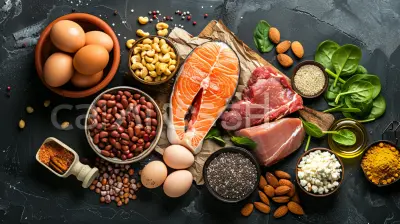
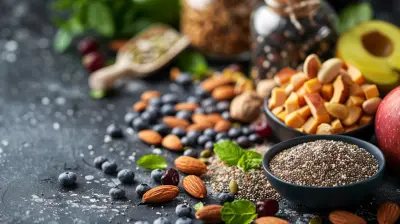
What you eat plays a big role. Foods rich in phytoestrogens (like soy, flaxseeds, and chickpeas) can mimic estrogen and help balance levels naturally. Don’t forget about calcium and vitamin D for bone health, too!2. Stay Active
Exercise isn’t just good for your heart and waistline—it also helps regulate hormone levels. Aim for a mix of cardio, strength training, and flexibility exercises.3. Manage Stress
Chronic stress can wreak havoc on your hormones, including estrogen. Find ways to unwind, whether it’s through yoga, meditation, or simply curling up with a good book.4. Consider Supplements
If estrogen levels are low, certain supplements (like black cohosh or evening primrose oil) may help alleviate symptoms. Always consult with a healthcare provider before starting any new supplement.5. Talk to Your Doctor
If you’re dealing with severe symptoms or have concerns about your estrogen levels, don’t hesitate to seek medical advice. Hormone replacement therapy (HRT) and other treatments are available to help.Final Thoughts
Estrogen is pretty amazing, isn’t it? From supporting reproductive health to keeping your brain and bones in check, it’s truly a multitasker. While it may seem like just another hormone, its impact on women’s health is profound. Understanding how estrogen works—and how to maintain healthy levels—can go a long way in helping you feel your best at every stage of life.all images in this post were generated using AI tools
Category:
Healthy HormonesAuthor:

Madeline Howard
Discussion
rate this article
2 comments
Lucas Maddox
This article effectively highlights estrogen's multifaceted role in women's health, from regulating reproductive processes to influencing mood and bone density. By understanding its impact across various life stages, we can better address health challenges and promote holistic well-being for women throughout their lives.
December 20, 2025 at 3:54 PM
Madeline Howard
Thank you for your insightful comment! I'm glad you found the article highlights the important roles of estrogen in women's health.
Nym Evans
This article effectively highlights the critical role of estrogen in women's health, covering its influence on reproductive functions, bone density, and mood regulation. Understanding estrogen's multifaceted effects can empower women to make informed health choices and seek appropriate care throughout different life stages, especially during menopause and hormonal fluctuations.
December 8, 2025 at 3:24 AM
Madeline Howard
Thank you for your insightful comment! I'm glad the article resonated with you and highlighted the importance of understanding estrogen in women's health.