Understanding Celiac Disease: A Guide for the Newly Diagnosed
16 May 2026
So, you've just been diagnosed with celiac disease, and you're probably feeling a bit overwhelmed—maybe even a little scared. You’re not alone. That flood of emotions is completely normal, especially when your doctor starts listing all the foods you can't eat anymore. But take a deep breath. This guide is your friendly companion through the early days of your diagnosis. We’ll break things down into bite-sized, easy-to-understand pieces (pun intended) and help you feel more in control.
Let’s walk through what celiac disease really is, how it affects your body, and most importantly, how you can still live a happy, healthy, and incredibly tasty life!
What Exactly Is Celiac Disease?
At its core, celiac disease is an autoimmune disorder. That means your immune system, which normally protects you, mistakenly attacks your own body. Specifically, it reacts to gluten—a protein found in wheat, barley, and rye.When someone with celiac disease eats gluten, their immune system gets a little, well... overdramatic. It doesn't just reject the gluten, it throws a full-on tantrum and damages the lining of the small intestine. This damage affects how nutrients are absorbed, leading to all sorts of issues over time.
So, What’s Gluten Anyway?
Gluten is like the "glue" that holds certain grains together. It gives bread its chewy texture and helps baked goods keep their shape. It’s innocent enough for most people, but if you’ve got celiac disease, gluten becomes the villain in your story.
Common Signs and Symptoms
One of the trickiest things about celiac disease? It looks different for everyone. Some people have obvious digestive issues, while others have completely unrelated symptoms.Here are some of the common ones:
- Bloating and gas
- Diarrhea or constipation
- Stomach pain
- Unexplained weight loss
- Fatigue
- Depression or anxiety
- Anemia (low iron levels)
- Skin rashes (like dermatitis herpetiformis)
- Joint pain
- Headaches
- Infertility or miscarriages
Sound familiar? Sometimes these signs can be brushed off as nothing major, which is why celiac disease often goes undiagnosed or misdiagnosed for years.
Getting Diagnosed: The Why and the How
If you're reading this, chances are you've already gone through the whole testing ordeal. But here's a quick breakdown of how doctors usually make the diagnosis:1. Blood Tests: These look for specific antibodies that your body produces when reacting to gluten.
2. Endoscopy with Biopsy: This is the gold standard. A tiny camera goes down into your small intestine to check for damage, and a small sample (biopsy) is taken for confirmation.
Important note: You need to be eating gluten before these tests. Switching to a gluten-free diet too soon can throw off the results.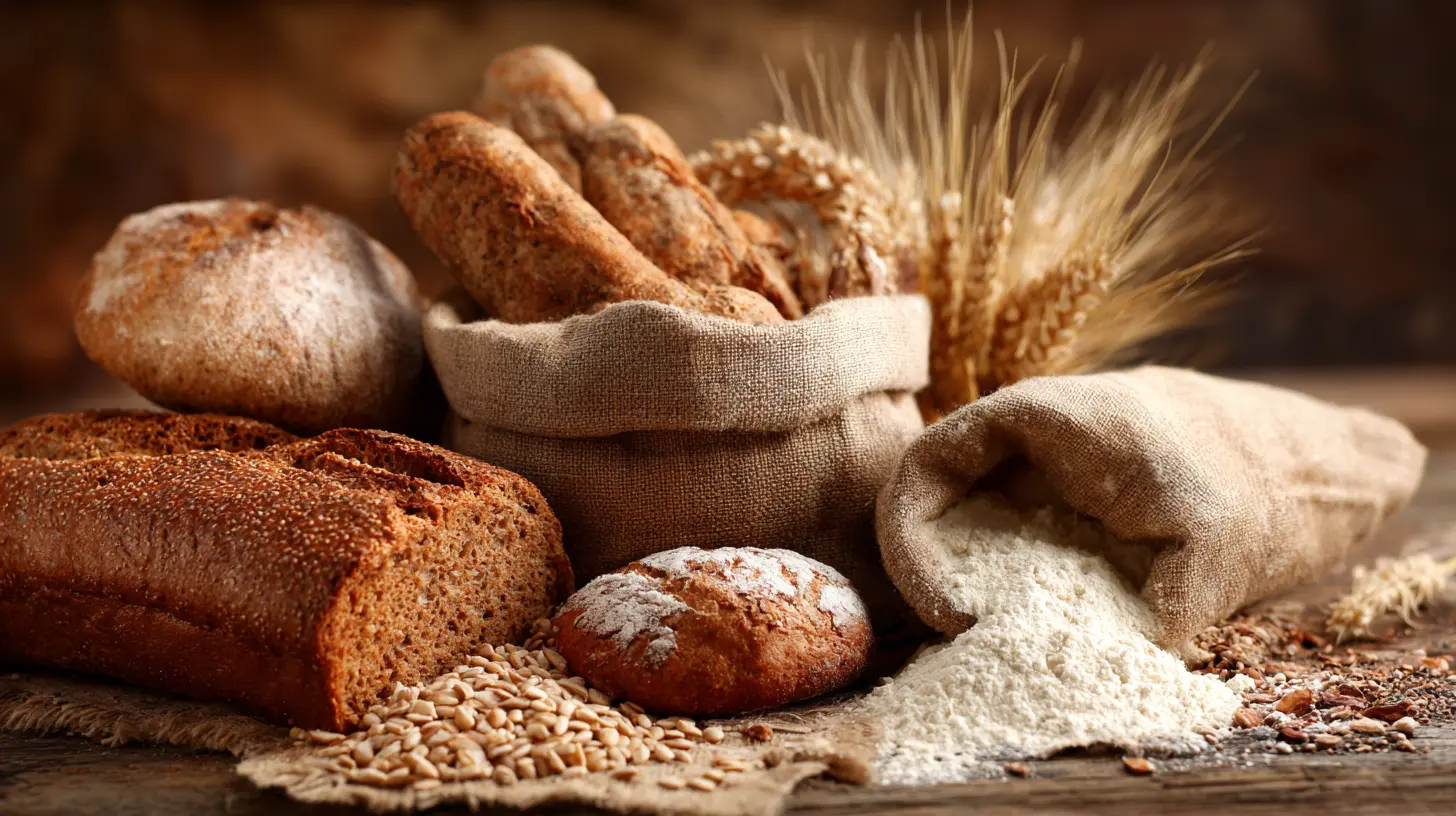
You’ve Got the Diagnosis—Now What?
Okay, here comes the big change: a strict gluten-free diet. There’s no way around it—there’s no cheat day, no "just a little won’t hurt." Even small amounts of gluten can trigger damage in your intestine.But this doesn’t mean your foodie life is over. Gluten-free living has come a long way, and there are more options out there than ever before. Think of it like learning a new language—it’s tricky at first, but before you know it, you’ll be fluent in gluten-free!
Reading Food Labels Like a Pro
Here’s where things can get a little sneaky. Gluten isn’t just in bread and pasta—it can hide in sauces, dressings, soups, and even candy. That’s why reading labels becomes your new superpower.Watch Out for These Ingredients:
- Wheat (durum, semolina, spelt, farro)- Barley
- Rye
- Malt (often made from barley)
- Brewer’s yeast
- Triticale (a wheat-rye hybrid)
Also, keep an eye out for cross-contamination warnings like “processed in a facility that also processes wheat.”
Some Surprising Places Gluten Hides:
- Soy sauce (unless labeled gluten-free)- Imitation crab meat
- Some flavored chips
- Pre-shredded cheese (yes, really!)
- Meat substitutes like seitan
When in doubt, scan the barcode using a gluten-free app or stick to brands clearly labeled "gluten-free."
Dining Out Without Stress
Eating out can feel like navigating a gluten-filled minefield at first, but it doesn’t have to be stressful forever.Here are a few tips:
- Research ahead: Look at menus online before you go and even call the restaurant to ask about gluten-free options.
- Be clear with your server: Let them know you have celiac disease and ask about cross-contamination.
- Stick to simple foods: Grilled meats, steamed veggies, and salads (without croutons or dressing unless verified) are usually safe bets.
- Avoid buffets: Cross-contact is almost guaranteed in those situations.
You’ll become more confident advocating for yourself over time—it’s all part of the process.
Rebuilding Your Gut and Energy
Once you stop eating gluten, your body starts healing. But healing takes time, especially if you had a lot of damage. Don’t panic if you don't feel better overnight.What Helps?
- Whole, naturally gluten-free foods: Think fruits, veggies, lean proteins, and gluten-free whole grains like quinoa and rice.- Good bacteria: Probiotics may help restore balance in your gut.
- Hydration: Keep drinking that water—your digestive system will thank you.
- Adequate rest: Healing is hard work for your body.
And hey, celebrate the small wins—less bloating, more energy, better mood!
Navigating Social Situations
This is where it gets tricky. Birthday parties, holidays, potlucks—they can all feel like gluten danger zones.Here’s how to glide through them:
- Bring your own dish: That way, you know there's at least one safe thing you can eat.
- Educate your circle: Your friends and family don't need to become experts, but a little understanding goes a long way.
- Be kind but firm: If someone pushes food on you, a polite "Thanks, but I have a medical condition and can't eat gluten" usually does the trick.
Think of it as setting healthy boundaries—not just for your health, but for your peace of mind.
Emotional Impact: You're Not Just Being Dramatic
Celiac disease isn’t just a dietary change—it’s a life change. And that can stir up a whole mix of emotions. You might feel isolated, frustrated, or even angry. That’s valid.It’s okay to grieve the old way of eating and living. But don’t get stuck there. You’re not alone. There are thriving communities, Facebook groups, and support networks full of people who get it.
You’re not overreacting. You’re adjusting. And honestly? That adjustment is a form of self-love.
Gluten-Free Doesn’t Mean Healthier... Automatically
Just because something is labeled “gluten-free” doesn’t make it a healthier option. A gluten-free cookie is still a cookie. Try to focus on whole foods when possible. That way, you’re giving your body the best shot at full recovery.Remember: gluten-free doesn’t have to mean fun-free, flavorless, or frustrating. Once you get the hang of it, it becomes second nature.
Your New Pantry Staples
Let’s stock up on the safe stuff! Here are a few gluten-free essentials to keep around:- Flours: Almond, coconut, oat (make sure it’s certified GF), rice, sorghum
- Grains: Quinoa, millet, brown rice, buckwheat (doesn’t actually contain wheat)
- Pasta: Brown rice pasta, chickpea pasta, lentil pasta
- Snacks: Gluten-free granola bars, fruit, nuts, popcorn
- Baking must-haves: Xanthan gum, GF baking powder, GF vanilla extract
Organizing your kitchen around your new lifestyle makes cooking feel less like a chore and more like an adventure.
When to Talk to a Dietitian
Adjusting to a gluten-free life can be confusing—fast. A registered dietitian who specializes in celiac disease can help you navigate food choices, read labels, and ensure you’re still getting a balanced diet.Vitamin deficiencies are common in people with celiac, especially when newly diagnosed. So it's worth checking in on your levels of iron, vitamin D, B12, calcium, and folate.
Final Thoughts: You've Got This
Here’s the truth: no one wants to have celiac disease. But once you understand it and take control, life opens back up. You can feel better, eat amazing food, and embrace a life that’s just as full as before—if not more so.Yes, it takes effort. But it’s worth it.
You’re not starting over—you’re just taking a new path. And lucky for you, this path is lined with gluten-free brownies.
all images in this post were generated using AI tools
Category:
Gluten FreeAuthor:

Madeline Howard
Discussion
rate this article
2 comments
Harmony Franklin
This guide is a fantastic starting point for anyone navigating celiac disease! It's full of helpful tips and encouragement. Embrace your journey to better health!
July 16, 2026 at 5:01 PM
Khloe Wade
Thank you for this informative guide. It's vital for those newly diagnosed to have the right resources and support.
May 20, 2026 at 4:01 AM
Madeline Howard
You're welcome! I'm glad you found it helpful.