Top Mistakes to Avoid When Making Healthy Smoothies
23 November 2026
Smoothies have become a go-to option for many people looking to improve their nutrition. They are easy to make, can be packed with a variety of ingredients, and offer a quick way to consume fruits, vegetables, and other nutrients. However, making a healthy smoothie is not as straightforward as it seems. There are common mistakes that can turn a nutritious drink into a caloric bomb or a sugar-laden concoction. Here, we'll dive into the top mistakes to avoid when making healthy smoothies and how to ensure your blends are as nourishing as possible.
1. Overloading on Fruit
The Pitfall of Excess Fruit
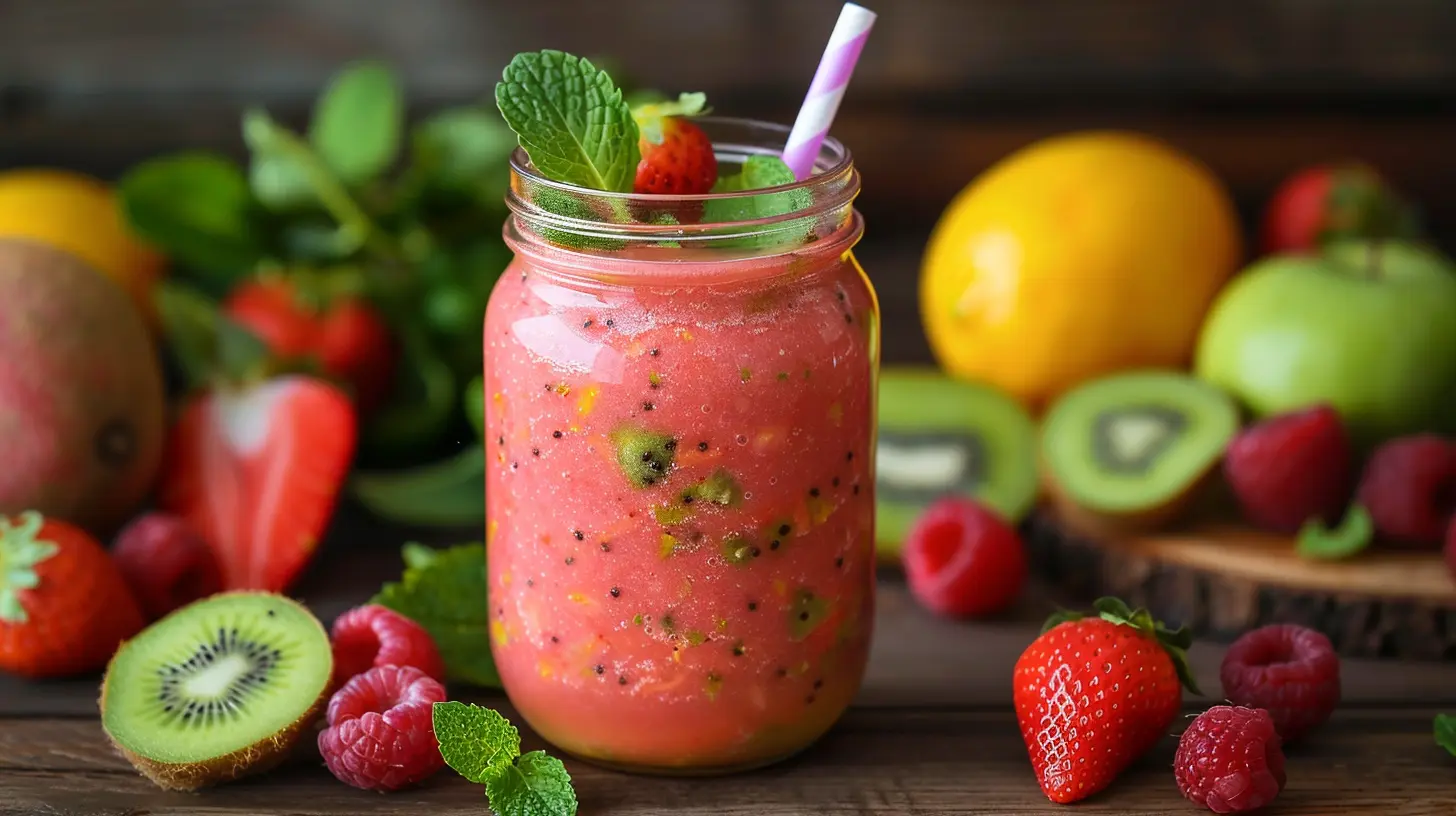
While fruit is an essential part of a healthy diet, overloading your smoothie with it can lead to excessive sugar intake. Many people think that because fruit is natural, it can be used in unlimited quantities. However, even natural sugars can add up quickly.Balancing Your Ingredients
Aim to fill about half of your smoothie with vegetables. Leafy greens like spinach or kale are low in calories and high in nutrients. By balancing fruits with vegetables, you can enjoy a naturally sweet flavor without going overboard on sugar. For instance, a smoothie that includes one banana, a handful of spinach, and half a cup of berries strikes a good balance.
2. Ignoring Portion Sizes
The Importance of Serving Sizes
Portion control is crucial when making smoothies. It's easy to pour in a little more of this or that, but those small additions can significantly increase calorie counts.Measuring Ingredients
Consider using measuring cups or a kitchen scale to keep track of portions. For example, a single serving of yogurt is usually around 150 grams, but many people pour in double that without realizing it. Maintaining awareness of portion sizes can keep your smoothies healthy and aligned with your dietary goals.
3. Skipping Protein
Why Protein Matters
Many smoothies lack adequate protein, which is essential for muscle repair and satiety. A smoothie with only fruits and vegetables may leave you feeling hungry shortly after consumption.Adding Protein Sources
Incorporate sources of protein such as Greek yogurt, protein powder, nut butter, or seeds. A tablespoon of almond butter or a scoop of protein powder can enhance the nutritional profile significantly. For example, adding Greek yogurt to a berry smoothie not only boosts protein but also adds creaminess.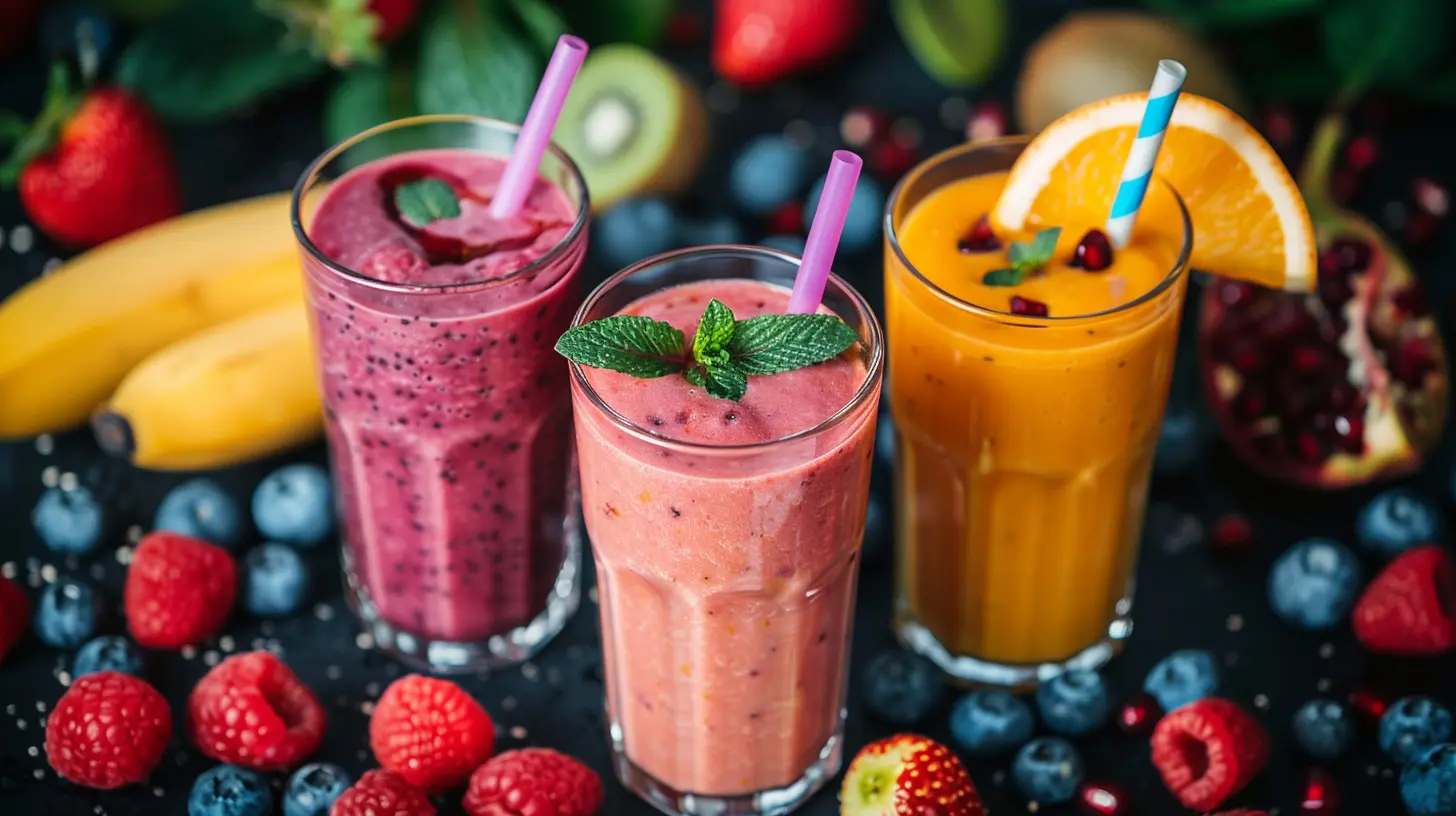
4. Neglecting Healthy Fats
The Role of Healthy Fats
Healthy fats are crucial for nutrient absorption and can help keep you full. Many smoothies contain little to no fat, which may not be ideal for a balanced meal.Where to Find Healthy Fats
Use ingredients like avocado, chia seeds, flaxseeds, or coconut oil. For example, a half avocado blended into your smoothie adds a creamy texture while providing heart-healthy fats. A tablespoon of chia seeds can also work well, adding omega-3 fatty acids and fiber.5. Using Store-Bought Juices
The Juice Trap
Store-bought juices often contain added sugars and preservatives that can detract from the health benefits of your smoothie. Even 100% fruit juice lacks the fiber found in whole fruits, which can lead to spikes in blood sugar.Opting for Whole Fruits
Whenever possible, use whole fruits instead of juice. For instance, instead of orange juice, adding a whole orange will provide fiber, vitamins, and minerals without the added sugars found in juice.
6. Not Adding Fiber
The Importance of Fiber
Fiber is critical for digestion and can help regulate blood sugar levels. Many smoothies lack sufficient fiber, which can lead to digestive discomfort.Boosting Fiber Content
Include fiber-rich ingredients like oats, flaxseeds, or psyllium husk. For instance, adding a quarter cup of oats can enhance fiber content while making your smoothie more filling. This not only helps with digestion but also keeps you satisfied longer.7. Relying on Sweeteners
The Sweetener Dilemma
While a little sweetness can enhance the flavor of your smoothie, relying heavily on sweeteners-whether natural or artificial-can lead to unhealthy habits. Many people use honey, agave, or maple syrup without considering the additional calories.Finding Natural Sweetness
Instead of added sweeteners, focus on naturally sweet ingredients like ripe bananas or dates. For example, if you want to sweeten a green smoothie, try adding half a ripe banana instead of a sweetener. This way, you're not only adding sweetness but also nutrients.
8. Overusing Dairy Products
The Dairy Issue
While dairy can add creaminess and protein, too much can also lead to excess calories and fat. Some people may also have lactose intolerance or sensitivity to dairy, making it a less suitable choice.Exploring Non-Dairy Alternatives
Consider using non-dairy milk options, such as almond, soy, or coconut milk. These alternatives can provide similar textures without the drawbacks of excess dairy. For example, unsweetened almond milk is low in calories and can be a great base for smoothies.9. Not Considering Dietary Restrictions
The Importance of Personalization
Everyone has different dietary needs. Failing to consider allergies or intolerances can lead to discomfort or adverse reactions.Tailoring Smoothies
If you have allergies to nuts or a sensitivity to gluten, adjust your smoothie ingredients accordingly. Opt for nut-free protein sources or gluten-free oats if needed. Personalizing your smoothies to meet your dietary requirements will ensure you enjoy them without worry.
10. Forgetting to Blend Thoroughly
The Blending Importance
Failing to blend your smoothie thoroughly can leave chunks and an unappetizing texture. This not only affects the drinking experience but can also result in uneven nutrient distribution.The Right Blending Technique
Blend until the mixture is smooth and creamy. If you find that your blender struggles, add more liquid or pre-cut your ingredients into smaller pieces. A high-speed blender can make a difference in achieving the desired consistency.11. Not Experimenting with Flavors
The Risk of Boredom
Sticking to the same smoothie recipe can lead to boredom and make you less likely to continue the habit. A lack of variety can also mean missing out on different nutrients.Trying New Ingredients
Experiment with different fruits, vegetables, herbs, and spices. For example, adding a handful of fresh mint or basil can elevate the flavor profile. You might also try incorporating spices like cinnamon or ginger for extra health benefits and flavor.
12. Failing to Plan Ahead
The Importance of Preparation
A last-minute smoothie can lead to poor ingredient choices or a lack of balance. Planning ahead can help you make smarter choices and ensure you have the right ingredients on hand.Prepping Ingredients
Consider prepping smoothie packs by portioning out fruits and vegetables in advance. Freeze them in bags, and when you're ready, just blend with your liquid of choice. This makes it easier to whip up a healthy smoothie on busy mornings.13. Drinking Smoothies Too Quickly
The Consumption Speed Issue
Many people gulp down their smoothies, which can lead to digestive discomfort. Drinking too quickly also bypasses the body's natural signals of fullness.Savoring the Smoothie
Take your time with your smoothie. Enjoy the flavors and textures, and allow your body to register fullness. This can help prevent overeating and make your smoothie experience more satisfying.
Conclusion
Making healthy smoothies is an art that requires a balance of flavors, nutrients, and mindfulness. By avoiding these common mistakes, you can ensure that your smoothies are not only delicious but also contribute to your overall health. The next time you reach for the blender, remember to focus on balance, portion control, and creativity. With these guidelines, you can enjoy a wide variety of nourishing smoothies that keep your taste buds happy and your body thriving.
all images in this post were generated using AI tools
Category:
Healthy SmoothiesAuthor:

Madeline Howard