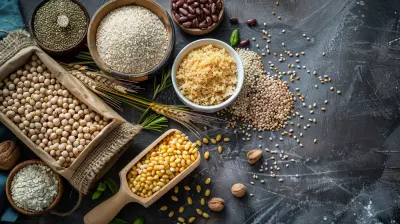
Tips for Shopping Local and Eating Clean
21 September 2026
Eating clean and shopping local sound like two separate goals. In practice, they overlap so much that pursuing one almost always pulls you toward the other. The farmer who picks tomatoes at peak ripeness this morning is not just giving you better flavor. That tomato also holds more of what your body actually needs, because produce starts losing nutritional value the moment it is harvested. The shorter the trip from soil to skillet, the less time there is for that decline.
This is not a lecture about giving up everything you love. It is a practical guide to making small, repeatable choices that add up. You do not need a perfect diet or a farmers market within walking distance. You need a few good habits and a willingness to ask better questions about where your food comes from.
Why Local and Clean Belong Together
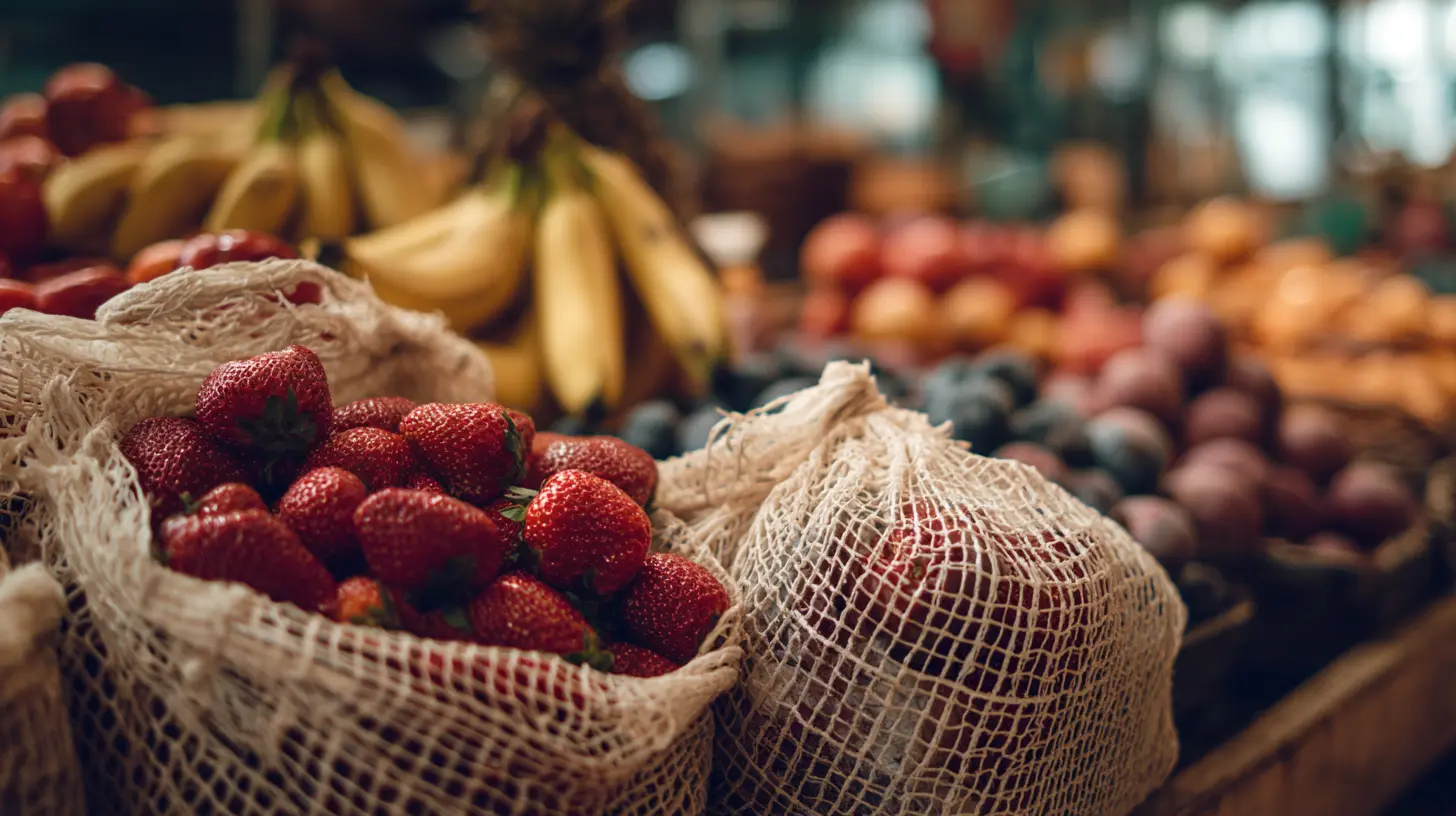
"Eating clean" gets thrown around loosely. For our purposes, it means choosing food that is as close to its natural state as practical, with minimal unnecessary additives, and produced in ways you can feel good about. "Shopping local" means buying from producers in your region, whether that is a farm, a bakery, a butcher, or a community supported agriculture (CSA) box.Here is why they reinforce each other. Local food usually travels fewer miles, which means it can be harvested later and sold sooner. A peach from a farm two hours away can ripen on the tree. A peach shipped across an ocean often gets picked hard and green so it survives the journey. That difference shows up in taste, texture, and nutrient density.
Local also tends to mean smaller batches. A small producer is more likely to know exactly what went into a product and to answer your questions directly. That transparency is the backbone of clean eating. When you can talk to the person who grew your lettuce, you stop relying on labels alone.
That said, local is not automatically healthy. A local bakery can still load a muffin with refined sugar. A nearby farm can still use pesticides. Local is a starting point, not a guarantee. The real power comes from combining proximity with curiosity.
Start With What You Already Buy
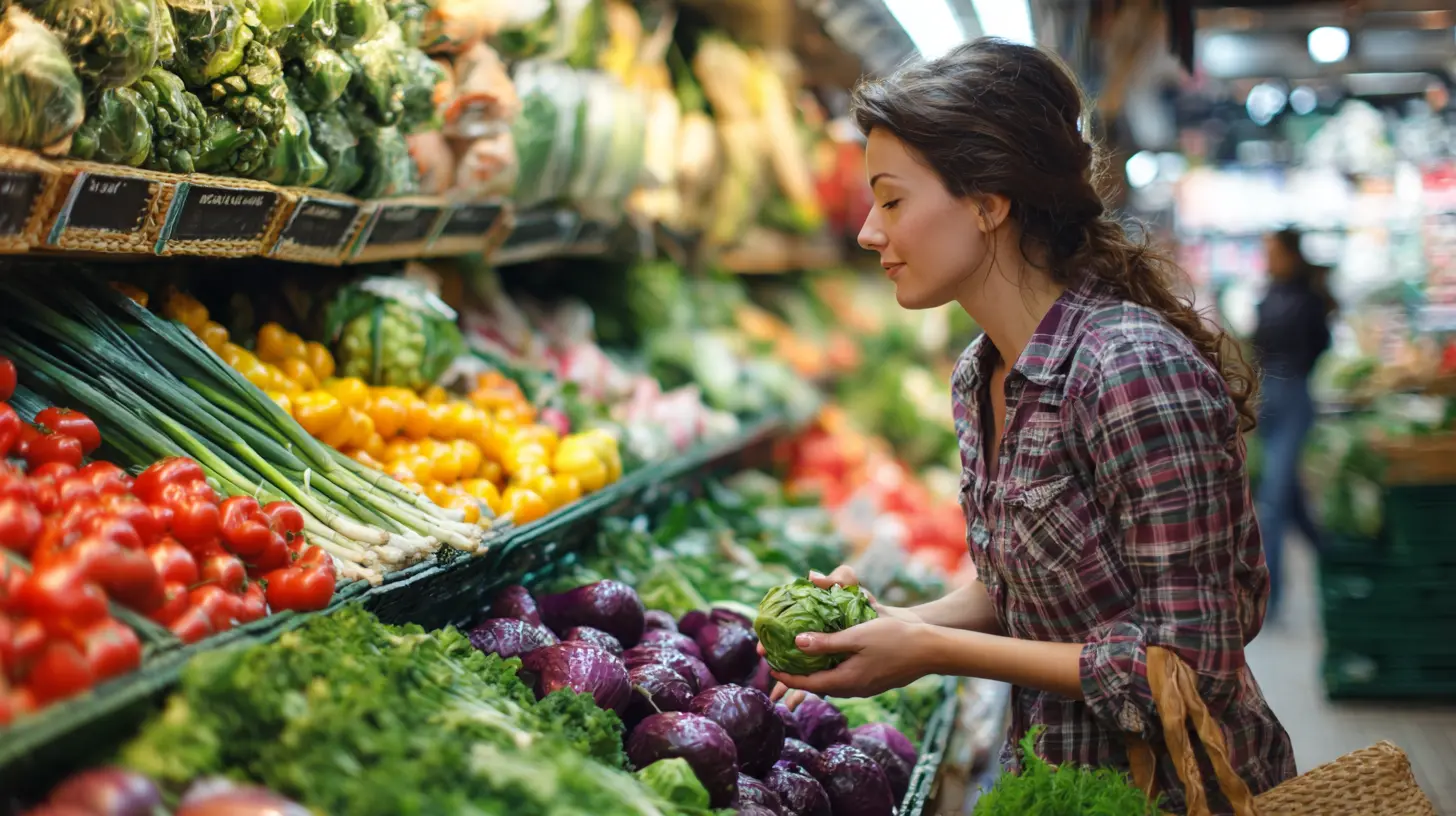
The biggest mistake people make is trying to overhaul their entire pantry in one weekend. That approach is expensive, exhausting, and rarely sticks. Instead, look at your last few grocery receipts and pick the three items you buy most often. For many households that is milk, eggs, and bread. For others it is coffee, apples, or chicken.Now ask a simple question for each one. Can I find a local version of this that is at least as good and roughly comparable in price? Sometimes the answer is yes. Sometimes it is no. Either way, you have narrowed your focus to something manageable.
This matters because clean eating is a habit, not a single decision. Swapping one staple at a time builds confidence. You learn which local sources are reliable. You figure out how much you actually need each week. By the time you are ready to tackle a fourth or fifth item, the process feels routine rather than heroic.
A good first target is eggs. Local eggs from pasture-raised hens often have deeper colored yolks and firmer whites. The difference comes from diet and how the birds live. You may pay more, but eggs are a low-volume purchase, so the total cost bump is small. It is one of the easiest wins in the entire local food game.
Reading the Real Signals at a Farmers Market
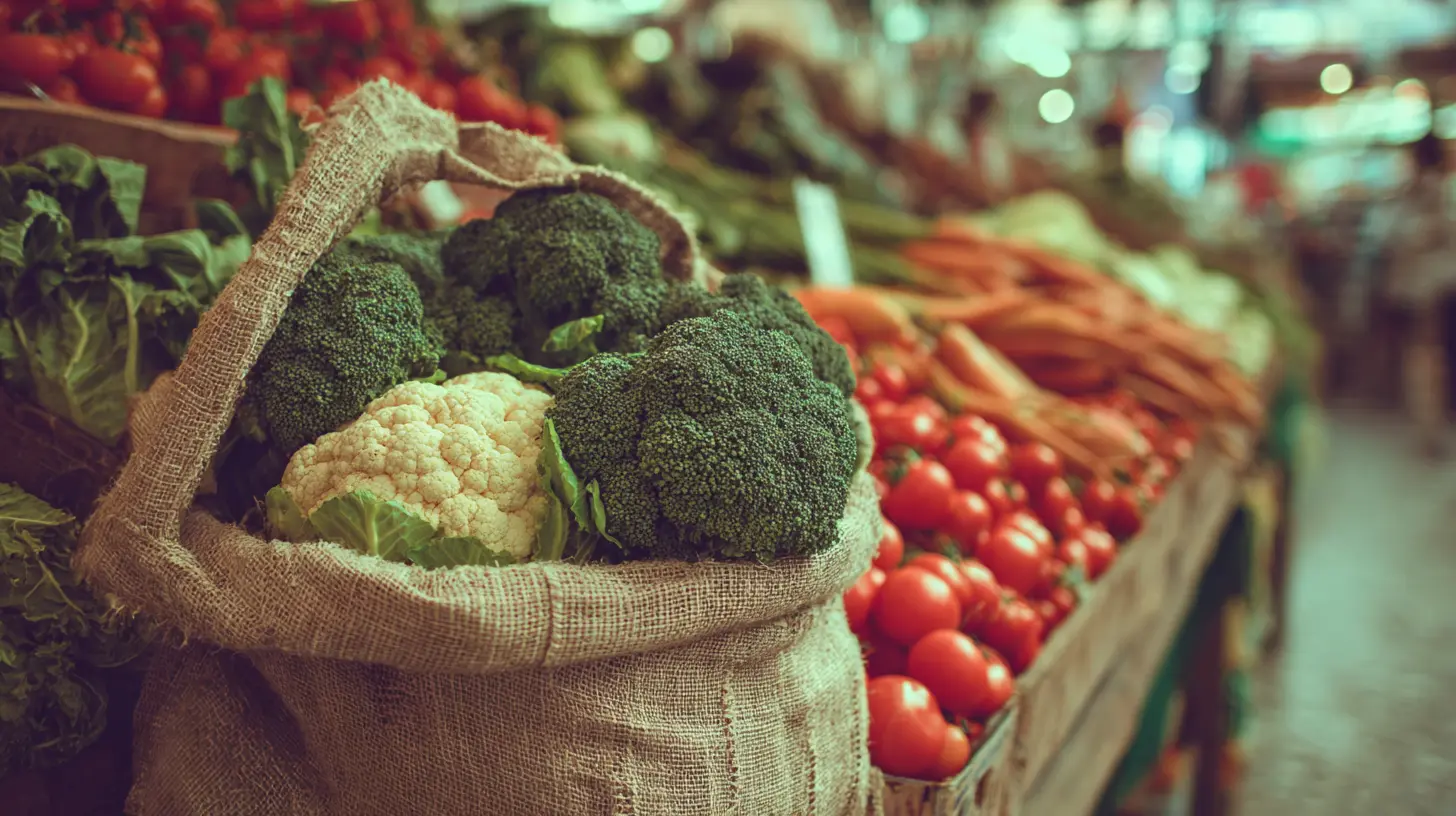
Farmers markets can be intimidating. Booths look similar. Signs use words like "natural" and "farm fresh" that carry no legal definition. Here is how to cut through the noise.First, ask what is in season. A vendor selling tomatoes in early spring in a cold climate is almost certainly reselling wholesale produce. That is not a crime, but it is not local. A vendor who says "we had a rough year with tomatoes, they will not be ready for three more weeks" is telling you the truth. Trust grows from those small admissions.
Second, look for variety. A farm that grows twenty kinds of greens is likely a real farm. A booth with three perfect, identical products might be a distributor. Neither is wrong, but you should know which one you are supporting.
Third, ask about growing practices in plain language. You do not need a certification to have a good conversation. Try: "What do you use for pests?" or "Do you spray anything on these?" A grower who cares will give you a specific answer. A grower who deflects probably has something to hide, or simply does not know, which is its own signal.
Fourth, go late in the day if you want deals. Vendors would rather sell than pack up. Go early if you want the best selection. Both strategies are valid. Just decide which one matters more to you that week.
CSA Boxes: Great Value, Real Trade-Offs
A CSA box is a subscription to a farm's harvest. You pay upfront, often for a full season, and receive a share of whatever is ready that week. The upside is real. You get peak-season produce at a lower per-pound cost than retail, you support a farm's cash flow during the lean early months, and you eat with the seasons whether you planned to or not.The downside is also real. You do not choose what you get. If your farm has a bumper crop of kohlrabi, you will be eating a lot of kohlrabi. Some people love this because it forces creativity. Others find it wasteful because half the box wilts in the fridge.
Before you sign up, ask three questions. What is the typical box size for my household? Can I swap items or choose a smaller share? What happens if a crop fails? A good farm will be upfront about all three. Also consider a half share if you are new. You can always upgrade next season.
If a full CSA feels like too much commitment, look for a buying club or a multi-farm co-op. These let you order exactly what you want from several local producers, usually with a weekly pickup. You get flexibility and variety, though often at a slightly higher price than a single-farm share.
The Grocery Store Still Matters
Shopping local does not mean abandoning the supermarket. It means using it more intelligently. Many large stores now carry regional products, and the produce section often labels where items were grown. A head of lettuce from your state is a better bet than one shipped from another continent, even if both sit under the same fluorescent lights.The frozen aisle deserves more respect than it gets. Frozen vegetables are picked and flash-frozen at peak ripeness, which locks in nutrients. In some cases, frozen produce is more nutritious than fresh produce that has spent a week in transit. If local fresh options are thin in winter, frozen is a smart clean-eating choice, not a compromise.
Canned goods are trickier. Look for cans with no added salt or sugar, and check whether the liner is BPA-free. Some brands now label this clearly. It is worth a few extra seconds of reading, because canned beans and tomatoes are pantry workhorses that make clean cooking fast on busy nights.
What "Clean" Actually Means on a Label
Labels are marketing tools first and information tools second. A few terms are regulated, and knowing which ones matters saves you money and confusion."Organic" is a certified claim with defined standards. It tells you something about how the food was grown or raised, though it says nothing about nutritional quality or freshness.
"Natural" is nearly meaningless on most packaged foods. It generally means nothing artificial was added, but the base ingredients can still be highly processed.
"Free range" and "pasture raised" are not interchangeable. Free range often means the animal had some access to the outdoors, which may be a small door to a concrete pad. Pasture raised usually means the animal spent real time on grass. The terms are not standardized across all products, so ask the producer when you can.
"No added sugar" does not mean low sugar. The food may still be naturally sweet or contain refined grains that spike blood sugar.
The cleanest approach is to buy foods that do not need a label at all. A bunch of carrots. A whole chicken. A bag of dried lentils. The fewer claims on the package, the less you have to decode.
Budget Realities and How to Handle Them
Local, clean food has a reputation for being expensive. Sometimes it is. But the gap is often smaller than people assume, and there are ways to close it.Buy in bulk when it makes sense. A quarter of a cow from a local rancher costs more upfront but less per pound than individual cuts at the store. Split it with a friend if freezer space is tight.
Eat with the seasons. Asparagus in May is cheap and abundant. Asparagus in December is flown in and priced accordingly. Planning meals around what is actually growing near you is the single most effective way to cut costs while eating better.
Use the whole plant. Radish greens, beet tops, and carrot tops are edible and delicious. They saute, they go into soups, they make pesto. Throwing them away is throwing away money and nutrition.
Compare protein sources. Local pastured chicken may cost more than conventional, but dried beans, lentils, and eggs are affordable almost everywhere. You do not need a local steak every night to eat clean.
Finally, be honest about trade-offs. If your budget is tight, prioritize. Local produce in season and local eggs give you the most benefit per dollar. Specialty items like local cheese or artisanal bread are wonderful but optional. Clean eating is about the overall pattern, not any single purchase.
Common Mistakes and Misconceptions
One widespread myth is that local food is always more nutritious. It often is, because of freshness, but not always. A local greenhouse tomato grown in winter may have less flavor and fewer nutrients than a field tomato from a warmer region shipped quickly. Context matters.Another mistake is assuming farmers markets are always cheaper. They are not. You are often paying for freshness, variety, and direct support of a small business. That is a fair trade, but it is not a discount.
Some people treat clean eating as all-or-nothing. One processed snack does not undo a week of good choices. The goal is a diet built mostly on whole, minimally processed foods, with room for flexibility. Rigid rules tend to backfire.
Others confuse "gluten free" or "plant based" with "clean." These are different axes. A gluten-free cookie is still a cookie. A plant-based burger can be highly processed. Read the ingredient list, not just the front of the box.
Finally, do not overlook food safety. Local, unpasteurized products like raw milk or fresh cheese carry real risks, especially for children, pregnant women, and people with weakened immune systems. Enjoy them only if you understand those risks and trust the producer's practices.
Building a Weekly Routine That Sticks
The people who succeed at this do not rely on willpower. They build a rhythm.Pick one day for shopping. Many find that a Saturday morning market trip plus a quick grocery stop covers the week. Others do a midweek pickup for a CSA and a weekend run for staples. Consistency beats intensity.
Plan meals around what you bought, not the other way around. If you came home with a mountain of zucchini, that is your starting point. Search for a recipe that uses it well, or just slice it, oil it, and roast it. Simple is fine.
Prep in batches. Wash and chop greens when you get home. Cook a pot of beans. Roast a tray of vegetables. Twenty minutes of prep on Sunday saves hours of scrambling during the week, and it makes the clean choice the easy choice.
Keep a running list of what worked. Which farm had the best strawberries? Which brand of local yogurt did your family actually finish? Notes like these turn a series of experiments into a reliable system.
When Local Is Not the Best Choice
There are times to skip local. If a local product is poor quality, do not buy it out of guilt. If a local farm uses practices you disagree with, you are not obligated to support it. If the price is genuinely out of reach, buy the best alternative you can afford and move on.Also consider environmental trade-offs. A local greenhouse grown tomato in winter can use more energy than a field grown tomato shipped from a warmer climate. The math is not always obvious. As a general rule, seasonal field crops from nearby are the best bet. Out-of-season local greenhouse crops are a mixed bag.
Fairness cuts both ways. Supporting local producers is good. Blindly assuming local equals ethical is not. Ask questions. Pay attention. Reward the producers who earn your trust.
A Realistic Path Forward
You do not have to change everything this week. Pick one habit. Maybe it is buying eggs from a local farm. Maybe it is visiting a farmers market once a month. Maybe it is reading the origin label on your produce and choosing the closer option when prices are similar.Do that one thing for a month. Then add another. Over a year, those small changes compound into a diet that is fresher, more flavorful, and more connected to where you live. You will spend a little more time thinking about food. You will spend less time feeling confused by it.
Eating clean and shopping local is not about perfection. It is about paying attention. The more you know about your food, the better your choices become, and the easier they get. Start small. Stay curious. Enjoy the tomatoes while they last.
all images in this post were generated using AI tools
Category:
Healthy ShoppingAuthor:

Madeline Howard