The Ultimate Grocery Store Survival Guide for Better Nutrition
16 October 2026
Most people do not fail at healthy eating because they lack willpower. They fail because they walk into a grocery store designed to make them fail, and they walk out with a cart full of decisions they did not consciously make. The store is not neutral territory. It is a carefully engineered environment where lighting, layout, scent, music tempo, and shelf height all nudge you toward specific purchases. Understanding that environment is the first real step toward eating better, and it has almost nothing to do with motivation.
This guide is not a list of foods to buy. It is a set of operating principles for navigating a complex system without losing your mind or your budget. Some of it will contradict what you have read elsewhere, because a lot of standard grocery advice is either outdated or simply wrong for most people.
Why the Store Is Working Against You
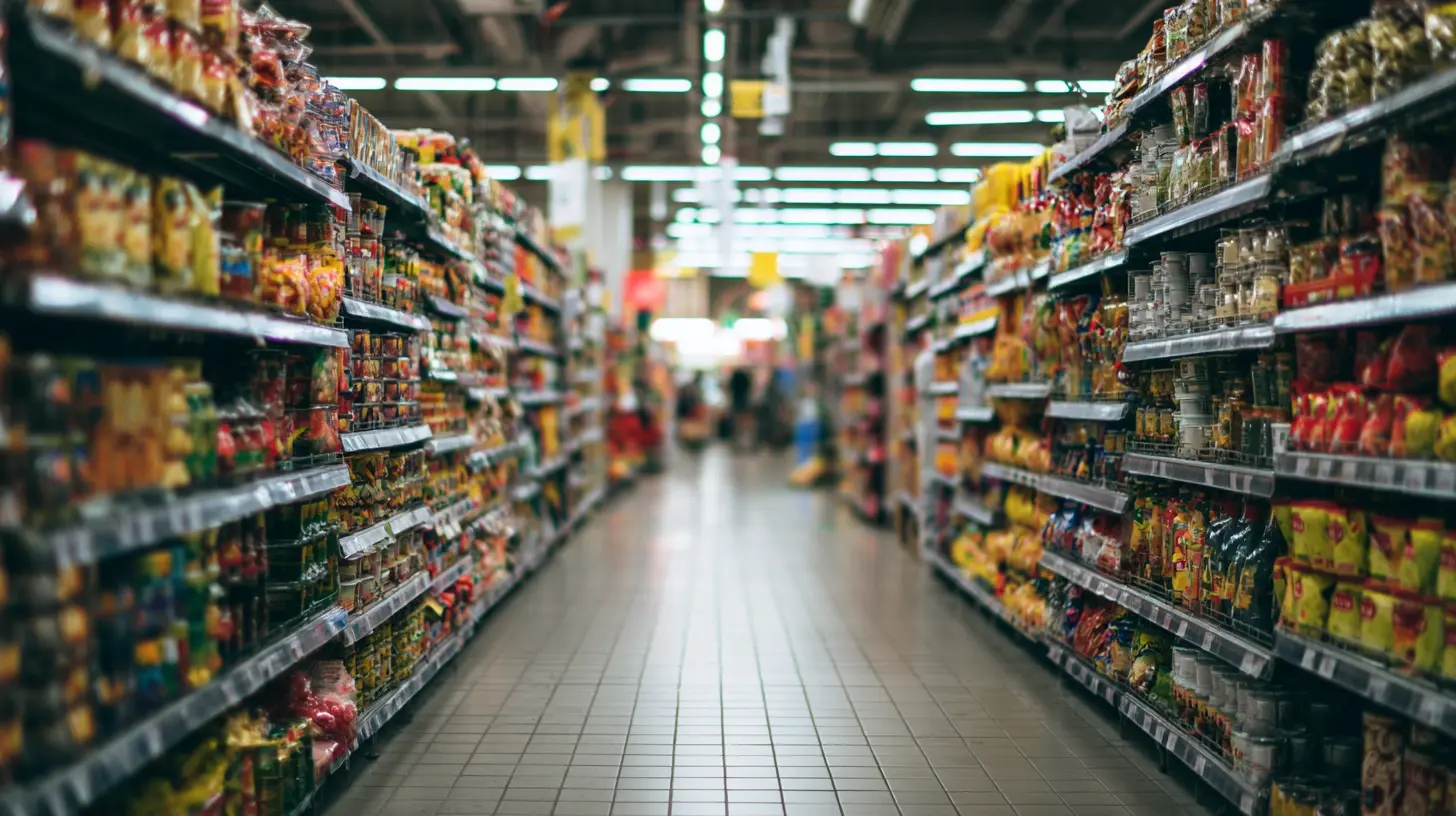
Grocery stores make money on volume and margin. Staples like rice, beans, and plain oats are low margin. Snack foods, prepared items, and specialty products are high margin. So the store has a financial incentive to route you past the high-margin sections as often as possible.The classic layout puts produce at the entrance because it signals freshness and puts you in a good mood. Then you move through the bakery, where the smell of fresh bread triggers hunger and impulse buying. The dairy and meat sections, which anchor most meal planning, sit at the back. The center aisles hold the processed foods. The checkout lane holds candy and magazines, because you are captive and tired.
None of this is a conspiracy. It is just retail. But once you see the pattern, you can stop being a passive participant.
A useful mental shift: you are not shopping for food. You are shopping for ingredients and finished products, and those are different categories that require different rules.
The Perimeter Myth and What to Do Instead
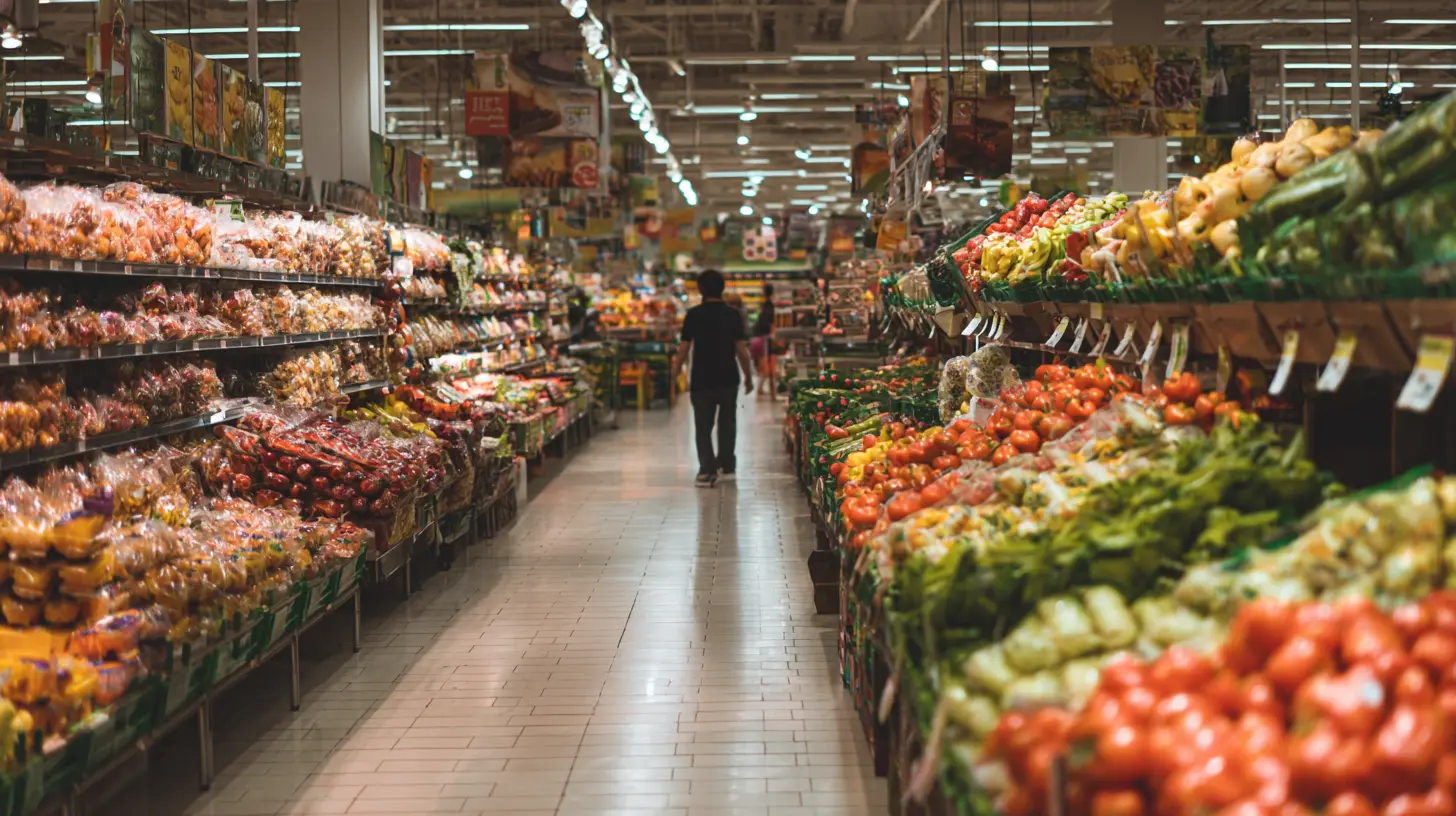
The old advice says shop the perimeter and avoid the center aisles. This is half right and half lazy.The perimeter does hold produce, meat, dairy, and often bakery and deli. But the perimeter also holds prepared foods, flavored yogurts with more sugar than a candy bar, marinated meats with sodium levels that would alarm a cardiologist, and bakery items that are essentially dessert. Meanwhile, the center aisles hold canned beans, tomatoes, tuna, olive oil, frozen vegetables, spices, coffee, and whole grains. Skipping the center aisles means skipping some of the most nutrient-dense and affordable food in the store.
A better rule: shop the perimeter for fresh items you will use within a few days, and shop the center aisles for shelf-stable building blocks. The center aisles are not the enemy. The middle shelves of the center aisles are the enemy, because that is where the highest-margin, most heavily marketed products sit.
Reading the Label Without Getting Fooled
Food labels are legal documents written by marketers. They are technically true and often functionally misleading.Serving size games
A granola bar might list 140 calories. Look at the serving size and you may find it is half a bar. The package contains two bars. Nobody eats half a granola bar. Multiply everything by two and the picture changes.The same trick applies to cooking spray, salad dressing, and cereal. Always check the servings per container before you trust any number on the front.
The order of ingredients
Ingredients are listed by weight, from most to least. If sugar, corn syrup, or a variant appears in the first three ingredients, the product is mostly sugar regardless of what the front of the box claims. Manufacturers also split sweeteners into multiple names, like cane syrup, dextrose, and maltodextrin, so no single one lands at the top of the list. This is legal and common.What "natural" actually means
The word "natural" on a food label is barely regulated. It generally means nothing artificial was added, but it says nothing about processing, sugar content, or nutritional value. "Natural" chicken nuggets are still chicken nuggets. Do not pay a premium for this word.What does carry weight
Terms with real regulatory meaning include "whole grain" when the first ingredient is a whole grain, "100 percent juice" when it is actually juice, and specific health claims like "good source of fiber" which require a minimum amount per serving. These are worth noticing. Vague wellness language is not.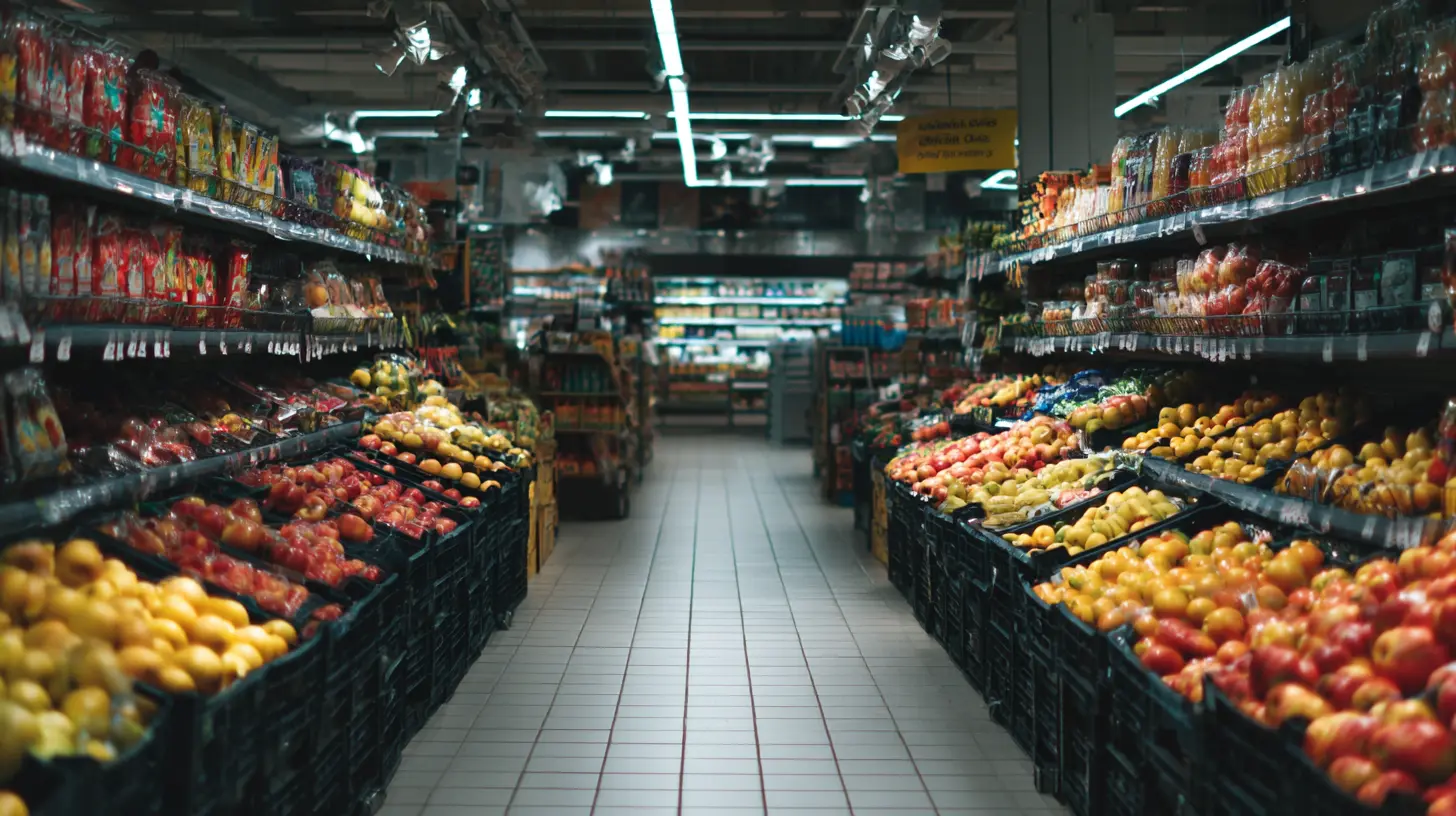
Produce: Fresh, Frozen, and Canned Are All Valid
There is a persistent belief that fresh produce is always superior. Nutritionally, this is often false.Frozen vegetables are typically picked and frozen at peak ripeness, which locks in vitamins. Fresh produce shipped across the country may spend a week in transit and lose nutrients along the way. If you are choosing between fresh broccoli that will wilt in your fridge and frozen broccoli you will actually cook, the frozen version wins on both nutrition and waste.
Canned vegetables and beans are also fine, with one caveat: sodium. Rinsing canned beans for about a minute can reduce surface sodium meaningfully. You can also buy no-salt-added versions, which are widely available and often cost the same.
The real trade-off is texture and taste. Fresh produce tastes better in salads and raw applications. Frozen works better in soups, stews, and stir-fries. Canned is best for cooked dishes where texture is less important. Match the format to the use, and you stop wasting money.
Protein Decisions That Actually Matter
Protein is where grocery budgets go to die, and where marketing is most aggressive.Meat and poultry
The price difference between conventional and organic chicken is often double. The nutritional difference is small. The difference that matters more is how the animal was raised, which is an ethical and environmental question rather than a purely nutritional one. Decide based on your values and budget, not on the assumption that organic automatically means healthier for you.For cost and nutrition, chicken thighs beat breasts. They are cheaper, harder to overcook, and only slightly higher in fat, most of which is unsaturated. Ground turkey is often more expensive than ground beef and not meaningfully leaner unless labeled 93 percent or higher.
Fish
Frozen fish is usually a better deal than fresh and is often fresher in practice, because it was frozen on the boat. Look for fillets that are individually quick frozen and have no glaze, which is a layer of ice added to increase weight. Wild-caught versus farmed is a real distinction for some species and largely irrelevant for others. Salmon, for example, is nutritious either way. The bigger issue is avoiding breaded and pre-seasoned fish products, which are often mostly filler.Plant proteins
Tofu, tempeh, lentils, and beans are among the cheapest protein sources per gram in the store. They also come with fiber, which animal proteins lack. If you are new to them, start with firm tofu for stir-fries and lentils for soups. Do not start with a block of silken tofu and expect it to behave like chicken.
Dairy and Alternatives: A Reality Check
Yogurt is a nutritional minefield. Plain Greek yogurt has protein and little sugar. Flavored yogurt can contain as much sugar as a can of soda. The fix is simple: buy plain and add your own fruit, honey, or jam. You control the sugar and save money.Milk alternatives vary wildly. Some are fortified with calcium and vitamin D, some are not. Some are mostly water and oil. Check the label for protein content. Soy milk typically has the most protein of the plant milks, around seven to eight grams per cup, which is comparable to dairy milk. Almond milk usually has one gram. Neither is wrong, but they are not interchangeable if protein is your goal.
Cheese is calorie-dense and easy to overeat, but it is also a source of protein and calcium. Buy the kind you actually enjoy and use it as a flavoring rather than a main event.
The Snack Aisle Trap
This is where most healthy intentions collapse. The snack aisle is engineered for repeat purchase. Products are formulated with precise ratios of salt, sugar, and fat that trigger cravings without satisfying hunger.You do not have to avoid snacks entirely. You do have to decide what role they play. A snack that is a bridge between meals should have protein or fiber. A snack that is a treat should be enjoyed as a treat, not disguised as health food.
Practical swaps that hold up:
- Nuts and seeds instead of chips, but portion them or you will eat a day's calories in ten minutes
- Popcorn you pop yourself instead of bagged popcorn with butter flavoring
- Fruit with nut butter instead of granola bars
- Plain yogurt with berries instead of flavored yogurt cups
The pattern here is that whole foods with minimal processing tend to satisfy you, while highly processed foods tend to make you want more. That is not moral judgment. It is how the food is designed.
Shopping Strategy That Saves Money and Sanity
Go in with a plan, not a list
A list is a set of items. A plan is a set of meals. If you know you are making three dinners, two lunches, and breakfasts, you can buy exactly what you need and nothing more. Lists without meals lead to buying ingredients that never become food.Shop the sales, then plan
The reverse also works and often works better. Look at what is on sale, especially in meat and produce, and build your meals around those items. This is how restaurants operate and how households on tight budgets have always operated.Timing matters
Stores restock produce and meat in the morning. Shopping early gets you the best selection. Shopping hungry gets you the worst decisions. If you can only shop after work, eat something first, even if it is just an apple.The store brand test
Store brand products are often made in the same facilities as name brands and are frequently identical. This is true for staples like oats, flour, canned tomatoes, frozen vegetables, and dairy. It is less true for products where brand identity is the point, like specific cereals or sauces. Try the store brand once. If it works, you just cut your bill significantly.Common Mistakes and Misconceptions
"Fat-free means healthy"
Fat-free products often replace fat with sugar or starch to preserve texture. A fat-free cookie is still a cookie. Fat is not the enemy. The type and amount matter, but eliminating it entirely usually backfires."Fresh is always better than frozen"
Already covered, but it bears repeating because it drives so much unnecessary spending."Organic means nutritious"
Organic refers to farming practices, not nutrient content. An organic cookie has the same sugar and calories as a conventional one."Multigrain means whole grain"
Multigrain means multiple grains were used. It does not mean the grains were whole. Look for "whole grain" as the first ingredient."You need supplements if you eat well"
Most people do not. A varied diet covers the bases. Supplements are useful in specific situations, like vitamin D in low-sun climates or B12 for vegans. They are not a substitute for food.
Putting It Together: A Realistic Walkthrough
Imagine you walk in with a plan for four dinners: a stir-fry, a soup, a sheet-pan chicken, and a pasta dish.You head to produce first and grab onions, garlic, carrots, celery, and whatever vegetable is on sale. You skip the pre-cut items, which cost three times as much.
You hit the meat section and buy chicken thighs on sale and a pound of ground beef. You consider fish but it is not on sale this week, so you skip it.
You go to the center aisles for canned tomatoes, beans, pasta, rice, and olive oil. You check the labels on the pasta sauce and pick the one with no added sugar.
You stop at dairy for plain yogurt, milk, and a block of cheese.
You grab frozen vegetables and frozen berries on the way to checkout. You do not walk down the snack aisle because you did not plan to buy snacks, and you are not hungry.
Total time: about 30 minutes. Total decisions that required real thought: maybe six. That is the goal. Reduce the number of decisions so the ones you do make are deliberate.
The Long Game
Better nutrition is not a single shopping trip. It is a set of habits that survive busy weeks, tight budgets, and low motivation. The grocery store is where those habits either get supported or sabotaged.You do not need to shop perfectly. You need to shop consciously enough that the defaults work in your favor. Buy the same staples repeatedly. Know which brands you trust. Have three or four meals you can make without a recipe. Keep frozen vegetables and canned beans on hand for the weeks when everything goes wrong.
The store will keep trying to sell you things. That is fine. Your job is not to resist everything. Your job is to know what you came for and why.
all images in this post were generated using AI tools
Category:
Healthy ShoppingAuthor:

Madeline Howard