The Truth About Sleep Supplements and What to Know
2 November 2026
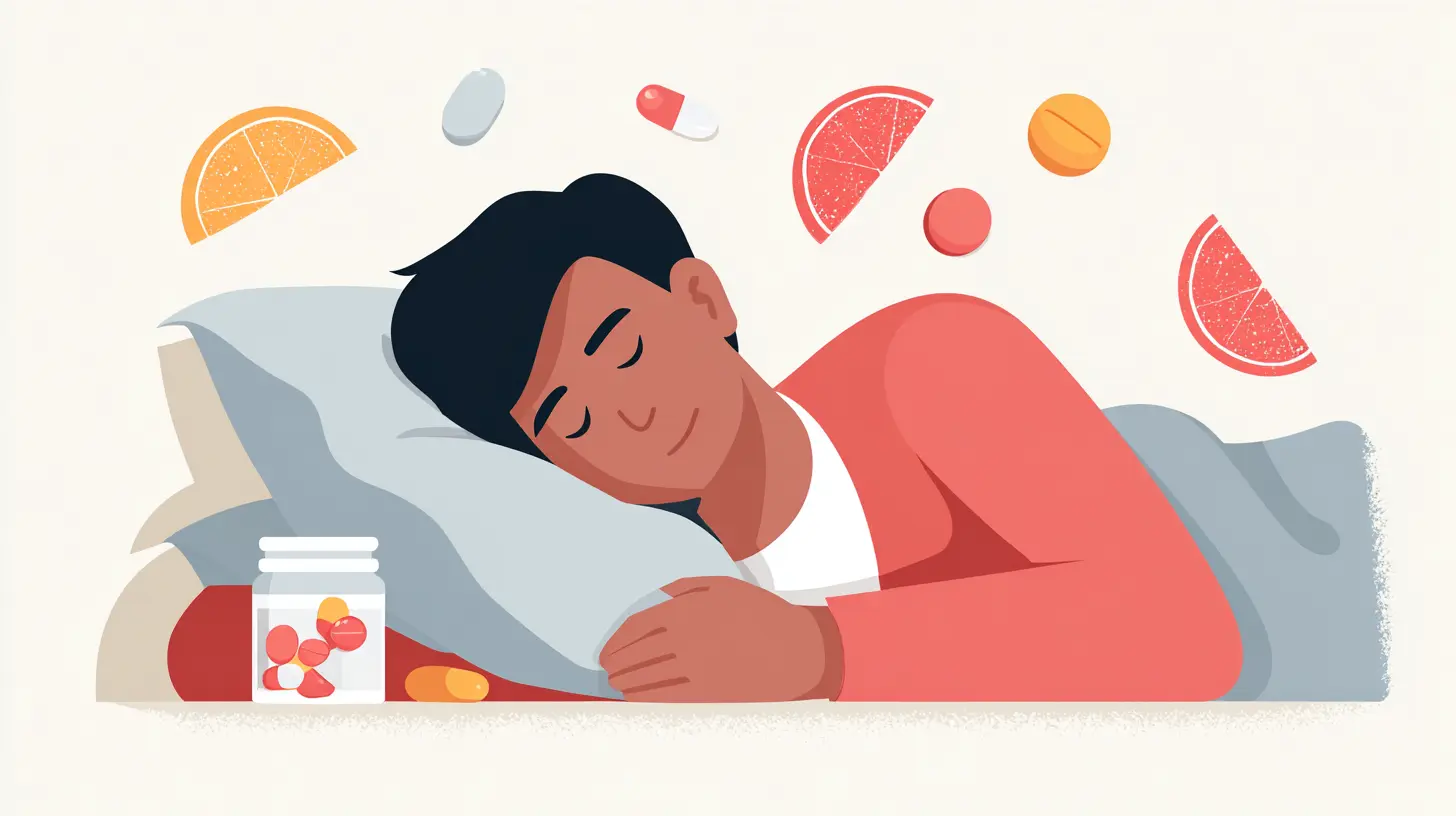
Sleep supplements have become a massive industry, and it is easy to see why. Millions of people struggle to fall asleep, stay asleep, or wake up feeling restored, and a pill or gummy that promises better rest is an attractive shortcut. The problem is that the market runs on hope and marketing as much as it runs on evidence. Some supplements have genuine support behind them, others are overhyped, and a few can quietly work against you. This article cuts through the noise with a practical, evidence-informed look at what these products can and cannot do, how to evaluate them, and how to use them sensibly if you decide to.
Why Sleep Supplements Are So Appealing, and So Misunderstood
A supplement feels low-risk because it sits on a shelf rather than behind a pharmacy counter. That framing is misleading. Supplements are not held to the same premarket approval standards as prescription drugs in most countries, including the United States, where the FDA regulates them as a category of food rather than as medications. That does not mean they are unsafe by default, but it does mean the burden of proof often falls on you, the buyer.There is also a psychological trap. Because supplements are easy to buy, people tend to treat them as a first move rather than a later one. In practice, the biggest levers for sleep are behavioral and environmental: consistent timing, light exposure, temperature, caffeine management, and stress regulation. Supplements are best understood as a supporting act, not the headline. When someone tells me a supplement "did nothing," the first question I ask is whether their sleep basics were already in order. A magnesium capsule cannot compensate for a 1 a.m. caffeine habit or a bedroom that runs at 26 degrees Celsius.

The Main Categories of Sleep Supplements
Most products on the market fall into a handful of families. Knowing which family a product belongs to tells you a lot about what to expect.- Hormone-adjacent compounds, chiefly melatonin.
- Minerals, most notably magnesium.
- Amino acids and neurotransmitter precursors, such as glycine, L-theanine, and tryptophan.
- Botanicals, including valerian, chamomile, passionflower, ashwagandha, and lemon balm.
- Combination formulas, which blend several of the above, sometimes with antihistamines or other drug-like ingredients hidden in "proprietary blends."
Each category behaves differently. Melatonin shifts timing. Magnesium addresses a possible deficiency. L-theanine modulates arousal. Botanicals vary wildly in quality and effect. Treating them as interchangeable "sleep pills" is the single most common mistake I see.

Melatonin: The Most Misused Supplement on the Shelf
Melatonin is a hormone your body produces to signal darkness and prepare for sleep. It is not a sedative. It does not knock you out. Its main job is to shift the timing of your internal clock. That distinction matters enormously, because it explains both when melatonin works well and when it disappoints.When Melatonin Makes Sense
Melatonin is most useful for circadian timing problems. Examples include jet lag, shift work transitions, and delayed sleep phase, where someone cannot fall asleep until very late and struggles to wake for a normal schedule. Taken at the right time and in the right dose, it can help advance or delay the body clock. For jet lag traveling east, a small dose in the early evening at the destination can help reset timing. For shift workers, carefully timed use can ease the transition between schedules.Where People Go Wrong
The typical retail dose is far higher than what most timing research supports. Many products sell 5 mg or 10 mg tablets, while timing effects are often observed at much smaller amounts. Higher doses do not reliably produce better sleep and can cause grogginess, vivid dreams, or next-day fogginess. Timing is equally important. Taking melatonin at midnight when you want to fall asleep at 11 p.m. does little, because the clock has already moved. Taken too early, it can shift your rhythm in the wrong direction.Melatonin is also not a good long-term substitute for behavioral fixes. If you use it every night for months because your schedule is chaotic, you are masking the problem rather than solving it. It is generally considered appropriate for short-term use around schedule disruptions, with longer use guided by a clinician.

Magnesium: Real Deficiency, Real Effects, Limited Magic
Magnesium is involved in hundreds of enzymatic processes, including muscle relaxation and nervous system function. If you are genuinely deficient, correcting that deficiency can improve sleep quality and reduce cramps or restlessness. The catch is that many people who take magnesium are not deficient, and for them the sleep benefit is modest at best.Forms and Absorption
Magnesium comes in several forms, and they are not equivalent. Magnesium oxide is cheap and common in drugstore products, but it is poorly absorbed and more likely to cause loose stools. Magnesium citrate is better absorbed and often used for constipation, which is worth knowing if you are sensitive. Magnesium glycinate and magnesium threonate are popular in sleep products, though claims about brain penetration for threonate are more marketing than settled science. Magnesium malate is another option some people tolerate well.Who Should Consider It
People with low dietary intake, heavy alcohol use, certain gastrointestinal conditions, or use of acid-reducing medications may be at higher risk of low magnesium. A clinician can assess this with bloodwork, though serum magnesium is an imperfect measure because most magnesium sits inside cells. If you decide to try it, glycinate or citrate in a moderate dose in the evening is a reasonable starting point. Watch for digestive effects. Anyone with kidney disease should not supplement magnesium without medical guidance, because impaired kidneys cannot clear excess.Amino Acids and Neurotransmitter Precursors
This category is where the science gets interesting and the marketing gets loud.L-Theanine
L-theanine is an amino acid found in tea. It tends to promote relaxed alertness rather than sedation, which makes it useful for people whose minds race at bedtime. It does not force sleep, but it can take the edge off anxious arousal. Doses commonly studied are in the range of 100 to 200 mg. It pairs reasonably with caffeine for focus during the day, and some people find it helpful in the evening. It is generally well tolerated, though it is not a treatment for clinical anxiety or insomnia.Glycine
Glycine is an amino acid with a mild calming reputation. Some small studies suggest it can improve subjective sleep quality and reduce time to fall asleep, possibly by lowering core body temperature, which is one of the physiological triggers for sleep onset. The effect is not dramatic, but it is low-risk for most people. A few grams before bed is the typical approach. It has a slightly sweet taste and dissolves easily, which makes it practical.Tryptophan and 5-HTP
Tryptophan is a precursor to serotonin, which in turn is a precursor to melatonin. 5-HTP skips a step and goes directly toward serotonin. The logic sounds clean, but the body's regulation is not linear. These compounds interact with mood-related pathways, and 5-HTP in particular carries concerns about interactions with antidepressants and other serotonergic drugs. I would not recommend casual self-experimentation with 5-HTP, especially for anyone on psychiatric medication. Tryptophan from food is safe and part of a normal diet; concentrated supplements deserve more caution.
Botanicals: Wide Variation, Modest Evidence
Herbal sleep aids are popular and generally gentle, but the evidence base is uneven and product quality varies enormously.Valerian
Valerian root is one of the most studied botanicals for sleep. Results are mixed. Some trials show modest improvements in sleep latency and quality, others show no difference from placebo. It seems to work better for some people than others, and it often needs a few weeks of consistent use before any effect is noticeable. It can cause vivid dreams or next-day grogginess in some users. It is not a fast-acting sleep aid in the way people often expect.Chamomile and Lemon Balm
Chamomile is a mild relaxant with a long traditional history. The effect is subtle, more of a gentle wind-down than a sleep switch. Lemon balm is similar. Both are reasonable additions to an evening routine, especially as a warm drink that replaces caffeine, but do not expect them to fix insomnia. If you are allergic to plants in the daisy family, chamomile deserves caution.Ashwagandha
Ashwagandha has gained attention for stress and sleep, and some studies suggest it can reduce cortisol and improve sleep quality in stressed individuals. It is an adaptogen with a plausible mechanism, but it is not risk-free. There are reports of liver effects in rare cases, and it can interact with thyroid medication, immunosuppressants, and sedatives. It is also not appropriate during pregnancy. Anyone with thyroid conditions or liver concerns should talk to a clinician first.Passionflower
Passionflower has mild anxiolytic properties and is sometimes used for restlessness before bed. Evidence is limited but generally favorable for mild use. It is often combined with other botanicals, which makes it hard to isolate its effect.Reading a Label Like a Skeptic
The supplement aisle rewards careful reading. A few habits will save you money and reduce risk.Check for third-party testing. Look for seals from organizations that verify identity, potency, and contaminants, such as NSF, USP, or Informed Choice. These are not perfect, but they signal a company willing to be audited.
Beware proprietary blends. A label that lists "Sleep Blend 750 mg" without disclosing individual amounts tells you nothing about whether the doses match what research supports. Transparent labels list each ingredient and its amount.
Watch for hidden drug-like ingredients. Some products have historically contained undisclosed antihistamines, antidepressants, or other pharmaceuticals. This is a real risk with imported or loosely regulated products. Buy from reputable brands and avoid products making dramatic claims.
Check for stimulants and caffeine. Some "energy" or "focus" products sneak into sleep routines through crossover formulas. Read the full ingredient list, not just the front of the bottle.
Consider the dose against the evidence. If the research used 200 mg of a compound and the product contains 50 mg in a blend, the marketing claim is doing more work than the formula.
Common Mistakes and Misconceptions
Mistake: Taking a supplement instead of addressing sleep hygiene. If your bedroom is bright, your schedule is erratic, and you scroll in bed, no capsule will fix that. Behavior first, supplements second.Mistake: Stacking multiple sedating products. Combining melatonin, magnesium, valerian, ashwagandha, and an antihistamine is not a "stronger" approach. It increases the chance of interactions and next-day grogginess, and it makes it impossible to know what is helping.
Mistake: Expecting instant results from botanicals. Valerian and ashwagandha often need consistent use over weeks. Melatonin works on timing, not sedation. Matching expectations to mechanism prevents frustration.
Misconception: Natural means safe. Plants contain active compounds. They can interact with medications, affect blood pressure, or stress the liver. "Natural" describes origin, not risk.
Misconception: More is better. Higher doses of melatonin, magnesium, or botanicals do not reliably improve outcomes and often increase side effects. Start low.
Misconception: Supplements can replace sleep itself. No pill substitutes for adequate sleep duration. If you are chronically sleeping five hours, the solution is schedule and priority, not a capsule.
When to See a Professional Instead
Supplements are not the right tool for every sleep problem. If you snore loudly, gasp, or feel excessively sleepy during the day despite adequate time in bed, those are signs of possible sleep apnea and warrant medical evaluation. If you have persistent insomnia lasting more than a few weeks, cognitive behavioral therapy for insomnia is the first-line treatment and outperforms supplements in the long run. If you have restless legs, depression, anxiety, or a thyroid condition, those need proper diagnosis and management. Self-treating with supplements can delay effective care.
Practical Guidance for Sensible Use
If you decide to try a supplement, treat it like a small experiment rather than a lifestyle purchase.1. Fix the basics first. Consistent wake time, morning light, limited caffeine after early afternoon, a cool dark room, and a wind-down routine. Give these a few weeks.
2. Pick one product at a time. Introduce a single ingredient so you can judge its effect and spot side effects.
3. Start low. Use the smallest dose that seems reasonable and see how you respond for a week or two.
4. Track results. Note sleep latency, awakenings, and how you feel the next day. Subjective memory is unreliable.
5. Set a decision point. If there is no clear benefit after a few weeks, stop. Do not keep taking something out of habit.
6. Check interactions. Review medications with a pharmacist or clinician, especially antidepressants, sedatives, blood thinners, thyroid medication, and blood pressure drugs.
7. Respect special populations. Pregnancy, breastfeeding, kidney disease, liver disease, and childhood are situations where professional guidance is essential before using any sleep supplement.
The Bottom Line
Sleep supplements are neither miracle cures nor worthless placebos. They occupy a narrow, useful space: supporting circadian timing, correcting genuine deficiencies, and taking the edge off arousal for some people. The truth is that their effects are usually modest, highly individual, and dependent on getting the fundamentals right first. The smartest approach is skeptical, incremental, and grounded in your own response rather than a label's promise. Use them as tools, not as solutions, and let your sleep habits do the heavy lifting.
all images in this post were generated using AI tools
Category:
Sleep HygieneAuthor:

Madeline Howard