The Role of Partner Support During Postpartum Recovery
25 April 2026
Bringing a new life into the world is a magical experience, but let’s be honest—postpartum recovery can be tough. Between sleepless nights, hormonal shifts, and the demands of a newborn, a new mother’s physical and emotional well-being can take a serious hit.
This is where partners play a crucial role. Their support can make the difference between a smooth recovery and one that feels overwhelming. So, if you're wondering how to be the best support system during this crucial time, keep reading. 
Understanding Postpartum Recovery
Postpartum recovery isn’t just about the six-week check-up; it’s a journey that can stretch for months. The body undergoes massive changes during pregnancy and childbirth, and healing takes time.Physical Recovery
For many mothers, the fourth trimester comes with sore muscles, bleeding, fatigue, and sometimes even complications from delivery. Whether it was a vaginal birth or a C-section, every birth leaves behind physical challenges.Emotional and Mental Recovery
Beyond the physical healing, many new moms battle emotional challenges. Baby blues, postpartum depression, and anxiety are more common than we’d like to admit. A drastic change in routine, lack of sleep, and fluctuating hormones can create an emotional rollercoaster.This is why partner support is not just a nice gesture—it’s essential. 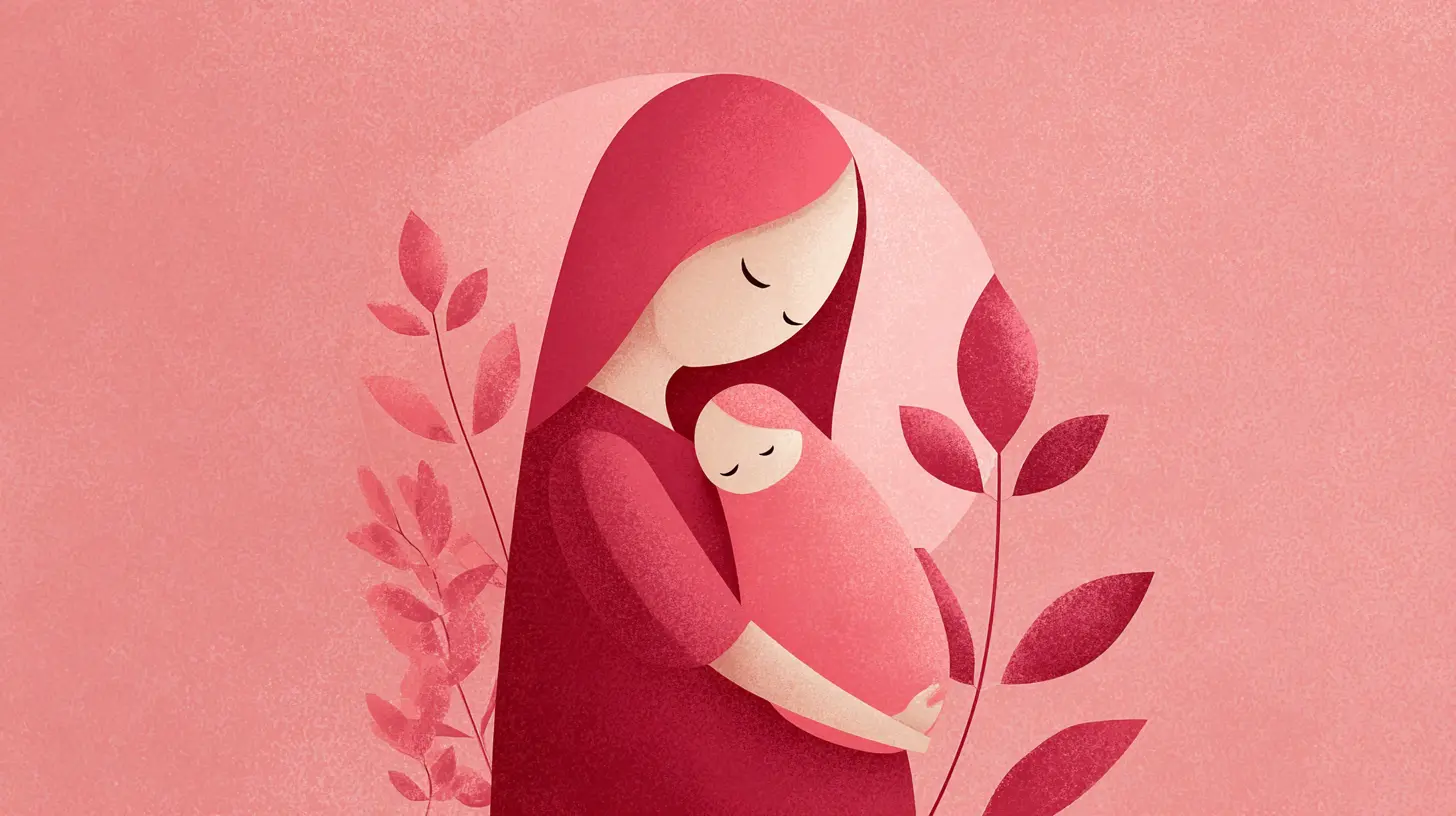
Why Partner Support Matters
Partners may not physically go through the birthing process, but their involvement in postpartum recovery is crucial. Their presence, encouragement, and hands-on approach can ease the burden on a new mom and help her feel less alone.1. Reducing the Mental Load
Mothers often take on an invisible workload—feeding schedules, diaper changes, doctor appointments, and everything in between. When a partner actively shares these responsibilities, it reduces stress and allows the mother to focus on healing.2. Encouraging Rest and Recovery
New moms tend to put themselves last. But rest is not a luxury—it’s a necessity. A supportive partner encourages naps, makes sure she eats nourishing meals, and steps in to handle nighttime duties whenever possible.3. Preventing Postpartum Depression
Studies have shown that emotional support from partners can reduce the risk of postpartum depression. A mother who feels seen, heard, and supported is less likely to struggle with extreme stress or feelings of isolation.
Practical Ways to Support a Partner During Postpartum Recovery
So, what does good postpartum support actually look like? It’s more than just saying, “Let me know if you need anything.” Here are some actionable ways you can step up.1. Take Over Household Responsibilities
Cooking, cleaning, laundry—these things don’t stop when the baby arrives. One of the easiest ways to support a new mom is by handling household chores without being asked.- Cook simple, nourishing meals
- Take care of laundry and dishes
- Keep the house tidy (or hire help if needed)
2. Be Present for Late-Night Feeds
Breastfeeding moms have an exhausting job, but partners can still help. Preparing bottles, changing diapers, and simply staying up in solidarity during those late-night feeds can make a world of difference.3. Offer Emotional Support
Sometimes, what a new mom needs most is to be heard. Listen without judgment, validate her feelings, and remind her that she’s doing an amazing job. A simple “I see how hard you’re working, and I appreciate you” can mean everything.4. Encourage Self-Care
Self-care doesn’t have to be a spa day. It can be as simple as:- Taking a long shower without interruptions
- Going for a short walk
- Having quiet time to read or nap
Give her the space to do something that makes her feel like herself again.
5. Watch for Signs of Postpartum Depression
Baby blues are normal, but if sadness, anxiety, or exhaustion seem extreme and persistent, postpartum depression might be a factor. As a partner, be observant and encourage professional help if needed.
The Long-Term Impact of Partner Support
Support during postpartum recovery doesn’t just benefit the mother—it strengthens the entire family. When a mother feels supported, she’s more likely to have a healthier recovery, bond better with the baby, and feel emotionally stable.Plus, active involvement in the early days of parenthood helps build a stronger relationship between partners. It’s a team effort, and when both parents work together, the transition into parenthood becomes smoother and more fulfilling.
Final Thoughts
Postpartum recovery is a challenging phase, but with the right support, new moms don’t have to navigate it alone. If you're a partner, remember that your role is just as important as the mother’s. Whether it’s handling chores, offering emotional support, or simply being present, your efforts make all the difference.At the end of the day, postpartum recovery isn’t just about healing from birth—it’s about building a foundation of love, teamwork, and support for the parenting journey ahead.
all images in this post were generated using AI tools
Category:
Postpartum HealthAuthor:

Madeline Howard
Discussion
rate this article
2 comments
Wren Cook
Partner support is crucial in postpartum recovery. It goes beyond just being present; it's about active involvement, understanding, and encouragement. A strong partnership can significantly ease the emotional and physical challenges new parents face, paving the way for healing and bonding.
June 20, 2026 at 4:31 AM
Madeline Howard
Absolutely, partner support is vital. Active involvement makes a huge difference in navigating the challenges of postpartum recovery and fosters deeper connections.
Claire Thomas
This article beautifully highlights the crucial role partner support plays in postpartum recovery, emphasizing the importance of compassion, communication, and shared responsibilities during this transformative time.
April 25, 2026 at 3:34 PM
Madeline Howard
Thank you for your kind words. I truly believe partner support can make a profound difference during postpartum recovery.