The Role of Omega-3 Fatty Acids in Athletic Health
9 July 2026
So, you probably know omega-3 fatty acids as “that healthy fat” found in fish, right? The one your mom tried to sneak into your dinner through salmon or your gym buddy keeps bragging about with their flaxseed smoothie? Well, buckle up because omega-3s are doing way more heavy lifting than you think—especially if you’re an athlete (or just trying to feel like one). Whether you're hitting the gym, chasing marathon medals, or just trying to keep up with a toddler, omega-3s are like your body's personal pit crew.
Let’s dive headfirst (and heart-first) into the world of omega-3s and how they play a superhero role in athletic health.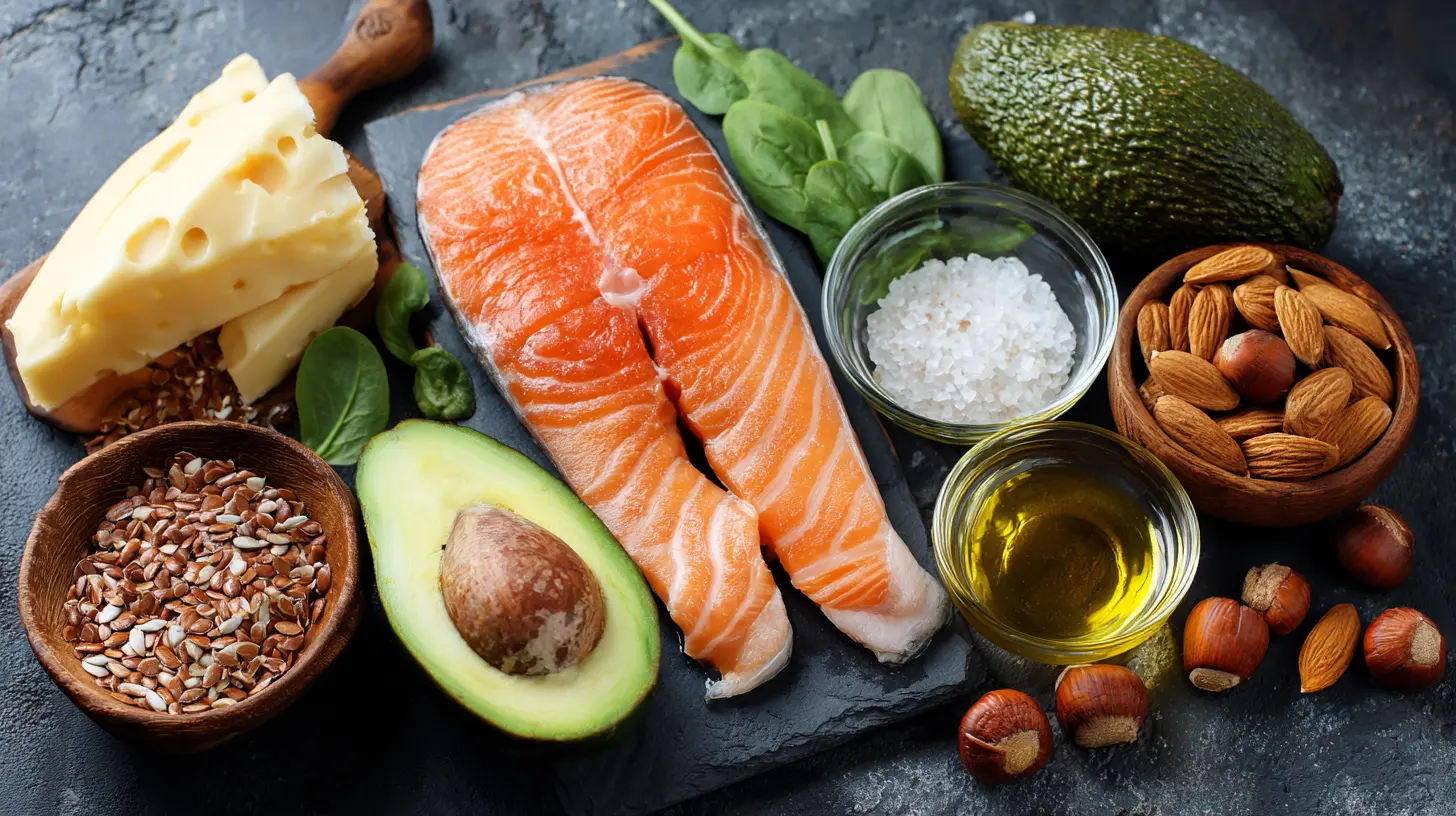
What Are Omega-3 Fatty Acids, Anyway?
Okay, before we get into the muscle-magic, let’s break down what omega-3s actually are. Basically, they’re a type of polyunsaturated fat. But not all fats are created equal—omega-3s are the MVPs of the fat world. Your body loves them, needs them, craves them. And the kicker? Your body can’t make them on its own.There are three main types of omega-3s:
- ALA (Alpha-linolenic acid) – Found mostly in plants like flaxseed, chia, and walnuts.
- EPA (Eicosapentaenoic acid) – The powerhouse found in fish like mackerel and sardines.
- DHA (Docosahexaenoic acid) – Also from fish, and vital for brain and eye health.
EPA and DHA are the real MVPs for athletes. ALA is still good, but it’s like the intern trying to do the job of a seasoned pro—it takes a lot to get the same results.
Omega-3s and Inflammation: The Recovery MVP
Let’s talk about something every athlete both dreads and respects: inflammation. Think of inflammation like your body’s fire alarm. When you work out hard, your muscles suffer tiny injuries (don’t freak out—that’s normal; it’s how you build strength). Inflammation alerts your body to start repairing those micro-tears.But here's the catch—too much inflammation can be a total buzzkill. It leads to delayed-onset muscle soreness (DOMS), longer recovery times, and sometimes more serious injuries.
Enter omega-3s, stage left.
Omega-3 fatty acids are natural inflammation fighters. They help regulate your body’s immune response so you're not constantly stuck in the red zone. Think of them like chill security guards telling your immune system, “Hey, let’s not overdo it.”
Studies have shown that regular omega-3 intake can reduce muscle soreness after workouts, improve recovery time, and even help with chronic inflammation-related issues that plague athletes—like tendonitis and joint pain.
Got Cardio? Omega-3s Love Your Heart
If you're doing anything remotely cardio—running, biking, swimming, chasing a frisbee down the beach—your heart is your engine. Omega-3s are like premium oil for that engine.How so?
- They help lower triglycerides (bad fats in your blood).
- They increase HDL (the good cholesterol).
- They help reduce blood pressure and make your arteries more flexible.
- They can even reduce the risk of dangerous heart rhythms.
And for endurance athletes, that’s kind of a big deal. Your heart needs to be in tip-top shape if it’s going to carry you through those grueling HIIT sessions or long trail runs.
Pro tip? Omega-3s can support enhanced blood flow, which means your muscles get more oxygen. More oxygen = better performance and faster recovery. Boom.
Brain Gains: Mental Focus, Mood, and Omega-3s
Athletic success isn't just physical—it’s mental, too. Let’s be real: We’ve all had days where our body’s ready to train, but our brain is like, “Meh, not today.”Omega-3 fatty acids, especially DHA, are vital for brain health. Nearly 60% of your brain is made of fat, and omega-3s are a key component of that fat. They help with:
- Cognitive function (hello, quick decision-making on the field!)
- Mood regulation (bye, pre-competition anxiety)
- Memory and focus (ideal when you’re trying to remember a new gymnastics routine or play)
Some studies even suggest omega-3s can help reduce the risk of depression and anxiety. So if you’re struggling to stay mentally sharp or emotionally balanced during intense training—omega-3s to the rescue.
Muscle Function and Omega-3s: Flex Those Gains
Now, let’s talk muscles—because no athlete ever said, “I wish my muscles worked less efficiently.”Omega-3s don’t build muscle on their own (you still have to do the hard reps!), but they enhance the muscle-building process in magical ways:
- They improve muscle protein synthesis—a fancy term for how your body builds muscle.
- They boost insulin sensitivity, which helps muscles absorb nutrients better.
- They may help reduce muscle loss, especially if you’re aging (yeah, it happens).
So if you’re pumping iron and want to make every rep count, omega-3s are like the quiet spotter helping you lift just a little more.
Joint Health: Omega-3s, the Lubricant Your Body Cheers For
No one wants to be sidelined with cranky knees or creaky shoulders. Joint pain is the silent killer of athletic dreams. But omega-3s? They tag in like a champion.These fatty acids reduce stiffness, improve mobility, and may even slow the progression of diseases like arthritis. For athletes with high joint loads—like runners, lifters, or basketball players—this is gold.
Think of omega-3s as WD-40 for your joints—they keep everything moving smoothly.
Immune System Backup? Yep, Omega-3s Do That Too
Let’s face it: Nothing derails training faster than getting sick. All the gains in the world won’t matter if you’re stuck on the couch with a cold.Omega-3s give your immune system a nice little boost. They help balance immune responses (so you're not overreacting or underreacting), and some research suggests they even improve your resistance to infections.
Train hard. Recover smart. Stay healthy. That’s the trifecta—and omega-3s help hit all three.
Where Can You Get Omega-3s?
You’ve probably heard that fatty fish is the go-to. And it’s true! Here are some omega-3 superstars:- Salmon – about 4,000 mg per serving
- Mackerel – jam-packed with EPA and DHA
- Sardines – they may be tiny, but they pack a punch
- Anchovies – great on pizza or salad (don’t hate until you try it!)
Not a fish fan? No sweat. You can also get omega-3s from:
- Chia seeds
- Flaxseeds
- Walnuts
- Algal oil – a vegan source of DHA, straight from marine algae
- Supplements – fish oil or krill oil (just make sure it's high-quality and tested for contaminants)
Pro tip: Keep those omega-3-rich foods cold and in the fridge. Heat and light can break down the good fats.
How Much Should You Take?
Here's the thing—the optimal dosage can vary depending on your goals. But for most active adults, around 1,000–3,000 mg of combined EPA and DHA daily is a solid starting point.If you’re an elite athlete putting your body through the wringer, or if you’re recovering from injury, you might benefit from higher doses (under doctor supervision, of course).
Also, don’t expect overnight miracles. It can take a few weeks before you start noticing the benefits of omega-3s—so stay consistent. Your body (and performance) will thank you.
Any Side Effects? (Spoiler: Not Many)
For most people, omega-3s are super safe. The most common side effect? Fishy burps. (Ew, I know.)But you can dodge that by:
- Taking fish oil supplements with food
- Freezing your capsules before you take them
- Trying a burpless or enteric-coated version
Of course, if you’re on blood thinners or have a bleeding disorder, check with your doc before going heavy on the omega-3s—they can slightly thin the blood.
Final Thoughts: Small Fat, Big Gains
At the end of the day, omega-3s are like that underappreciated teammate who never brags but always delivers. They reduce inflammation, support brain and heart health, protect your joints, speed up recovery, and even help with muscle growth.Whether you’re chasing a gold medal or just trying to stay active and healthy, omega-3s deserve a spot in your starting lineup.
So next time you throw some salmon on the grill or pop that fish oil capsule, give a little nod of respect. That little fat just might be your athletic secret weapon.
all images in this post were generated using AI tools
Category:
Sports NutritionAuthor:

Madeline Howard
Discussion
rate this article
1 comments
Felicity Clarke
Omega-3 fatty acids are a game changer for athletes. They boost performance, reduce inflammation, and support recovery. Make them a vital part of your nutrition for optimal health and success.
July 12, 2026 at 2:56 AM
Madeline Howard
I completely agree. Omega-3s can significantly enhance athletic performance and recovery. They're essential for any serious athlete's nutrition plan.