The Role of Healthy Fats in an Athlete’s Diet
14 July 2026
When you think of an athlete’s diet, what comes to mind? Probably protein shakes, lean meats, and complex carbs. But what about fats? For years, fats have been demonized as the enemy of performance and health. However, recent research tells a different story—healthy fats are actually crucial for athletic success.
If you’re an athlete (or just someone who loves to stay active), understanding the role of fats in your diet can be a game-changer. Let’s break it down and see why good fats deserve a spot on your plate.
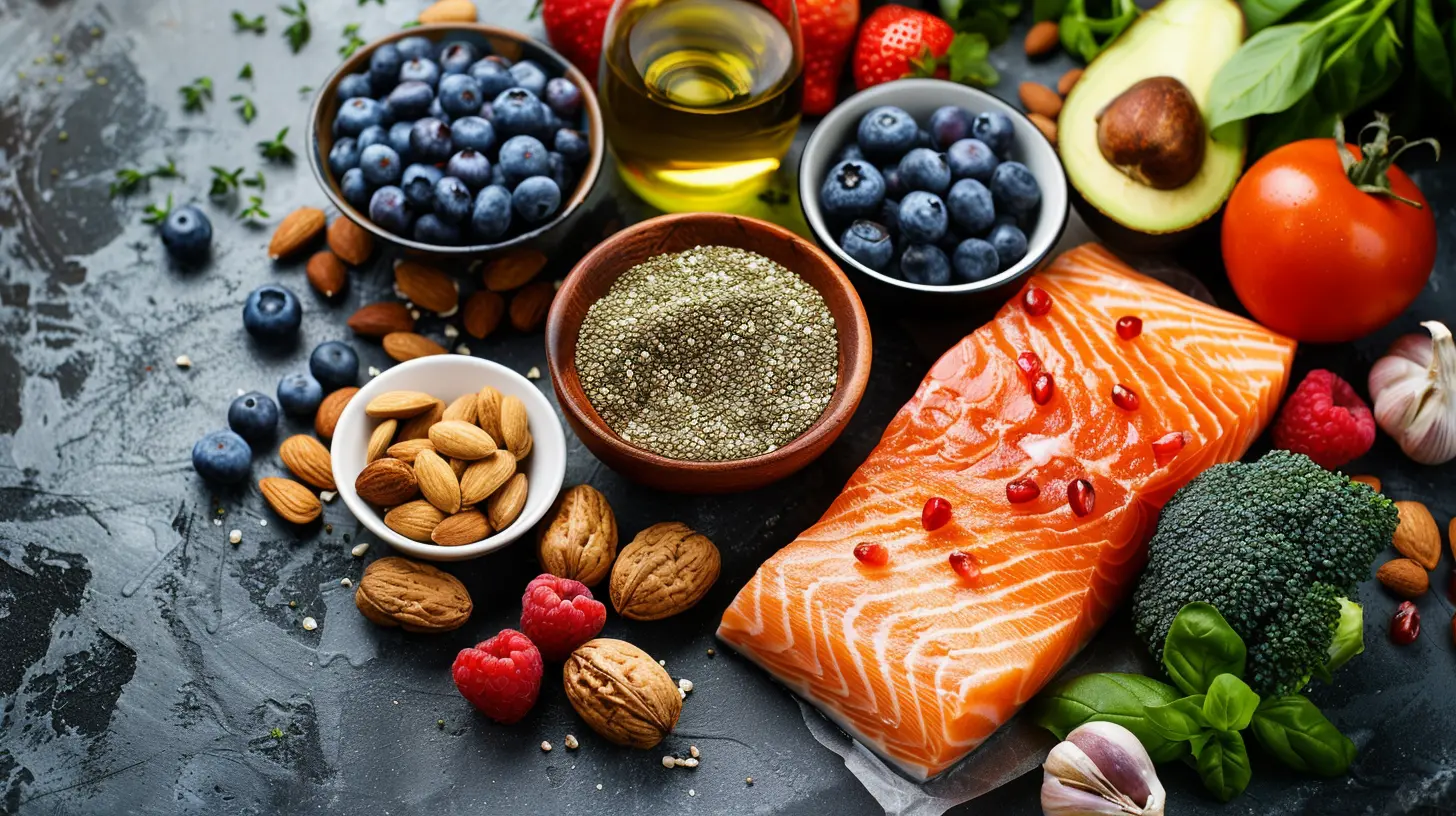
Understanding Fats: The Good, the Bad, and the Misunderstood
Not all fats are created equal. Some are essential for optimal health, while others can be harmful when consumed in excess. Before we dive into the benefits of fats for athletes, let's take a quick look at the three main types of dietary fats:1. Unsaturated Fats – The MVPs of an Athlete’s Diet
These are the healthy fats your body loves. They come in two forms:- Monounsaturated fats (MUFAs) – Found in foods like avocados, olive oil, and nuts, these fats support heart health and reduce inflammation.
- Polyunsaturated fats (PUFAs) – These include omega-3 and omega-6 fatty acids, which are crucial for brain function, joint health, and muscle recovery. You’ll find them in fatty fish, flaxseeds, and walnuts.
2. Saturated Fats – Not the Villains We Once Thought
For a long time, saturated fats were blamed for heart disease and other health issues. But current research suggests that, in moderation, they’re not as harmful as once believed. Foods like coconut oil, grass-fed butter, and dairy contain saturated fats that can provide energy for endurance athletes.3. Trans Fats – The Ones to Avoid
Artificial trans fats, found in processed foods like margarine and fried snacks, are the real enemies. They increase bad cholesterol (LDL) and lower good cholesterol (HDL), raising the risk of heart disease. If you’re serious about your health and performance, steer clear of these.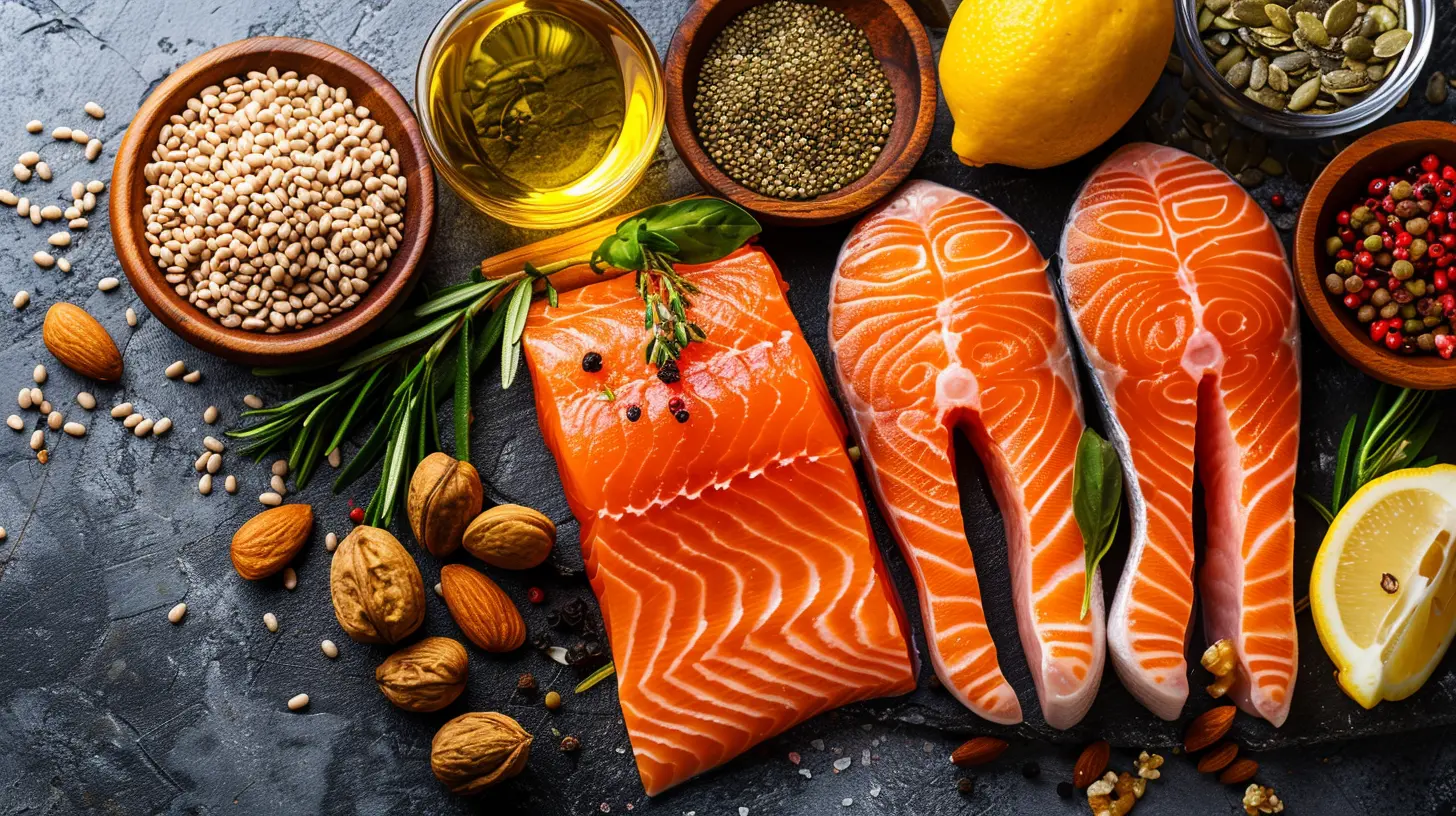
Why Do Athletes Need Healthy Fats?
Now that we know which fats are friends and which are foes, let’s explore why fats are essential for athletes.1. Fats Provide Long-Lasting Energy
Carbs might be the go-to energy source for quick bursts of activity, but fats are the slow-burning fuel your body taps into during endurance sports like marathons, cycling, and long training sessions. Once your glycogen stores (from carbs) run out, your body relies on fats to keep you moving.2. Supports Hormone Production
Testosterone, estrogen, and other hormones that influence muscle growth, recovery, and overall performance rely on fats for proper production. A diet lacking in healthy fats can lead to imbalances that negatively impact strength and endurance.3. Reduces Inflammation and Speeds Up Recovery
Hard workouts put stress on your muscles and joints, leading to inflammation. Omega-3 fatty acids, found in fish and flaxseeds, help combat this inflammation, reducing soreness and improving recovery time. The faster you recover, the quicker you can get back to training.4. Improves Brain Function and Focus
Athletic performance isn’t just physical—it’s mental too. Fats, particularly omega-3s, support brain function, helping with focus, reaction time, and decision-making. Whether you're on the field or in the gym, staying sharp gives you an edge over the competition.5. Enhances Nutrient Absorption
Certain vitamins, like A, D, E, and K, are fat-soluble. This means your body needs fats to absorb them properly. Without enough fat in your diet, you might miss out on essential nutrients that support muscle function, immunity, and overall health.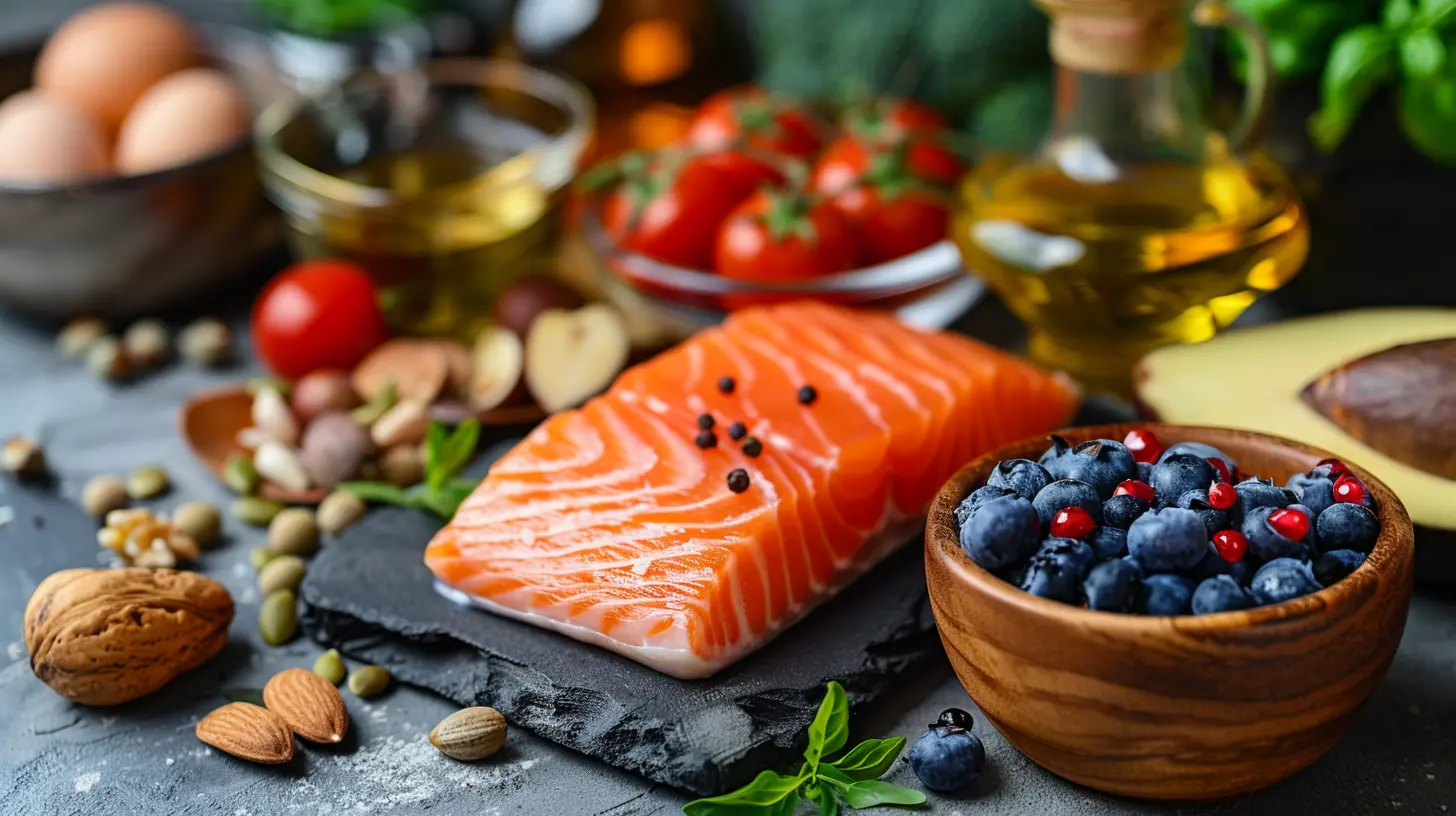
Best Sources of Healthy Fats for Athletes
Now that we know why fats matter, where should you get them from? Here are some of the best fat-rich foods to include in your diet:1. Avocados
A powerhouse of monounsaturated fats, avocados help with energy, recovery, and reducing inflammation. Plus, they contain fiber and potassium, both essential for muscle function.2. Fatty Fish (Salmon, Tuna, Mackerel)
Loaded with omega-3 fatty acids, these fish support heart health, brain function, and muscle recovery. Aim for at least two servings per week.3. Nuts and Seeds
Almonds, walnuts, flaxseeds, and chia seeds pack a punch when it comes to healthy fats, protein, and fiber. They’re great as snacks or added to smoothies and meals.4. Olive Oil
A staple of the Mediterranean diet, extra virgin olive oil is rich in antioxidants and anti-inflammatory properties. It’s perfect for drizzling over salads or cooking at low temperatures.5. Coconut Oil
While high in saturated fats, coconut oil contains medium-chain triglycerides (MCTs), which are easily digested and provide quick energy—ideal for high-intensity athletes.6. Eggs
Egg yolks contain healthy fats, vitamins, and cholesterol, which help with hormone production and muscle repair. Don’t ditch the yolks – they’re packed with nutrition!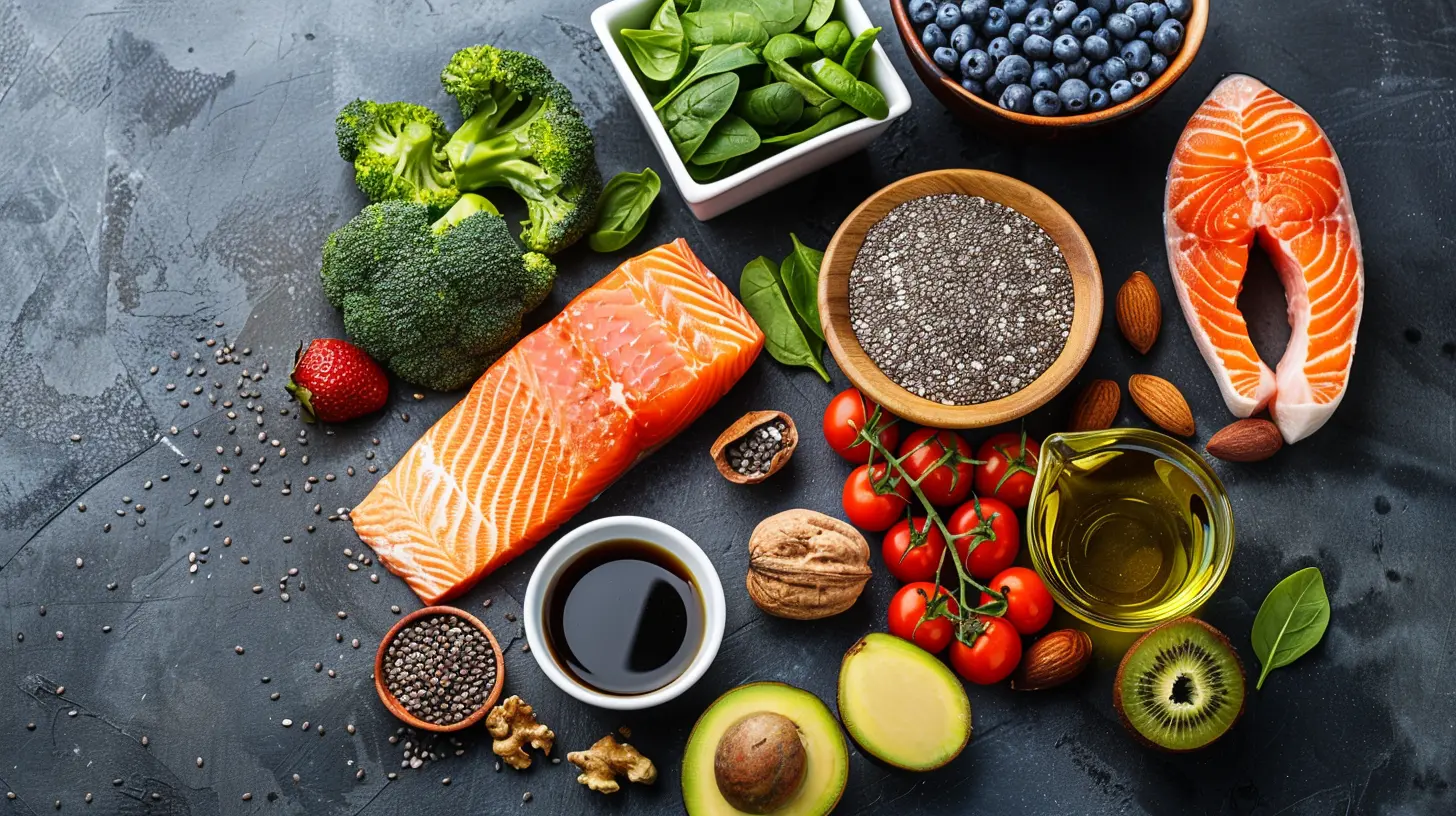
How Much Fat Should Athletes Eat?
The amount of fat you need depends on your sport, training intensity, and overall diet. However, a good guideline is:- 20-35% of your total daily calories should come from fats.
- Prioritize unsaturated fats while consuming saturated fats in moderation.
- Avoid trans fats altogether.
For endurance athletes, a slightly higher fat intake may be beneficial since their bodies rely more on fat for fuel during prolonged activity.
Common Myths About Fats and Athletes
1. "Fats Make You Fat"
Nope! Eating fat doesn’t automatically lead to weight gain. It’s excessive calorie intake (from any source) and poor food choices that contribute to fat storage.2. "Carbs Are the Only Important Fuel Source"
Carbs are vital, but fats provide energy for long-duration activities. A balanced intake of both is key to sustained performance.3. "Low-Fat Diets Are Better for Athletes"
Going too low in fat can hurt hormone production, recovery, and energy levels. Cutting out healthy fats can do more harm than good.
Balancing Fats with the Rest of Your Diet
While healthy fats are important, balance is everything. Here’s how to make sure your diet supports peak performance:- Pair fats with proteins and carbs for optimal energy and recovery.
- Eat whole, unprocessed foods rather than relying on packaged or fried foods.
- Time your fat intake wisely – avoid heavy fats right before a workout, but include them in meals throughout the day.
Final Thoughts
Healthy fats aren’t just a sidekick in an athlete’s diet—they’re a crucial player. From fueling long workouts to supporting recovery and brain function, fats deserve a place on your plate. So next time you’re planning your meals, don’t fear the fat—embrace it. Your body (and performance) will thank you.all images in this post were generated using AI tools
Category:
Sports NutritionAuthor:

Madeline Howard
Discussion
rate this article
1 comments
Oriana Jimenez
Healthy fats are essential for athletes, providing energy, supporting recovery, and promoting overall health. Prioritize sources like avocados, nuts, and olive oil.
July 18, 2026 at 4:00 AM
Madeline Howard
Absolutely! Healthy fats are crucial for athletes. They fuel performance and aid recovery, so including foods like avocados, nuts, and olive oil is a smart choice.