The Role of Fiber in an Athlete’s Diet: What You Should Know
30 May 2026
Introduction
When athletes think about nutrition, they often focus on protein for muscle recovery, carbs for energy, and fats for sustained performance. But what about fiber? It’s not the most glamorous nutrient, but it plays a vital role in digestion, energy levels, and overall health.
If you've ever wondered how fiber fits into an athlete’s diet, you’re in the right place. Let’s break it down and see why this often-overlooked nutrient deserves more attention in your meal plan.
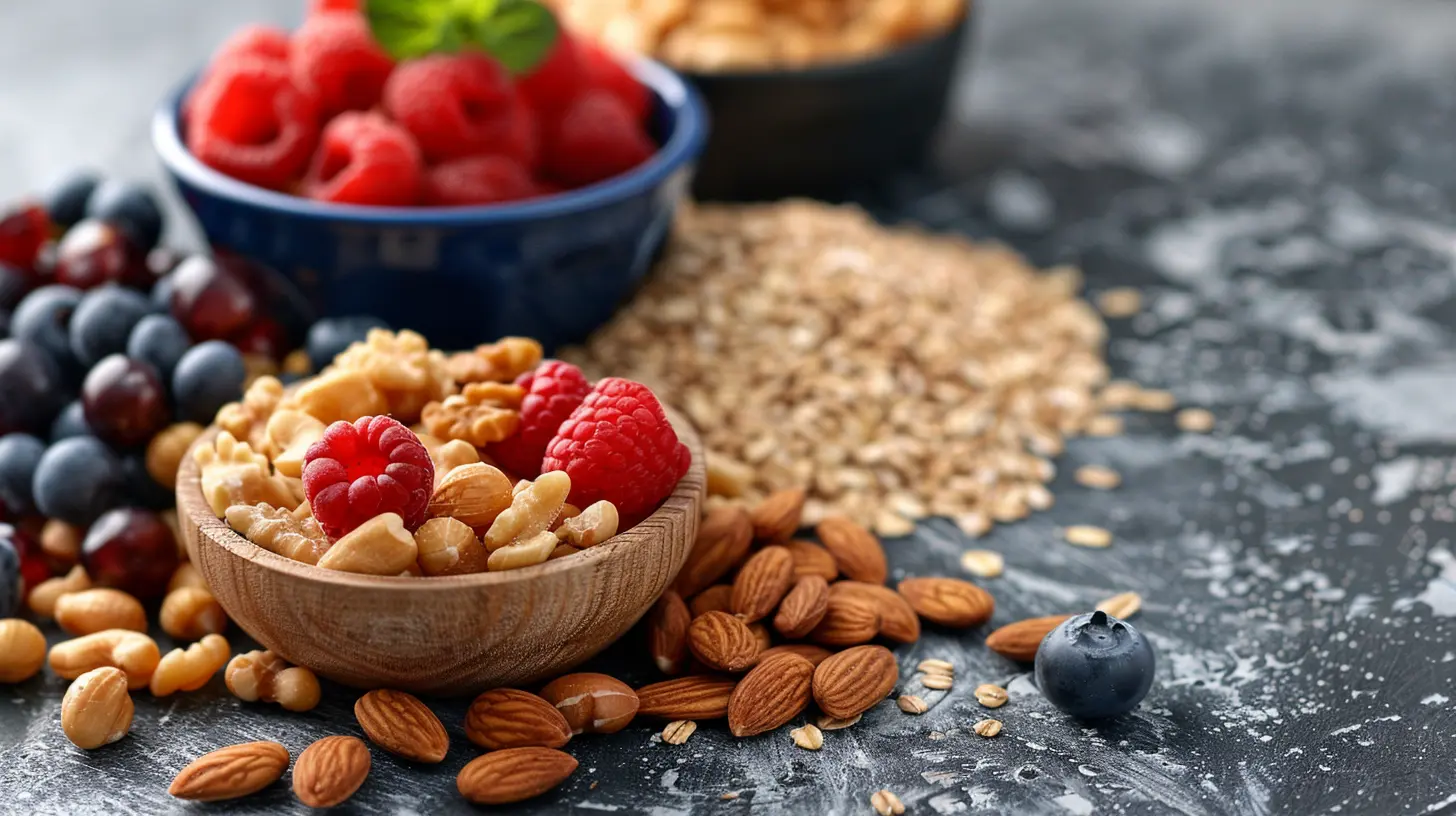
What is Fiber, and Why Does It Matter?
Fiber is a type of carbohydrate that our bodies can’t digest. Instead of breaking it down for fuel, fiber moves through our digestive system, keeping things running smoothly. There are two main types of fiber:- Soluble fiber dissolves in water and forms a gel-like substance in the gut, helping regulate blood sugar and lower cholesterol.
- Insoluble fiber doesn’t dissolve in water and adds bulk to stool, aiding digestion and preventing constipation.
For athletes, both types are essential. They help with digestion, nutrient absorption, and even energy regulation—all critical factors for peak performance.
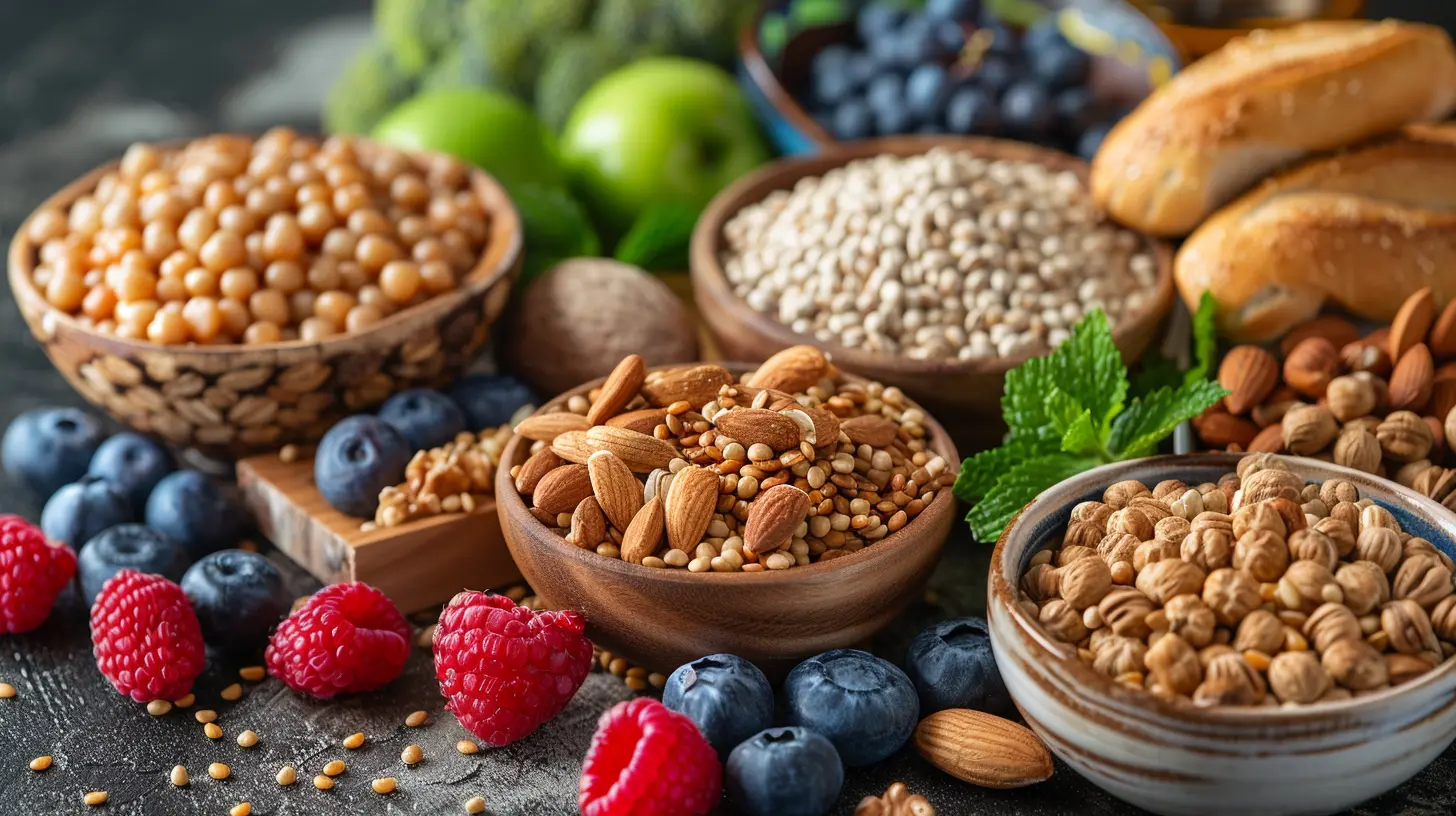
Why Is Fiber Important for Athletes?
Athletes need fiber for several reasons, but let’s focus on the most important benefits.1. Supports Digestive Health
Ever had stomach issues right before a race or a big game? Digestion plays a major role in athletic performance, and fiber helps keep it in check. A steady intake of fiber ensures regular bowel movements, reduces bloating, and prevents constipation—all things you don’t want to deal with in the middle of competition.2. Sustains Energy Levels
While fiber itself isn’t an energy source, it plays a role in how your body processes other nutrients. Fiber slows down digestion, leading to a gradual release of glucose into the bloodstream. This helps prevent energy spikes and crashes, keeping you fueled for longer workouts.3. Aids in Weight Management
Athletes don’t just eat for performance—they also need to maintain a healthy weight. Fiber helps with satiety, meaning you feel fuller for longer. This can prevent unnecessary snacking or overeating, which is crucial for maintaining optimal body composition.4. Improves Gut Health
A healthy gut means better nutrient absorption, and fiber plays a key role in maintaining a thriving gut microbiome. Beneficial gut bacteria feed on fiber, producing short-chain fatty acids (SCFAs) that contribute to overall health. A strong gut can also reduce inflammation, which is a big deal for athletes recovering from intense training sessions.5. Regulates Blood Sugar Levels
Athletes rely on carbohydrates for quick energy, but rapid spikes and crashes in blood sugar can be detrimental. Fiber helps slow the absorption of sugars, leading to more stable energy levels. This is especially useful for endurance athletes who need consistent fuel over long periods.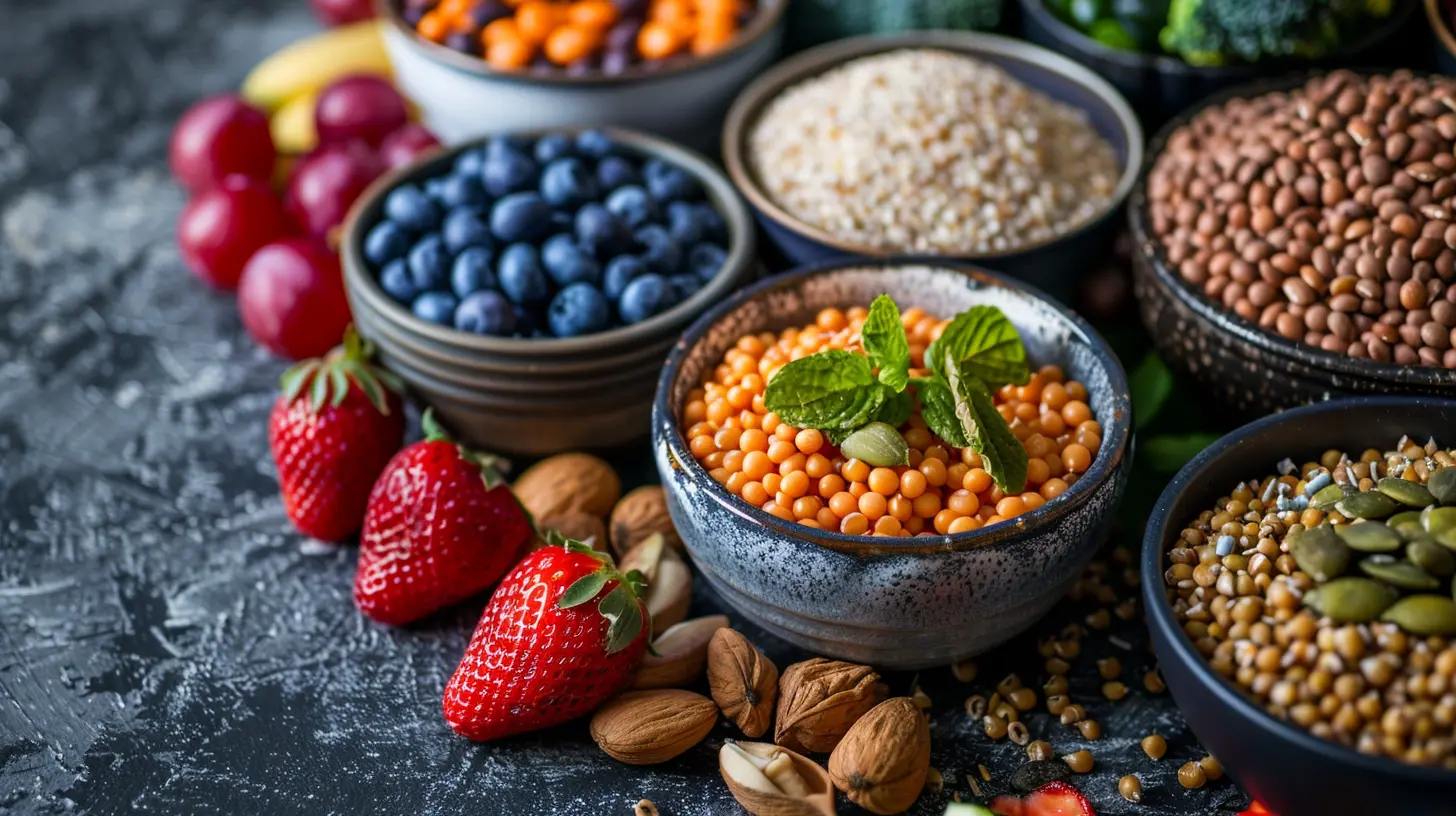
How Much Fiber Do Athletes Need?
The general recommendation for fiber intake is:- Men: About 38 grams per day
- Women: Around 25 grams per day
Athletes, depending on their training intensity and dietary needs, may require slightly more. However, consuming too much fiber can lead to bloating, gas, and digestive discomfort—especially if increased too quickly.

The Best High-Fiber Foods for Athletes
So, where should you get your fiber? Here are some top choices that won’t just add fiber to your diet but also provide essential vitamins and minerals:1. Fruits
- Apples- Bananas
- Berries (strawberries, blueberries, raspberries)
- Oranges
- Pears
2. Vegetables
- Spinach- Carrots
- Broccoli
- Sweet potatoes
- Brussels sprouts
3. Whole Grains
- Oats- Brown rice
- Quinoa
- Whole wheat bread & pasta
- Barley
4. Legumes
- Lentils- Chickpeas
- Black beans
- Kidney beans
- Peas
5. Nuts & Seeds
- Chia seeds- Flaxseeds
- Almonds
- Walnuts
- Sunflower seeds
Including a mix of these foods throughout your day ensures you get a good balance of soluble and insoluble fiber.
When Should Athletes Eat Fiber?
Timing matters when it comes to fiber intake. Eating too much fiber right before a workout can cause digestive discomfort, bloating, and even cramping. Here’s a good approach:- Before a workout: Keep fiber intake low (stick to easily digestible carbs & protein).
- After a workout: Prioritize protein and carbs first, then add fiber-rich foods later.
- On rest days: Load up on fiber to support digestion and overall health.
The key? Balance. You want enough fiber to keep digestion healthy without interfering with your ability to train and perform.
Can Too Much Fiber Be Harmful?
Yes. While fiber is important, going overboard can lead to bloating, gas, and even diarrhea—things no athlete wants to deal with. If you’re suddenly increasing your fiber intake, do it gradually and drink plenty of water to help your body adjust.Signs you might be eating too much fiber include:
- Constant bloating
- Frequent gas
- Stomach cramps
- Loose stools
If you notice these symptoms, try cutting back slightly and see how your body responds.
Final Thoughts
Fiber may not be the first thing that comes to mind when planning an athlete’s diet, but it’s a crucial piece of the puzzle. From digestive health to sustained energy levels and improved gut health, fiber offers numerous benefits that can enhance overall performance.The key is to consume the right amount, choose the best sources, and time your intake appropriately. By doing so, you’ll support your body's needs while avoiding any unwanted digestive issues.
So next time you plan your meals, don’t just count your protein and carbs—make sure fiber gets a spot on your plate as well!
all images in this post were generated using AI tools
Category:
Sports NutritionAuthor:

Madeline Howard
Discussion
rate this article
2 comments
Ford McGeehan
Great article! It's refreshing to see how fiber's benefits are highlighted for athletes. Incorporating the right amount can truly enhance performance and recovery. Understanding nutrition is key, and this piece offers valuable insights. Keep sharing these tips for a healthier, stronger athletic community!
August 8, 2026 at 3:49 AM
Madeline Howard
Thanks for your feedback! I'm glad you found the article helpful. Fiber really can make a difference for athletes. More tips are on the way!
Patrick McMichael
Fiber might not be the star athlete, but it sure plays a vital role on the team. It's like the unsung hero that keeps everything running smoothly. So, load up on those veggies and grains-your gut and performance will thank you!
June 18, 2026 at 2:48 AM
Madeline Howard
Absolutely! Fiber may not get the spotlight, but it's essential for overall health and performance. Veggies and grains are key players for any athlete's diet.