The Mental Health Benefits of Exercising at Home
10 July 2026
Let’s be real for a second—we all know how good it is to move our bodies. But sometimes, dragging ourselves to the gym or joining a workout class feels like trying to climb a mountain in flip-flops. Now, what if I told you that you can enjoy all the mental health benefits of exercise without ever leaving your house? Yep, that’s right. Exercising at home isn’t just convenient—it’s also a total game changer for your mental well-being.
In this post, we're diving deep into the mental health benefits of exercising at home. We’ll cover everything from how it reduces stress and anxiety to how it boosts your mood, self-esteem, and even your sleep. So grab a smoothie, get comfy, and let’s chat.
Why Mental Health Matters More Than Ever
Before we jump into the benefits, let's just take a moment to acknowledge something: Mental health is just as important as physical health. Actually, they’re like peanut butter and jelly—better together.In today’s fast-paced world filled with social media comparisons, job stress, and a never-ending to-do list, taking care of your mind is no longer optional. If you’ve been feeling overwhelmed, anxious, or just plain stuck, know that you are not alone. There’s a powerful (and often underrated) tool sitting right at your feet—exercise.
The Magic of Movement: How Exercise Impacts the Mind
You’ve probably heard that exercise releases "feel-good" chemicals. That’s not just wellness babble—it’s science. When you get your heart pumping, your body releases endorphins, dopamine, and serotonin. These are the chemicals that help regulate mood, reduce pain, and boost overall feelings of well-being.But the benefits go way beyond a post-workout high. Regular exercise helps rewire the brain, making it more resilient to stress and anxiety. It improves blood flow to the brain, supports healthy sleep cycles, and even encourages the growth of new brain cells. Yeah, it’s that powerful.
Why Exercising at Home Is the Best-Kept Secret for Mental Wellness
Let’s face it—life is busy. Between work, family, and maybe even school, squeezing in time for self-care can feel impossible. That’s where home workouts come in. They’re simple, flexible, and 100% customizable.Here’s why exercising at home can be a mental health lifesaver:
1. No Pressure, No Comparison
Gyms can be intimidating. From the perfectly-toned bodies to the awkward stares, it’s easy to feel judged. At home? None of that. You get to move your body free from comparison or pressure. It's just you, your workout, and your goals. This creates a safe and supportive space that fosters self-acceptance and confidence.2. Total Flexibility to Fit Your Mood
Feeling high-energy and ready to sweat? Awesome—throw on a HIIT video. Feeling low and drained? No worries—a gentle yoga flow or stretching session might be exactly what you need.When you work out at home, you can tailor your routine based on how you feel mentally and physically. That level of flexibility is key in honoring your mental health, especially during challenging times.
3. Save Time and Cut Out Excuses
Let’s be honest, the biggest excuse we make about working out is not having time. But when your workout is literally a few feet away from your living room, you remove that barrier. And when the process is easier, you’re more likely to stick with it—consistency is where the magic happens.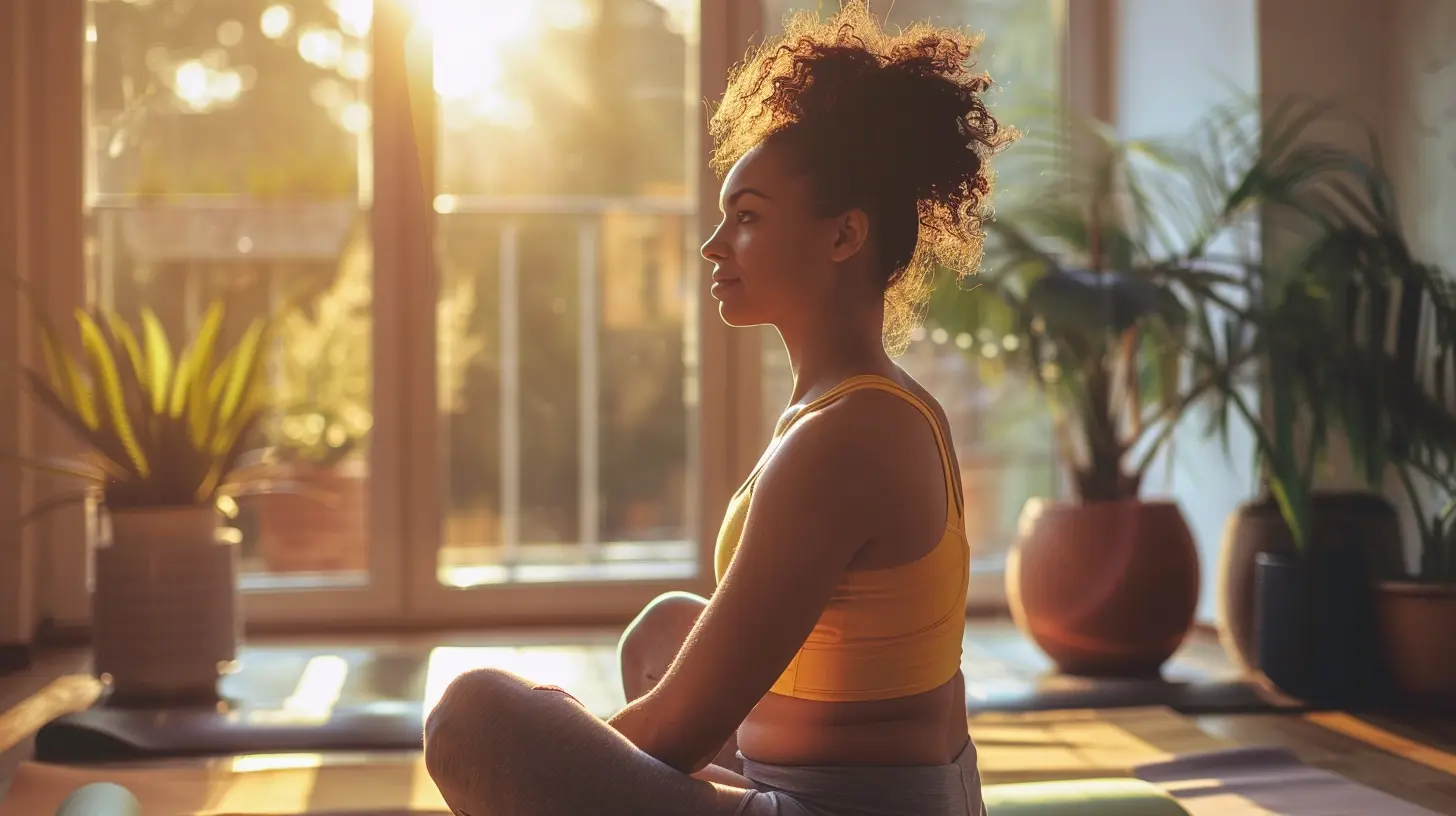
Breaking It Down: Specific Mental Health Benefits of Home Workouts
Alright, now let’s get into the nitty-gritty. Here’s what actually happens to your mental health when you start moving your body at home.1. Reduces Stress, Naturally
Ever finish a workout and feel like a weight’s been lifted off your shoulders? That’s not your imagination. Physical activity lowers cortisol, the stress hormone, and increases relaxing neurotransmitters. When you're moving at home—even if it’s just dancing in your kitchen—you give your brain a chance to reset.Pro tip? Try working out first thing in the morning to set a calming tone for your entire day.
2. Helps with Anxiety & Depression
Studies consistently show that exercise can be just as effective as medication for mild to moderate depression. Yep, it’s that legit. Exercise helps release endorphins (your brain’s natural painkiller and mood booster) and reduces inflammation, which is linked to depression.Anxious mind? Moving your body gives you a mental break. It’s like hitting the mute button on your brain chatter.
3. Boosts Self-Esteem and Confidence
There’s something empowering about pushing through a challenging workout—even if it’s just ten minutes. You begin to see what your body can do, and that confidence starts to spill into other areas of your life.And it’s not about having six-pack abs. It’s about showing up for yourself, and proving you can be consistent, strong, and capable.
4. Encourages Better Sleep
Raise your hand if you’ve ever laid in bed wide awake with your mind racing. Same here. Here’s some good news: regular exercise helps regulate your sleep cycle and increases the amount of deep sleep you get at night.A short evening stretch session or bedtime yoga flow in your living room? Perfect way to signal to your body that it’s time to wind down.
5. Boosts Cognitive Function
Ever walk away from a workout feeling sharper? That’s because activity increases blood flow and oxygen to the brain. It improves memory, concentration, and mental clarity. Basically, it’s like giving your brain a hot cup of coffee—without the caffeine crash.6. Creates a Sense of Routine
There’s comfort in routine—especially when the world feels chaotic. Having a home workout habit gives structure to your day, something psychologists say is crucial for mental stability.You don’t need to follow a strict schedule. Just having a go-to, at-home exercise plan (even if it’s just 20 minutes a day) can bring a calming sense of order.
Finding Your Groove: How to Create a Home Workout Routine That Sticks
So how do you actually get started? And more importantly, how do you keep going when motivation dips? Here are a few simple steps:Start Small
If you’re totally new to exercise, don’t jump into hour-long workouts every day. Start with 10–15 minutes. Maybe that’s a gentle walk around the house or a five-minute dance break between Zoom calls. Every little bit adds up.Make It Fun!
Not into squats and lunges? No problem. Try dancing, Pilates, yoga, martial arts, or even hula hooping. There are tons of free apps and YouTube channels that cater to all fitness levels and preferences.Set the Mood
Light a candle, play your favorite playlist, wear something that makes you feel good—even if it’s pajamas. Create a vibe that makes you want to show up.Track How You Feel, Not Just How You Look
Instead of obsessing over physical results, focus on how you feel before and after workouts. Are you less stressed? More focused? Happier? Journaling your mental shifts can be super motivating.Common Myths About Exercising at Home (And Why They’re Totally Wrong)
Let’s bust some myths real quick:- "You need fancy equipment." Nope. Your body weight is a powerful tool. You can do squats, push-ups, yoga flows, and so much more with zero gear.
- "It’s not as effective." Also wrong. Consistency is what counts most—and you’re more likely to stick with something that fits easily into your life.
- "I don’t have space." A small corner of your room or even just a yoga mat’s worth of space is enough to get moving.
Final Thoughts: Your Mental Health Deserves Movement
Here’s the bottom line: You don’t need to be a fitness guru to enjoy the mental health benefits of exercise. You don’t even need to leave your house. Whether it’s a 10-minute yoga flow, dancing like nobody’s watching, or crushing a strength circuit in your living room—moving your body is one of the best gifts you can give your mind.So the next time you’re feeling overwhelmed, stressed, or down, pop on your favorite playlist and move a little. Your brain will thank you.
all images in this post were generated using AI tools
Category:
Home WorkoutsAuthor:

Madeline Howard
Discussion
rate this article
1 comments
Thornewood Torres
Great article! Exercising at home is a powerful way to boost mental health. It's convenient and can fit into any routine. Keep moving and stay positive!
July 14, 2026 at 3:11 AM
Madeline Howard
Thank you! I'm glad you found it helpful. Home workouts really do make a difference for mental health. Keep it up!