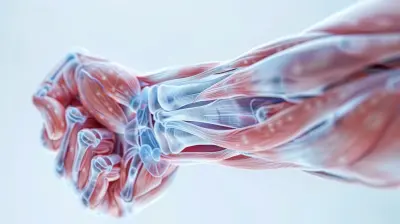
The Importance of Magnesium and Potassium in Muscle Function
3 December 2025
When we talk about muscle strength, endurance, and recovery, most people immediately focus on protein. And yep, protein is essential—but there are two unsung heroes that don’t get nearly enough credit: magnesium and potassium. Seriously, these two minerals are total MVPs when it comes to keeping your muscles moving and functioning the way they should.
In this post, we're going to dive deep into the importance of magnesium and potassium in muscle function. We'll break down what these minerals do, how they work together, and what happens when you're not getting enough. Ready? Let’s go!
Why Muscle Function Even Matters
Okay, quick question: what's the one thing you use all day, every day, without even thinking about it?Your muscles.
From blinking your eyes to running marathons—your muscles are working nonstop. Whether you're a gym junkie, a weekend warrior, or someone who just wants enough energy to get through the day without crashing by 3 p.m., your muscles play a starring role.
But muscles don’t operate on their own. They rely on certain nutrients—especially electrolytes—to contract and relax properly. That’s where magnesium and potassium come in.
Meet the Minerals: Magnesium & Potassium 101
Let’s break down each one a bit, shall we?What is Magnesium?
Magnesium is a mineral found naturally in the earth... and in your body. It plays a role in over 300 biochemical reactions. That’s right—300! It helps with everything from regulating nerve function to keeping your heartbeat steady. But one of its biggest gigs? Supporting muscle contraction and relaxation.What is Potassium?
Potassium is another crucial electrolyte your body needs. It works closely with sodium to maintain your body’s fluid balance and ensure proper nerve signaling. And yep—you guessed it—it’s super important for muscle contraction too.So both magnesium and potassium are like behind-the-scenes directors making sure every muscle movement happens at the right time, in the right way.
Why Magnesium Matters for Your Muscles
Imagine trying to drive your car with a dead battery. That’s kind of what it’s like for your muscles if you're low on magnesium. Let’s break it down.Muscle Contraction & Relaxation
Magnesium helps regulate calcium levels in the muscle cells. Calcium makes muscles contract; magnesium helps them relax. It's basically the “calm down” mineral.Without enough magnesium? Your muscles might cramp, twitch, or even stay contracted longer than they should. Ever had a charley horse in the middle of the night? That could be magnesium waving a red flag.
Energy Production
Magnesium is key in converting food into energy. If you’re low in magnesium, your energy levels dip—and so does your muscular endurance. That workout that used to feel like a breeze? Suddenly it feels like climbing Mount Everest.Recovery + Muscle Soreness
After a tough workout, your muscles need time to recover. Magnesium helps reduce inflammation and support muscle repair. It can even help ease muscle soreness, so you’re not hobbling around the day after leg day.
Why Potassium is a Big Deal Too
If magnesium is the “relax” mineral, potassium is the “stay-in-the-zone” one. It keeps your muscles humming along smoothly and prevents them from going haywire.Electrolyte Balance = Muscle Harmony
Potassium is essential for maintaining proper electrolyte balance in and around cells. Think of it like a bouncer for your cells—keeping unwanted stuff out and making sure the right stuff stays in.This balance is vital for proper muscle contractions. If the balance is off? Hello, cramps and fatigue.
Nerve Impulses That Fire Muscles
Your brain tells your muscles what to do through nerve impulses. Potassium plays a central role here, helping “spark” that message and get it from your brain to your muscles. Without enough potassium, the message gets fuzzy or doesn’t get through at all. Result? Weak or sluggish muscles.Blood Pressure + Heart Muscle Function
Let’s not forget your most important muscle—your heart. Potassium helps regulate blood pressure and keeps your heart beating at a healthy rhythm. A deficiency can lead to arrhythmias or even worse.When Things Go Wrong: Signs of Deficiency
Let’s be real—our modern diets aren't always the best. Processed foods and fast food often lack these key nutrients. Combine that with stress, medications, and overtraining, and you’ve got a recipe for deficiency.Here’s how your body might be trying to tell you it needs more magnesium or potassium:
Magnesium Deficiency Symptoms:
- Muscle cramps and spasms- Fatigue or weakness
- Insomnia or trouble sleeping
- Numbness or tingling
- Anxiety or mood swings
Potassium Deficiency Symptoms:
- Muscle weakness- Cramping or twitching
- Irregular heartbeat
- Constipation
- Fatigue and dizziness
Sound familiar? You’re not alone. Many people are walking around with suboptimal levels without even knowing it.
How Magnesium and Potassium Work Together
You know Batman and Robin? That’s magnesium and potassium in the muscle world.They balance each other out—where one picks up, the other helps carry through. Potassium helps muscles contract, while magnesium helps them relax. Without them working in sync, you’re either too tense or too limp. It’s a fine dance, and both are needed to keep things steady.
Best Food Sources for Magnesium and Potassium
Alright, so how do you make sure you’re getting enough?Foods Rich in Magnesium:
- Spinach and leafy greens- Pumpkin seeds
- Almonds
- Avocados
- Black beans
- Dark chocolate (Yes, please!)
Foods High in Potassium:
- Bananas (of course!)- Sweet potatoes
- White beans
- Coconut water
- Oranges
- Salmon
Pro Tip: Whole foods are the best source. Supplements can help in a pinch, but getting your minerals naturally ensures better absorption and fewer side effects.
Can You Have Too Much?
Like anything in life—balance is key.Too much magnesium (especially from supplements) can lead to diarrhea or stomach upset. Severe overdoses can affect heart rhythm.
Excessive potassium is rare from food alone but can be dangerous, especially for those with kidney issues. Always check with your doctor before supplementing, especially if you're on medication.
How Exercise Affects Your Electrolyte Balance
If you’re active (or even just sweating a lot during hot days), you’re losing electrolytes like magnesium and potassium through your sweat. This is why athletes need more of these minerals—and why electrolyte drinks are a thing.But careful—many sports drinks are loaded with sugar and only trace amounts of the actual good stuff. Look for better options or make your own with coconut water, a pinch of sea salt, and lemon. Easy and effective.
Who’s at Risk for Deficiencies?
- Athletes and gym-goers- People with high stress
- Those with chronic illnesses (like diabetes or kidney disease)
- Anyone following restrictive diets
- Older adults
If you fall into any of these groups, keeping tabs on your magnesium and potassium intake is extra crucial.
Tips to Boost Your Magnesium and Potassium Naturally
- Eat a rainbow of fruits and veggies daily- Add nuts and seeds to salads or smoothies
- Swap refined grains for whole ones
- Don’t shy away from good-quality dark chocolate and avocados
- Reduce alcohol and caffeine—they deplete minerals
- Keep your stress in check (easier said than done, right?)
Final Thoughts: Don’t Sleep On These Muscle Movers
Look, you don’t need a Ph.D. in nutrition to understand that when your body doesn’t have the building blocks it needs, things go sideways. Magnesium and potassium aren’t just “nice to have”—they’re essential for making sure your muscles function properly, from simple movements to complex athletic performance.Whether you’re lifting weights, doing yoga, chasing kids around, or just trying to avoid another painful leg cramp at 2 a.m.—don’t overlook these powerful minerals. A few simple tweaks to your diet can make a big difference in how your body feels and performs.
So, next time you think about muscle health, don’t just reach for that protein shake. Think bigger. Think magnesium. Think potassium. Your muscles will thank you.
all images in this post were generated using AI tools
Category:
Sports NutritionAuthor:

Madeline Howard
Discussion
rate this article
2 comments
Yasmine Taylor
Essential minerals like magnesium and potassium are crucial for optimal muscle performance.
December 9, 2025 at 3:23 AM
Madeline Howard
Absolutely! Magnesium and potassium play vital roles in muscle function and performance, supporting contraction and recovery.
Valencia Hodge
Fascinating insights on magnesium and potassium! I never realized how crucial these minerals are for muscle function. I’m curious—how do dietary sources compare in effectiveness for muscle health? Could certain foods be more beneficial than supplements? Would love to learn more about optimizing our intake for better performance!
December 5, 2025 at 4:33 AM
Madeline Howard
Thank you for your interest! Whole food sources like bananas for potassium and nuts for magnesium often provide additional nutrients and improved absorption compared to supplements. Incorporating a balanced diet rich in these minerals can enhance muscle health and performance.