The Importance of Healthy Fats in Hormonal Balance
8 November 2025
Let’s get something straight right off the bat—fats are not your enemy. In fact, they’re more like your body's unsung heroes, especially when it comes to hormonal balance. You’ve probably heard the term "healthy fats" tossed around, but do you know just how instrumental they are for keeping your hormones in check, your energy stable, and your overall mood in zen mode?
If you’ve ever felt like your energy levels are on a rollercoaster ride or your skin is breaking out for what feels like no reason, your hormones may be trying to tell you something. Yup, those tiny chemical messengers in your body depend on healthy fats to function properly. So, let’s dive right in and decode the relationship between healthy fats and hormonal balance.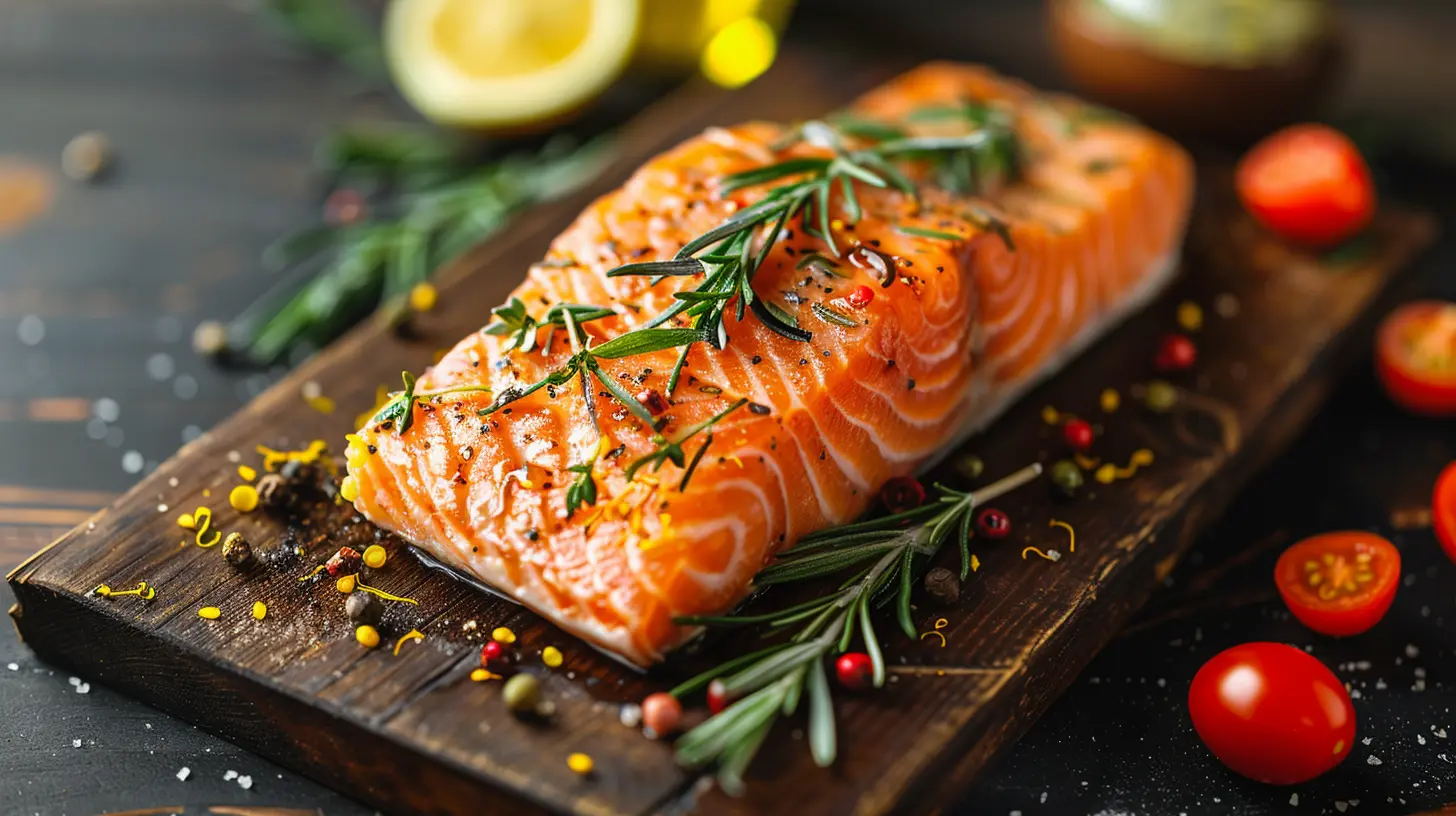
What Are Healthy Fats, Anyway?
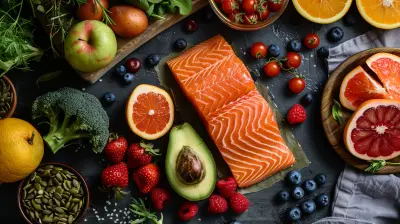
Before we get all science-y, let’s clarify what we mean by "healthy fats." You’ve got fats in your diet that can either work for you or against you. The good guys include:- Monounsaturated fats: Found in olive oil, avocados, and nuts.
- Polyunsaturated fats: Present in fatty fish like salmon, seeds, walnuts, and plant-based oils like flaxseed oil.
- Omega-3 fatty acids: The rockstar of fats, found in fatty fish, chia seeds, and flaxseeds.
- Omega-6 fatty acids: Found in nuts, seeds, and some vegetable oils (when consumed in moderation).
These fats are nutrient powerhouses that serve as building blocks for your hormones. Meanwhile, the bad guys—trans fats and an excess of saturated fats—can disrupt your hormonal balance and lead to a whole host of health issues. So, next time you’re meal planning, think of healthy fats as your trusty sidekicks.
Healthy Fats: The Backbone of Hormone Production
Here’s the deal: hormones are essentially chemical messengers that regulate almost every function in your body, from your mood and energy to your digestion and even your sleep cycles. And guess what? Healthy fats are crucial for manufacturing these hormones.Why Are Fats So Important For Hormones?
Think of hormones as a symphony orchestra in your body, and fats are the skilled musicians playing all the right notes. Without them, the music (a.k.a. your hormonal balance) would sound all out of tune.1. Hormones Are Fat-Dependent
Many key hormones like estrogen, progesterone, and testosterone are synthesized from cholesterol—a type of fat. No fats? No building blocks for these hormones.
2. Cell Membranes Need Fats
Every single cell in your body is surrounded by a membrane made up of—you guessed it—fats. These membranes aren’t just structural supports; they help hormones communicate with your cells. So, a healthy balance of fats ensures your cells are "open for business" when hormones knock.
3. Regulating Inflammation
Healthy fats, especially omega-3s, play a vital role in reducing inflammation. High levels of inflammation can throw off your hormonal balance and lead to conditions like insulin resistance or thyroid dysfunction.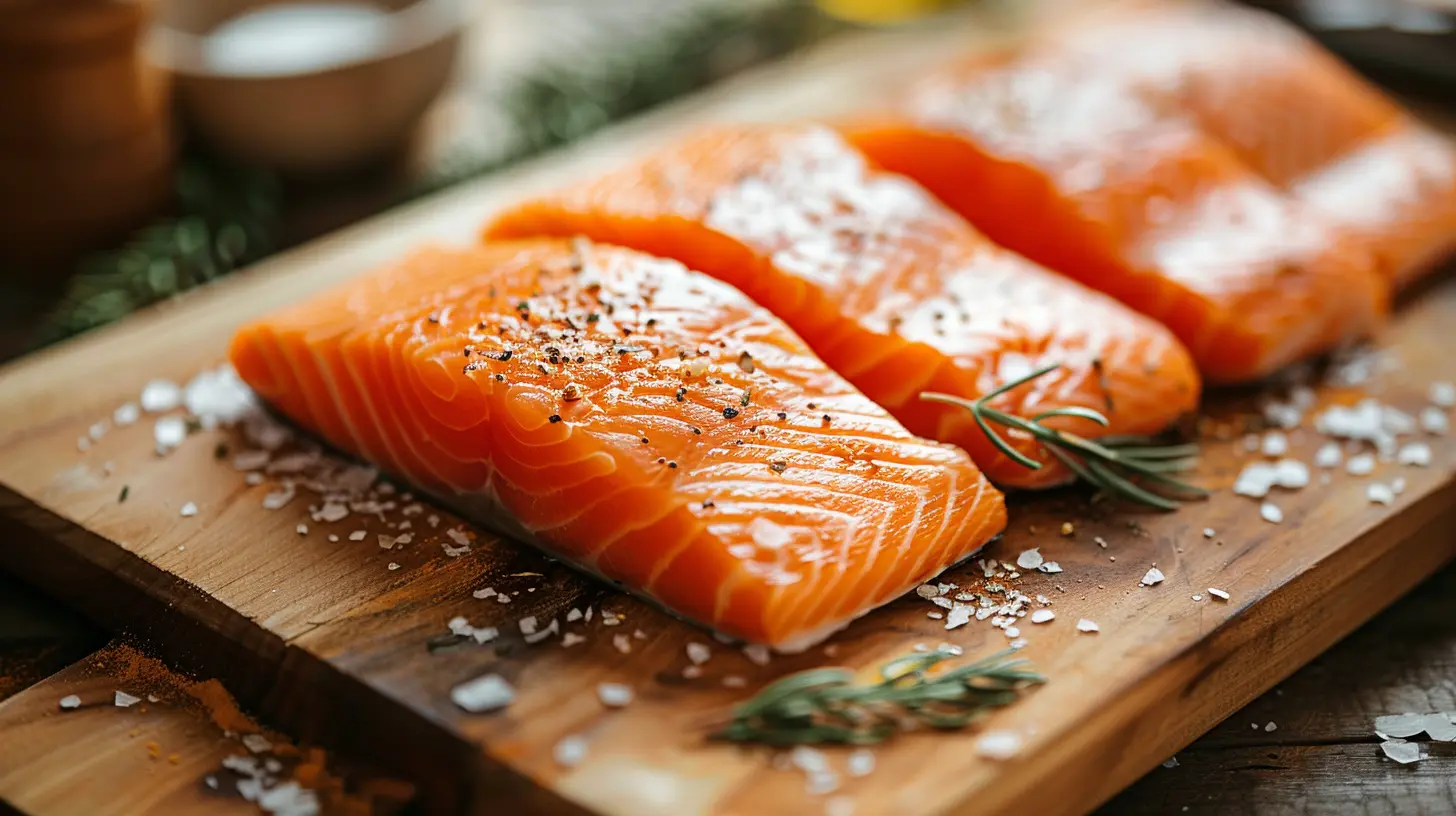
How Do Healthy Fats Impact Specific Hormones?
Now, let’s break it down a little further. Here’s how healthy fats influence some of the major hormones in your body:1. Estrogen
Hormonal imbalances often start with estrogen. Too much or too little can cause everything from PMS to irregular periods to even more serious issues like PCOS (Polycystic Ovary Syndrome). Healthy fats, especially omega-3s, help regulate estrogen levels by supporting your liver’s ability to metabolize and eliminate excess estrogen.2. Cortisol
Cortisol, your stress hormone, relies heavily on fats to maintain balance. Chronic stress can deplete your body’s reserves, and without enough healthy fats in your diet, your cortisol levels may stay elevated, leading to anxiety, insomnia, and even weight gain.3. Insulin
Healthy fats can help regulate blood sugar levels by slowing down the absorption of glucose into your bloodstream. This, in turn, supports insulin sensitivity—an essential factor for preventing conditions like diabetes and even hormonal disorders like PCOS.4. Thyroid Hormones
Your thyroid, the little gland that regulates your metabolism, heart rate, and energy levels, gets a boost from omega-3 fats. They reduce inflammation that might otherwise interfere with thyroid function, ensuring your thyroid hormones are produced and used efficiently.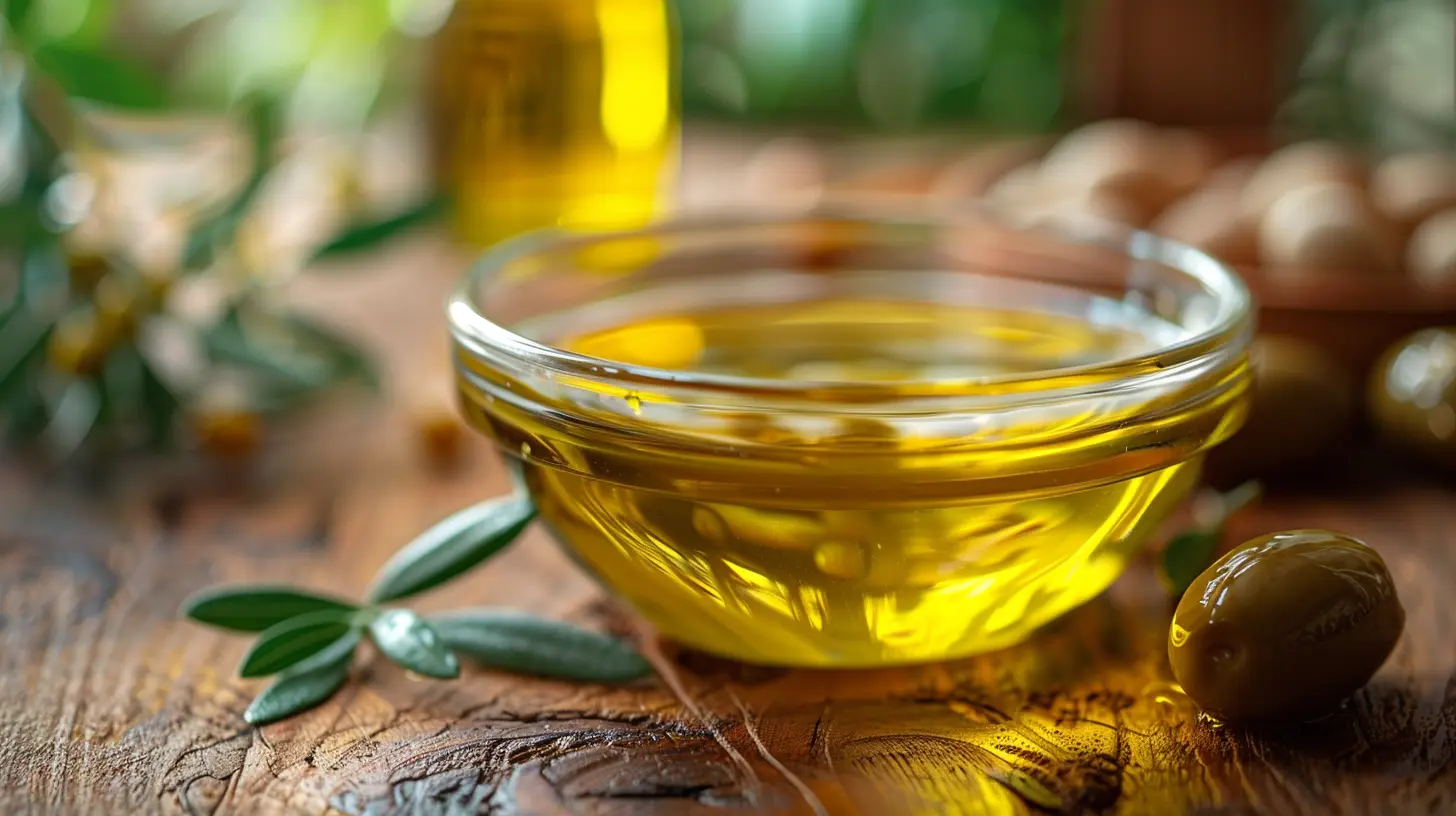
Signs You Might Be Missing Healthy Fats in Your Diet
How can you tell if your body is crying out for healthy fats? Here are a few red flags:- Dry, flaky skin or brittle hair
- Hormonal acne (hello, annoying breakouts!)
- Feeling "hangry" all the time due to blood sugar swings
- Irregular menstrual cycles
- Extreme fatigue or brain fog
If any of these sound familiar, it might be time to take a closer look at your plate.
How to Incorporate More Healthy Fats Into Your Diet
Alright, so now that we know how important healthy fats are, let’s talk about how you can start adding them to your meals. Spoiler alert: it’s easier (and more delicious) than you think.1. Start Your Day With Fats
Swap out sugary cereals for a slice of avocado toast or a smoothie with a spoonful of almond butter and chia seeds. Not only will it keep your energy stable, but it’ll also give your hormones the fats they need to kickstart your day.2. Snack Wisely
Instead of reaching for chips or candy, try a handful of nuts or a piece of dark chocolate with nut butter. These snacks are rich in healthy fats and keep you full and satisfied.3. Add Healthy Oils to Your Meals
Drizzle extra virgin olive oil or flaxseed oil onto your salads and veggies. Not only does it improve the flavor, but it also delivers a healthy dose of nutrients.4. Don’t Fear Fatty Fish
Aim to include fatty fish like salmon, mackerel, or sardines at least twice a week. If you’re not a fan of fish, consider taking a high-quality fish oil or algae-based omega-3 supplement.Common Myths About Fats and Hormones
Would you believe there’s still a lot of misinformation floating around about fats? Let’s set the record straight.Myth 1: Eating Fat Makes You Fat
Nope, not all fats are created equal. The right fats, like monounsaturated and polyunsaturated fats, actually help your body burn fat and stabilize weight. Think of fats as fuel—without them, you’re running on empty.Myth 2: Low-Fat Diets Are Better for Hormones
This couldn’t be further from the truth. Low-fat diets often strip your body of the essential fats it needs to produce hormones, leaving you with imbalances that may lead to fatigue, weight gain, and mood swings.Myth 3: Saturated Fats Are Always Bad News
While moderation is key, small amounts of saturated fats found in foods like coconut oil can actually support hormonal health. The key is balance—don’t go overboard, but don’t fear them either.The Bottom Line: Listen to Your Body
Your hormones are like the body’s internal orchestra, and healthy fats hold the baton. The good news is that incorporating these fats into your diet doesn’t have to be complicated. Start small—add an avocado here, a handful of nuts there, and slowly build meals designed to nourish your hormones.Remember, healthy fats are just one piece of the puzzle when it comes to hormonal balance. Combine them with regular exercise, stress management, and good sleep hygiene, and your body will thank you in more ways than you can count.
all images in this post were generated using AI tools
Category:
Healthy HormonesAuthor:

Madeline Howard
Discussion
rate this article
1 comments
Rook Brown
Who knew that healthy fats could be the unsung heroes of hormonal harmony? It’s like they’re hosting a fabulous dinner party in our bodies, serving up balance with a side of omega-3s! Pass the avocado toast, please!" 🥑✨
November 9, 2025 at 5:02 PM
Madeline Howard
Absolutely! Healthy fats are indeed crucial for hormonal balance, and avocado toast is a delicious way to enjoy them! 🥑✨