The Impact of Food Allergies on Gut Health
2 May 2026
Have you ever eaten something that made your stomach feel like a twisted washing machine? Maybe you blamed it on bad takeout or stress. But what if your gut is actually sounding the alarm about a deeper issue—like a food allergy?
Food allergies aren’t just pause-worthy moments in an episode of “What Did I Just Eat?” They can hit hard, long after the fork is down. And their battlefield? Your gut. That overlooked, misunderstood, magical ecosystem within you. Let’s take a lyrical journey to uncover how food allergies and gut health are entangled like ivy on an old stone wall—beautiful and dangerous all at once.
? Gut Health: The Hidden Garden Within
Your gut is more than a digestive pipe—it’s a lush, thriving ecosystem. Imagine a rainforest, dense with life, where trillions of bacteria, fungi, and other microorganisms dwell in harmony. This place is called your gut microbiome, and it’s sacred.Now, when everything’s in balance, your microbiome acts like a well-rehearsed orchestra—processing food, producing vitamins, fending off invaders, and keeping inflammation at bay. But what happens when an unwanted intruder crashes the party? That’s where food allergies come in—disrupting rhythm, throwing chaos into the mix.
? What Are Food Allergies, Really?
Let’s not confuse food allergies with food intolerances. Those two are like cousins who look similar but don’t share the same DNA.A food allergy is your immune system throwing a full-on tantrum over something it mistakenly sees as a threat—usually a protein in your food. It’s like yelling "fire!" in a movie theater when someone pulls out peanut butter.
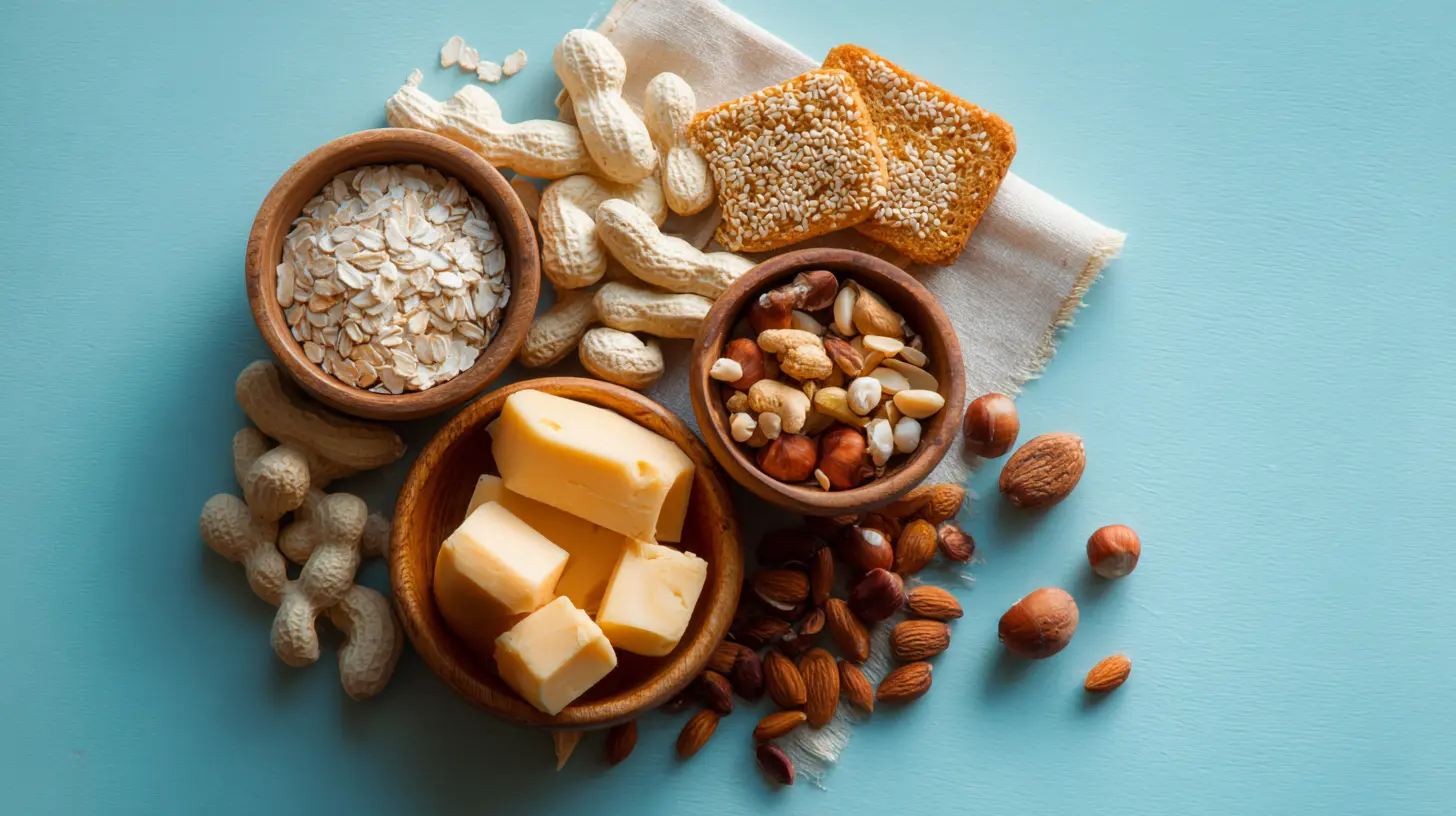
Common culprits? Think peanuts, shellfish, milk, eggs, soy, wheat, and tree nuts. The usual suspects. Even a tiny bite can set off reactions ranging from hives and digestive issues to something as serious as anaphylaxis.
But here’s the twist: the gut is both the front line and the battlefield.
⚔️ The Gut-Immune System Connection
Your gut isn’t just a tube for ferrying food. It’s also home to about 70% of your immune system. That’s right—most of your body’s defense forces live right in your belly.So when you eat something your immune system flags as "enemy," guess where the war begins? Yep—right there in your gut lining.
? Enter: Inflammation
Inflammation is your immune system’s SOS signal, its call to arms. When it senses a food allergen, it sends white blood cells scrambling to fight the “invaders.” But this immune activity doesn’t just stop at your throat or your skin. In your gut, it can trigger a riot.Chronic exposure to allergens causes intestinal inflammation, damaging the gut lining and making it more "leaky"—a condition we lovingly call “leaky gut syndrome.” Like holes poked in your fence, this leaky barrier allows partially digested food and toxins to slip through, confusing and overwhelming your immune system even further.
? The Vicious Cycle
The more your gut wall is compromised, the more allergens sneak through. And the more your immune system sees threats, the more chaos it causes. It's a toxic loop—like a really bad relationship that keeps dragging on.And guess who suffers the most? Your tiny gut bugs—your microbiome. Over time, this constant drama reduces biodiversity, allowing harmful bacteria to overtake the good ones. Think of it like weeds overgrowing a garden.
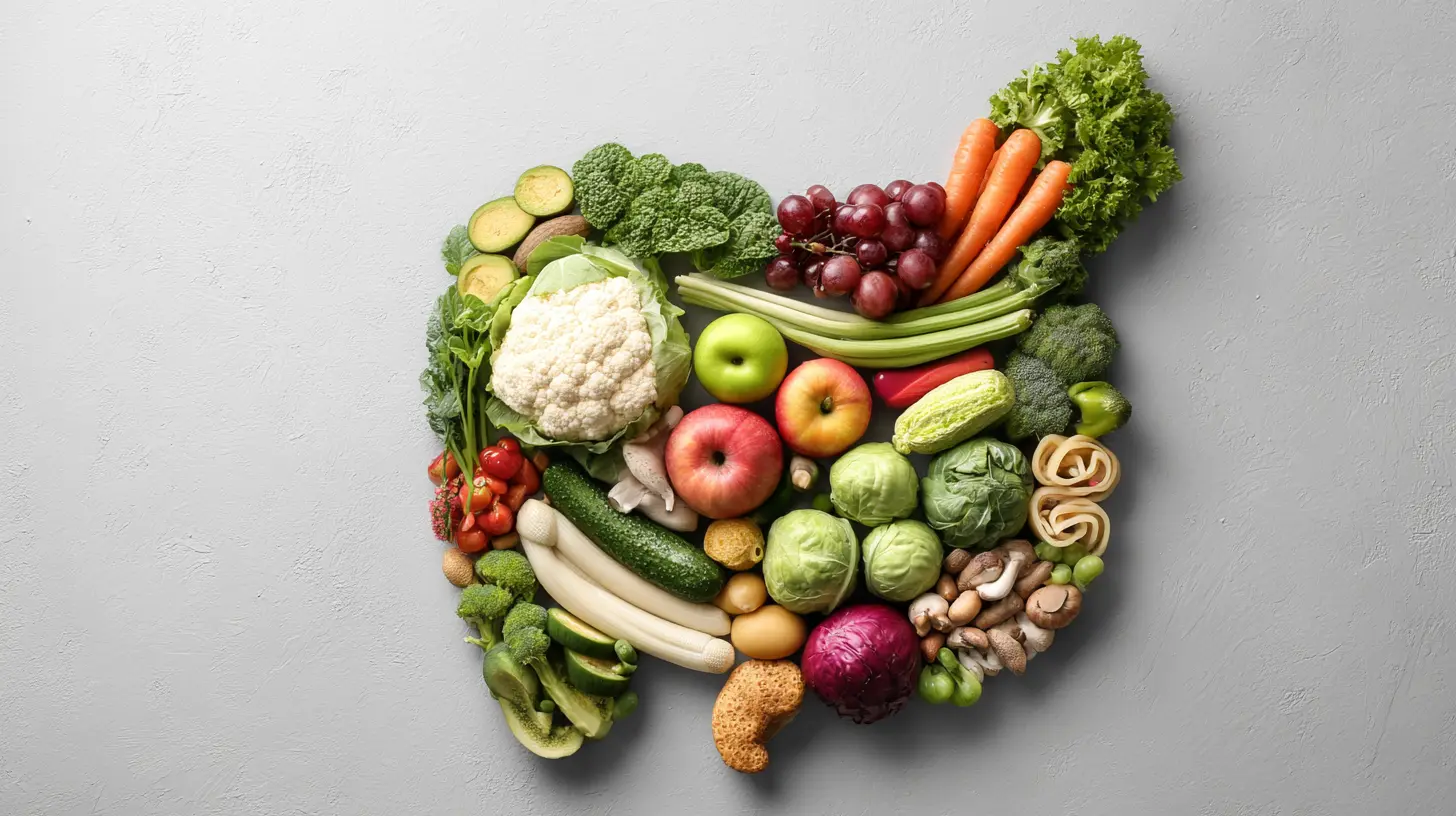
?️ Food Allergies Mess With Your Microbiome
In a perfect world, your gut bacteria protect you like a loyal dog. But food allergies can throw them out of balance, turning those protective pups into anxious, growling mutts.Research shows that people with food allergies often have lower gut microbial diversity. That means fewer kinds of bacteria, each with a unique job. It’s like trying to run a town with only plumbers and no doctors, teachers, or farmers.
And when you don’t have the right bacteria making the right chemicals (like short-chain fatty acids that reduce inflammation), your immune system becomes even more reckless.
? Dysbiosis: When Things Go South
Gut imbalance, called dysbiosis, is like your gut’s version of civil unrest. Harmful bacteria thrive, good bacteria die out, and symptoms flare up like fireworks. Think bloating, cramps, diarrhea, and in some cases, mood swings, brain fog, and fatigue.Who knew that one peanut butter cookie could send your whole system spiraling?
?️♀️ Diagnosing the Invisible War
Food allergy diagnosis isn’t always a walk in the park. While hives and rashes get attention, the gut symptoms often fly under the radar.Here’s how you might start noticing the signs:
- Chronic bloating and gas
- Sudden diarrhea after eating certain foods
- Stomach pain that seems to have no clear cause
- Persistent fatigue or brain fog after meals
Doctors may suggest skin prick tests, blood tests (like IgE antibody screening), and in some cases, elimination diets. The goal? Pinpoint the culprits and kick them off your dinner plate.
But don’t just rely on tests—listen to your gut. Seriously. Your body whispers before it screams.
? Healing the Gut After Food Allergy Inflammation
So let’s say you’ve pinpointed your food allergies. You’ve cut them out. Now what?Your gut needs time, nourishment, and balance to heal. Think of it like restoring a damaged ecosystem. You can’t just take out the poison—you have to plant new life.
? Step 1: Clean Up the Diet
Remove allergens, obviously. But don’t stop there. Add in anti-inflammatory foods like:- Leafy greens (kale, spinach, arugula)
- Omega-3-rich foods (salmon, chia seeds, walnuts)
- Fermented goodies (kimchi, sauerkraut, yogurt with live cultures)
- Bone broth (to soothe and seal the gut lining)
Avoid ultra-processed foods, added sugars, and artificial additives. Basically, if it sounds like it comes from a chemistry lab, your gut doesn’t want it.
? Step 2: Support With Supplements
Sometimes food alone can’t do it all. Here are a few gut-friendly add-ons:- Probiotics: Reintroduce friendly bacteria
- L-glutamine: Helps heal the gut lining
- Digestive enzymes: Support nutrient absorption while your gut is recovering
- Zinc and Vitamin D: Immune-supporting superheroes
Always talk to your doc or a nutritionist before starting supplements—especially if you're on medications.
?♀️ Step 3: Chill Out
You may not think stress has anything to do with food allergies, but your gut tells a different story.High stress = more cortisol = reduced immunity = worsening of gut inflammation. It’s science, folks.
So, breathe. Meditate. Walk in nature. Laugh more. Turn off your screens for a bit and tune into your body.
? The Bigger Picture: Allergies, Gut Health & Chronic Disease
Here’s the kicker—unresolved gut issues from food allergies might not stop at the stomach. They’ve been linked to:- Autoimmune diseases (like Crohn’s, celiac, lupus)
- Skin problems (eczema, psoriasis)
- Mental health struggles (anxiety, depression)
- Metabolic syndromes (obesity, diabetes)
That’s how crucial your gut is. It’s not just about digestion. It’s your second brain, your defense system, your emotional compass. And when food allergies poke holes in that system, the damage can ripple outward.
? Living With Food Allergies Without Losing Your Joy
Look, being allergic to food sucks. No sugarcoating it. It’s frustrating, isolating, and sometimes downright scary.But it’s not a life sentence of bland salads and label-reading marathons. With a little education and a dash of creativity, you can turn your plate into medicine—flavorful, vibrant medicine.
There are more allergy-friendly products now than ever before. Restaurants are adapting. Cookbooks are blooming. And you’re not alone in this.
Embrace your gut as your guide. Treat it with kindness. Feed it what it loves. And it’ll love you right back.
Final Thoughts: Food Allergies & Gut Health—More Than Just a Tummy Ache
When we treat food allergies as minor inconveniences, we overlook the tidal wave they can create in our gut. The impact on gut health isn’t just physical—it’s emotional, mental, and spiritual.But here’s the beautiful part: your gut wants to heal. Your body wants to thrive.
So, tune into those whispers. Respond with care. And don’t underestimate the power of a slice of avocado over something that once left you in pain.
Your gut is talking. Are you ready to listen?
all images in this post were generated using AI tools
Category:
Food AllergiesAuthor:

Madeline Howard
Discussion
rate this article
2 comments
Jude Adkins
Food allergies disrupt gut health, triggering inflammation and imbalance in microbiota, which can lead to broader health issues.
June 26, 2026 at 4:08 PM
Madeline Howard
You make a great point. Food allergies can indeed wreak havoc on gut health, leading to serious issues. Understanding this connection is crucial for managing overall well-being.
Phoebe McLaury
Food allergies can trigger significant gut disturbances, leading to inflammation and altered microbiota. Understanding this connection is crucial for managing symptoms and improving overall digestive health through mindful dietary choices.
May 2, 2026 at 3:55 AM
Madeline Howard
You make a great point. Understanding the link between food allergies and gut health is essential for effective symptom management. Mindful dietary choices can really make a difference.