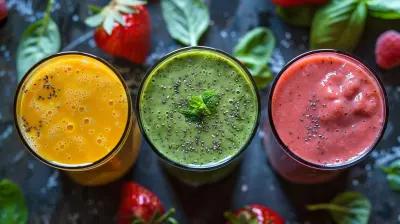
The Growing Role of Smoothies in Plant-Based Diets
28 November 2026
Plant-based eating has moved from the fringe to the mainstream, and with that shift, the smoothie has quietly become one of the most used tools in the plant-based kitchen. Walk into any gym, office, or home where someone has committed to eating more plants, and you will likely find a blender on the counter. That popularity is not accidental. Smoothies solve several practical problems that plant-based eaters run into daily: they make large volumes of produce easy to consume, they compress preparation time, and they offer a portable format for nutrients that otherwise take effort to chew through.
But popularity and usefulness are not the same thing. A smoothie can be an excellent addition to a well-planned plant-based diet, or it can become a sugar-heavy, calorie-dense habit that quietly undermines the very health goals it was meant to support. The difference comes down to formulation, context, and honest expectations. This article takes a close look at where smoothies genuinely help plant-based diets, where they fall short, and how to use them well.
Why Smoothies Fit Naturally Into Plant-Based Eating
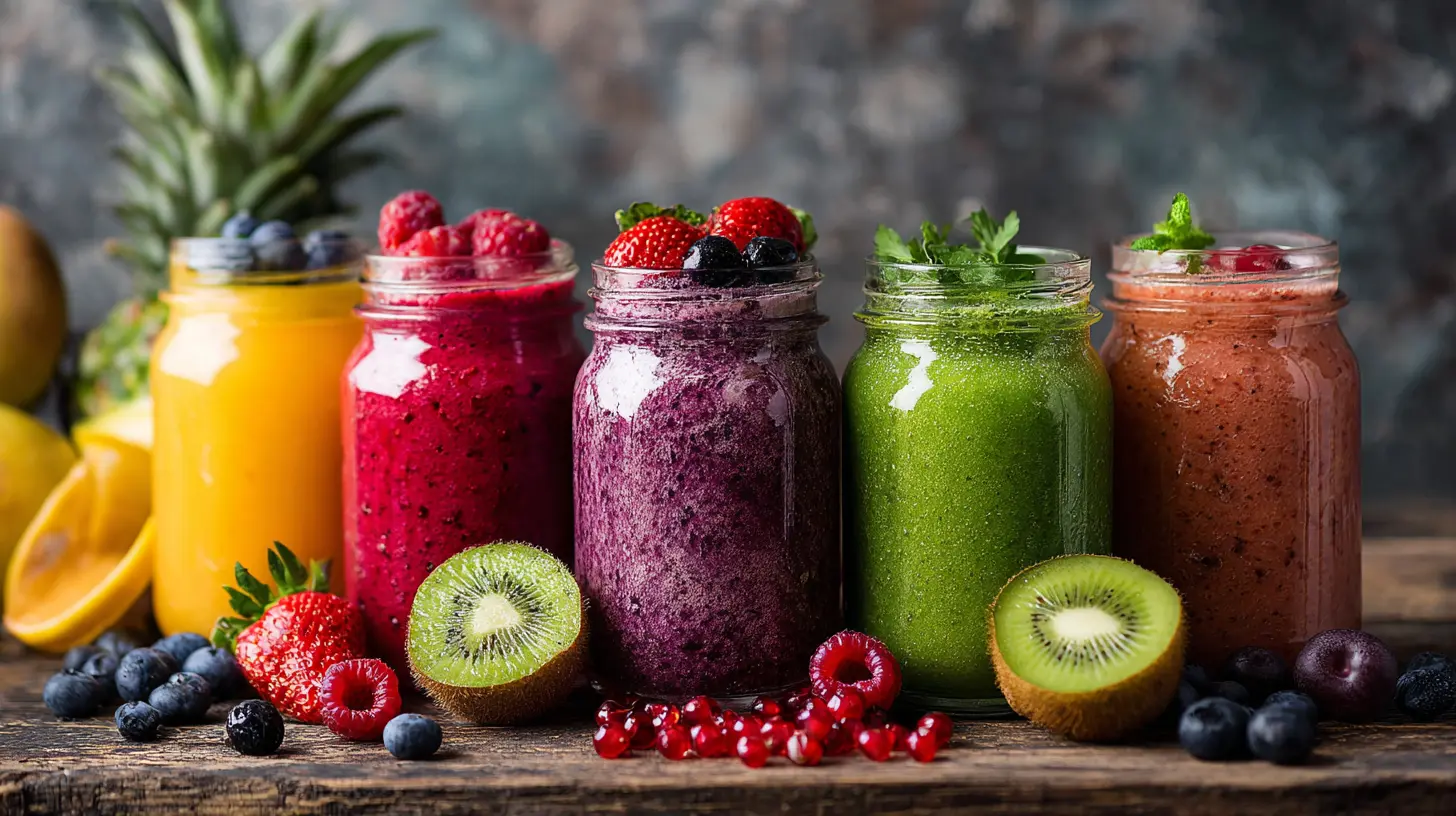
Plant-based diets, whether fully vegan or mostly plant-centered, share a common challenge. They ask you to eat more fiber, more vegetables, more fruit, more legumes, and more whole grains than the average Western eating pattern typically includes. That is a lot of chewing. It is also a lot of planning, shopping, and preparation for people with busy schedules.Smoothies address this friction directly. A single large smoothie can contain spinach, kale, berries, banana, ground flaxseed, oats, and plant milk without requiring you to sit down to a plate of food. For someone transitioning to plant-based eating, this is a meaningful advantage. The format lowers the effort barrier, and lower effort barriers tend to produce better long-term adherence.
There is a second, less obvious reason smoothies fit plant-based diets so well. Plant-based eating often emphasizes nutrient density per calorie. Leafy greens, berries, seeds, and legumes deliver a lot of nutrition relative to their energy content. Blending lets you combine several of these nutrient-dense foods into one meal or snack without needing culinary skill. You do not have to know how to cook tempeh or build a grain bowl to make a nutritionally solid smoothie. You just need the right ingredients and a basic understanding of proportions.
Finally, smoothies are adaptable across dietary patterns. Raw vegan, whole-food plant-based, high-protein plant-based, gluten-free, and low-FODMAP approaches can all accommodate smoothies with modest adjustments. That flexibility explains why smoothies show up across so many plant-based communities, from endurance athletes to people managing chronic conditions.
What Blending Does to Food
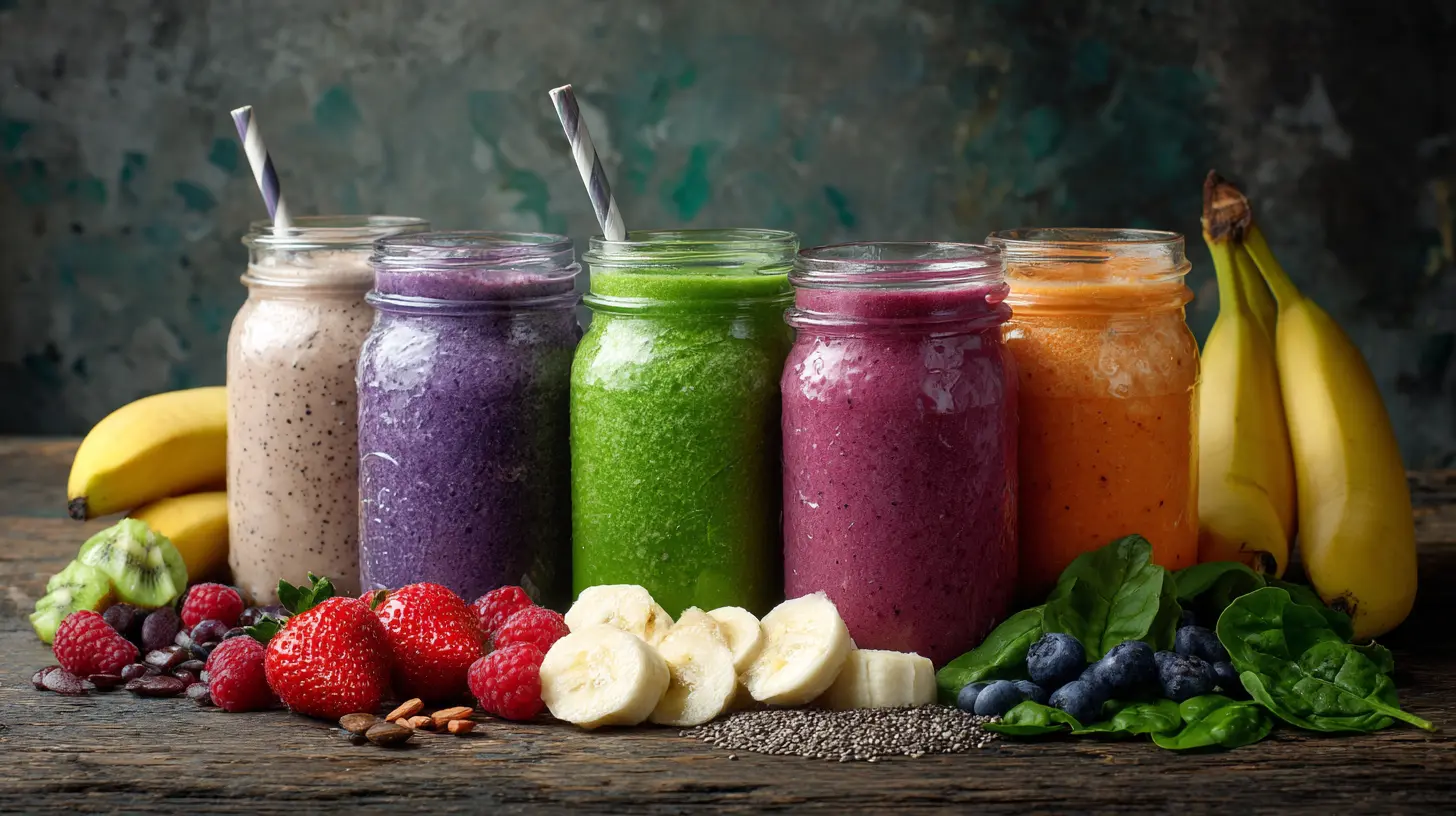
To use smoothies intelligently, you need a clear picture of what blending actually changes. Blending is mechanical, not chemical. It breaks food into smaller particles, ruptures plant cell walls, and creates a uniform liquid or semi-liquid texture. It does not cook the food, and it does not destroy most nutrients outright, though heat from prolonged high-speed blending can degrade some heat-sensitive vitamins over time.The most significant change is to fiber structure. Whole foods contain fiber in intact cellular matrices. Blending breaks those matrices apart. The total fiber content stays largely the same, but the physical form changes. This has two consequences.
First, blended fiber is generally less satiating than intact fiber. Chewing signals fullness, and whole foods take longer to eat. A smoothie can deliver several hundred calories in a few minutes with minimal chewing, which makes it easy to overconsume without noticing. Second, blending can affect how quickly sugars are absorbed. When fruit is blended, its sugars are released from cellular structures, and the glycemic response can be somewhat faster than eating the same fruit whole. This does not make fruit smoothies equivalent to soda, but it does mean the form matters, especially for people watching blood sugar.
Practical takeaway: blending is not a nutritional downgrade, but it changes eating dynamics. Treat smoothies as a different food format from whole produce, not a direct substitute.
The Strongest Case for Smoothies in Plant-Based Diets
Increasing vegetable and fruit intake without willpower
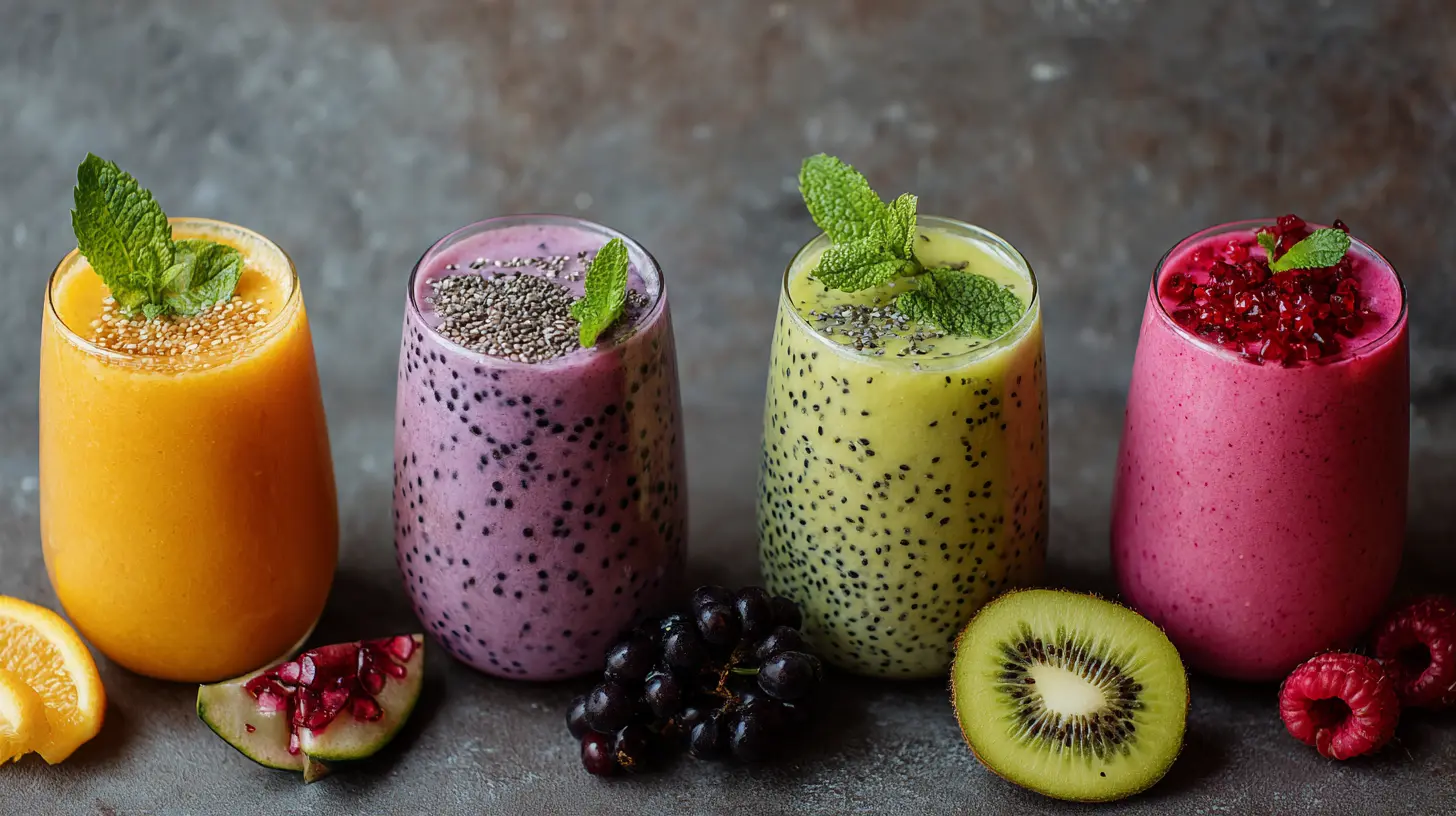
Most people, plant-based or not, fall short on vegetable and fruit intake. Smoothies make it easier to hit those targets because you can hide large volumes of greens behind fruit flavor. A cup of packed spinach or a handful of kale disappears into a berry smoothie with minimal taste impact. For people who genuinely dislike the texture or bitterness of leafy greens, this is a legitimate workaround, not a gimmick.Convenient delivery of seeds, nuts, and supplements
Ground flaxseed, chia seeds, hemp hearts, and nut butters are staples of well-constructed plant-based diets because they supply omega-3 fats, minerals, and protein. They are also easy to forget. A smoothie is a natural vehicle for them. The same applies to fortified plant milk, which is one of the more reliable sources of calcium and vitamin B12 in plant-based eating, and to supplements like vitamin D or B12 that some people prefer to take with food.Supporting higher protein needs
Plant-based athletes, older adults, and anyone recovering from illness often need more protein than a casual plant-based diet provides. Smoothies make it practical to add plant protein powder, silken tofu, soy milk, or Greek-style plant yogurt without restructuring meals. A smoothie with soy milk, hemp seeds, and a legume-based protein powder can deliver 25 to 35 grams of protein in a form that is easy to consume after training or when appetite is low.A realistic option during low-appetite periods
Illness, medication side effects, depression, and aging can all reduce appetite. In those situations, a nutrient-dense liquid meal is often the difference between adequate intake and undereating. Smoothies are not a replacement for medical nutrition therapy, but they are a practical bridge that many dietitians use with plant-based clients.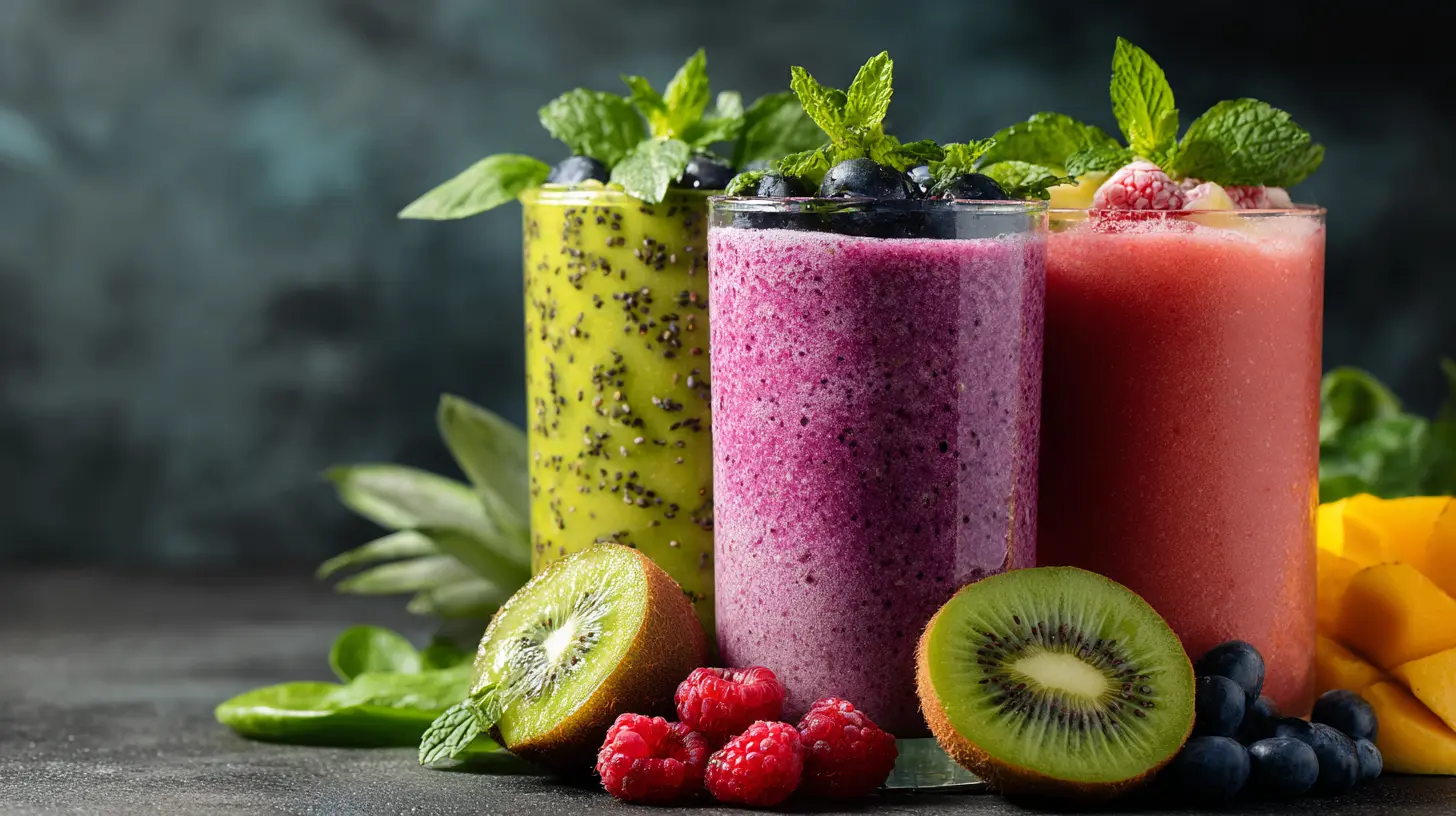
Where Smoothies Fall Short
Honest assessment requires naming the limits.Smoothies are not a substitute for meals in the long run. A smoothie can be a meal replacement if it is built like one, with protein, fat, fiber, and sufficient calories. But many smoothies are essentially fruit juice with extra steps. Drinking your calories consistently tends to reduce dietary variety and can weaken the chewing and satiety feedback that helps regulate intake.
They can concentrate sugar and calories. A smoothie with four servings of fruit, juice, honey, and granola can exceed 600 calories and 60 grams of sugar in a single glass. That is not inherently harmful for an active person, but it is easy to drink without registering as a substantial meal. People who drink smoothies alongside their normal diet rather than in place of something often gain weight without understanding why.
They do not fix a poor diet. A smoothie cannot compensate for a plant-based diet that is low in legumes, whole grains, and diverse vegetables. It is an addition, not a correction.
They can worsen digestive symptoms for some people. Large volumes of raw blended greens, high-FODMAP fruits, and concentrated fiber can trigger bloating or loose stools in people with irritable bowel syndrome or sensitive digestion. Blending does not remove FODMAPs, and cold, high-volume liquids can be uncomfortable for some.
Building a Smoothie That Actually Works
A well-built smoothie follows the same logic as a balanced meal. It needs a protein source, a fat source, a fiber source, and a produce base, with liquid to adjust texture. Proportions matter more than specific ingredients.The base: liquid and produce
Use unsweetened fortified plant milk, water, or a small amount of unsweetened juice. Fortified soy milk is the strongest default for plant-based eaters because it contributes protein, calcium, and B12 in one ingredient. For produce, aim for one to two cups of leafy greens and one to two servings of fruit. Frozen fruit improves texture and reduces the need for ice, which dilutes flavor.The protein anchor
Choose one: a scoop of plant protein powder, half a block of silken tofu, a cup of fortified soy milk plus hemp seeds, or a few tablespoons of peanut or almond butter. Protein is what turns a smoothie from a snack into a meal and what supports satiety. Without it, most smoothies leave people hungry within an hour.The fat and fiber
Ground flaxseed, chia seeds, or hemp hearts add omega-3 fats, fiber, and minerals. A tablespoon of each is a reasonable starting point. Oats add beta-glucan fiber and slow digestion, which improves satiety. Avocado adds monounsaturated fat and creaminess.What to leave out or limit
Fruit juice as the primary liquid, added honey or syrups, sweetened yogurt, granola, and large amounts of dried fruit all push a smoothie toward dessert territory. They are not forbidden, but they should be a deliberate choice rather than a default.A worked example
One cup unsweetened fortified soy milk, one cup frozen berries, one packed cup spinach, one tablespoon ground flaxseed, two tablespoons hemp hearts, and half a banana. This lands around 350 to 400 calories with roughly 20 grams of protein, 12 grams of fiber, and meaningful calcium and omega-3 content. It works as breakfast or a post-workout meal. Compare that to a typical commercial smoothie with juice, sherbet, and sweetened yogurt, which can exceed 500 calories with far less protein and fiber.
Smoothies vs. Whole Foods: A Fair Comparison
| Factor | Smoothie | Whole-food meal ||---|---|---|
| Convenience | High | Lower |
| Satiety | Lower per calorie | Higher per calorie |
| Chewing and digestive signaling | Minimal | Full |
| Nutrient delivery | High if well-built | High |
| Risk of overconsumption | Higher | Lower |
| Suitability for low appetite | Strong | Weaker |
| Digestive tolerance | Variable | Generally better |
The right conclusion is not that one is superior. It is that they serve different purposes. Whole foods should form the backbone of a plant-based diet. Smoothies are a tool for specific situations: busy mornings, post-workout recovery, low appetite, or increasing vegetable intake. Used that way, they add value. Used as a replacement for most meals, they create problems.
Common Mistakes and Misconceptions
"Green smoothies detoxify the body." They do not. The liver and kidneys handle detoxification. Greens supply nutrients, not cleansing magic."Fruit sugar in smoothies is the same as added sugar." Not quite. Whole and blended fruit come packaged with fiber, water, vitamins, and phytochemicals. The metabolic response differs from added sugar, though blended fruit is absorbed somewhat faster than whole fruit. The comparison to soda is misleading, but so is the claim that sugar source does not matter at all.
"You need a smoothie every day." No. Daily smoothies are fine for many people, but variety in food form matters. Rotating smoothies with whole-food breakfasts supports better digestive function and satiety.
"More ingredients means more nutritious." A smoothie with fifteen ingredients is often poorly digested and unpleasant to drink. Four to six well-chosen ingredients usually outperform a crowded blender.
"Protein powder is essential." It is convenient, not necessary. Silken tofu, soy milk, hemp seeds, and nut butters all work. Protein powder is most useful for people with high protein targets or limited time.
"Smoothies are always better than juice." Generally true because smoothies retain fiber, but a poorly built smoothie with juice, sweetened yogurt, and granola can rival juice for sugar load. The fiber content is the deciding factor.
Practical Guidance for Different Situations
For weight management: Keep smoothies to one per day, build them with protein and fiber, avoid juice and sweeteners, and drink them with a meal or as a meal rather than as a snack alongside food. Measure calorie-dense ingredients like nut butter and seeds rather than pouring freely.For athletes: Use smoothies strategically after training, when appetite is suppressed and rapid nutrient delivery helps. Include 25 to 35 grams of protein, moderate carbohydrates from fruit and oats, and fluids to support rehydration.
For older adults: Smoothies help meet protein and calorie needs when chewing is difficult or appetite is low. Prioritize protein, calcium, and vitamin B12, and keep the texture palatable rather than overly thick.
For people with digestive sensitivity: Start with cooked or frozen produce rather than large volumes of raw greens, keep portions moderate, avoid stacking multiple high-FODMAP fruits, and consider a lower-fiber build during flares. If symptoms persist, work with a dietitian rather than guessing.
For children on plant-based diets: Smoothies can help deliver calories, protein, and fortified milks, but keep added sugars low and avoid letting smoothies replace meals that teach chewing and food variety.
Making Smoothies Work Long Term
The people who get the most from smoothies are the ones who treat them as one part of a varied diet, not as a shortcut to health. Three habits make the difference.First, prepare components in advance. Portion greens, fruit, and seeds into freezer bags so the daily smoothie takes two minutes rather than fifteen. Convenience is the whole point, and friction kills habits.
Second, rotate ingredients. Different colored produce supplies different phytochemicals, and rotating protein sources broadens amino acid and micronutrient intake. A berry-spinach smoothie and a mango-carrot-turmeric smoothie are not nutritionally identical.
Third, keep an honest accounting. If you are drinking smoothies in addition to your normal meals, count them as meals for calorie purposes. If you are replacing breakfast, make sure the replacement is actually balanced. Most smoothie problems come from mismatched expectations, not from the format itself.
The Bottom Line
Smoothies have earned a real place in plant-based diets because they solve genuine problems: low produce intake, time constraints, low appetite, and the difficulty of consuming enough protein and healthy fats from plants. They are not magic, and they are not a substitute for a well-planned diet. Used with attention to protein, fiber, portion size, and context, they are one of the more practical tools available to plant-based eaters. Used carelessly, they become dessert in a glass. The difference is entirely in how you build them and when you use them.
all images in this post were generated using AI tools
Category:
Healthy SmoothiesAuthor:

Madeline Howard
Discussion
rate this article
1 comments
Adria Wallace
Smoothies are a fantastic way to boost your plant-based diet. They not only pack in nutrients but also make it easy to enjoy a variety of fruits and veggies. Trying new combinations can keep things exciting and delicious. Cheers to a healthier lifestyle, one sip at a time!
November 28, 2026 at 6:02 AM