The Future of Farmers Markets and Your Health
1 October 2026
Farmers markets have been part of human life for thousands of years, and they are not fading away. If anything, they are evolving into something more interesting, more useful, and more connected to your well-being than the simple produce stalls of decades past. The question is not whether farmers markets will survive. It is what they will become, and what that means for the food on your plate and the health of your body.
Let me walk you through where farmers markets are heading, why it matters for your health, and how you can make the most of them right now.
Why Farmers Markets Still Matter in a World of Grocery Delivery
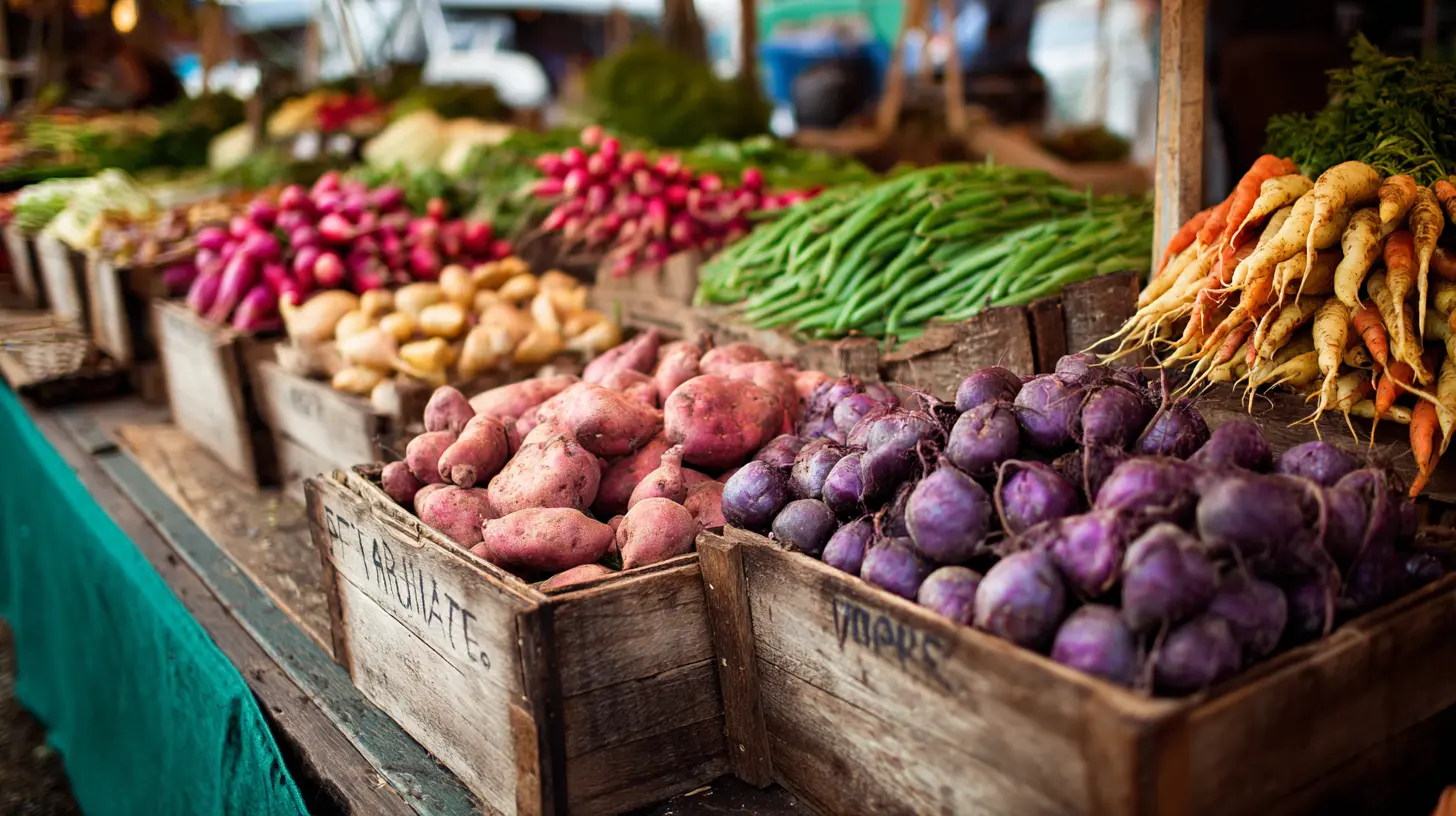
You can order groceries from your phone and have them at your door in an hour. So why bother walking through a market on a Saturday morning?The answer is freshness, and freshness is not a minor detail. Produce begins losing nutrients the moment it is harvested. Vitamin C, for example, degrades over time, and so do many delicate phytonutrients. A tomato picked green, shipped across the country, and ripened with ethylene gas is not the same food as a tomato picked ripe yesterday and sold to you this morning. The difference shows up in taste first, but it also shows up in what your body actually gets.
There is also the matter of variety. Supermarkets stock what ships well and looks uniform. Farmers markets stock what tastes good and grows well locally. That means you find varieties bred for flavor rather than shelf life. Heirloom tomatoes, unusual greens, and regional apples that would never survive a cross-country truck ride all show up at market. Eating a wider range of plant varieties supports a more diverse gut microbiome, and a diverse microbiome is linked to better digestion, stronger immunity, and even improved mood.
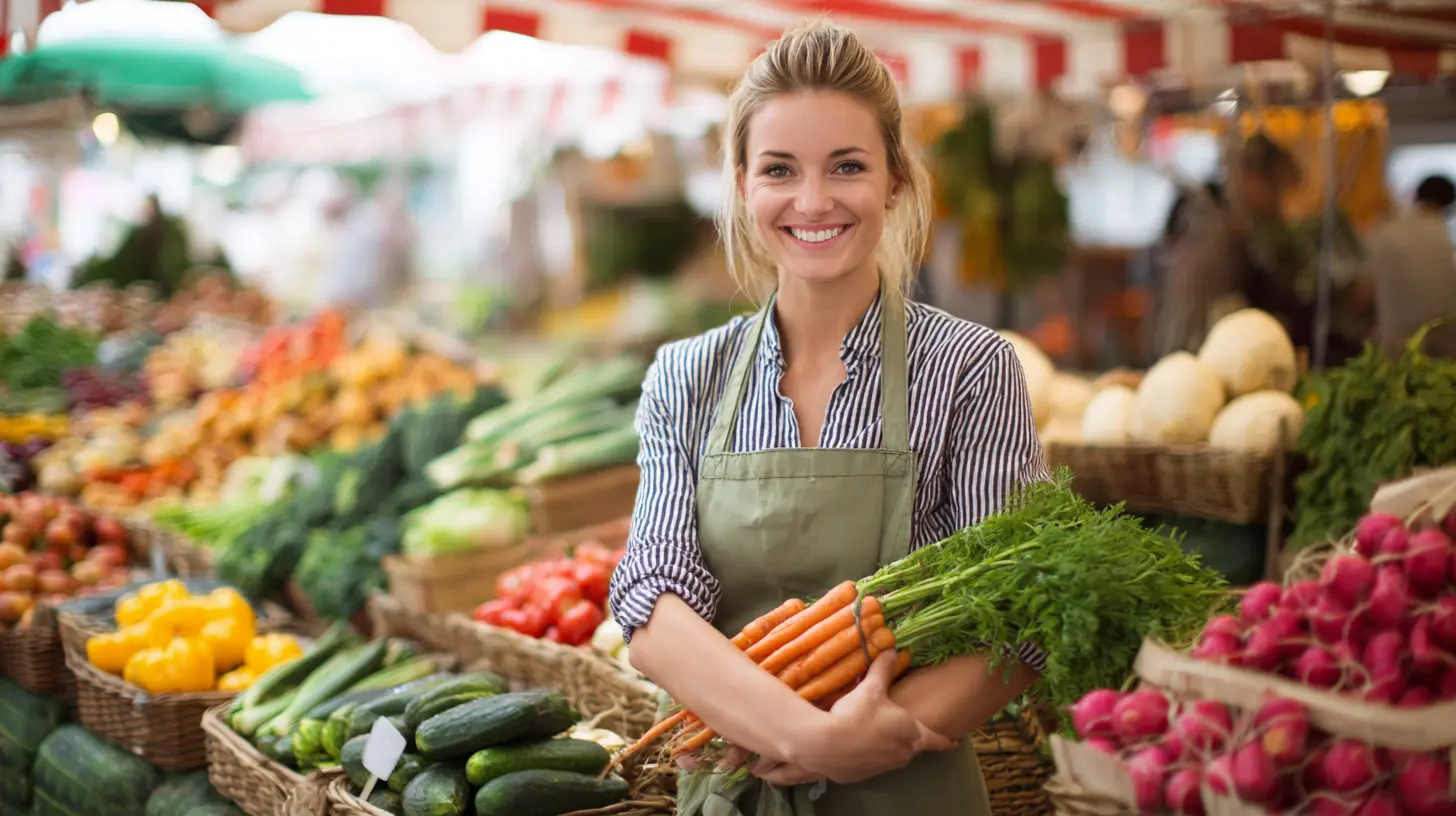
Then there is the social piece. Shopping at a market involves talking to the person who grew your food. That sounds sentimental until you realize it changes what you buy and how you cook. When a farmer tells you the squash is perfect for roasting but terrible raw, you learn something. That knowledge accumulates. Over a season, you become a better cook and a more confident eater.
The Health Benefits Are Real, but They Need Context
Let us be honest about the health claims. Farmers markets do not magically make you healthy. What they do is make healthy eating easier and more enjoyable, which matters more than most people admit.Nutrient density and ripeness
Produce sold at market is often harvested at peak ripeness. This is not just a flavor issue. A study published in the Journal of the Science of Food and Agriculture found that some nutrients, including certain antioxidants, are highest in produce allowed to ripen fully on the plant. When you buy that produce within a day or two of harvest, you are eating it closer to its nutritional peak.Whole foods versus processed
Markets push you toward whole foods by default. You cannot buy a box of processed snacks at most stalls, though some markets now host bakers, cheesemakers, and prepared food vendors. The overall environment nudges you toward cooking, and cooking from whole ingredients is one of the most reliable predictors of a healthy diet.Movement and mental health
Walking through a market is low-key exercise. More importantly, it is a pleasant social ritual. Research on blue zones, the regions where people live unusually long and healthy lives, consistently finds that social connection and daily movement are as important as diet. A weekly market trip combines both.The limits
Here is where I want to be careful. Farmers markets are not automatically healthier than supermarkets. A market pastry made with butter and white flour is still a pastry. A market sausage is still a sausage. The health benefit comes from what you choose and how often you go, not from the setting itself.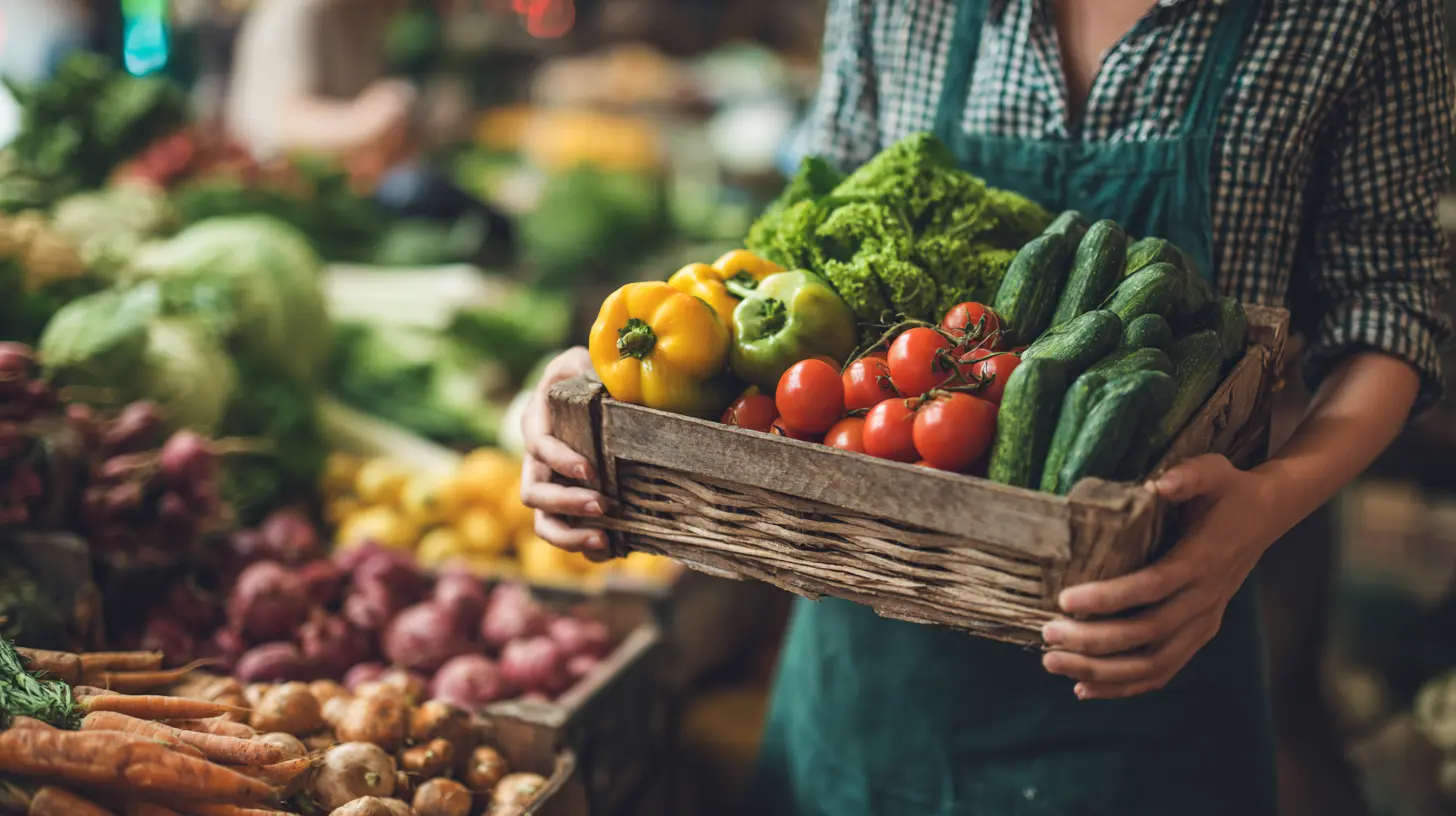
How Farmers Markets Are Changing
The market of 2030 will look different from the market of 1990. Several shifts are already underway.Year-round and indoor markets
Seasonal markets are giving way to year-round operations in many cities. Indoor markets, winter markets, and covered pavilions extend the season. This matters for health because consistency beats intensity. A market you can visit in February keeps the habit alive.Technology that supports rather than replaces
Mobile payments, pre-ordering, and online marketplaces are becoming common. Some markets now let you order ahead and pick up at a stall, which reduces friction for busy people. The best versions of this technology do not replace the human interaction. They remove the barrier that kept you from showing up.SNAP and nutrition incentives
Many markets now accept SNAP benefits, and a growing number offer matching programs that double the value of benefits spent on fruits and vegetables. These programs are one of the most effective public health interventions hiding in plain sight. If you qualify, you may be able to get twice the produce for the same money.Value-added products
You will find more jams, sauces, fermented foods, and prepared meals at markets. This is a mixed blessing. It supports farmers financially, which keeps them in business. It also adds convenience for shoppers. But it can blur the line between a market and a food court. Read labels and ask questions.Urban farms and market gardens
Small-scale urban farms are becoming a real source of market produce. They often specialize in greens, herbs, and specialty crops that do not travel well. Buying from them supports local food systems and shortens the distance from soil to plate.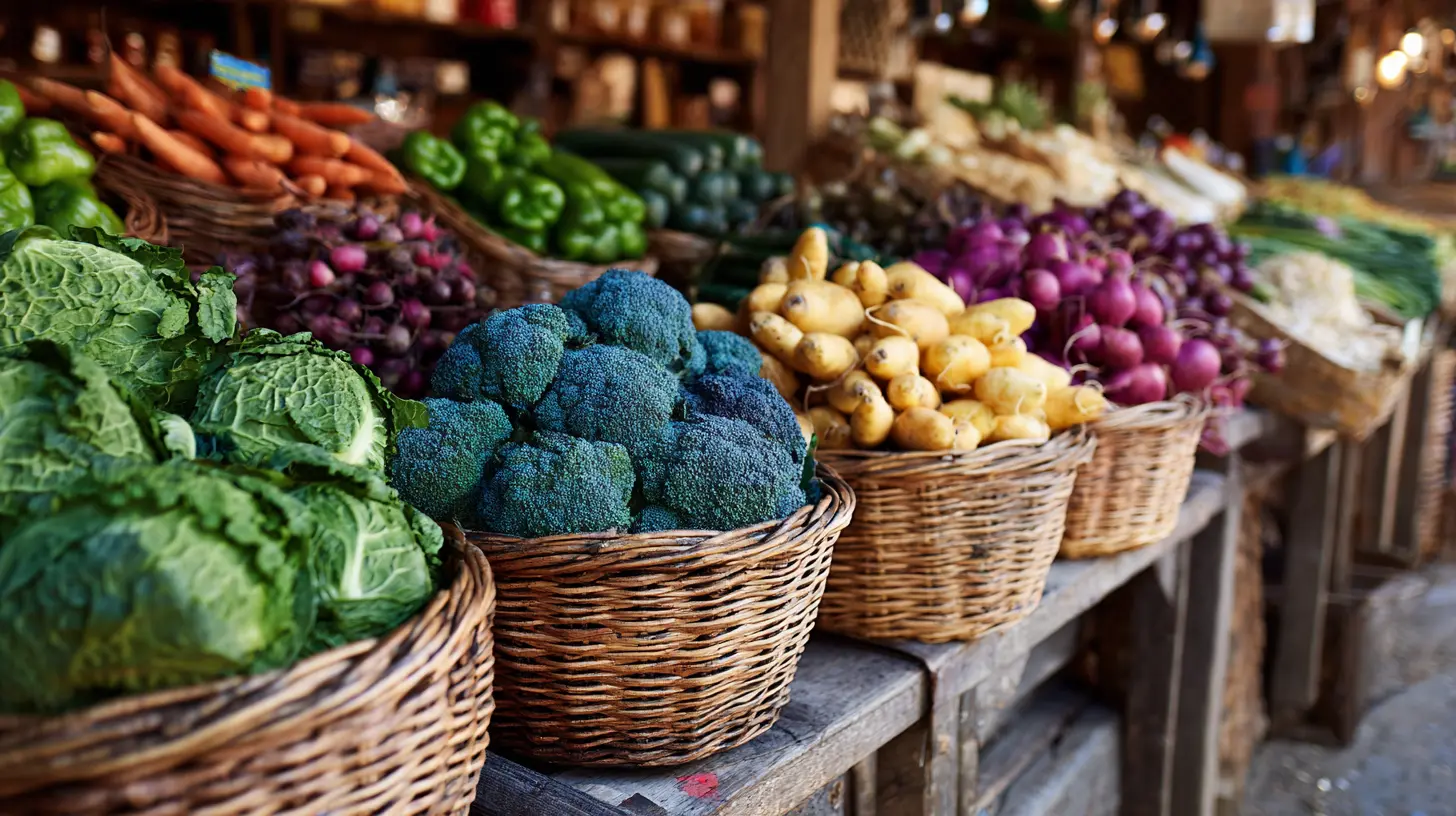
What This Means for Your Health Strategy
If you want to use farmers markets as a tool for better health, here is how to think about it.Go with a plan, not a list
A rigid shopping list makes you miss what is actually good that week. Instead, go with a plan: you need three vegetables, one fruit, one protein, and one treat. Then let the market fill in the details. This approach keeps you flexible and prevents waste.Buy what is abundant
When a farmer has too much of something, the price drops and the quality is often at its peak. Abundance buying is how you eat seasonally without trying. It is also how you save money.Ask the three questions
Ask what is freshest today. Ask how to cook it. Ask what is coming next week. These three questions will teach you more than any cookbook.Prioritize the dirty dozen and the clean fifteen
If budget is tight, spend your market dollars on the produce most likely to carry pesticide residue when conventionally grown, and buy the rest wherever it is cheapest. This is a pragmatic way to reduce exposure without overspending.Do not skip the fermented foods
Fermented vegetables, yogurt, and similar products support gut health. They are also a traditional market staple. If you tolerate them, they are one of the best additions to a weekly shop.Common Mistakes and Misconceptions
Let me clear up a few things I hear often.Mistake one: assuming everything at a market is organic. It is not. Many small farmers use organic practices but cannot afford certification. Ask them directly. Most will tell you exactly what they spray and when.
Mistake two: thinking markets are always more expensive. Sometimes they are. Sometimes they are cheaper, especially at the end of the day or during peak season. Compare prices on staples and splurge on the things that matter.
Mistake three: buying too much. It is easy to get excited and buy a week's worth of produce that spoils in three days. Buy less than you think you need, then go back next week. Frequency beats volume.
Mistake four: ignoring the prepared food. Some market prepared food is excellent and worth the money. Some is overpriced and mediocre. Use your judgment. A good rule is to buy prepared food only from vendors who also sell the raw ingredients.
Misconception: farmers markets are only for wealthy people. This is false in many places, especially where SNAP matching and senior nutrition programs operate. Check what your local market accepts. You may be surprised.
The Trade-Offs You Should Weigh
Every choice has a cost. Here is how to think about the big ones.Convenience versus connection
Supermarkets win on convenience. Markets win on connection. If you are time-pressed, consider a hybrid approach: one market trip per month for staples and specialty items, and supermarket runs for the rest. You still get most of the benefits.Cost versus quality
Markets often deliver better quality at a similar or lower price for in-season produce. Out of season, the math changes. Buy what is in season and you will usually come out ahead.Variety versus familiarity
Markets offer variety, but that can be overwhelming. Start with one new item per trip. Over a year, that is fifty new foods. Your palate will expand without stress.Local versus global
Local food supports your community and often tastes better. It is not automatically more sustainable, and it is not automatically healthier. A local greenhouse tomato in winter can use more energy than a field-grown tomato shipped from a warmer climate. Think in terms of season and method, not just distance.Practical Advice for Getting the Most from Your Market
Here is a simple framework you can use this weekend.1. Arrive early for the best selection, or late for the best deals. Both work. Pick one based on your priorities.
2. Bring cash, even if the market takes cards. Some vendors prefer it, and you will avoid fees.
3. Bring your own bags. It is cheaper for vendors and better for the planet.
4. Talk to at least one farmer you have never met. This is how you build relationships and learn.
5. Buy one thing you have never cooked before. Ask how to prepare it.
6. Store your produce properly when you get home. Greens need moisture and cold. Tomatoes need room temperature. Berries need to be dry.
7. Plan your meals around what you bought, not the other way around.
The Future Is Local, but Not in a Simplistic Way
The future of farmers markets is not a return to some imagined past. It is a reweaving of food into community life, supported by technology and policy that make it easier to participate. For your health, the implications are straightforward. More fresh produce, more variety, more connection, and more control over what you eat.You do not have to be a purist. You do not have to shop only at markets. You just have to show up sometimes, ask questions, and let the season guide you. That is enough to change your diet, and your diet is enough to change your health.
all images in this post were generated using AI tools
Category:
Healthy ShoppingAuthor:

Madeline Howard