The Connection Between Yoga and Better Posture
9 November 2026
In today's fast-paced world, many people find themselves hunched over computers or glued to their smartphones for hours on end. This lifestyle, while convenient, often leads to poor posture and a range of health issues, from back pain to headaches. Fortunately, yoga offers a holistic approach to improving posture, promoting not just physical alignment but also mental clarity and emotional well-being. In this article, we will delve into the intricate relationship between yoga and posture, highlighting how specific practices can lead to a healthier spine and more aligned body.
Understanding Posture
What is Posture?
Posture refers to the position in which you hold your body while standing, sitting, or lying down. Good posture means that your body is aligned correctly, allowing for efficient movement and minimizing strain on muscles and ligaments. Poor posture, on the other hand, can lead to various health issues, including musculoskeletal pain, fatigue, and reduced lung capacity.The Importance of Good Posture
Maintaining good posture is crucial for several reasons. It helps reduce the risk of injury, improves circulation, supports proper organ function, and can even enhance your overall mood and confidence. When your body is well-aligned, it can move more freely, allowing you to engage in daily activities with ease.
How Yoga Improves Posture
The Role of Alignment
Yoga emphasizes alignment in every pose. Practicing yoga helps you develop an awareness of your body and its alignment in space. This awareness can translate to everyday life, enabling you to notice and correct your posture when sitting, standing, or walking.Strengthening Core Muscles
A strong core is essential for good posture. Many yoga poses specifically target the core muscles, including the abdominals, obliques, and lower back. Poses like Plank, Boat Pose, and Bridge not only build strength but also promote stability and balance in your posture.Increasing Flexibility
Flexibility plays a vital role in achieving and maintaining good posture. Tight muscles can pull your body out of alignment, leading to discomfort and pain. Yoga poses such as Downward Dog, Forward Bend, and Pigeon Pose work to stretch and lengthen the muscles, allowing for greater freedom of movement and improved posture.Enhancing Body Awareness
Yoga encourages mindfulness and body awareness. By focusing on your breath and the sensations in your body during practice, you become more attuned to how different postures feel. This heightened awareness can help you identify and correct poor posture habits in daily life.Encouraging Relaxation
Stress and tension often manifest in our bodies, leading to slouched shoulders and a forward head position. Yoga teaches relaxation techniques through deep breathing and mindful movements, which can help release tension and promote better posture.
Key Yoga Poses for Better Posture
Mountain Pose (Tadasana)
Mountain Pose is a foundational pose that teaches you how to stand tall. It encourages alignment from head to toe. Stand with your feet hip-width apart, distribute your weight evenly, and lift your chest while relaxing your shoulders. This pose sets the stage for better posture throughout your practice and daily life.Child's Pose (Balasana)
Child's Pose is excellent for stretching the spine and relaxing the body. It helps release tension in the back and shoulders, making it a great counter-pose to the slouched positions we often find ourselves in. Use this pose as a restorative break during your yoga practice or throughout the day.Cat-Cow Stretch (Marjaryasana-Bitilasana)
This dynamic stretch is perfect for increasing spinal flexibility and awareness. Transitioning between Cat and Cow poses helps to mobilize the spine while encouraging proper alignment. It's also a great way to relieve tension in the back and neck.Downward-Facing Dog (Adho Mukha Svanasana)
Downward-Facing Dog helps elongate the spine while strengthening the arms and legs. This pose encourages engagement of the core and promotes proper alignment from the hands to the feet. It's a staple pose in many yoga practices and is essential for improving posture.Bridge Pose (Setu Bandhasana)
Bridge Pose strengthens the back, glutes, and legs while opening the chest. This pose is particularly beneficial for those who tend to slouch, as it encourages opening the heart space and counteracting the effects of poor posture.Cobra Pose (Bhujangasana)
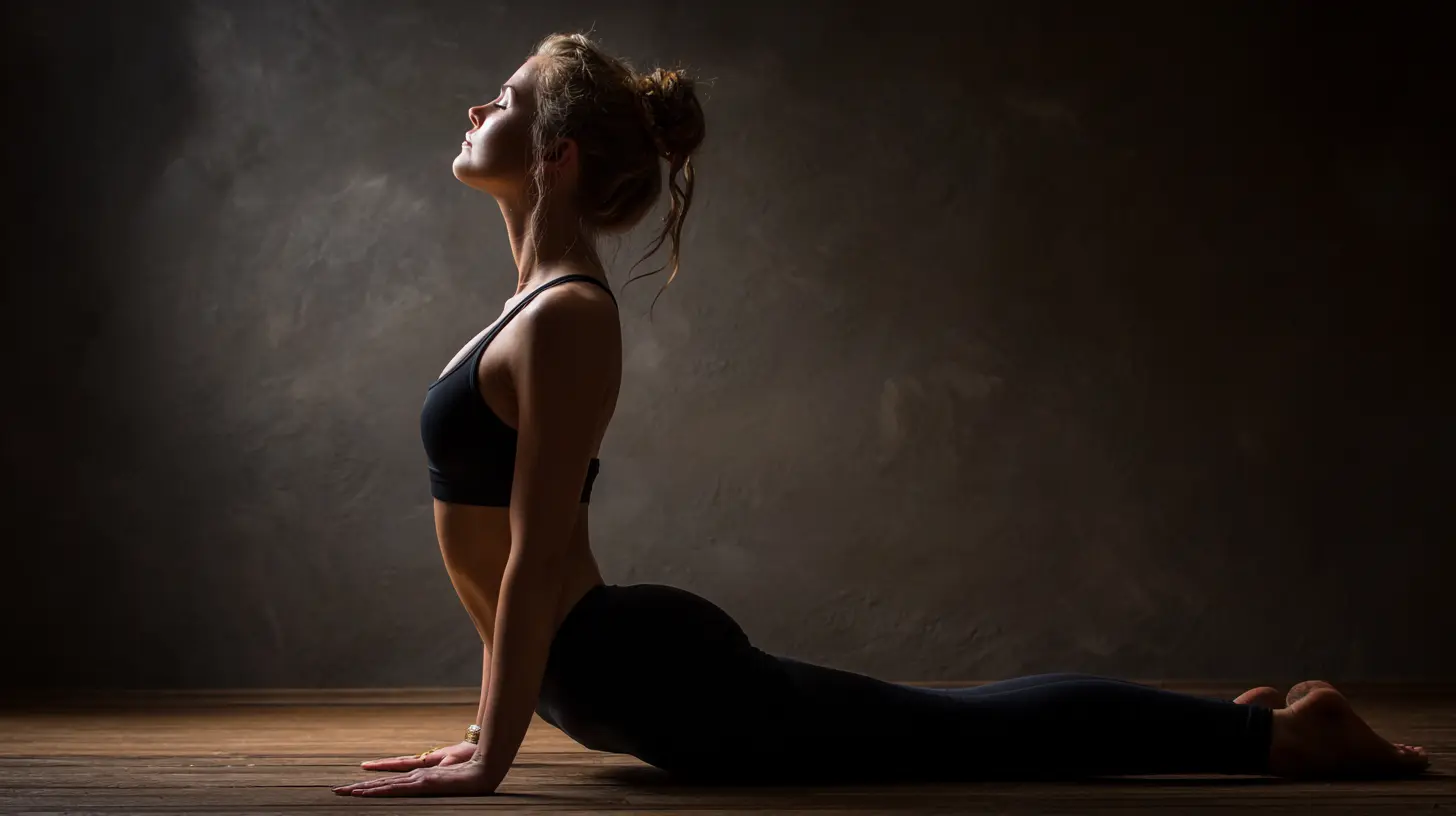
Cobra Pose is excellent for strengthening the lower back and opening the chest. It encourages spinal extension and helps counteract the tendency to hunch forward. Incorporating this pose into your routine can help alleviate discomfort associated with prolonged sitting.
Common Mistakes in Yoga Practice
Overstretching
One common mistake in yoga is overstretching, particularly when trying to achieve a perfect pose. This can lead to injury and reinforce poor posture habits. Always listen to your body and focus on building strength and flexibility gradually.Ignoring Alignment
Neglecting proper alignment can diminish the benefits of yoga and may even exacerbate existing posture problems. Pay attention to cues from your instructor or self-cue during practice to ensure you are maintaining alignment in each pose.Skipping Core Work
Some practitioners might focus solely on flexibility and forget about the importance of core strength. Core muscles are vital for supporting good posture and stability. Make sure to incorporate poses that engage your core regularly.Holding Tension
While yoga promotes relaxation, many people hold unnecessary tension in their bodies, particularly in the shoulders and neck. Stay conscious of your body and consciously release any tension as you practice.Real-World Applications
Integrating Yoga into Daily Life
To reap the benefits of yoga for posture, it is essential to integrate it into your daily routine. Set aside a few minutes each day for a short yoga session or incorporate stretches into your work breaks. Even a few minutes of mindful movement can make a significant difference over time.Yoga at Work
Many people spend hours at desks, leading to tight hips and strained backs. Consider setting up a designated space for stretching or practicing yoga at work. Simple stretches like Neck Rolls, Seated Forward Bends, or even Desk Poses can help alleviate tension and improve posture throughout the day.Mindfulness in Movement
Being mindful of your body position as you go about your daily activities can enhance the benefits of yoga. Whether you are sitting, walking, or lifting objects, cultivating awareness of your posture will create lasting changes.
Conclusion
Yoga offers a unique and effective approach to improving posture by promoting strength, flexibility, and mindfulness. By integrating specific poses and practices into your daily routine, you can cultivate better alignment, reduce the risk of injury, and enhance your overall well-being. Remember that achieving good posture is a journey, not a destination. With consistent practice and awareness, you can enjoy the long-term benefits of a healthier spine and improved posture.
all images in this post were generated using AI tools
Category:
Yoga BenefitsAuthor:

Madeline Howard

