The Complete Guide to Building a Sustainable Yoga Habit
29 November 2026
Most people who start yoga quit within a few months. Not because yoga is hard, but because their approach to building the habit is fragile. They go all in during a burst of motivation, practice intensely for two weeks, then life interrupts and the whole thing collapses. Sound familiar?
A sustainable yoga habit is not about discipline in the way most people imagine. It is about designing a practice that fits your actual life, not the fantasy version where you wake up at 5 a.m. feeling energized and have a perfectly quiet hour to yourself. This guide is about building something that survives bad weeks, busy seasons, low motivation, and the simple reality that you are a human being with a lot going on.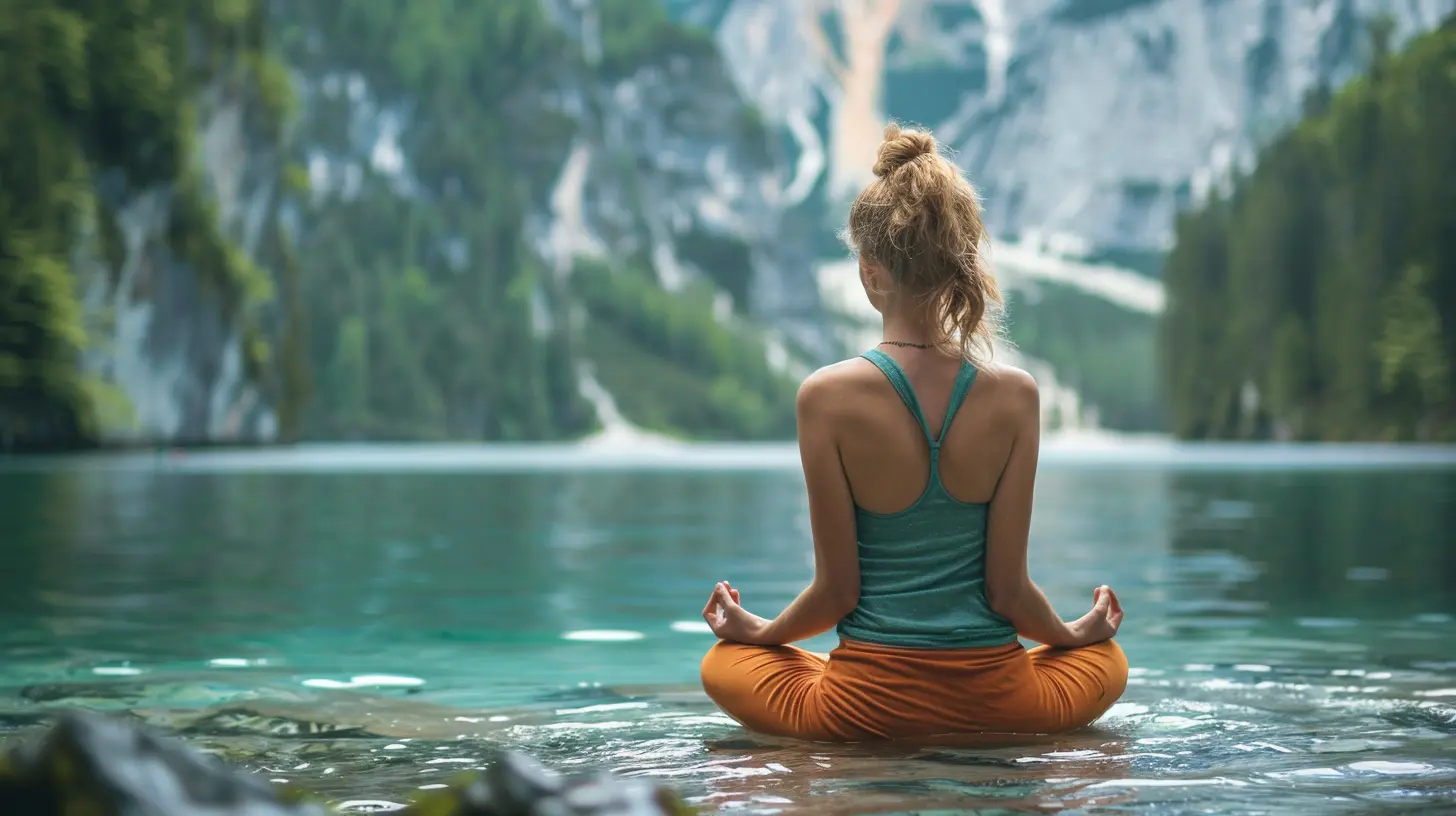
Why Most Yoga Habits Fail
Before we get into what works, it helps to understand what usually goes wrong. The reasons are predictable, and once you see them clearly, you can design around them.The Motivation Trap
Motivation is a terrible foundation for a habit. It shows up when things are exciting and disappears when they are not. People who rely on feeling motivated to practice yoga will practice when it feels good and skip it when it does not. That is not a habit. That is a mood.The fix is not to find more motivation. It is to build systems that carry you when motivation is absent. This might mean laying out your mat the night before, scheduling practice at the same time each day, or attaching yoga to an existing routine like your morning coffee. The goal is to make the decision automatic rather than emotional.
The All-or-Nothing Mindset
Many people believe that a yoga practice only counts if it is a full 60-minute session in a studio or a complete home flow. If they only have 15 minutes, they skip it entirely. This thinking is a habit killer.A 10-minute practice done consistently will transform your body and mind far more than a 90-minute practice done once a month. The consistency matters more than the duration. Once you accept that short sessions count, you remove the biggest barrier to showing up.
Unrealistic Expectations About Progress
Yoga culture sometimes paints an unrealistic picture of what progress looks like. Social media is full of advanced poses, and it is easy to feel like you are not "good" at yoga if you cannot do a handstand or touch your toes.Real progress in yoga is often invisible. It is the ability to breathe through discomfort. It is falling asleep faster at night. It is noticing tension in your shoulders before it becomes a headache. These changes do not photograph well, but they are the real benefits. When you measure progress by how you feel rather than how you look in a pose, the habit becomes self-reinforcing.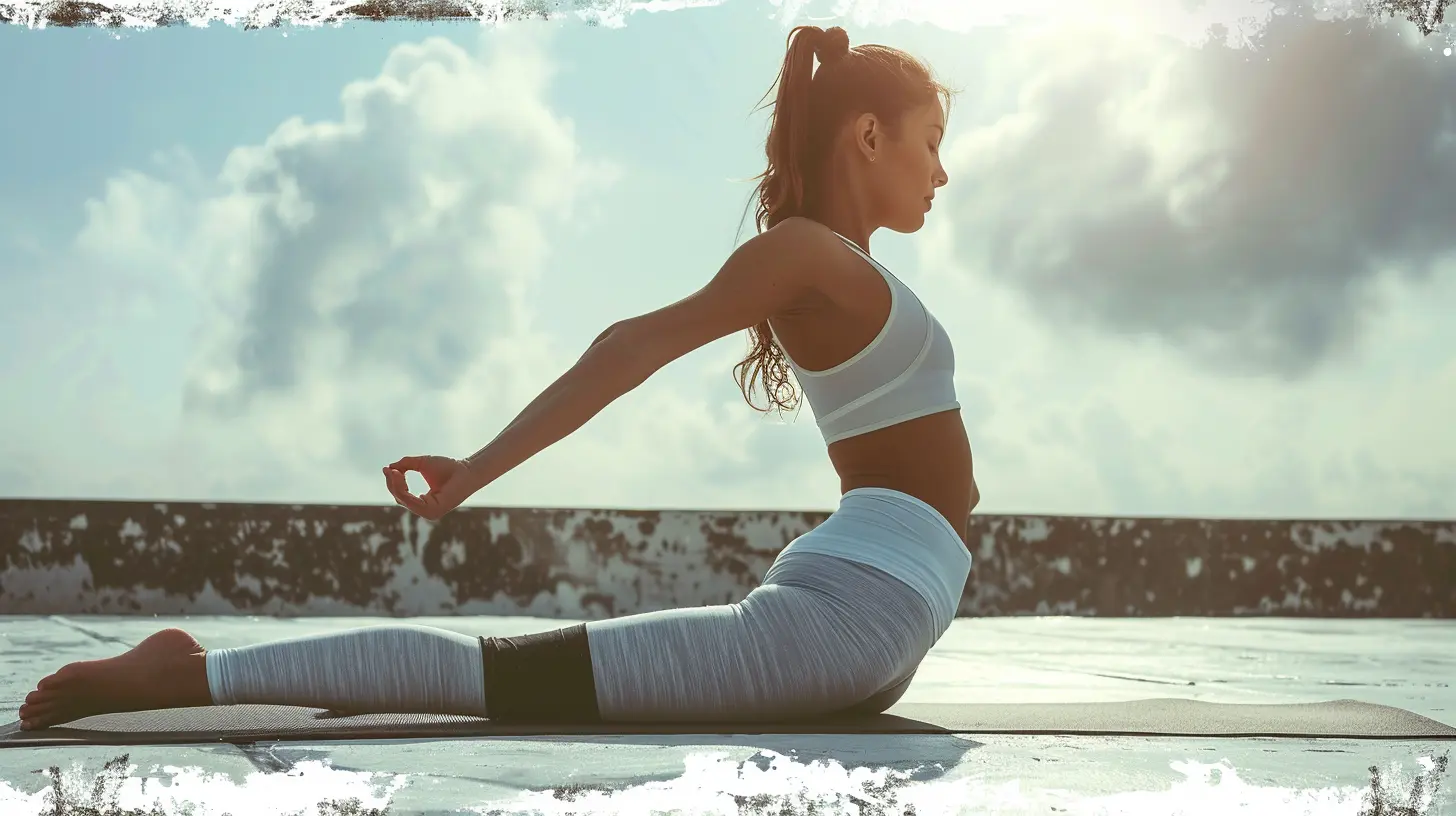
Start Smaller Than You Think You Should
The single most effective strategy for building a sustainable yoga habit is to start absurdly small. Smaller than feels impressive. Smaller than you think is worthwhile.The Two-Minute Rule
Commit to just two minutes of yoga per day. That is it. You can do more if you want, but the minimum is two minutes. This sounds almost too easy, and that is the point. The goal in the early weeks is not fitness. It is identity. You are becoming someone who practices yoga every day.Two minutes of cat-cow stretches or a few conscious breaths in child's pose is enough. What you are building is the neural pathway and the daily decision. Once that decision feels automatic, you can gradually expand the duration. But do not rush this phase. Most people try to skip it, and most people fail because of it.
Why Small Wins Compound
Every time you complete a tiny practice, you reinforce the belief that you are the kind of person who does yoga. That belief is what carries you through difficult days later. When you have practiced for 30 days straight, even if each session was only five minutes, skipping feels wrong. The streak itself becomes a gentle pressure to continue.This is not about guilt. It is about momentum. Small wins build evidence that you can trust yourself to follow through.
When to Scale Up
After two to three weeks of consistent tiny practices, you can start extending the duration. Add a few minutes at a time. Pay attention to how your body and schedule respond. If you find yourself dreading practice or constantly skipping, you scaled up too fast. Pull back. There is no prize for practicing longer than you can sustain.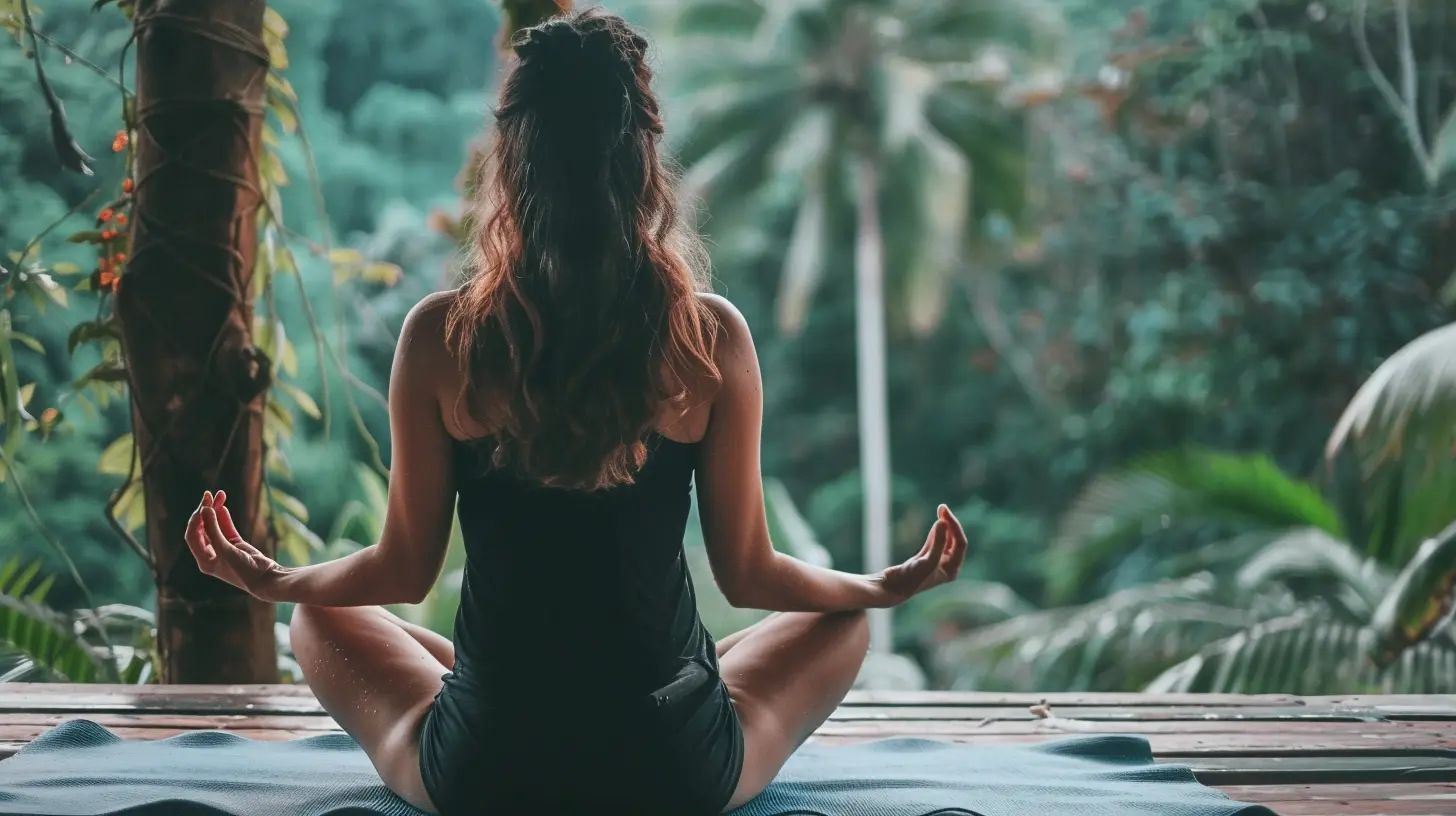
Choose the Right Style for Your Life
Yoga is not one thing. It is a family of practices with wildly different intensities, tempos, and demands. Choosing the wrong style for your current season of life is a common reason people quit.Matching Style to Energy
If you have a high-stress job and come home exhausted, a vigorous vinyasa flow might feel like another obligation rather than relief. In that season, restorative yoga or yin yoga might serve you better. These slower practices ask you to hold poses for longer periods with props for support, and they are deeply calming for the nervous system.Conversely, if you sit at a desk all day and feel restless, a stronger flow or a power yoga class might give you the physical release you need. The key is to match the style to what your body and mind actually need, not what you think you should be doing.
The Case for Trying Multiple Styles
You do not have to commit to one style forever. In fact, many long-term practitioners rotate through styles depending on the season, their energy levels, and their goals. Having two or three styles in your rotation keeps practice interesting and ensures you have options when one does not fit.Consider keeping a short list of go-to practices for different scenarios. A calming evening sequence for stressful days. A gentle morning flow for low-energy mornings. A slightly more vigorous practice for days when you feel strong. This flexibility makes it much harder to justify skipping.
Studio vs. Home Practice
Both have real advantages. Studios offer instruction, community, and a dedicated space that separates practice from daily life. The energy of practicing alongside others can be motivating, and a good teacher can correct alignment issues you might not notice on your own.Home practice offers convenience, privacy, and zero commute time. It is also significantly cheaper. The trade-off is that you need to create your own structure and motivation without external accountability.
Many people find that a hybrid works best. Attend a studio class once or twice a week for instruction and community, and practice at home on other days for convenience. This combination gives you the benefits of both without the drawbacks of relying entirely on either.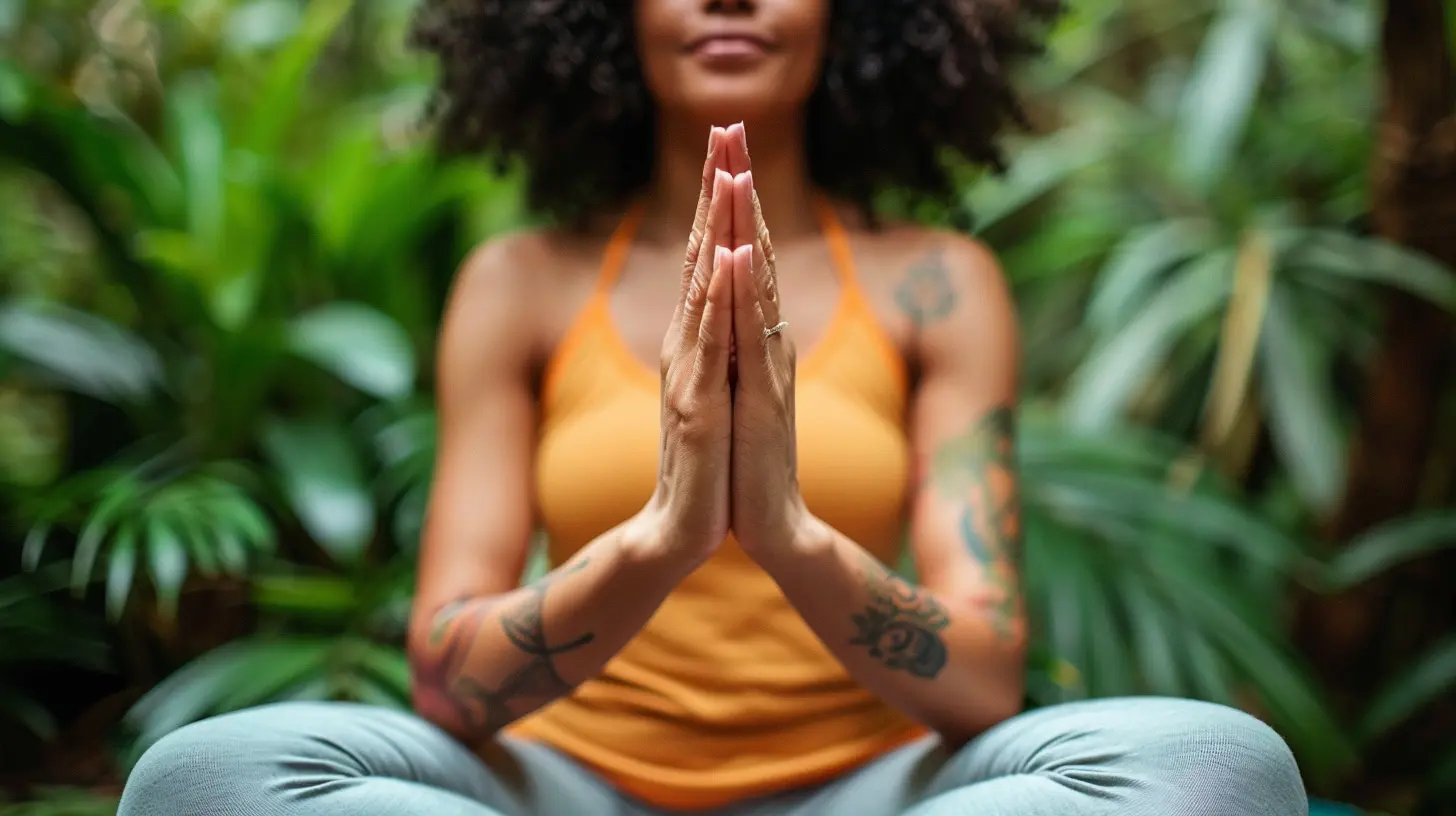
Build a Practice Environment That Supports You
Your environment shapes your behavior more than your willpower does. If practicing yoga requires moving furniture, finding a video, and clearing clutter every time, you will do it less often. Design your space so that practice is the path of least resistance.The Dedicated Space Myth
You do not need a dedicated yoga room. Most people do not have one. What you need is a spot where you can roll out a mat and move without hitting anything. A corner of a bedroom, a section of living room floor, or even a patch of outdoor space works fine.The key is to keep your mat accessible. If it is buried in a closet behind boxes, you will not use it. Leave it rolled out or stored where you can grab it in seconds. Some people find that leaving their mat visible serves as a gentle visual cue that reminds them to practice.
Props and Tools
You do not need much equipment to start. A mat is essential. Blocks and a strap are helpful for modifying poses and making them accessible, especially if you are inflexible or recovering from injury. A bolster is nice for restorative practice but not necessary in the beginning.Resist the urge to buy everything at once. Accumulate props as you notice specific needs. If you find yourself struggling to reach the floor in certain poses, buy blocks. If you want to hold poses longer, consider a bolster. Let your practice tell you what you need.
Digital Tools That Help (and Hurt)
Yoga apps and online classes can be wonderful resources. They offer variety, instruction, and the ability to practice at home without figuring out sequences on your own. But they can also become a source of friction if you spend more time choosing a video than actually practicing.Consider creating a short list of favorite videos or teachers so you do not have to scroll through options every time. Or follow a structured program that tells you what to do each day. Decision fatigue is real, and removing it from your practice routine makes showing up easier.
Anchor Yoga to Existing Routines
One of the most reliable ways to build any habit is to attach it to something you already do without thinking. This is called habit stacking, and it works because you are piggybacking on an established neural pathway rather than creating a new one from scratch.Morning Anchors
If you already have a morning routine, even a simple one like making coffee or brushing your teeth, you can attach yoga to it. For example, after you start the coffee maker, roll out your mat and do five minutes of stretching while it brews. The coffee becomes the cue. You do not have to remember to practice because the smell of coffee triggers the action.Morning practice has practical advantages. It happens before the day's demands pile up, and it sets a tone of intentionality. The trade-off is that mornings are often rushed, and you may need to wake up slightly earlier. If that feels unsustainable, consider a different anchor.
Evening Anchors
For many people, evenings are more realistic. Attaching yoga to the transition from work to home life can serve as a decompression ritual. Change out of work clothes, roll out the mat, and do a short practice before dinner. This helps separate the workday from personal time and gives you a reason to practice that has nothing to do with fitness.The risk with evening practice is fatigue. If you are too tired by the end of the day, the habit may erode. Pay attention to your energy patterns and adjust accordingly.
Anchoring to Transitions
Some of the most effective anchors are transitions rather than fixed times. Practicing right after you wake up, right before you go to bed, or right after you get home from work works because these are natural boundary moments. You are already shifting from one mode to another, so adding yoga to that shift feels less like an interruption and more like part of the flow.Handle Interruptions Without Losing the Habit
Life will interrupt your practice. You will get sick. You will travel. You will have weeks where everything falls apart. The people who maintain long-term habits are not the ones who never miss. They are the ones who get back on track quickly.The Never Miss Twice Rule
This is a simple but powerful guideline. If you miss a day, do not miss two in a row. One missed day is an accident. Two missed days is the beginning of a new pattern. By committing to never miss twice, you prevent a single slip from becoming a slide.This rule is forgiving enough to accommodate real life but strict enough to maintain momentum. It acknowledges that perfection is impossible while keeping the habit alive.
Planned Breaks vs. Drift
There is a difference between intentionally taking a break and drifting away from practice. If you know you will be traveling for a week, decide in advance that you will do a short practice in your hotel room or accept that you are pausing and will resume on a specific date. The key is intentionality. A planned break does not erode the habit. Unplanned drift does.Returning After a Gap
If you do fall off for an extended period, do not try to make up for lost time. Do not jump back in with an intense practice. Start where you are, with a short and gentle session. The goal is to re-establish the habit, not to prove anything. Be kind to yourself and focus on the next practice rather than the ones you missed.Track Progress in Ways That Matter
Tracking can be motivating, but only if you track the right things. Tracking minutes or calories misses the point of yoga. Tracking how you feel, what you notice, and how your body changes over time gives you meaningful feedback that reinforces the habit.Simple Tracking Methods
A calendar with an X for each day you practice is enough. This visual record serves as evidence of your consistency and provides a small dopamine hit each time you mark a day. It also makes gaps visible, which can prompt you to reflect on what caused them.You can also keep a brief journal. After each practice, write one sentence about how you feel or what you noticed. Over time, this record becomes a powerful reminder of why you practice. On days when motivation is low, reading your own notes about how yoga has helped you can be more persuasive than any external motivation.
What Not to Track
Avoid tracking things that create pressure or comparison. Do not track how many advanced poses you can do or how you compare to others in a class. Yoga is not a competitive sport, and treating it like one undermines the internal benefits that make it sustainable.Common Mistakes and Misconceptions
Even well-intentioned practitioners fall into predictable traps. Here are the ones that most often derail sustainable habits."I'm Not Flexible Enough for Yoga"
This is the most common misconception about yoga. Flexibility is not a prerequisite. It is a result. You do not need to touch your toes to practice yoga. You need to show up and breathe. The poses will meet you where you are, especially if you use props and modifications."I Need to Practice for at Least an Hour"
Long practices are wonderful, but they are not required. Short practices done consistently are more valuable than long practices done sporadically. If an hour feels daunting, practice for ten minutes. If ten feels like too much, practice for two. The duration matters far less than the consistency."Yoga Is Just Stretching"
Yoga includes stretching, but it is not limited to it. It involves strength, balance, breath control, and mental focus. Many people are surprised to find that yoga challenges their muscles as much as their flexibility. The physical benefits are broader than most people expect."I Have to Be Calm to Practice"
Some people avoid yoga because they feel too stressed or restless to practice. This is backwards. Yoga is not a reward for being calm. It is a tool for becoming calm. If you are stressed, that is exactly when practice is most useful.Making It Stick Long-Term
Sustainability is about more than routine. It is about finding meaning in the practice and allowing it to evolve as you do.Revisit Your Why
Take time periodically to reflect on why you practice. Is it for stress relief? Physical health? Mental clarity? Connection to something larger? Your reasons may shift over time, and that is fine. What matters is that you know your current reasons and that they are compelling enough to motivate you on hard days.Allow the Practice to Change
The yoga that serves you at 25 may not serve you at 45. Injuries, life stages, and changing priorities all influence what kind of practice makes sense. Do not cling to a version of practice that no longer fits. Let it evolve. The habit can remain even as the form changes.Find Community
Practicing alone is fine, but practicing with others adds accountability, connection, and enjoyment. This might mean attending a weekly class, joining an online community, or practicing with a friend. Community makes the habit more resilient because it adds a social dimension that survives even when personal motivation dips.A Sample Weekly Structure
Here is one example of what a sustainable weekly practice might look like. This is not prescriptive. It is a starting point you can adapt.- Monday: 15-minute gentle morning flow
- Tuesday: 20-minute studio class or online video
- Wednesday: 10-minute restorative practice before bed
- Thursday: 20-minute studio class or online video
- Friday: 10-minute stretch after work
- Saturday: 30-minute practice of choice (longer session when time allows)
- Sunday: Rest or 5-minute breathing practice
Notice that the sessions vary in length and intensity. This variability makes the habit more resilient because it accommodates different energy levels and schedules. It also prevents boredom.
Final Thoughts
Building a sustainable yoga habit is not about willpower. It is about design. It is about starting small, choosing practices that fit your life, creating an environment that supports you, and handling interruptions with grace.The people who practice yoga for decades are not superhuman. They have simply found ways to keep showing up. They have made peace with short sessions, imperfect practices, and seasons of inconsistency. They have built a habit that bends without breaking.
You can do the same. Start with two minutes. Anchor it to something you already do. Let it be easy. And when you miss a day, come back the next. That is the whole secret. Everything else is details.
all images in this post were generated using AI tools
Category:
Yoga BenefitsAuthor:

Madeline Howard