The Best Smoothies for Post-Workout Recovery
29 October 2026
You finish a hard training session. Your muscles are buzzing, your shirt is soaked, and your glycogen tank is running on empty. What you do in the next 30 to 60 minutes can shape how you feel tomorrow and how well you adapt to the work you just did. A smoothie is one of the most practical recovery tools available, but only if you build it with intention. Toss random fruit and protein powder into a blender and you get a sugary snack. Build it around physiology and you get a recovery meal that rivals anything you could chew.
This guide breaks down what recovery nutrition actually needs to accomplish, which ingredients deliver those outcomes, and how to assemble smoothies for different goals, body sizes, and dietary constraints. It also covers the mistakes that quietly undermine recovery, the myths that refuse to die, and the trade-offs you should weigh before making a smoothie your default post-workout habit.
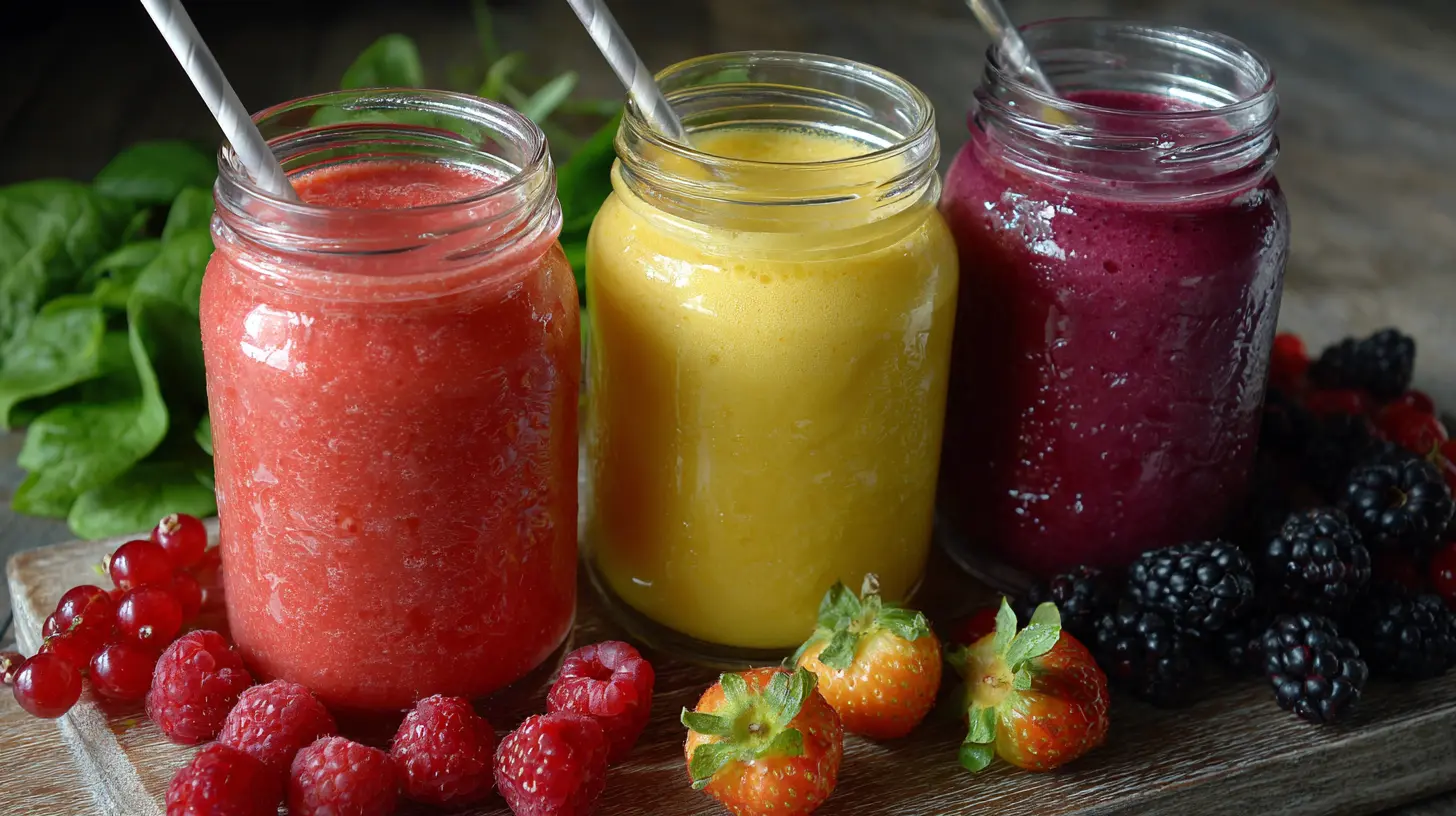
What Post-Workout Recovery Actually Requires
Recovery nutrition is not one problem. It is several problems happening at once, and a good smoothie addresses most of them in a single glass.Replenishing Glycogen
Hard training depletes muscle glycogen, the stored carbohydrate your body draws on during intense work. After exercise, muscle cells are unusually receptive to glucose uptake. This window is real, though its importance depends on context. If you train once a day with adequate meals around it, glycogen restoration is less urgent. If you train twice a day, compete in tournaments, or run high-volume endurance blocks, fast carbohydrate delivery matters a great deal. Liquid carbohydrates digest quickly and empty from the stomach faster than solid food, which is one reason smoothies work well when appetite is suppressed after hard efforts.Repairing Muscle Protein
Resistance training and demanding endurance work both cause muscle protein breakdown. Consuming protein after exercise shifts the body toward net muscle protein synthesis, the process of rebuilding. The research consensus points to roughly 20 to 40 grams of high-quality protein per serving for most athletes, with the higher end favoring larger individuals and older athletes who experience anabolic resistance. Smoothies are an efficient delivery vehicle because you can hit that target with a combination of dairy, protein powder, or plant blends without cooking anything.Restoring Fluid and Electrolytes
Sweat losses vary enormously. A cool-weather easy run might cost you 500 milliliters of fluid. A hot-weather interval session can push losses past two liters along with meaningful sodium. A smoothie contributes fluid and, depending on ingredients, electrolytes. It is not a full replacement for a dedicated hydration plan during long or hot events, but it chips away at the deficit while delivering nutrients at the same time.Managing Inflammation and Oxidative Stress
Exercise creates transient inflammation and oxidative stress. This is part of the adaptation signal, not a problem to eliminate. The goal is to support recovery without blunting the training response. Whole-food ingredients like berries, tart cherries, and leafy greens contribute polyphenols and micronutrients that support normal recovery processes. The key nuance: do not megadose isolated antioxidants around training, because some evidence suggests high-dose antioxidant supplementation can interfere with adaptation. Food-first approaches sidestep most of that risk.The Timing Question, Handled Honestly
The famous "anabolic window" is narrower in popular lore than in reality. If you ate a solid meal within a few hours before training, you have time. The practical priority is total daily protein and calories, not a frantic race to the blender. That said, a post-workout smoothie is convenient, palatable when appetite is low, and fast to digest, which makes it a smart default whether you drink it 20 minutes or 90 minutes after your last set.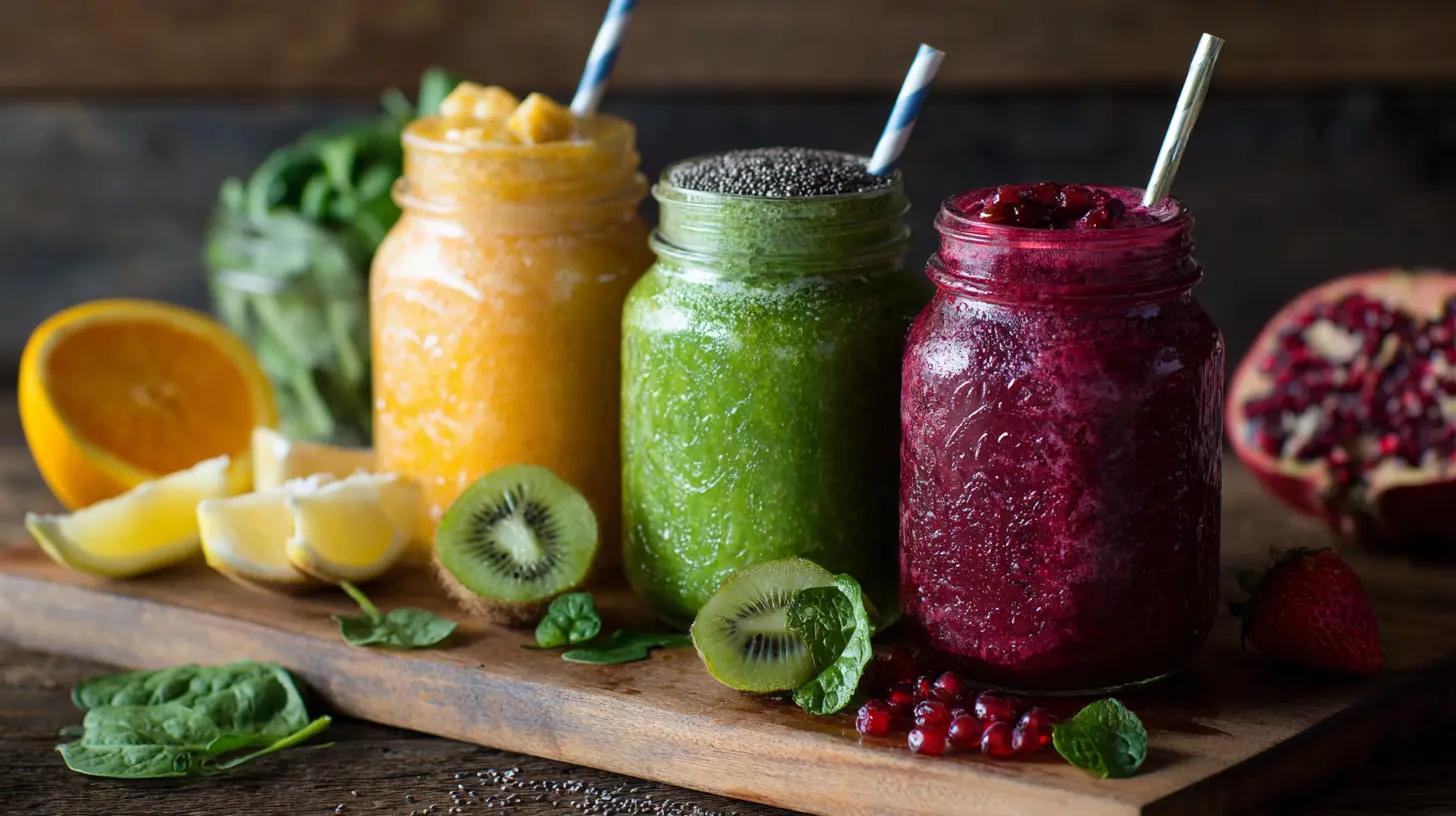
The Core Formula for a Recovery Smoothie
Every effective recovery smoothie balances four components. Get the ratios right and the flavor almost takes care of itself.1. Protein: 20 to 40 grams. Whey is the fast-digesting benchmark. Casein is slower. Blends of pea and rice protein cover the amino acid profile well for plant-based athletes. Greek yogurt and cottage cheese work if you prefer whole foods.
2. Carbohydrate: 30 to 60 grams, scaled to session demands. Banana, berries, mango, oats, and dates are reliable sources. Hard sessions and high-volume training justify the higher end.
3. Fluid: 250 to 400 milliliters as a base. Water, milk, or unsweetened plant milk. Milk adds protein and electrolytes; water keeps the smoothie lighter.
4. Supporting players: electrolytes, fiber, and micronutrients. A pinch of salt, a handful of spinach, chia or flax for texture and fats. Keep fats modest right after training, since fat slows gastric emptying, which matters if you need fast delivery.
A simple template: one cup of liquid, one scoop of protein, one to two servings of fruit, one optional whole-food carbohydrate source, and a small handful of greens. Blend, drink, move on with your day.
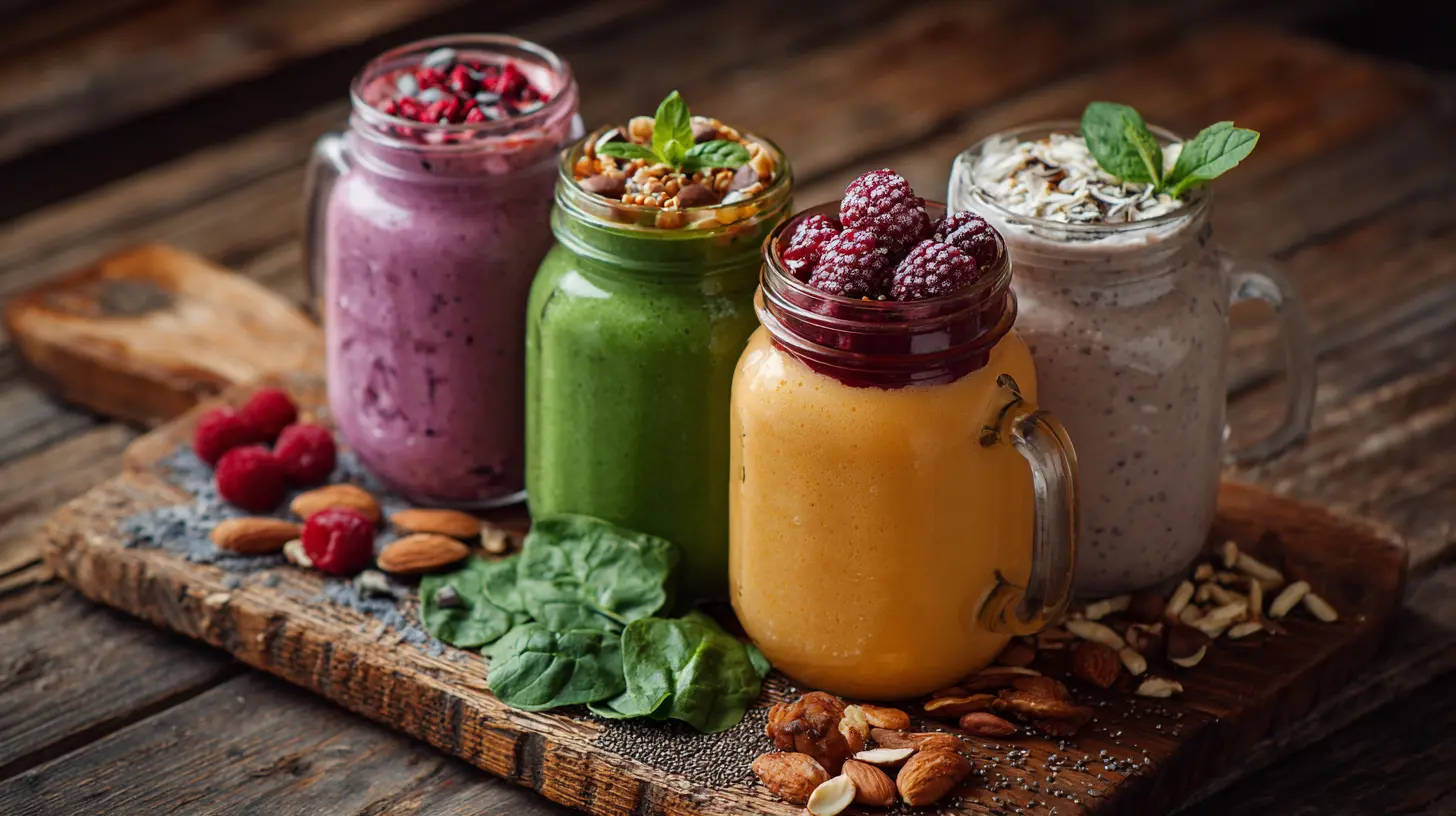
Smoothie Recipes Built for Specific Recovery Goals
The recipes below are frameworks, not rigid formulas. Adjust portions to your body size and training load. A 60 kilogram runner and a 95 kilogram lifter should not drink identical portions.1. The Fast-Digesting Glycogen Refill (for high-volume or twice-daily training)
- 300 milliliters water or coconut water- 1 scoop whey isolate (about 25 grams protein)
- 1 large banana
- 1 cup frozen mango
- 2 tablespoons honey or 2 to 3 pitted dates
- Pinch of salt
Why it works: Low fat and low fiber keep digestion fast, which is exactly what you want when you have another session within hours. Coconut water contributes potassium and some sodium. The fruit and honey deliver quickly absorbed carbohydrate. This is the smoothie to reach for after a long run followed by an evening session, or during a competition day with multiple events.
When to skip it: If your next training session is more than 24 hours away and you eat regular meals, you do not need this level of carbohydrate urgency. A more balanced smoothie with some fat and fiber will serve you better.
2. The Muscle Repair Builder (for strength training)
- 250 milliliters milk or unsweetened soy milk- 1 scoop whey or plant protein blend
- 1 cup frozen berries
- Half cup rolled oats
- 1 tablespoon almond butter
- 1 tablespoon chia seeds
Why it works: The oats and nut butter add sustained carbohydrate and a modest amount of fat, which suits the slower recovery rhythm of strength work where the next session is typically a day or more away. Berries contribute polyphenols. Chia adds fiber and alpha-linolenic acid. This smoothie is closer to a meal replacement, which is useful if you struggle to eat solid food after heavy lifting.
Trade-off: The fat and fiber slow digestion. That is fine for a lifter heading home to rest, but it is the wrong choice if you need fuel within the hour for another bout of exercise.
3. The Plant-Based Recovery Blend
- 300 milliliters unsweetened pea or soy milk- 1 scoop pea-rice protein blend (25 to 30 grams)
- 1 medium banana
- 1 cup spinach
- 2 tablespoons hemp seeds
- 1 tablespoon maple syrup
Why it works: Pea and rice proteins complement each other's limiting amino acids, producing a profile close to animal protein. Soy milk adds complete protein and fluid. Hemp seeds contribute minerals and a pleasant nutty flavor. Spinach disappears behind the banana and adds iron and nitrates.
What to watch: Plant proteins often carry more fiber and antinutrients than whey, and some people find them harder on the stomach right after intense effort. Start with smaller portions and test during training, not on race day. Also check that your plant milk is fortified with calcium and vitamin B12 if you rely on it daily.
4. The Hot-Weather Hydration Smoothie
- 400 milliliters coconut water- 1 scoop unflavored or vanilla protein
- 1 cup frozen watermelon
- Juice of half a lime
- Quarter teaspoon salt
Why it works: Watermelon is high in water content and provides natural sugars. Coconut water and added salt replace some sodium and potassium lost in sweat. The high fluid volume makes this smoothie double as a hydration strategy after hot sessions. Keep it thin and drink it slowly if you are prone to stomach sloshing.
Limitation: This is not a sufficient rehydration plan for extreme sweat losses. Weigh yourself before and after training in hot conditions to understand your actual losses, and treat the smoothie as one part of a broader fluid plan.
5. The Light Recovery Shake (for fat-loss phases)
- 300 milliliters water- 1 scoop protein isolate
- 1 cup frozen berries
- 1 tablespoon psyllium husk or half cup cauliflower rice
- Stevia or a few drops of liquid sweetener if needed
Why it works: When calories are restricted, protein intake becomes even more important for preserving lean mass. This smoothie keeps protein high while keeping carbohydrate and fat low, and the fiber source adds volume and satiety. It is not a glycogen-focused recovery drink, and that is the point. During a calorie deficit, you accept slower glycogen restoration in exchange for body composition goals.
Consideration: Do not run this template after every hard session if you train frequently. Chronic underfueling around training erodes performance, sleep quality, and hormonal health. Use it strategically on lower-volume days.
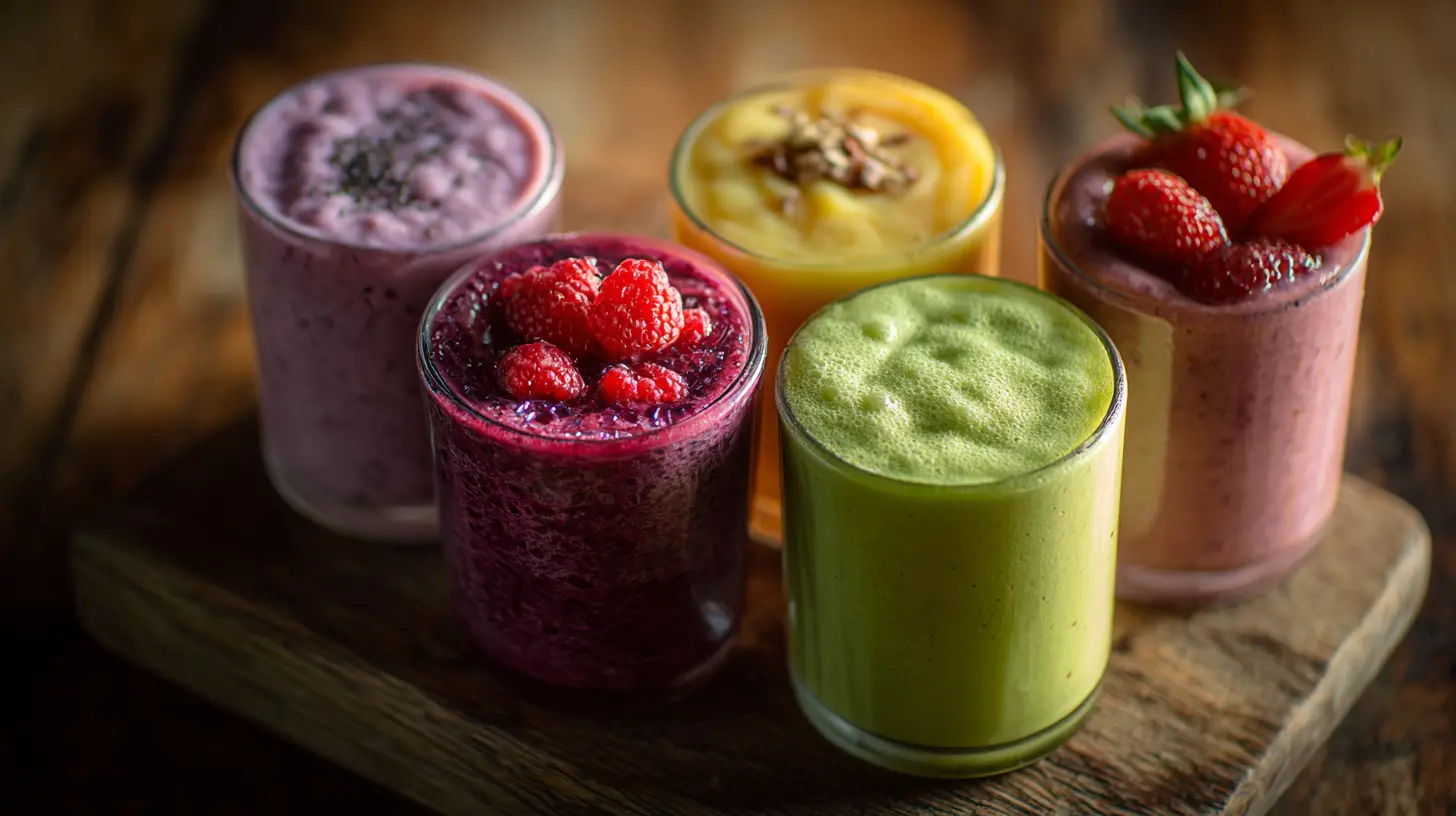
Ingredients That Earn Their Place, and Why
Protein Sources Compared
Whey isolate digests fastest and carries the highest leucine content per gram, which makes it the default for rapid post-workout delivery. Whey concentrate is slightly slower and contains more lactose, which bothers some stomachs. Casein forms a gel in the stomach and is better suited to a pre-sleep shake than immediate recovery. Plant blends have improved dramatically; look for products that combine pea and rice or add methionine to close the amino acid gap. Whole-food options like Greek yogurt and cottage cheese work well in smoothies but add thickness and slow digestion.Practical note: Protein powder quality varies. Look for third-party testing seals if you are a competing athlete subject to doping controls. Contamination is rare but not zero.
Carbohydrate Sources Compared
Bananas are the workhorse: cheap, portable, and rich in potassium. Frozen berries add polyphenols and fiber with modest sugar. Mango and pineapple bring tropical flavor and quick sugars. Oats add beta-glucan fiber and sustained energy but thicken the smoothie considerably. Dates are dense in sugar and minerals and blend into a caramel-like texture. Honey and maple syrup are simple sugars that raise the glycemic impact when fast delivery matters.How to choose: Match the carbohydrate source to urgency. Fast sessions need fast carbs. Slower recovery days can afford fiber-rich sources.
The Supporting Cast
- Leafy greens: Spinach and kale add nitrates, vitamin K, and iron. Their flavor hides well behind fruit.- Seeds: Chia, flax, and hemp add minerals, fiber, and plant omega-3s. Grind flax for better absorption.
- Electrolyte sources: A pinch of salt, coconut water, or a low-sugar electrolyte powder. Avoid heavily sweetened sports drinks inside the smoothie; they add sugar without much else.
- Tart cherry juice: Popular in recovery discussions for its polyphenol content. Use it as part of your liquid base if you enjoy the taste; do not treat it as a magic bullet.
Common Mistakes That Undermine Recovery Smoothies
Treating the smoothie as a meal replacement when it is not. A smoothie can be a meal, but only if it contains enough total calories, protein, and micronutrients. Many people blend fruit and a little protein and call it dinner, then wonder why they feel depleted. Count the rough totals before you rely on it.Overloading fat right after training. Avocado, nut butter, and coconut oil are nutritious, but large amounts slow gastric emptying. If fast delivery matters, keep added fats to a tablespoon or less. Save the heavier fat sources for meals later in the day.
Ignoring total daily protein. The post-workout shake is one feeding among several. Hitting 1.6 to 2.2 grams of protein per kilogram of body weight per day, spread across three to five feedings, matters more than the precise timing of any single one.
Using smoothies to mask poor overall nutrition. A recovery smoothie cannot compensate for chronically low calorie intake, skipped meals, or a diet built on processed food. It is a tool, not a foundation.
Drinking too fast after very hard efforts. Large volumes of cold, sweet liquid can trigger nausea when blood flow is still redirected to working muscles. Sip over 10 to 15 minutes rather than chugging.
Assuming all protein powders are equal. Protein content per scoop varies from 15 to 30 grams. Read labels and adjust portions to hit your target rather than trusting the word "protein" on the tub.
Misconceptions Worth Retiring
"You must drink your shake within 30 minutes or the workout is wasted." The window is wider than gym folklore suggests. Total daily intake dominates. The 30-minute rule matters most for athletes training multiple times per day or competing in events with short turnarounds."More protein is always better." Muscle protein synthesis plateaus. A 60-gram dose does not produce double the response of 30 grams. Excess protein is either oxidized for energy or stored, and very high intakes can crowd out carbohydrate when you actually need glycogen.
"Antioxidant megadoses speed recovery." High-dose isolated antioxidants may blunt some adaptive signaling. Whole-food sources in a smoothie are a different story and generally fine. The distinction between food and pills matters here.
"Smoothies are always healthier than solid food." Chewing contributes to satiety and slows intake. Liquid calories are easy to overconsume. For some people, a solid meal after training is the better choice, and that is perfectly acceptable.
"Fruit sugar after training is bad." Post-exercise is precisely when fast carbohydrate is most useful. The fear of fruit sugar is misplaced in this context, especially for athletes with high energy demands.
Practical Tips for Building the Habit
Prep freezer packs. Portion fruit, greens, and seeds into bags or containers ahead of time. On training days, dump a pack into the blender with liquid and protein. This removes friction, which is the main reason recovery nutrition fails.Keep the blender clean-ish. Rinse it immediately after use. A five-second rinse saves a ten-minute scrub later and makes you more likely to repeat the habit.
Adjust thickness with liquid, not more powder. If the smoothie is too thick, add water or milk. Adding more protein powder throws off the macro balance.
Taste-test during training, not on race day. Any new ingredient, especially protein powders and fiber sources, should be trialed in low-stakes sessions. GI distress during competition is a preventable own goal.
Track loosely for a week. Estimate your protein and carbohydrate totals for a few days to calibrate portions. Most people are surprised by how far off their guesses are.
Consider your living situation. If you travel frequently, a shaker bottle and single-serve protein packets plus a banana from a convenience store can approximate a recovery smoothie when a blender is not available. Convenience shapes consistency.
Matching the Smoothie to Your Training Context
The single most useful decision you can make is to match the smoothie to the session and the schedule that follows it.- Twice-daily training or tournament days: prioritize fast carbohydrate and fast protein. Low fat, low fiber, high fluid.
- Strength training with a day between sessions: a balanced smoothie with oats, seeds, and some fat works well and doubles as a meal.
- Endurance sessions in heat: emphasize fluid, sodium, and potassium alongside carbohydrate and protein.
- Calorie-restricted phases: keep protein high, control carbohydrate portions, and use fiber for satiety, while accepting slower glycogen restoration.
- Evening training: a lighter smoothie with casein or a plant blend can serve as a pre-sleep feeding, supporting overnight muscle repair without a heavy meal close to bedtime.
There is no single best smoothie. There is a best smoothie for your session, your body, and your next 24 hours. Build from the formula, adjust for context, and keep the ingredients you will actually use consistently. Consistency beats optimization every time.
all images in this post were generated using AI tools
Category:
Healthy SmoothiesAuthor:

Madeline Howard