The Best Gluten-Free Alternatives to Traditional Flour
8 May 2026
Let’s get one thing straight from the start: giving up wheat flour doesn’t mean giving up pancakes, cookies, or even your Grandma’s banana bread. Nah. Gluten-free baking isn’t a punishment—it’s an adventure. A wild, quirky, sometimes messy, often delicious, always crumb-filled adventure. And if you’re here because you’re trying to dodge gluten (thanks, Celiac, gluten sensitivity, or just curiosity), then you’re right where you need to be.
Welcome to the wacky world of gluten-free flours. It’s not just rice flour vs. almond flour anymore. Oh no. The flour aisle has officially become a culinary jungle, packed with nuts, seeds, roots, legumes, and even bananas (yep, bananas). So grab your apron and a notepad, because we’re diving deep into the best gluten-free alternatives to traditional flour.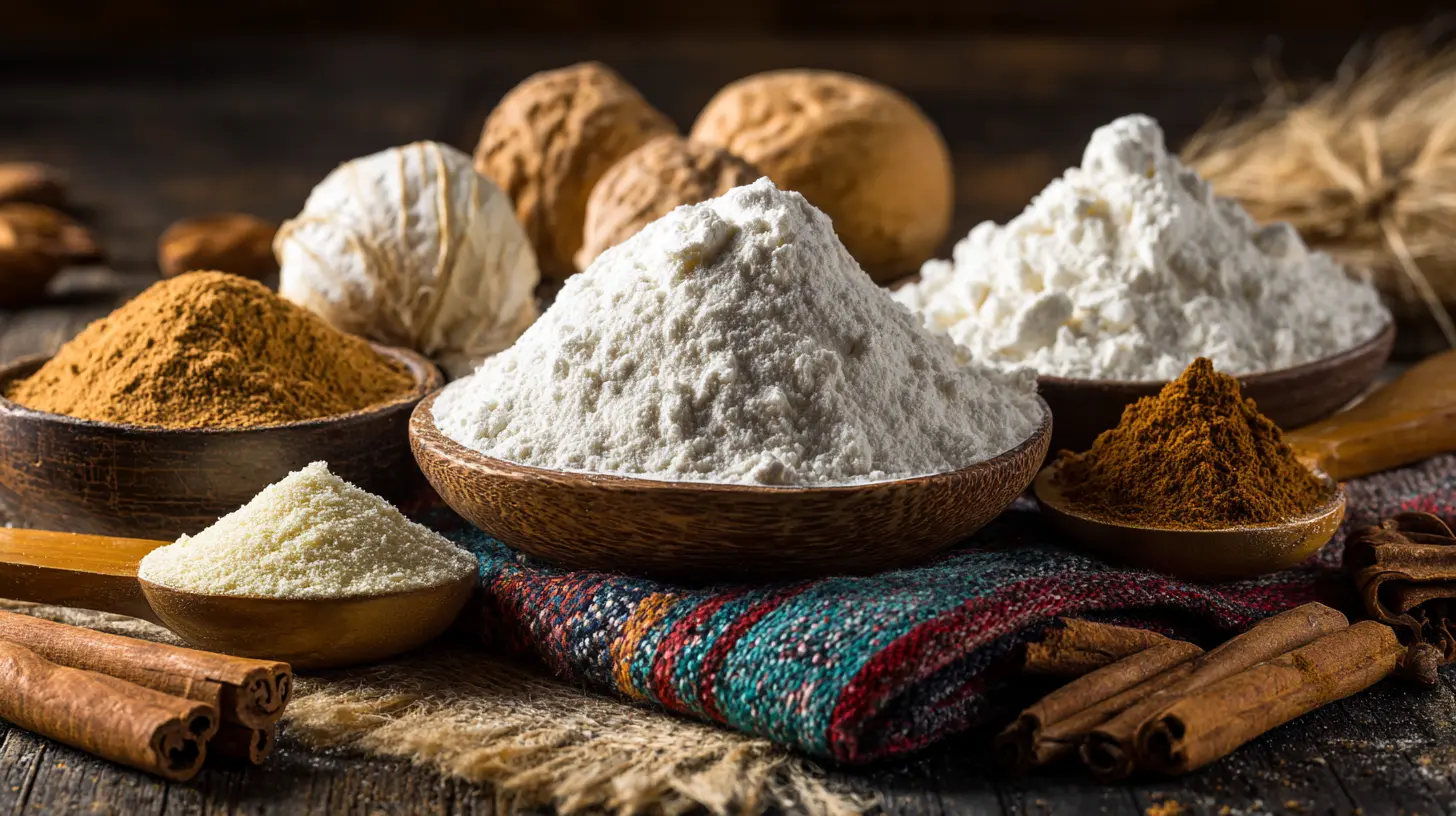
First, Why Go Gluten-Free?
Let’s rewind a sec. Before we start scooping cassava into a mixing bowl, let’s understand the “why.”Some folks ditch gluten because of celiac disease, an autoimmune disorder where gluten basically turns your small intestine into a battleground. Others experience gluten sensitivity—cue bloating, foggy thinking, random fatigue. Then there are people hopping on the bandwagon for cleaner eating or paleo reasons. Whatever your reason, knowing your flour options is key to keeping your kitchen happy and your belly even happier.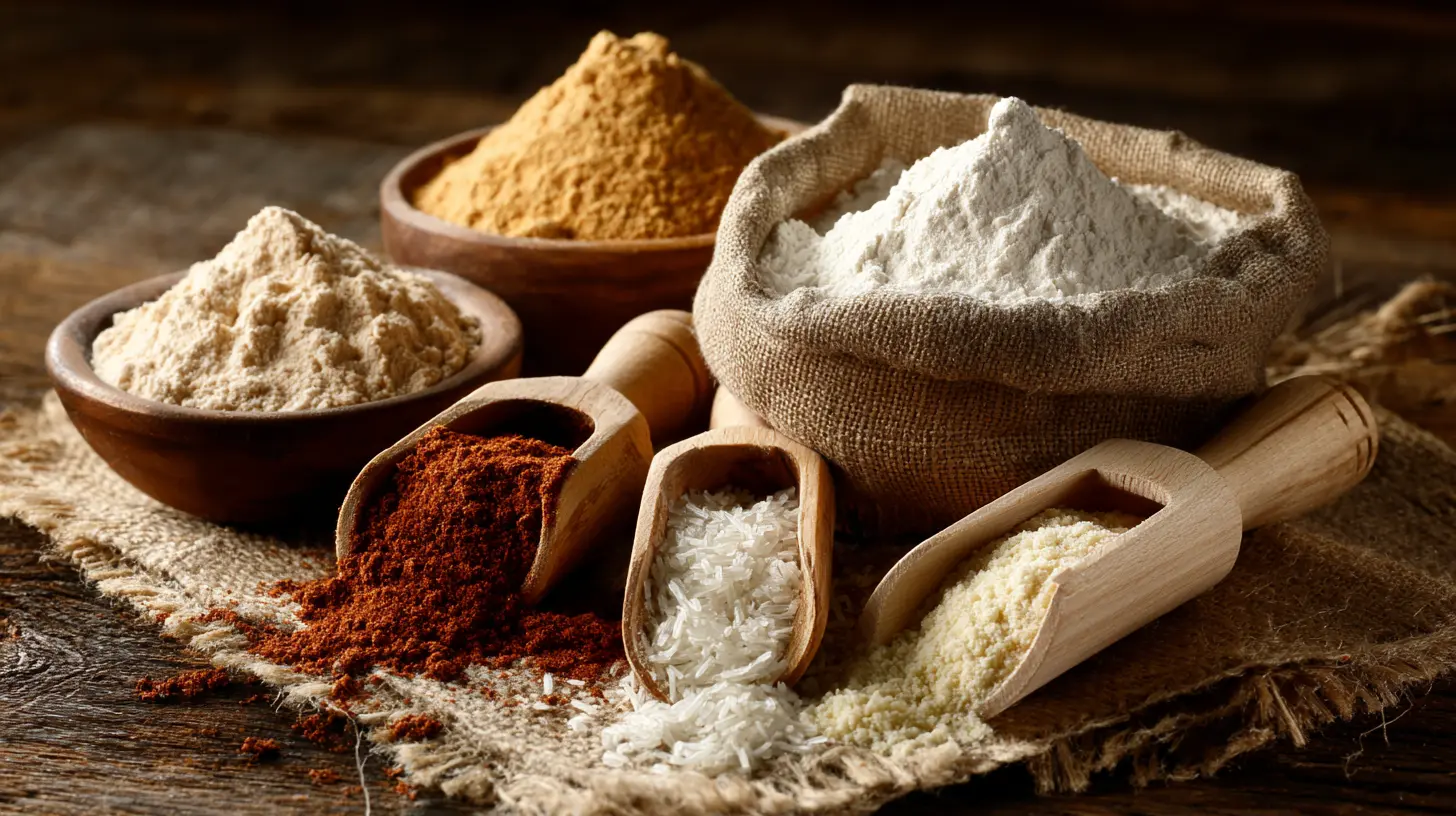
The OG of Gluten-Free: Almond Flour
Made from: Finely ground almonds (duh)Texture: Light, fluffy, and a little bit nutty (aren’t we all?)
Best for: Cookies, muffins, pancakes, and just about any quick bread.
Almond flour is basically the Taylor Swift of the gluten-free world—versatile, beloved, and all over Pinterest. It’s packed with protein and healthy fats, making it an awesome swap if you’re trying to add a little more oomph to your baked goods.
But heads up: it can be dense. You may need more eggs or liquid to keep things from turning into brick loaf. Also, it browns quickly, which is a polite way of saying it burns if ignored. Keep an eye on it in the oven!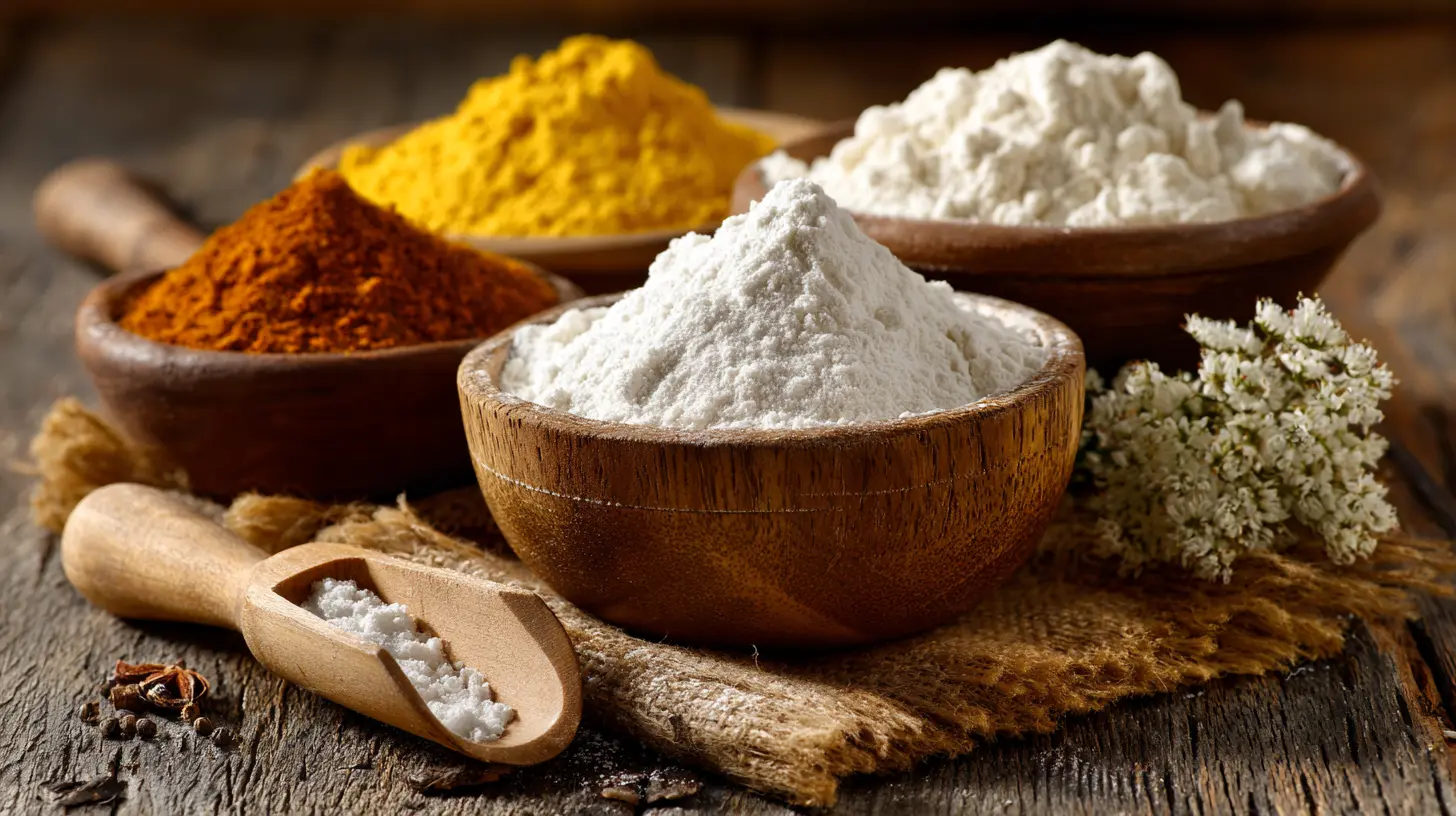
Coconut Flour: The Sponge of Flours
Made from: Dried coconut meatTexture: Super fine, like sand on a tropical beach (minus the sunburn)
Best for: Brownies, pancakes, and dense cakes.
Coconut flour is the thirstiest flour around. Seriously, it drinks up liquids like your houseplant after a vacation. So you’ll need to add a TON more eggs, oil, or liquid than you're used to. Don’t panic—it’s not you, it’s the flour.
It’s naturally sweet and low-carb, which makes it a hit for keto folks. But because it’s so absorbent, you never just swap all the flour in a recipe with coconut flour unless you want a crumbly disaster.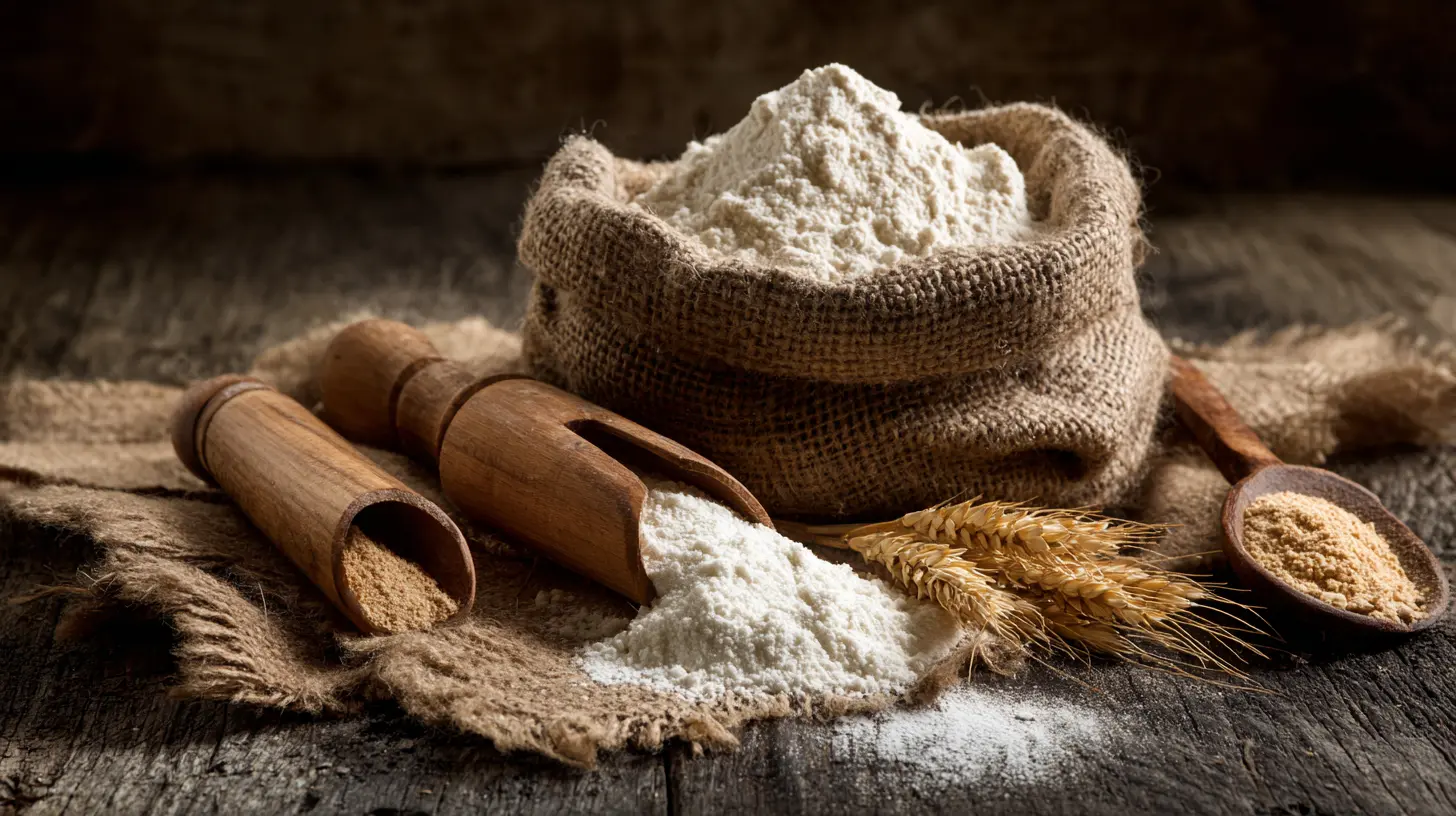
Oat Flour: The Comfort Food Queen
Made from: Ground-up rolled oatsTexture: Soft, fluffy, very homey
Best for: Breads, muffins, pancakes, and cookies
Oat flour feels like a hug from your favorite blanket. It’s soft, mild, and works really well in recipes that need structure but not too much density. Plus, oats are full of fiber and can help lower cholesterol. What’s not to love?
Make sure your oats are labeled gluten-free, though. Cross-contamination is a real party pooper in the gluten-free world.
Rice Flour: The Quiet Classic
Made from: White or brown riceTexture: Fine and powdery
Best for: Noodles, tempura batter, and Asian baked goods
Rice flour is like that friend who never talks much but is always reliable. It’s neutral in taste, doesn’t overwhelm your other ingredients, and plays well with others. You’ll find it in everything from mochi to dumpling wrappers.
Brown rice flour has a little more fiber and a nuttier taste, while white rice flour is super smooth and bland (in a good way). It’s often used in combination with other gluten-free flours to mimic the structure of wheat flour.
Cassava Flour: The Smooth Operator
Made from: The root of the cassava plant (also known as yuca)Texture: Light and powdery, like regular wheat flour
Best for: Tortillas, cakes, cookies, and even sauces
Cassava flour is sneaky good. It's gluten-free, grain-free, and nut-free—basically the triple threat of alternative flours. The texture is so close to wheat flour, you might actually do a double take.
It works well as a 1:1 substitute in some recipes (keyword: some), especially in flatbreads and wraps. Plus, it’s more neutral in taste than coconut or almond flour, which makes it a favorite for pizza crusts. Yes, you heard me. Gluten-free pizza crust. Dreams do come true.
Chickpea Flour (aka Garbanzo Bean Flour): The Protein Punch
Made from: Ground chickpeasTexture: Dense, slightly gritty
Best for: Savory dishes, like crackers, flatbreads, and fritters
Chickpea flour is a bold move—in the best way possible. It’s got a savory edge and smells like roasted peanuts when baking. High in protein, fiber, and iron, it's like the CrossFit coach in flour form.
Try it in veggie burgers, socca (that French flatbread thing), or even thickening soups. Just maybe don’t use it in cupcakes unless you like your frosting confused.
Sorghum Flour: The Sweet Underdog
Made from: Ground sorghum grainTexture: Light, dry, slightly gritty
Best for: Bread, pancakes, muffins—with a little help
Sorghum flour isn’t exactly a household name, but maybe it should be. It’s nutritious, high in antioxidants, and has a mild sweet flavor that makes it perfect for desserts.
But here’s the thing: alone, it’s not going to give you that fluffy structure you’re craving. Pair it with other flours (think rice or tapioca) for better results.
Buckwheat Flour: The Impostor
Made from: Buckwheat… which is not wheat (confusing, I know)Texture: Heavy and dark, like a mystery novel
Best for: Pancakes, crepes, and rustic baked goods
Despite its name, buckwheat is 100% gluten-free. It’s earthy, nutty, and brings major taste to the party. If you’re into old-school Eastern European vibes or hearty breakfast food, you’ll love it.
Just be warned—it has a strong flavor. It’s best to mix it with a milder flour unless you're making buckwheat pancakes and want that full, rich vibe.
Tapioca Flour (aka Tapioca Starch): The Elastic Hero
Made from: Cassava root (different part than cassava flour)Texture: Powdery, almost like cornstarch
Best for: Thickening, binding, and stretching dough
Tapioca flour is basically the elastic waistband of the gluten-free world. It helps give dough that chewy, stretchy, satisfying bite you miss from gluten. That’s why it’s used in things like Brazilian cheese bread (pão de queijo) and chewy flatbreads.
You don’t use this one solo very often—it’s more of a supporting actor than a lead.
Arrowroot Flour: The Mystery Guest
Made from: Several tropical plants (mostly arrowroot)Texture: Silky, like a high-end face powder
Best for: Thickening sauces, puddings, and blending into flour mixes
Arrowroot is that quiet genius in the corner. It blends beautifully into recipes to help hold things together. It doesn’t have a taste, so it’s perfect for sensitive recipes like custards.
Use it along with coconut, almond, or cassava flour to improve the texture, especially in gluten-free baking.
Green Banana Flour: The Smoothie Sneak
Made from: Unripe green bananasTexture: Similar to wheat flour with a slight earthy note
Best for: Smoothies, muffins, pancakes, and thickening
Sounds odd, right? Banana flour? But it’s not banana-y like you think. It actually has a neutral, almost earthy taste. Packed with resistant starch (good for gut health!), this one’s a rising star in the gluten-free world.
You can sneak it into smoothies, protein bars, and baked goods for a fiber boost without scaring anyone off with fruit flavors.
The Art of Blending: Because One Flour Isn’t Enough
Here’s the tough love moment: no single gluten-free flour will do everything wheat flour can do. Sorry, but it’s true.That’s why most successful gluten-free recipes use a flour blend. Think of it as a band—each flour plays its part:
- Almond for texture
- Tapioca for stretch
- Coconut for density
- Rice for bulk
- Arrowroot for softness
You can either buy a pre-made blend (easier, more consistent) or create your own (customized, adventurous). Just be ready to experiment a little.
Quick Look: Gluten-Free Flour Substitution Tips
- Start slow: Don’t swap cup-for-cup unless the recipe says you can.- Use binders: Xanthan gum or psyllium husk help mimic gluten’s stickiness.
- Adjust moisture: Many GF flours need more liquid. Keep an eye on your batter!
- Taste test: Some flours have strong flavors. Balance them out.
- Don’t panic: Your first batch might flop. Laugh, eat it anyway, and try again.
Final Thoughts: Don’t Fear the Flour
So, there you have it. A whole universe of gluten-free flours waiting to jump into your mixing bowl. Baking without wheat is a little like dancing without music at first—awkward, confusing, possibly messy—but once you get the rhythm, it’s actually kind of magical.You don’t have to choose just one. Mix it up. Try that sorghum-almond-tapioca combo. Split your banana flour with coconut. Invite oat flour to your next bake-off.
Your taste buds—and your tummy—will thank you.
all images in this post were generated using AI tools
Category:
Gluten FreeAuthor:

Madeline Howard
Discussion
rate this article
2 comments
Delta Hardy
Great read! It's awesome to see so many tasty gluten-free flour options out there. Cooking can be a fun adventure, and switching things up might just surprise your taste buds. Happy baking and enjoy experimenting with these alternatives!
July 10, 2026 at 4:56 AM
Catherine Hill
Exploring diverse gluten-free options enhances dietary flexibility.
May 15, 2026 at 3:34 PM
Madeline Howard
I completely agree! Exploring alternatives not only adds variety but also makes meals more enjoyable.