The Art of Healthy Meal Prepping
18 March 2026
In today’s fast-paced world, eating healthy can feel like an uphill battle. Between work deadlines, family responsibilities, and social commitments, grabbing fast food or processed snacks often seems like the easiest option. But what if I told you that with a little planning, you could enjoy nutritious, home-cooked meals without the daily hassle?
That’s where healthy meal prepping comes in. It’s not just about saving time—it’s about setting yourself up for success when it comes to eating well. So, whether you're a busy professional, a parent juggling multiple roles, or just someone trying to eat better, this guide will help you master the art of healthy meal prepping.
What is Meal Prepping?
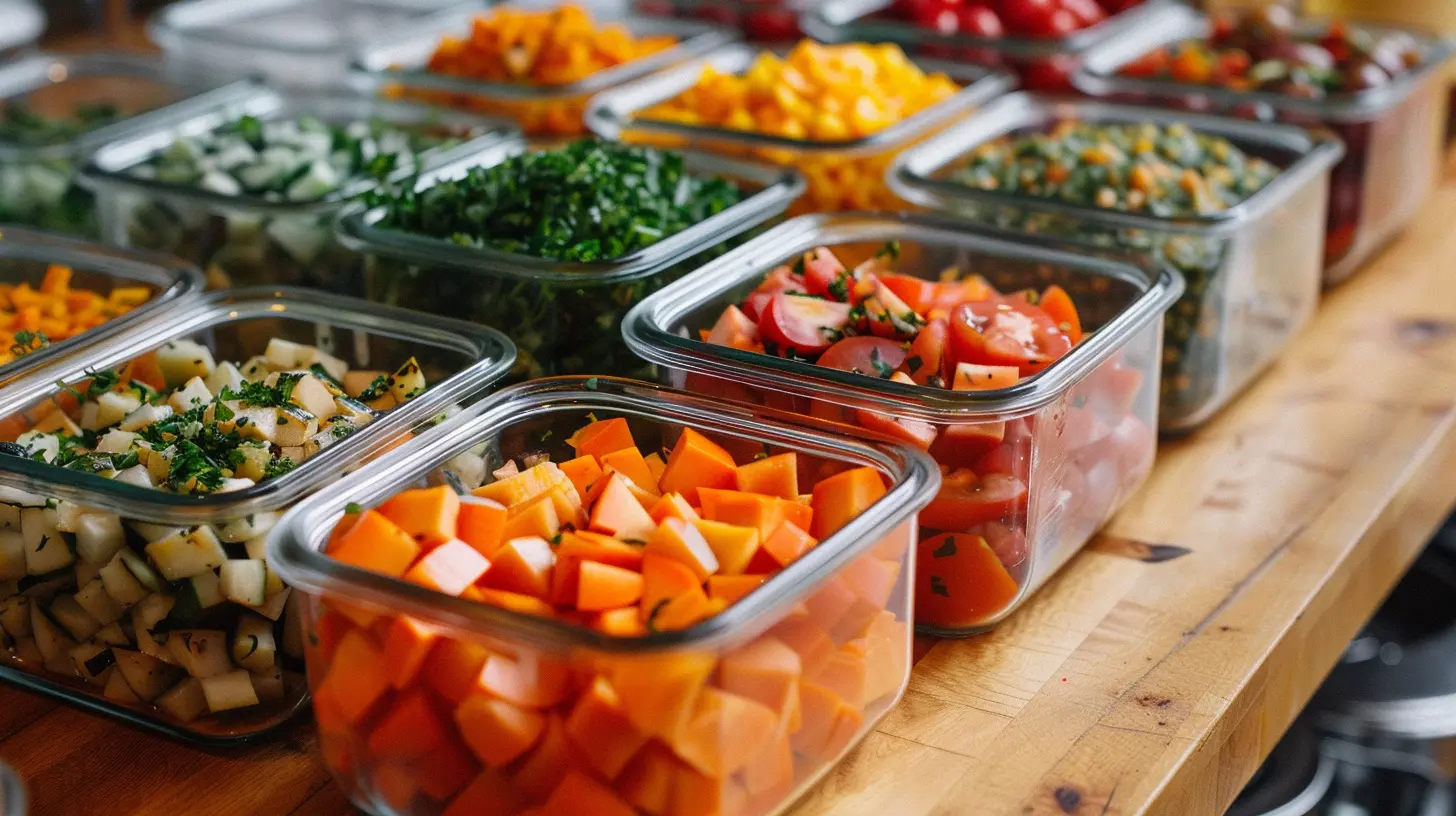
Meal prepping is simply preparing meals or ingredients in advance so that healthy eating becomes effortless during the week. It can involve:- Fully cooking meals and storing them in containers.
- Chopping and prepping ingredients beforehand.
- Batch cooking staples like grains, proteins, and veggies.
The goal? Less stress, healthier choices, and more time for what truly matters.
Why Should You Start Meal Prepping?
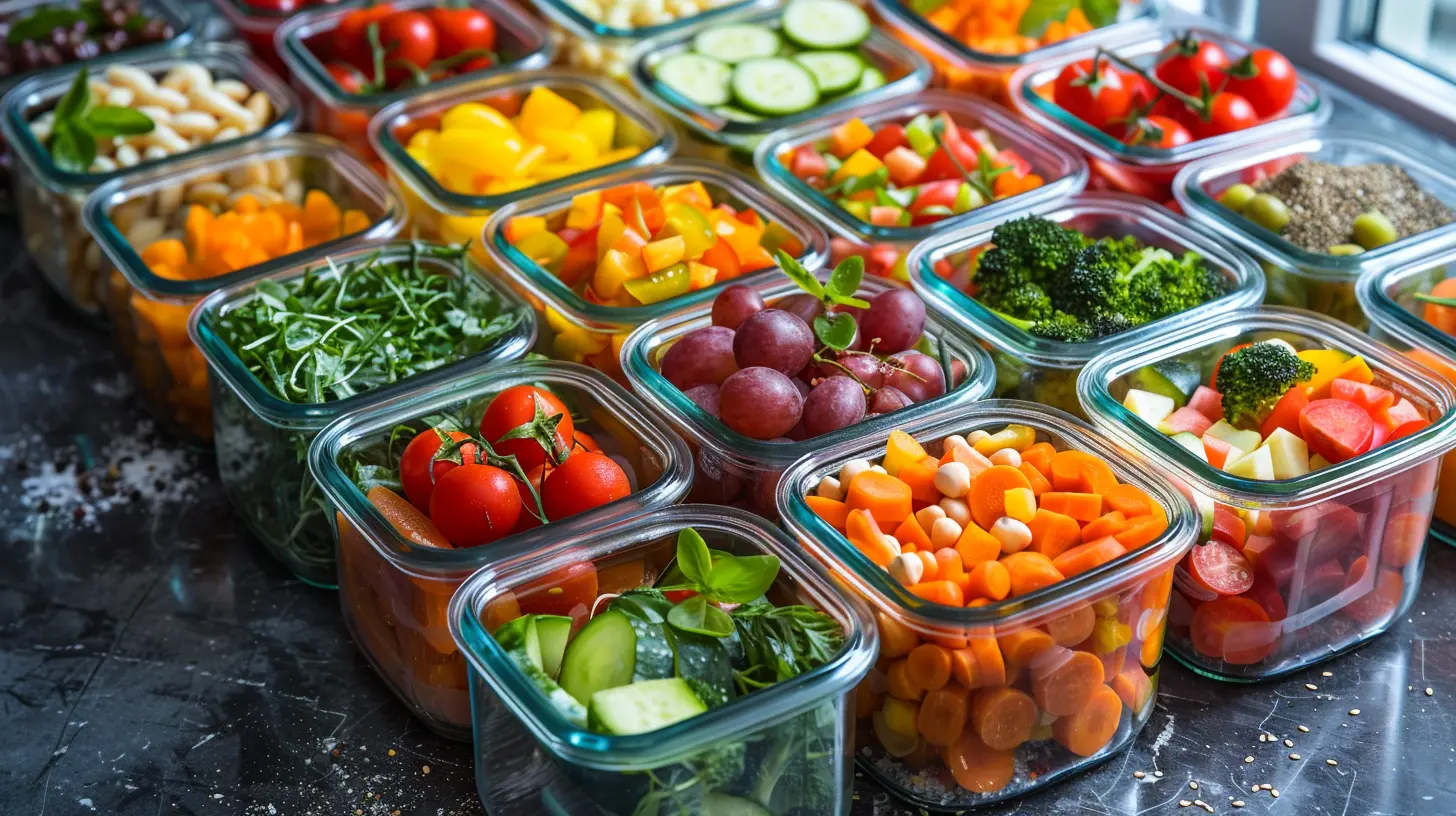
Ever found yourself staring into the fridge wondering what to eat? Or worse, ordering takeout because cooking feels too overwhelming? Meal prepping eliminates that dilemma. Let’s talk about the biggest perks:1. Saves Time
Imagine cooking just once or twice a week instead of every single day. More time for work, workouts, or finally starting that book you’ve been meaning to read!2. Promotes Healthy Eating
When healthy meals are prepped and ready, you’re less likely to reach for processed snacks or unhealthy takeout. It removes the temptation and makes nutritious eating a no-brainer.3. Reduces Stress
No more last-minute scrambles to figure out dinner. Just open the fridge, heat up a meal, and enjoy. It’s like having a personal chef—except the chef is you!4. Saves Money
Buying ingredients in bulk and cooking at home is significantly cheaper than eating out. Plus, reducing food waste means you're making the most of every dollar spent.5. Supports Weight Management
If you’re keeping an eye on your portions and ingredients, meal prepping makes it easier to stick to your health goals. No more mindless overeating or calorie-loaded restaurant meals.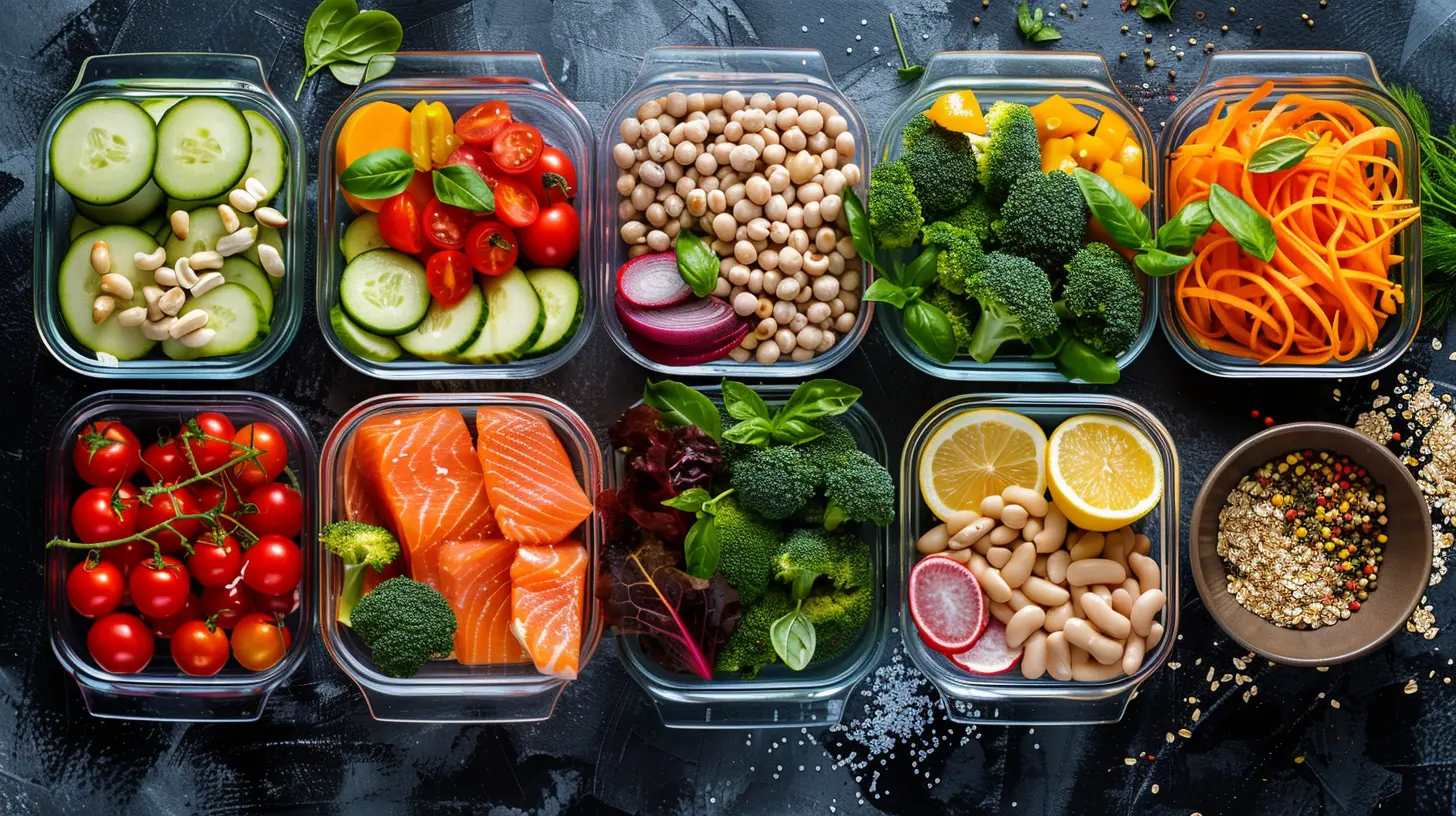
How to Get Started with Meal Prepping
1. Plan Your Meals
Start by deciding what you’ll eat for the week. Consider breakfast, lunch, dinner, and even snacks! A simple rule of thumb:- Protein: Chicken, fish, tofu, beans
- Carbs: Brown rice, quinoa, sweet potatoes
- Veggies: Broccoli, spinach, bell peppers
- Healthy Fats: Avocados, nuts, olive oil
Pro Tip: Choose recipes that share ingredients to save money and reduce waste.
2. Make a Grocery List
Once your meal plan is set, list out everything you need. Stick to whole, unprocessed foods and avoid impulse buys. A structured list keeps you from wandering the aisles buying things you don’t need (we've all been there!).3. Pick a Meal Prep Day
Many people prefer Sunday or Wednesday, but choose a day that works with your schedule. Set aside a few hours to cook, chop, and store your meals for the week.4. Invest in Good Containers
Glass or BPA-free plastic containers are your best bet. Look for:- Airtight lids to keep food fresh.
- Divided compartments to separate meal components.
- Microwave and freezer-safe options for convenience.
5. Cook in Batches
Batch cooking means preparing large portions of food at once. Roast multiple servings of chicken, steam a big pot of veggies, or cook a large batch of quinoa. This method saves time and effort.6. Portion Your Meals
Once everything is cooked, divide meals into containers. This step is key for portion control and ensuring you eat exactly what you planned—no more guesswork.7. Store Your Meals Properly
Fridge: Meals typically stay fresh for up to 4 days.Freezer: If prepping for a longer period, freeze meals and defrost as needed.
Label your containers with dates so you know what to eat first! 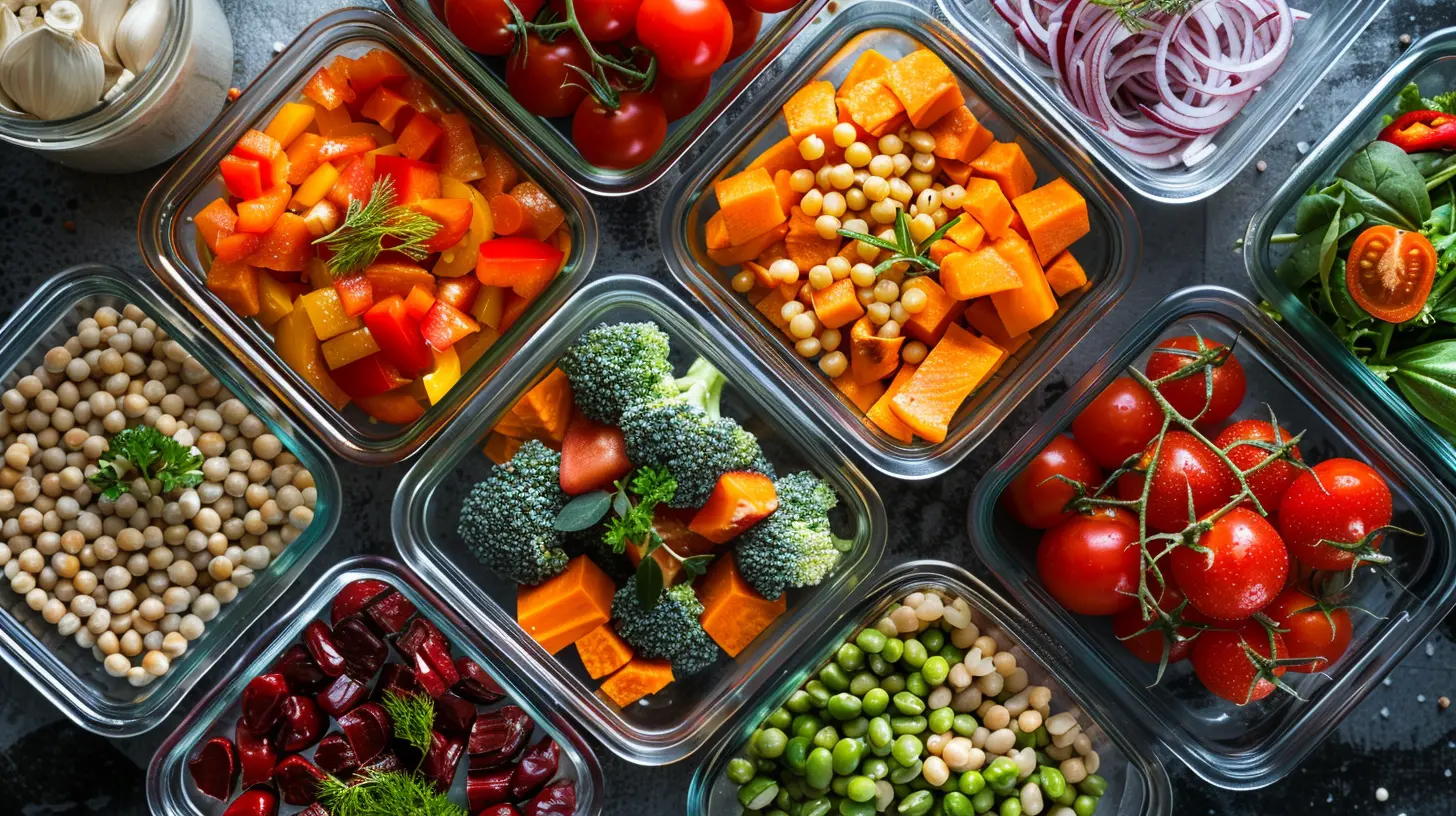
Meal Prep Ideas & Inspiration
If you’re new to meal prepping, start simple. Here are a few easy and nutritious meal ideas:Breakfast Options
- Overnight oats with chia seeds and berries.- Scrambled eggs with spinach and whole-wheat toast.
- Greek yogurt with honey, nuts, and granola.
Lunch Ideas
- Grilled chicken with quinoa and roasted veggies.- Chickpea salad with feta, cucumbers, and lemon dressing.
- Turkey and avocado wrap with a side of hummus.
Dinner Meals
- Baked salmon with sweet potato mash and asparagus.- Stir-fried tofu with brown rice and mixed vegetables.
- Lean beef chili with kidney beans and bell peppers.
Healthy Snacks
- Sliced apples with almond butter.- Carrot and celery sticks with hummus.
- Hard-boiled eggs with a sprinkle of sea salt.
Common Meal Prep Mistakes & How to Avoid Them
Let’s be honest—meal prepping can take some trial and error. Here are some mistakes to watch out for and how to fix them:1. Prepping Too Much at Once
Over-prepping can lead to food going bad before you eat it. Solution? Stick to a 3-4 day prep cycle instead of a full week.2. Cooking Bland Meals
If your meals are boring, you won’t enjoy eating them. Solution? Use different spices, sauces, and fresh herbs to keep flavors fun.3. Ignoring Variety
Eating the same dish every day can become dull. Solution? Rotate proteins, veggies, and grains to keep things exciting.4. Forgetting Snacks
Hunger strikes when you least expect it, and without prepped snacks, you might reach for unhealthy options. Solution? Prep nutritious snacks along with your meals.5. Not Storing Food Properly
Spoiled food is wasted food. Solution? Store meals in airtight containers and ensure your fridge and freezer are at the right temperatures.Final Thoughts
Healthy meal prepping isn’t just about saving time—it’s about taking control of your nutrition and making intentional food choices. By planning ahead, prepping smart, and keeping things simple, you’ll set yourself up for success in your health journey.So, are you ready to give meal prepping a shot? Start small, experiment, and find a routine that works for you. Before you know it, you’ll be eating healthier, feeling better, and reducing daily mealtime stress—all with just a little prep work!
all images in this post were generated using AI tools
Category:
Healthy CookingAuthor:

Madeline Howard
Discussion
rate this article
2 comments
Zyana Montgomery
Meal prepping transforms nutrition into a mindful practice, fostering balance and creativity while simplifying healthy eating choices.
March 22, 2026 at 4:30 AM
Madeline Howard
Absolutely! Meal prepping not only makes healthy eating easier but also encourages us to be more intentional about our meals. It's a great way to explore new recipes and maintain balance in our diets.
Faye O'Brien
Thank you for this insightful article on healthy meal prepping! Your tips on organization and ingredient selection are incredibly helpful. It’s inspiring to see how simple planning can lead to healthier eating habits. I look forward to trying out the ideas you shared!
March 19, 2026 at 6:05 AM
Madeline Howard
Thank you for your thoughtful comment! I'm glad you found the tips helpful and inspiring. Enjoy your meal prepping journey!