Smart Grocery Shopping Habits That Will Boost Your Wellness in 2026
20 April 2026
Grocery shopping—it's something we all do, but how many of us actually think about how to make it a more health-conscious activity? As we step into 2026, it’s high time we reassess our grocery shopping habits. With the right strategies, you can turn your weekly grocery run into a powerful tool for enhancing your overall wellness. So, grab your shopping list (or maybe just your phone), and let’s dive into some smart grocery shopping habits that’ll elevate your health game this year!

The Importance of Mindful Grocery Shopping
Before we jump into the nitty-gritty of grocery shopping habits, let’s take a moment to understand why being mindful while shopping is crucial. Think of your grocery cart as a reflection of your lifestyle. The choices you make in the store can impact your health, mood, and even your budget. By adopting smarter shopping habits, you can fuel your body with nutritious foods while avoiding the pitfalls of unhealthy options.Why It Matters
Did you know that nearly 70% of our food choices are made in the grocery store? That’s right! The items you toss into your cart can either set you up for success or lead you down a path of unhealthy eating. By being intentional about what you buy, you’re not just feeding your body; you’re nourishing your mind and spirit as well.
Habit #1: Create a Weekly Meal Plan
One of the biggest mistakes people make when grocery shopping is wandering the aisles without a plan. It's like going on a road trip without a map—you're bound to get lost! Creating a weekly meal plan not only saves you time but also helps you make healthier choices.How to Get Started
1. Set Aside Time: Dedicate a specific day each week to plan your meals. This could be Sunday afternoon or any day that works for you.2. Choose Recipes: Pick a few recipes that excite you. Aim for a mix of proteins, veggies, and whole grains.
3. Make a List: Write down all the ingredients you’ll need. Stick to this list while shopping to avoid impulse buys.
The Benefits
By meal planning, you’ll likely reduce food waste, save money, and eat healthier. Plus, you’ll have the satisfaction of knowing exactly what’s for dinner!
Habit #2: Shop the Perimeter First
Did you know that the perimeter of the grocery store is often where the healthiest foods are located? Fresh produce, meats, dairy, and whole grains usually line the outer edges, while the inner aisles are filled with processed foods.The Strategy
1. Start with Fresh: Begin your shopping trip in the produce section. Load up on colorful fruits and veggies—they’re packed with vitamins and nutrients.2. Choose Whole Foods: After grabbing your fresh produce, head over to the meat and dairy sections for high-quality proteins and healthy fats.
Why It Works
Shopping the perimeter first helps you prioritize whole, unprocessed foods. It’s like building the foundation of a house; without a strong base, everything else can crumble.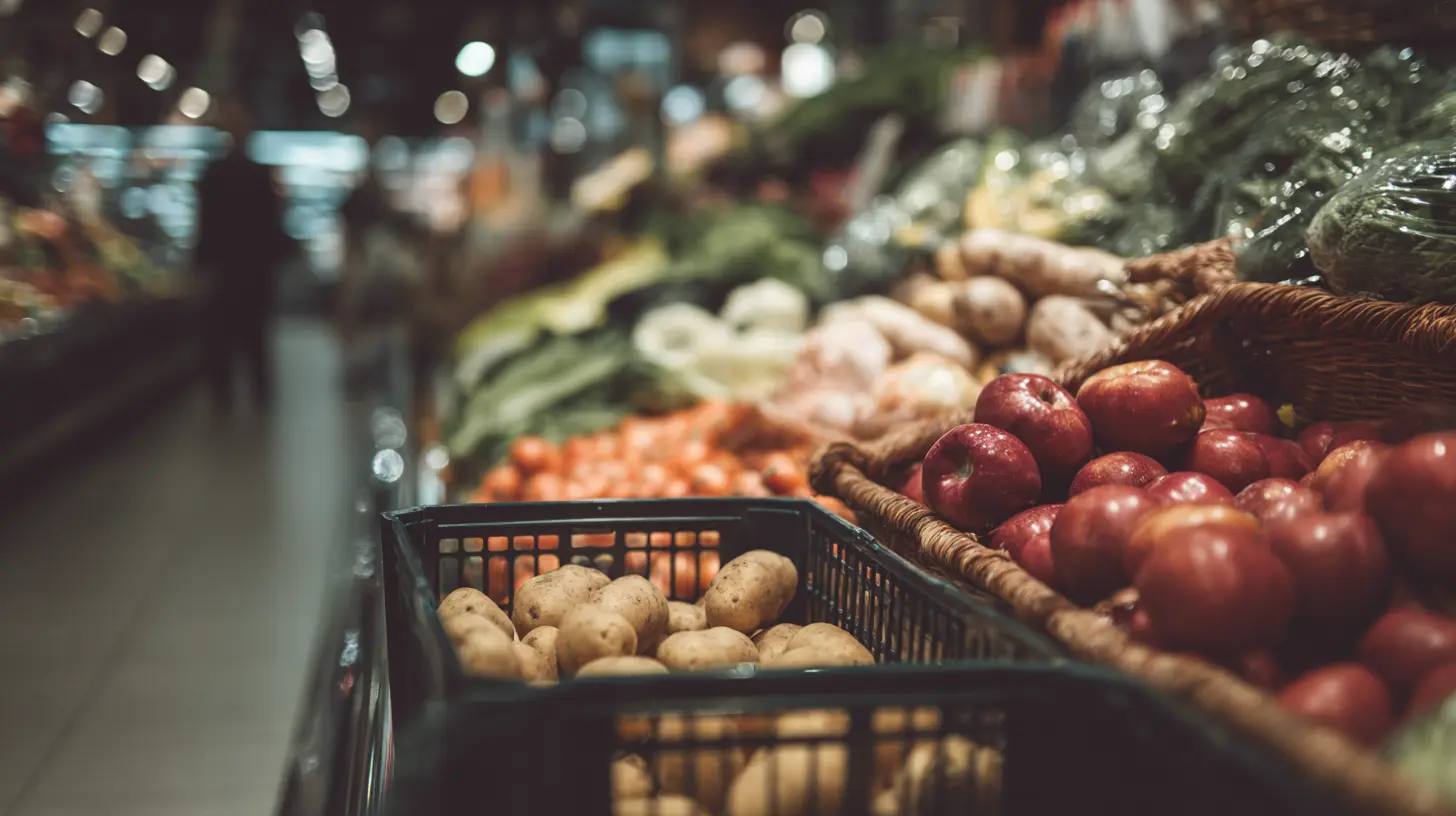
Habit #3: Read Labels Like a Pro
Let’s be honest—grocery store labels can be a bit overwhelming. But understanding what’s in your food is crucial for making informed choices.Tips for Label Reading
1. Ingredients First: Always check the ingredient list. The fewer the ingredients, the better. If you can’t pronounce it, you might want to skip it!2. Check for Added Sugars: Sugar can sneak into products under various names. Look for terms like sucrose, fructose, and corn syrup.
3. Watch Out for Serving Sizes: Sometimes, what looks like a healthy snack can actually be two servings. Pay attention to the serving size to avoid unintentional overeating.
The Power of Knowledge
When you know what’s in your food, you’re empowered to make better choices. It’s like having a secret weapon in your grocery shopping arsenal!Habit #4: Embrace Seasonal and Local Produce
Shopping for seasonal and local produce not only supports your community but also ensures that you’re getting the freshest and most nutritious options available.Why Seasonal Matters
1. Taste and Nutrition: Seasonal fruits and vegetables are often picked at their peak, meaning they taste better and are more nutrient-dense.2. Cost-Effective: Seasonal produce is generally cheaper. When something is in season, it’s more abundant, which often lowers the price.
How to Find Local Produce
1. Farmers Markets: Check out your local farmers market for fresh, seasonal produce.2. Community Supported Agriculture (CSA): Joining a CSA can be a fun way to get a variety of local fruits and veggies straight from the farm.
The Community Connection
Buying local isn’t just good for your health; it strengthens community ties. You’re not just a consumer; you’re supporting local farmers and businesses.
Habit #5: Be Smart About Snacks
Snacking can be a double-edged sword. On one hand, it can help you maintain energy levels; on the other, it can lead to mindless munching on unhealthy options.Healthy Snack Ideas
1. Prep Ahead: Cut up vegetables and portion out nuts or seeds for easy grab-and-go snacks.2. Choose Whole Foods: Opt for snacks like Greek yogurt, hummus, or fruit instead of chips or candy.
Snack Smarter
By preparing healthy snacks ahead of time, you can avoid reaching for unhealthy options when hunger strikes. It’s like setting a trap for those pesky unhealthy cravings!Habit #6: Don’t Shop Hungry
Have you ever gone grocery shopping on an empty stomach? It’s a recipe for disaster! Shopping while hungry often leads to impulse buys and unhealthy choices.The Game Plan
1. Eat Before You Shop: Have a healthy snack or meal before heading out. This will help curb cravings and keep your focus on your shopping list.2. Stay Hydrated: Sometimes, thirst can be mistaken for hunger. Drink plenty of water before your shopping trip to keep cravings at bay.
Mind Over Matter
Shopping on a full stomach is like going into battle fully armed. You’re less likely to fall victim to those tempting treats that scream for your attention!
Habit #7: Buy in Bulk Wisely
Buying in bulk can be a great way to save money and reduce packaging waste. However, it’s essential to choose wisely to avoid wasting food.Bulk Buying Tips
1. Staples Only: Focus on non-perishable staples like grains, beans, and nuts. These items have a long shelf life and can be used in various recipes.2. Check Expiration Dates: If you’re buying perishables in bulk, make sure you can consume them before they go bad.
The Cost-Effectiveness
Bulk buying can be like finding hidden treasure. You save money while stocking up on healthy items, but be sure you’re not just filling your pantry with things that will eventually go to waste.Habit #8: Utilize Technology
In today’s digital age, there’s no shortage of apps and online tools that can help you shop smarter.Tech-Savvy Shopping
1. Grocery List Apps: Use apps like Todoist or AnyList to keep your shopping list organized and accessible.2. Nutrition Trackers: Apps like MyFitnessPal can help you track your nutritional intake and make healthier choices.
Convenience at Your Fingertips
Using technology can make your grocery shopping experience smoother and more efficient. It’s like having a personal shopping assistant right in your pocket!
Habit #9: Be Open to New Foods
When was the last time you tried something new? Grocery shopping is the perfect opportunity to step outside your comfort zone and experiment with new ingredients.How to Incorporate New Foods
1. One New Item a Week: Commit to trying one new fruit, vegetable, or whole grain each week.2. Research Recipes: Look up recipes that incorporate the new food to help you get creative in the kitchen.
The Adventure of Flavor
Trying new foods can be an exciting culinary adventure! Who knows, you might just discover your new favorite snack or meal.Habit #10: Reflect and Adjust
Finally, the best way to improve your grocery shopping habits is to reflect on your experiences. What worked? What didn’t?Self-Assessment
1. Keep a Journal: Write down your shopping experiences, including what you bought and how you felt about your choices.2. Adjust Accordingly: Use your journal to identify patterns and make adjustments to your shopping habits.
Continuous Improvement
Just like any other aspect of life, grocery shopping is all about continuous improvement. By reflecting on your habits, you can make informed decisions that align with your wellness goals.
Conclusion: Elevate Your Grocery Game in 2026
As we move through 2026, adopting smart grocery shopping habits is more important than ever. With a little planning and mindfulness, you can transform your shopping experience into a powerful ally for your health. By creating a meal plan, shopping the perimeter, reading labels, and being open to new foods, you’ll not only boost your wellness but also enjoy the journey of nourishing your body.So, what are you waiting for? Next time you step into the grocery store, remember that every choice you make is an opportunity to invest in your well-being. Happy shopping!
all images in this post were generated using AI tools
Category:
Healthy ShoppingAuthor:

Madeline Howard
Discussion
rate this article
2 comments
Talia McCall
In 2026, let's shop smart and avoid the cereal aisle trap. Those colorful boxes are just candy pretending to be breakfast... right?
May 5, 2026 at 3:05 AM
Madeline Howard
Absolutely! Those boxes can be deceiving. Choosing whole foods over processed options is a wise move for your health.
Rosalie McFarlane
Great tips! Embracing mindful grocery shopping not only supports our health but also encourages a deeper connection with our food. Here’s to making informed choices together in 2026!
April 24, 2026 at 3:22 PM
Madeline Howard
Thanks for your kind words! I completely agree-mindful shopping can transform our relationship with food. Here's to making those informed choices this year!