Simple Swaps: Easy Ways to Be More Active in Your Daily Life
21 November 2026
In today's fast-paced world, we often find ourselves juggling many responsibilities, which can make it challenging to stay active. However, making simple swaps in our daily routines can help us incorporate more physical activity without requiring drastic lifestyle changes. In this article, we will discuss practical strategies to boost your activity levels, along with insights into why these swaps work and how to implement them effectively.

Understanding the Importance of Being Active
Before diving into specific swaps, it's essential to grasp why being active is crucial for overall health. Regular physical activity contributes to:- Improved Physical Health: Engaging in movement strengthens the heart, muscles, and bones, reducing the risk of chronic diseases.
- Enhanced Mental Wellbeing: Exercise releases endorphins, which can improve mood and reduce stress levels.
- Better Sleep Quality: Regular activity promotes better sleep patterns, helping you feel more rested.
- Increased Energy Levels: While it might seem counterintuitive, being active can actually boost your energy levels throughout the day.
Common Misconceptions About Activity
Many people believe that being active requires lengthy workouts or expensive gym memberships. This misconception can deter individuals from incorporating movement into their lives. However, the truth is that small changes can lead to significant improvements in your activity levels without overwhelming time commitments.
Simple Swaps for a More Active Lifestyle
1. Take the Stairs Instead of the Elevator
Why It Works: Climbing stairs is a fantastic way to engage your leg muscles and elevate your heart rate.Implementation: Whenever possible, opt for stairs instead of elevators or escalators. If you're in a multi-story building, consider starting with one floor and gradually increasing the number of floors as you feel more comfortable.
Trade-offs: This swap is straightforward but might not be suitable for everyone, especially those with mobility issues. Always listen to your body and consult a healthcare professional if unsure.
2. Walk or Bike for Short Trips
Why It Works: Utilizing active transportation not only adds physical activity but also helps reduce your carbon footprint.Implementation: For trips that are less than a mile, consider walking or biking instead of driving. Use a bike-sharing program if you don't own a bicycle, or simply walk to nearby stores or cafes.
Common Mistake: Many assume that this option is only viable when the weather is perfect. However, dressing appropriately for the weather can make this swap feasible year-round.
3. Stand Up While on the Phone
Why It Works: Standing burns more calories than sitting and can help improve posture.Implementation: Whenever you have a phone call, stand up and move around if possible. You can pace in your living room or even walk outside for some fresh air.
Best Practices: If you frequently have long calls, consider investing in a Bluetooth headset to free your hands and allow for more movement.
4. Use Household Chores as a Workout
Why It Works: Household tasks can elevate your heart rate and provide strength training benefits.Implementation: Turn up your favorite music and dance while vacuuming, or do squats while folding laundry. The key is to approach chores with an active mindset.
Nuanced Explanation: It's easy to view chores as mundane tasks. However, when you reframe them as opportunities for movement, you can maintain a more positive attitude towards your daily responsibilities.
5. Incorporate Mini Workouts into Your Day
Why It Works: Short bursts of activity can be just as effective as longer sessions.Implementation: Try performing bodyweight exercises like push-ups, squats, or lunges during breaks at work or while watching TV. Even five minutes of movement can accumulate and contribute significantly to your daily activity levels.
Common Mistake: Many hesitate to start because they think they need to dedicate a full hour to exercise. Recognizing that every minute counts can be a game-changer.
6. Engage in Active Leisure Activities
Why It Works: The more fun you have, the more likely you are to stay active.Implementation: Instead of settling for a movie night, consider activities like hiking, playing a sport, or joining a dance class. Invite friends or family to join for extra motivation and social engagement.
Comparative Analysis: Watching TV can be relaxing, but it often leads to prolonged periods of inactivity. In contrast, active leisure boosts your physical health and can strengthen social bonds.
7. Set a Timer to Move Regularly
Why It Works: Regular reminders can break long periods of sitting and increase overall activity.Implementation: Use your phone or a timer to remind you to stand up and stretch or walk for a few minutes every hour. Apps that promote movement can help keep you accountable.
Best Practices: Choose a timer setting that works for your routine; for instance, if you work long hours, a reminder every hour may be beneficial, but shorter intervals might be better during less busy times.
8. Choose Active Social Outings
Why It Works: Socializing doesn't have to mean sitting down for a meal or a drink.Implementation: Suggest outings that involve movement, like bowling, rock climbing, or visiting a trampoline park. Not only will you get some exercise, but you'll also create fun memories.
Considerations: Be mindful of your friends' interests. Not everyone may be keen on physically demanding activities, so offer a variety of options.
9. Opt for Active Work Meetings
Why It Works: Moving during meetings can boost creativity and engagement.Implementation: Propose walking meetings when appropriate. If the weather permits, consider discussing ideas while walking in a park or even around the office building.
Trade-offs: Not all discussions are suitable for walking, especially if you need to refer to materials. In such cases, aim for standing meetings instead.
10. Break Up Sedentary Time with Stretching
Why It Works: Stretching can improve flexibility and reduce tension after long periods of sitting.Implementation: Incorporate stretching breaks throughout your day. Simple neck rolls, shoulder shrugs, and hamstring stretches can rejuvenate your body and mind.
Common Mistake: People often think stretching is only for after workouts. However, integrating short stretches into your daily routine can prevent stiffness and promote circulation.

Overcoming Barriers to Being Active
While these simple swaps can make a difference, it's essential to recognize and address common barriers that may hinder your ability to be more active.Time Constraints
Many people feel they simply do not have enough time to be active. However, as discussed, integrating movement into your daily life does not require hours. Small swaps, when combined, can lead to meaningful changes.Lack of Motivation
Finding motivation can be challenging, especially when starting fresh. Setting specific, achievable goals can serve as a powerful motivator. Perhaps aim to walk a certain number of steps per day or commit to a specific number of active outings each week.Physical Limitations
If you have physical limitations, it's crucial to consult with a healthcare professional before starting any new activity. They can help create a tailored plan that works for your abilities and comfort level.Environmental Factors
Sometimes, your environment may not be conducive to being active. If you live in an area with limited walkability, consider finding local parks or recreational facilities that offer safe spaces for outdoor activity.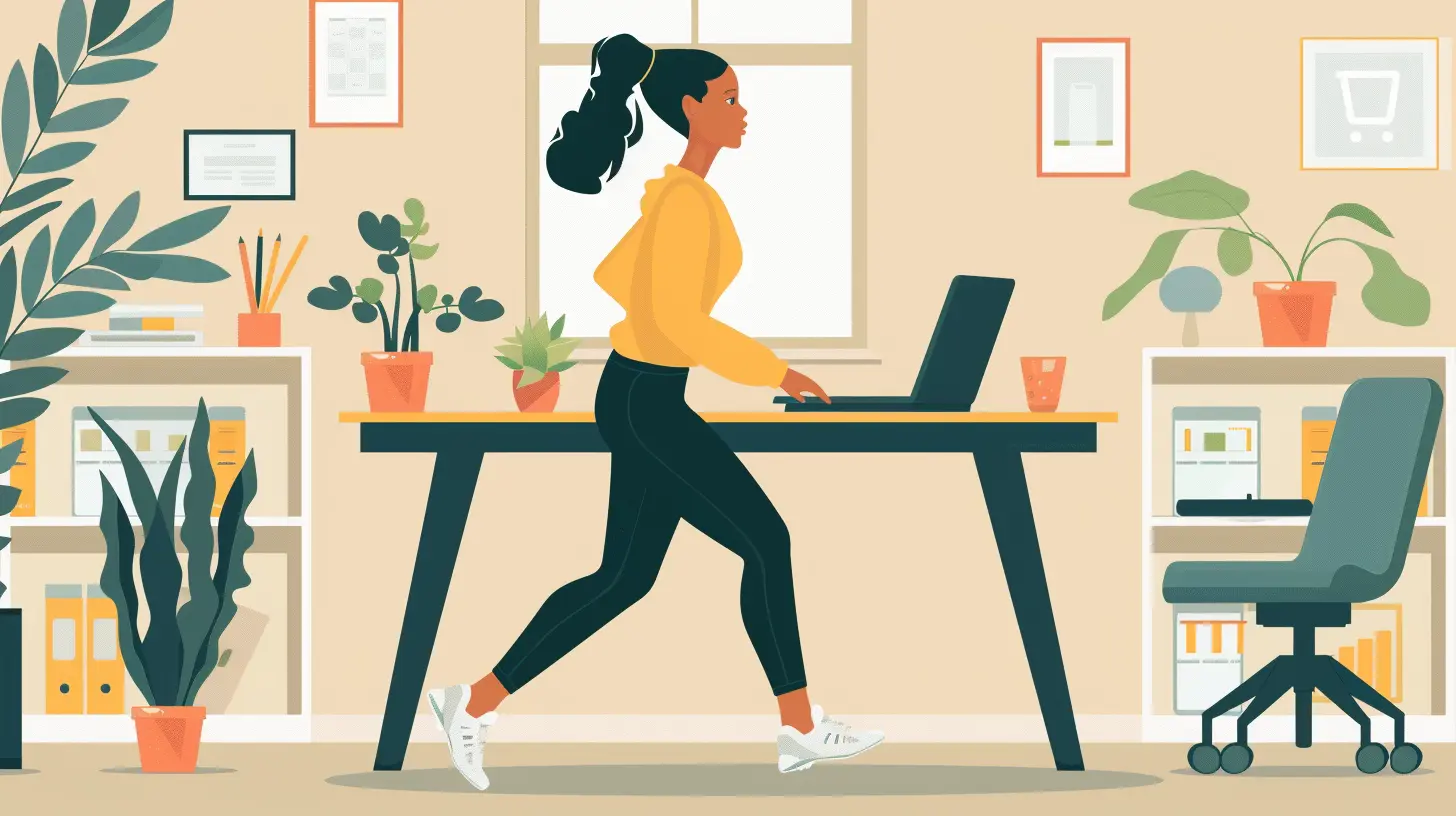
The Role of Mindset in Activity
An often-overlooked aspect of becoming more active is mindset. Viewing physical activity as a chore can lead to resistance, while seeing it as a joyful opportunity can motivate you to find innovative ways to include movement in your life.Cultivating a Positive Attitude
Try to approach movement with a sense of curiosity and fun. This might mean exploring new activities, joining group classes, or setting playful challenges for yourself and friends.Celebrating Small Wins
Recognizing your progress, no matter how small, reinforces positive behavior. Celebrate milestones, whether it's completing a new exercise routine or simply standing up more frequently throughout the day.Conclusion
Incorporating more movement into your daily routine doesn't have to be daunting. By making small, easy swaps, you can significantly boost your activity levels without overwhelming yourself. Remember that the key is consistency and finding joy in movement.Focusing on these simple changes can lead to a healthier, more vibrant lifestyle. Embrace the challenge, and don't forget to celebrate your progress along the way.
all images in this post were generated using AI tools
Category:
Fitness For BeginnersAuthor:

Madeline Howard