Shopping for Energy: Foods That Fight Fatigue
26 September 2026
Fatigue is one of those complaints that feels vague until it flattens you. You sleep seven hours, drink your coffee, and still find yourself staring at a screen at 2 p.m. wondering where your brain went. Most people reach for another cup of coffee or a sugary snack. That works for about forty minutes. Then the crash arrives, and the cycle repeats.
What many people miss is that fatigue is often a fueling problem, not a willpower problem. The human body runs on a complex mix of glucose, fats, amino acids, vitamins, minerals, and water. When any of those run low or get delivered in the wrong pattern, energy dips. The good news is that the fix is not exotic. It lives in the grocery store.
This article is a practical shopping guide. It explains which foods genuinely help fight fatigue, why they work, when they might not, and how to combine them without turning your life into a spreadsheet.
Why Food Affects Energy More Than Most People Realize
Energy is not a single thing. It is the output of several systems working together: blood sugar regulation, oxygen delivery, cellular energy production in the mitochondria, neurotransmitter signaling, and hydration. Food touches every one of those systems.Take blood sugar. When you eat a plain bagel, your glucose rises fast. Insulin surges to move that glucose into cells. If too much insulin is released, glucose drops below baseline, and you feel shaky, foggy, and tired. That is the classic crash. Eat the same bagel with eggs, avocado, and a handful of spinach, and the glucose rise is slower. Insulin stays steadier. Energy holds.
Then there is iron. Iron carries oxygen in hemoglobin. Low iron means less oxygen reaching muscles and brain, which translates to fatigue, shortness of breath, and poor concentration. This is especially common in menstruating women, endurance athletes, and people with digestive conditions that reduce absorption.
B vitamins matter too. They help convert food into usable energy. A deficiency in B12 or folate can produce profound tiredness, sometimes mistaken for depression or burnout.
The point is simple: fatigue is rarely about one nutrient. It is usually a pattern. The foods below address different parts of that pattern, and the best results come from combining them.
The Core Categories of Energy-Friendly Foods
Rather than listing random "superfoods," it helps to think in categories. Each category solves a different fatigue problem.Slow-Release Carbohydrates
Carbohydrates get a bad reputation, but they are the body's preferred fuel, especially for the brain. The issue is speed. Fast carbs spike and crash. Slow carbs release glucose gradually.Examples include oats, barley, quinoa, farro, sweet potatoes, lentils, and beans. These foods contain fiber that slows digestion. They also tend to carry B vitamins and minerals that support energy metabolism.
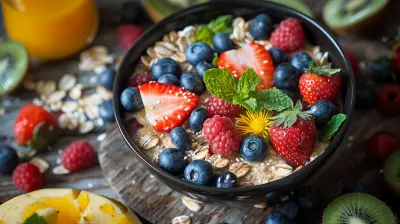
A practical example: a bowl of steel-cut oats with Greek yogurt and berries at 7 a.m. can carry you to noon without the mid-morning slump that a bowl of sugary cereal produces. The difference is not magic. It is digestion speed.
Lean Proteins
Protein does two things for energy. First, it stabilizes blood sugar when eaten with carbohydrates. Second, it provides amino acids like tyrosine, which is a precursor to dopamine and norepinephrine, neurotransmitters tied to alertness and motivation.Good options include eggs, Greek yogurt, cottage cheese, chicken, turkey, fish, tofu, tempeh, and edamame. Protein also keeps you full, which prevents the low-energy feeling that comes from being hungry without realizing it.
One nuance: protein is not a quick energy source. It will not rescue you mid-crash. It is a preventive tool, best eaten at meals to keep the day steady.
Healthy Fats
Fat is the most energy-dense macronutrient, providing roughly nine calories per gram compared to four for carbs and protein. It also slows gastric emptying, which flattens blood sugar curves.Sources worth stocking: olive oil, avocado, nuts, seeds, fatty fish like salmon and sardines, and full-fat dairy in moderation. Omega-3 fats from fish may also support brain function and reduce inflammation, which can contribute to fatigue when chronic.
The trade-off is that fat takes time to digest. If you eat a very heavy, high-fat meal and then try to exercise, you may feel sluggish. Timing matters.
Micronutrient Powerhouses
Some foods fight fatigue less through calories and more through vitamins and minerals.Leafy greens like spinach, kale, and Swiss chard deliver iron, folate, and magnesium. Magnesium is involved in hundreds of enzymatic reactions, including energy production. Low magnesium is linked to muscle fatigue and poor sleep.
Red meat and shellfish provide heme iron, which absorbs more efficiently than plant iron. Lentils, chickpeas, and fortified cereals offer non-heme iron, which benefits from being paired with vitamin C.
Bananas and potatoes supply potassium, an electrolyte that helps muscles contract and nerves fire. Low potassium can cause weakness and cramping.
Hydration and Electrolytes
Dehydration is one of the most overlooked causes of fatigue. Even mild dehydration reduces concentration and increases perceived effort during physical tasks. Water alone is often enough, but if you sweat heavily or exercise for over an hour, you lose sodium and potassium too.Coconut water, milk, and electrolyte tablets can help. So can simply salting your food if you are active and eat mostly whole foods.
A Shopping List That Actually Works
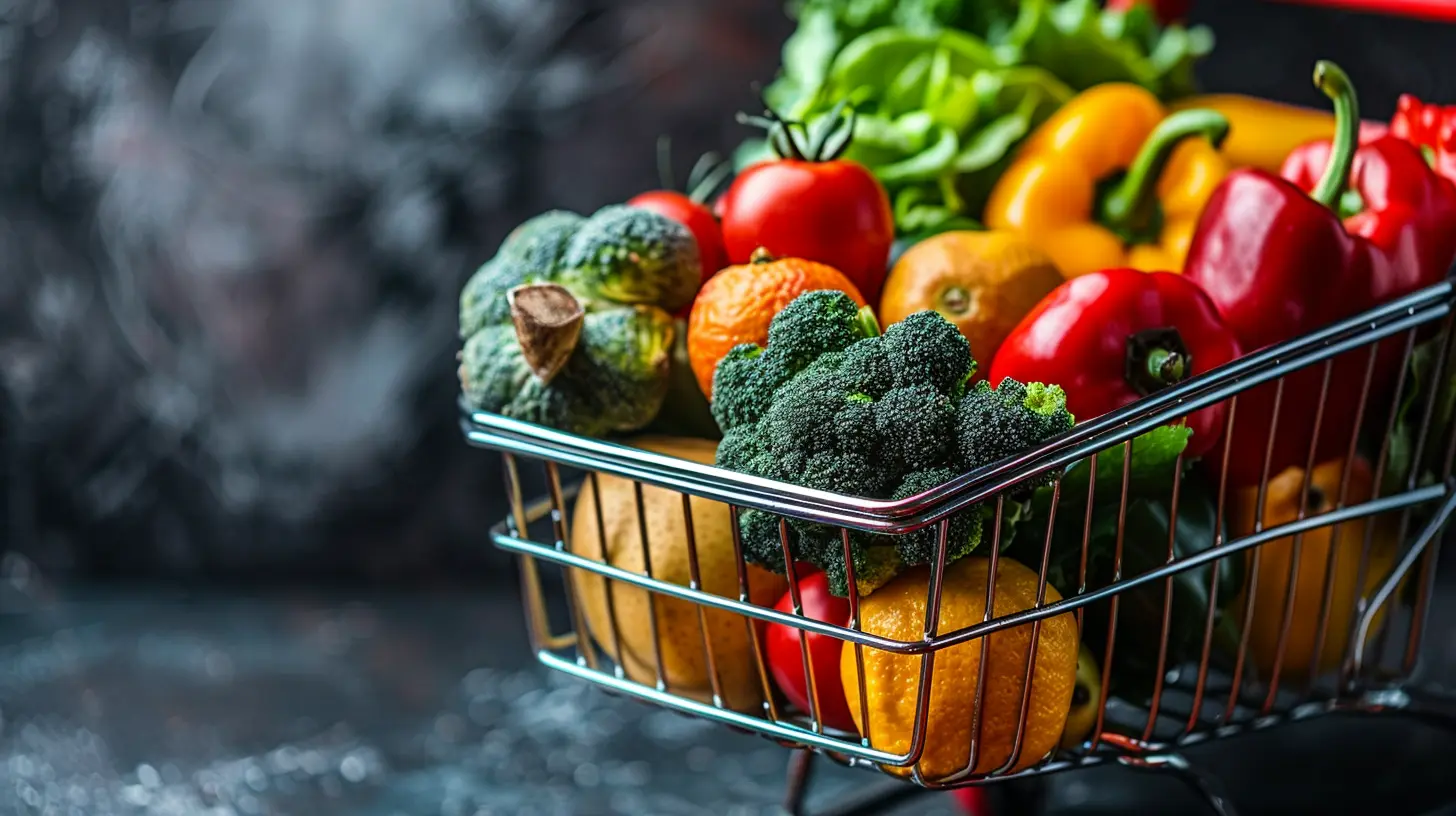
Here is a practical list organized by store section. The goal is not to buy everything. It is to build a rotation that fits your budget and cooking habits.Produce
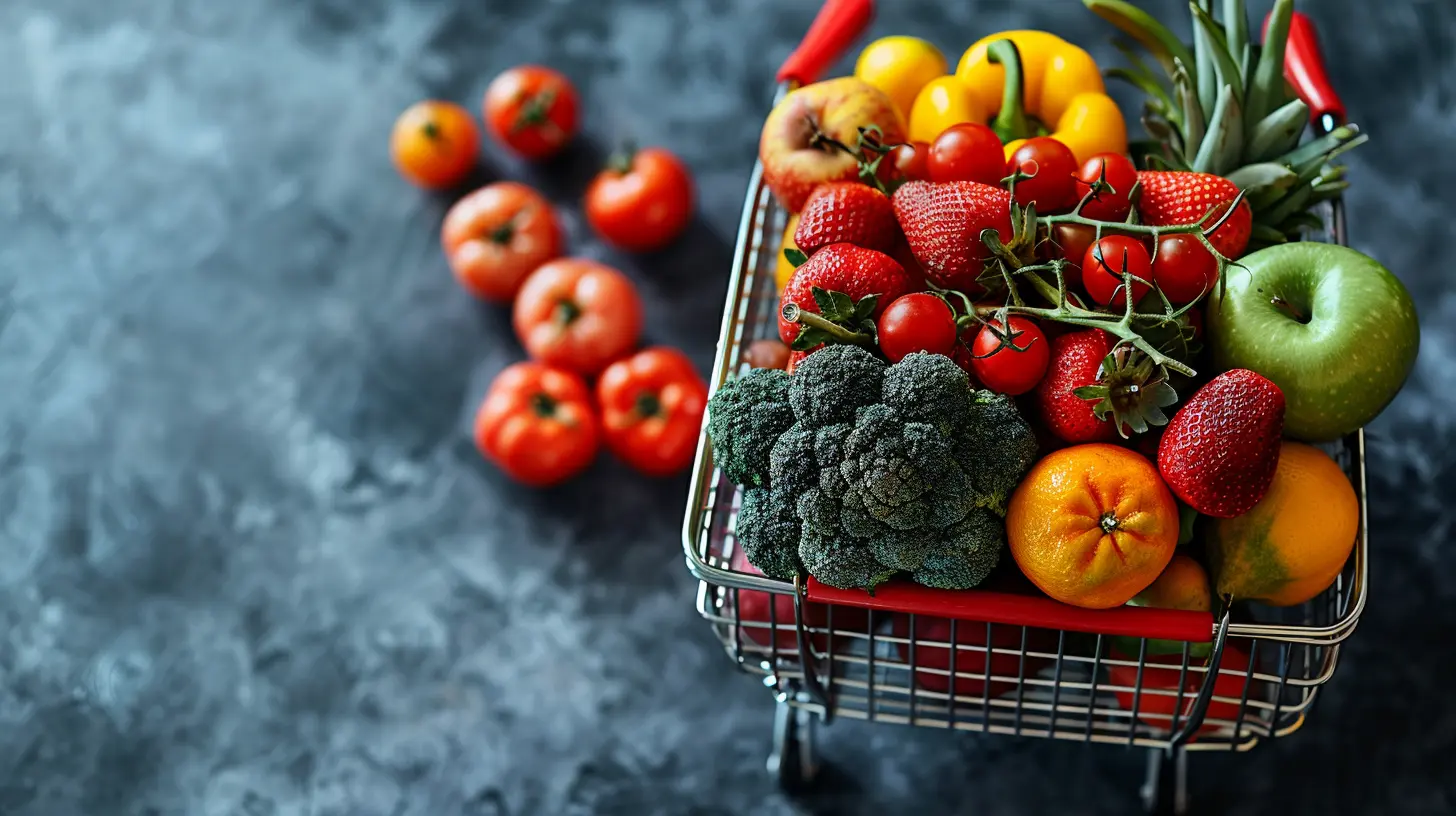
- Bananas- Berries, fresh or frozen
- Oranges and kiwi
- Spinach and kale
- Sweet potatoes
- Avocados
- Bell peppers
- Broccoli
Protein
- Eggs- Greek yogurt
- Cottage cheese
- Chicken and turkey
- Salmon and sardines
- Tofu and tempeh
- Lentils and beans
Grains and Pantry
- Steel-cut or rolled oats- Quinoa
- Brown rice
- Whole grain bread
- Nuts and seeds
- Olive oil
- Dark chocolate, 70 percent or higher
Drinks
- Water- Coffee and tea, used strategically
- Coconut water
- Milk or fortified plant milk
This list is not expensive by default. Frozen berries, canned sardines, dried lentils, and eggs are among the cheapest energy-dense foods available. The expensive items, like salmon and fresh berries, can be swapped for frozen or canned versions without losing much nutrition.
How to Combine Foods for Steady Energy
The single most useful habit is pairing. Pair a carbohydrate with protein, fat, or fiber. This slows glucose absorption and prevents the spike-crash cycle.Some combinations that work well:
- Oatmeal with peanut butter and banana
- Whole grain toast with eggs and avocado
- Greek yogurt with berries and almonds
- Rice with salmon and broccoli
- Lentil soup with a side of whole grain bread
- Apple slices with cheese
Notice that none of these are complicated. The pattern is consistent: one slow carb, one protein, one fat, one fiber source.
Caffeine: Friend, Foe, or Both?
Coffee and tea are genuinely useful for acute fatigue. Caffeine blocks adenosine, a molecule that builds up in the brain and makes you feel sleepy. That is why coffee works. It does not create energy. It hides tiredness.The problem is timing and dose. Caffeine has a half-life of roughly five to six hours in most adults. A 3 p.m. coffee can still be active at 9 p.m., disrupting sleep, which then worsens next-day fatigue. That cycle is common and often invisible to the person in it.
A reasonable approach: keep caffeine to the morning, ideally before noon. Limit total intake to what you tolerate without jitteriness or sleep disruption. If you rely on caffeine to function every single day, that is a signal to look at sleep, iron, hydration, or overall diet rather than adding another cup.
Green tea offers a gentler option. It contains less caffeine and includes L-theanine, an amino acid that may smooth out the stimulant effect. Some people find it produces calmer alertness than coffee.
Common Mistakes That Sabotage Energy
Eating Breakfast Like Dessert
Cereal, pastries, juice, and flavored yogurt drinks are essentially dessert with a health label. They spike blood sugar and set up a crash. If you like these foods, eat them after a protein-rich meal rather than as the meal itself.Skipping Meals to "Save Calories"
Skipping lunch to cut calories often backfires. By 4 p.m., hunger and low blood sugar combine into irritability and fatigue. You then overeat at dinner, sleep poorly, and wake up tired. Regular meals with protein and fiber are more effective for sustained energy than restriction.Relying on Energy Drinks
Most energy drinks are caffeine, sugar, and synthetic vitamins. They deliver a short lift followed by a harder crash than coffee, partly because of the sugar load. They also tend to be consumed in the afternoon, which damages sleep.Ignoring Iron and B12
If you are constantly tired despite eating well, get bloodwork. Ferritin, hemoglobin, B12, folate, and thyroid function are worth checking. Fatigue is a symptom, not a diagnosis. Food can fix a deficiency, but it cannot fix an undiagnosed medical issue.Drinking Too Little Water
People often mistake thirst for hunger or fatigue. A simple habit: keep a water bottle visible and sip throughout the day. If your urine is dark yellow, you are behind.When Food Alone Is Not Enough
Diet is powerful, but it has limits. There are situations where no grocery list will solve fatigue.If you are sleeping less than seven hours, food will not compensate. Sleep is when the body repairs tissue, consolidates memory, and regulates hormones like cortisol and ghrelin. Chronic short sleep raises hunger hormones and lowers satiety hormones, which makes healthy eating harder.
If you have a medical condition like anemia, hypothyroidism, sleep apnea, diabetes, or depression, those need targeted treatment. Food supports treatment. It does not replace it.
If you are under intense stress, cortisol can keep you wired and tired at the same time. In that case, the fix may involve stress management, therapy, or workload changes more than diet.
A useful rule: if fatigue persists for more than a few weeks despite decent sleep and balanced meals, see a doctor. Do not self-treat indefinitely.
Timing: When You Eat Matters
Most people focus on what to eat and ignore when. Timing can make a real difference.A protein-forward breakfast within an hour or two of waking helps stabilize blood sugar for the day. A lunch with slow carbs and protein prevents the afternoon slump. A dinner that is not too heavy or too late supports sleep quality.
For athletes or people with physically demanding jobs, a small snack before activity, like a banana with peanut butter, can improve performance without stomach discomfort. A post-activity snack with protein and carbs supports recovery.
Intermittent fasting works well for some people and poorly for others. If you try it and feel foggy, irritable, or weak, it is not the right fit for your body right now. There is no universal rule.
Budget-Friendly Strategies
Eating for energy does not require Whole Foods receipts. Some practical moves:Buy frozen produce. It is picked at peak ripeness and often more nutritious than fresh produce that has traveled for days.
Use canned fish. Sardines and salmon in water are cheap, rich in omega-3s, and require no cooking.
Cook dried beans and lentils. They cost a fraction of canned versions and freeze well.
Buy eggs. They are one of the most nutrient-dense foods per dollar.
Skip supplements unless a doctor recommends them. Food first, then targeted supplementation based on bloodwork.
A Sample Day of Energy-Friendly Eating
This is not a prescription. It is an illustration of how the principles fit together.Breakfast: Steel-cut oats with Greek yogurt, frozen berries, and a spoon of almond butter. Coffee or tea.
Lunch: Whole grain bowl with quinoa, chickpeas, roasted sweet potato, spinach, and olive oil dressing. Water.
Snack: Apple with a handful of walnuts, or cottage cheese with cucumber.
Dinner: Baked salmon with brown rice and broccoli. Dark chocolate square for dessert.
Throughout the day: Water, refilled at least twice.
Notice there is nothing exotic here. No powders, no detoxes, no expensive supplements. Just whole foods arranged to keep blood sugar steady and nutrient intake high.
Frequently Asked Questions
Do bananas give you energy?
Yes, but they are a moderate-speed carb. Eaten alone, they can spike blood sugar. Eaten with peanut butter or yogurt, they become a steady energy source.Is coffee bad for fatigue?
No, but it masks fatigue rather than fixing it. Used in the morning and in moderate amounts, it is fine for most people. Used all day, it worsens the underlying problem by disrupting sleep.Can I fight fatigue without meat?
Yes. Combine plant iron sources like lentils and spinach with vitamin C, such as citrus or bell peppers, to improve absorption. Consider B12 supplementation, since plant foods do not contain it naturally.Are energy bars worth it?
Some are. Look for bars with at least 10 grams of protein, moderate sugar, and recognizable ingredients. Many are candy bars in disguise. Whole food options like nuts, fruit, and yogurt are usually better and cheaper.How long until diet changes affect energy?
Some effects are immediate, like hydration and blood sugar stabilization. Others, like correcting iron or B12 deficiency, take weeks to months. Be patient and consistent.
Final Thoughts
Fatigue is your body asking for something. Sometimes it wants sleep. Sometimes it wants iron. Often it wants a steadier supply of fuel instead of the spike-and-crash pattern most modern diets deliver.The grocery store is a legitimate tool in that conversation. Slow carbs, lean proteins, healthy fats, colorful produce, and enough water cover most of the bases. Pairing foods matters more than any single ingredient. Timing matters more than most people admit. And no food will outrun chronic sleep debt or an untreated medical condition.
Start with one change. Swap the sugary breakfast for a protein-rich one. Add a glass of water before each meal. Keep nuts in your bag instead of relying on vending machines. Small, repeatable choices beat dramatic overhauls every time. Energy is not something you find in a bottle. It is something you build, meal by meal, one grocery run at a time.
all images in this post were generated using AI tools
Category:
Healthy ShoppingAuthor:

Madeline Howard