Seasonal Ingredients That Make the Best Smoothies
19 October 2026
A smoothie is only as good as what goes into it. You can own a high-powered blender and follow a flawless technique, but if the fruit was picked before it ripened or the greens spent a week in the back of a truck, the result will taste flat. Seasonality is not a marketing slogan. It is a practical guide to flavor, texture, nutrition, and cost, and it matters more in smoothies than in almost any other preparation because you are consuming the ingredient raw and whole.
This article explains how to think about seasonal ingredients in smoothies, which specific ingredients shine in each season, why they work, when to avoid them, and how to handle the trade-offs that come with eating by the calendar.
Why Seasonality Matters More in a Smoothie Than on a Plate
When you cook produce, you can rescue mediocre ingredients with heat, fat, acid, and salt. A bland tomato becomes a decent sauce. A mealy apple becomes applesauce. A smoothie offers no such cover. Everything you put in the blender lands in the glass exactly as it tastes, only combined. Off-season fruit is often picked early to survive shipping, which means it never develops the sugars and aromatic compounds that make it worth eating. It may look fine and taste like almost nothing.There is a texture dimension as well. Seasonal produce at its peak tends to have the right ratio of water, fiber, and sugar. Strawberries in June blend into a silky puree. Strawberries in December are often firm and pale, and they can leave a grainy, seedy mouthfeel because the flesh never softened properly. Frozen fruit solves part of this problem, but it does not solve all of it, which is why the frozen versus fresh question deserves its own discussion.
Cost is the third factor. When a crop is in peak supply, prices fall and quality rises at the same time. That combination is rare in any market. Buying seasonally is one of the few decisions in food shopping where the cheaper option is usually also the better one.
Fresh Versus Frozen: A More Nuanced Comparison Than You Might Expect
Many smoothie guides tell you to use frozen fruit and move on. That advice is reasonable but incomplete. Frozen produce is picked at or near ripeness and processed quickly, so its nutritional profile is often comparable to fresh, and sometimes better than fresh produce that has traveled a long distance. Freezing also gives smoothies their thick, cold texture without diluting flavor with ice.But freezing changes texture in ways that matter. Berries freeze beautifully because their cell walls are relatively sturdy and their high water content turns into fine ice crystals that blend smoothly. Stone fruit like peaches and apricots freezes well if it is sliced and frozen ripe. Citrus does not freeze well for smoothies because the cell structure breaks down and the juice turns watery and slightly bitter. Melons become mushy and lose their delicate aroma.
The best practice is a hybrid approach. Use fresh seasonal produce when it is at its peak and you plan to blend within a day or two. Freeze the surplus yourself at the height of the season, when prices are lowest and flavor is highest. A bag of your own frozen peaches in February will outperform anything labeled "fresh" on a winter produce shelf. If you buy frozen, check that the ingredient list contains only the fruit, with no added sugar or syrup.
One caution about freezing at home: spread fruit in a single layer on a tray before bagging it. Fruit frozen in a clump blends unevenly and forces you to over-blend, which warms the smoothie and dulls the flavor.
Spring: Greens, Rhubarb, and the First Berries
Spring produce is tender, high in water, and often slightly bitter or tart. That profile works well in smoothies if you balance it properly.Leafy Greens
Spinach and tender lettuces are at their best in spring. Young spinach has a mild, almost sweet flavor and blends into a smooth texture with minimal fiber. Mature spinach, especially in warmer weather, becomes tougher and more oxalate-heavy, which can contribute to a chalky mouthfeel. If you want the greens to disappear into the drink rather than assert themselves, spring is the time to lean on them heavily.Kale deserves a note of caution. It is available year-round, but spring kale is more tender and less aggressively bitter than kale that has survived a hot summer. Even so, kale requires a longer blend and pairs better with sweet fruit and a fat source, such as a spoon of yogurt or a few nuts, because fat helps round out bitterness. If you are new to green smoothies, start with spinach and graduate to kale.
Rhubarb
Rhubarb is one of the most underused smoothie ingredients and one of the most seasonal. It appears in late spring and disappears by early summer. Raw rhubarb is extremely tart and fibrous, so it needs brief cooking or roasting before it goes into the blender. Once softened, it brings a bright, mouth-puckering acidity that cuts through sweet fruit beautifully. A strawberry-rhubarb smoothie in May tastes like the season in a way that a strawberry-banana smoothie never will.The trade-off is preparation time. Rhubarb is not a grab-and-go ingredient. If convenience is your priority, skip it. If you want a smoothie that tastes distinctly of spring, it is worth the ten minutes of stovetop work.
Early Berries
Strawberries arrive in force in late spring in many regions. This is the moment to use them fresh rather than frozen, because a ripe local strawberry has a perfume that freezing cannot fully preserve. Pair them with something creamy, such as plain yogurt or a small amount of banana, to carry their aroma.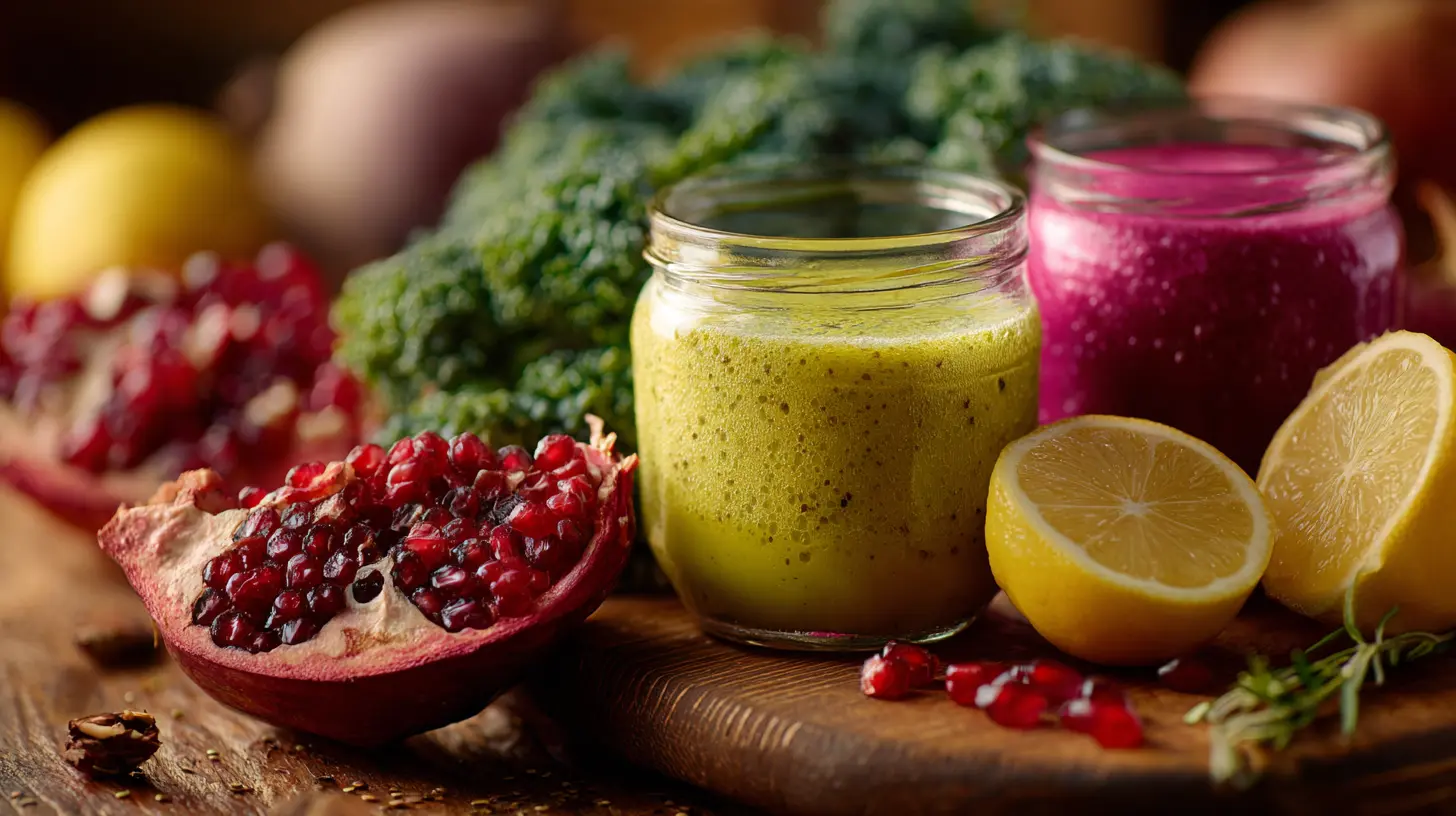
Summer: The Peak Season for Smoothies
Summer is when smoothie making becomes almost effortless. The range of ripe fruit is wide, prices are low, and the natural sugar content is high enough that you rarely need added sweeteners.Stone Fruit
Peaches, nectarines, apricots, and plums are the heart of summer smoothies. A perfectly ripe peach has enough natural pectin and sugar to give a smoothie body without any thickener. The key is ripeness: a peach that is firm to the touch will blend into a bland, fibrous puree. Let stone fruit soften at room temperature, then refrigerate it once ripe.There is a trade-off between flavor and texture here. Very ripe peaches taste best but can make a thin smoothie. Slightly firmer fruit gives more body but less aroma. A practical solution is to blend ripe fruit with a small amount of frozen fruit or a spoon of oats, which thickens without masking flavor.
Melon
Watermelon and cantaloupe are mostly water, which makes them refreshing but challenging in a smoothie. A watermelon smoothie can taste diluted and thin. The fix is to use frozen watermelon cubes instead of ice, and to pair the melon with something that adds body, such as Greek yogurt or a handful of frozen berries. Melon also pairs unusually well with herbs, particularly mint and basil, and with a squeeze of lime to sharpen its sweetness.Melon is a good example of an ingredient that is better fresh than frozen in terms of flavor, but frozen in terms of texture. Freeze your own cubes at peak ripeness and you get both.
Berries
Blueberries, raspberries, and blackberries peak in summer. Raspberries are fragile and expensive fresh, so many people default to frozen, which is a sound choice. Blueberries freeze exceptionally well and hold their color and flavor. Blackberries are the most variable: a ripe blackberry is sweet and complex, but an underripe one is sour and seedy. Taste before you blend.Cucumber and Herbs
Summer is also the season for cucumber, mint, and basil in smoothies. Cucumber adds water and a clean, mild flavor that works well with melon and lime. Mint and basil are best used sparingly because their oils are potent and can dominate a drink. A few leaves go a long way.Autumn: Apples, Pears, and Root Vegetables
Autumn produce is denser, sweeter in a deeper way, and often requires more thought about texture.Apples and Pears
Apples and pears are the backbone of autumn smoothies. Their natural pectin gives body, and their sweetness is rounded rather than sharp. The choice of variety matters more than most people realize. A tart apple like a Granny Smith brings acidity that balances sweet ingredients, while a softer, sweeter variety like a ripe pear blends into a silkier texture. Pears are generally better than apples for smoothies because they break down more readily; apples can leave a slightly grainy texture unless you peel them or use a high-powered blender.A common mistake is to leave the skins on apples and pears for fiber. That is a reasonable goal, but the skins of some varieties are tough and add a chewy, fibrous quality that many people dislike in a drink. If texture matters to you, peel them. If fiber matters more, keep the skins and blend longer.
Root Vegetables
Carrots, sweet potatoes, and beets are autumn staples that work surprisingly well in smoothies, but each has rules. Raw carrots are hard and fibrous and can leave grit in the drink; roasted or steamed carrots blend into a smooth, sweet puree. Sweet potato must be cooked, and it adds a thick, starchy body that works well with warming spices. Beets are intensely earthy and stain everything they touch, so use them in small amounts and pair them with something acidic, such as orange or lemon, to brighten their flavor.The trade-off with root vegetables is preparation. They are not convenience ingredients. But they extend the smoothie repertoire into months when fresh berries are scarce.
Pumpkin and Winter Squash
Cooked pumpkin and butternut squash make rich, creamy smoothies that feel appropriate for cooler weather. They pair naturally with cinnamon, nutmeg, and ginger. Use plain cooked squash, not sweetened pie filling.
Winter: Citrus, Frozen Fruit, and Storage Crops
Winter is the season when seasonality requires the most planning. Fresh local fruit is limited in many regions, and the answer is a combination of citrus, stored crops, and your own frozen supply from summer.Citrus
Oranges, grapefruits, lemons, and limes peak in winter. Citrus does not blend well as whole fruit because the pith and membranes are bitter and fibrous, so juice it first. A splash of fresh citrus juice transforms a winter smoothie made from frozen berries or stored apples by adding brightness and aroma. This is one of the highest-value, lowest-effort moves in smoothie making.Grapefruit deserves a warning. It interacts with several common medications, so if you take prescription drugs, check with a pharmacist before making it a regular ingredient. This is not a reason to avoid it universally, but it is a real consideration that many smoothie guides ignore.
Stored Crops
Apples and pears stored in controlled conditions remain good through winter. Winter squash and root vegetables are still available. Bananas, which are imported year-round, are a reliable base ingredient, though they tend to dominate flavor, so use them as a texture and sweetness tool rather than the star.Your Frozen Supply
The single best winter strategy is to freeze your own produce in summer and autumn. Frozen peaches, berries, and roasted squash from your own kitchen will outperform most off-season fresh options. If you did not freeze anything, buy frozen fruit from the store and focus on citrus for freshness.How to Build a Balanced Smoothie Around Any Season
Seasonality tells you what to use. Balance tells you how to combine it. A reliable framework is to think in four roles.The base provides liquid and body. Use milk, yogurt, kefir, or water depending on the texture you want. Dairy adds creaminess and protein; water keeps the drink light.
The star provides the flavor identity. This is your seasonal ingredient, whether that is a ripe peach, a handful of spinach, or a roasted beet. Use enough that you can taste it clearly.
The balancer adjusts sweetness and acidity. A squeeze of lemon, a spoon of yogurt, or a small amount of banana can rescue a smoothie that is too tart or too flat. Taste before you pour.
The thickener controls texture. Frozen fruit, oats, chia seeds, or a spoon of nut butter all thicken, but they do different things. Oats add a neutral, slightly grainy body. Chia adds a gel-like smoothness. Nut butter adds richness and flavor. Choose based on what the drink needs.
This framework lets you adapt to whatever is in season without following a rigid recipe.
Common Mistakes and Misconceptions
Several beliefs about smoothies are widespread and worth correcting.The first is that more ingredients make a better smoothie. In practice, a smoothie with eight ingredients usually tastes like none of them. Three to five components is often the sweet spot, with one clear star.
The second is that green smoothies are automatically healthier. Greens are nutritious, but a smoothie loaded with spinach and little else can taste bitter and be hard to drink consistently. Balance matters more than volume.
The third is that you must use frozen fruit. Frozen fruit is convenient and gives good texture, but at peak season, fresh local fruit often tastes better. Use both, and let the season decide.
The fourth is that natural sugar is not a concern. Fruit sugar is still sugar, and a smoothie can deliver a large amount of it quickly because the fiber is partially broken down by blending. This does not make smoothies unhealthy, but portion awareness matters, especially if you drink them daily.
The fifth is that you can freeze anything. Citrus, melon, and delicate herbs do not freeze well for smoothies. Know which ingredients tolerate freezing and which do not.
Practical Recommendations
Shop at the peak of the season and freeze the surplus yourself. Spread fruit on a tray before bagging.Taste your fruit before you blend it. If it does not taste good on its own, it will not taste good in a smoothie.
Use citrus juice as a finishing touch in winter smoothies. It is the cheapest way to add freshness when fresh fruit is scarce.
Cook root vegetables and rhubarb before blending. Raw versions are fibrous and harsh.
Keep a small amount of a neutral thickener on hand, such as oats or chia, to adjust texture without changing flavor.
Buy frozen fruit with no added sugar, and read the label. Some blends include syrup or juice concentrates that add sweetness you did not ask for.
Adjust for your own palate. A smoothie that is perfectly balanced for one person may be too tart or too sweet for another. Taste and adjust before serving.
Seasonal smoothies are not about restriction. They are about timing. When you use ingredients at their best, you need to do less to make them taste good, and that is the most reliable path to a smoothie you will actually want to drink again tomorrow.
all images in this post were generated using AI tools
Category:
Healthy SmoothiesAuthor:

Madeline Howard