Prioritizing Mental Health During Postpartum Transition
9 May 2026
Congratulations! You just brought a tiny human into the world—no big deal, right? Well, except for the sleepless nights, emotional rollercoasters, and the fact that your body feels like it just ran a marathon... twice. The postpartum period is a beautiful yet chaotic time, and while everyone is asking about the baby, who’s checking in on you?
Your mental health matters just as much as diaper changes and feeding schedules. So, let’s talk about how to keep your sanity intact while embracing this new chapter of motherhood. 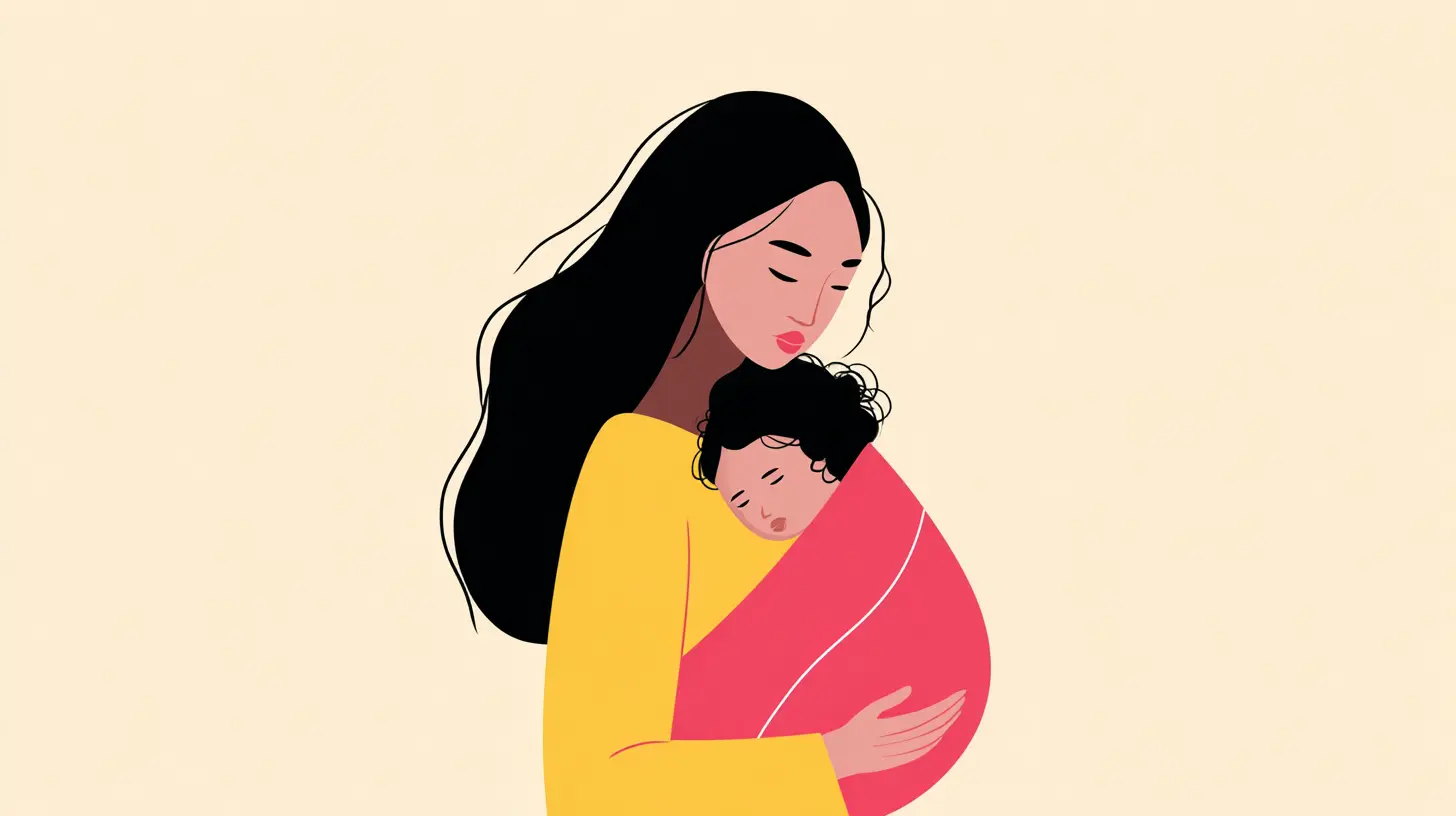
Understanding the Postpartum Transition
The postpartum period isn't just about your body healing; it's about your mind adjusting to a whole new way of life. One minute, you're elated, staring at your baby in awe, and the next, you're crying because someone finished the last slice of pizza. (Totally justifiable, by the way.)This emotional rollercoaster isn’t just in your head—it’s science. Hormonal shifts, sleep deprivation, and the immense responsibility of caring for a newborn can take a toll on your mental well-being. And while postpartum depression (PPD) is a well-known condition, other mental health struggles like anxiety, mood swings, and exhaustion often go unnoticed.
So, how do you navigate this madness while keeping your mental health a priority? Let’s break it down. 
1. Sleep: The Unicorn of Parenthood
Sleep deprivation is basically a rite of passage for new moms. But let’s be real—running on zero sleep turns even the sweetest person into a cranky gremlin.- Nap When the Baby Naps – Yes, we know, this advice is everywhere, but it’s gold. Forget the dishes, laundry, and texts—your rest comes first.
- Set Up Sleep Shifts – If possible, switch night duties with your partner or ask a trusted family member for help.
- Accept That Sleep Won't Be Perfect – Some nights will be rough. And that’s okay! Lower your expectations and celebrate small victories (like getting a full two hours of sleep in a row). 
2. Ask for Help (Seriously, Do It!)
Why do moms feel like they have to do everything alone? Superwoman mode is exhausting, and spoiler alert: you don’t have to suffer in silence.- Delegate Chores – If someone asks, “Need anything?” resist the urge to say, “No, I’m fine.” Instead, hand them the laundry basket or the grocery list.
- Find a Support System – Whether it’s your partner, family, or a moms’ group, lean on your community. Talking to others who get it makes all the difference.
- Consider Professional Help – If you’re feeling overwhelmed, a therapist or counselor can be a lifesaver. There’s no shame in seeking help—it’s a sign of strength. 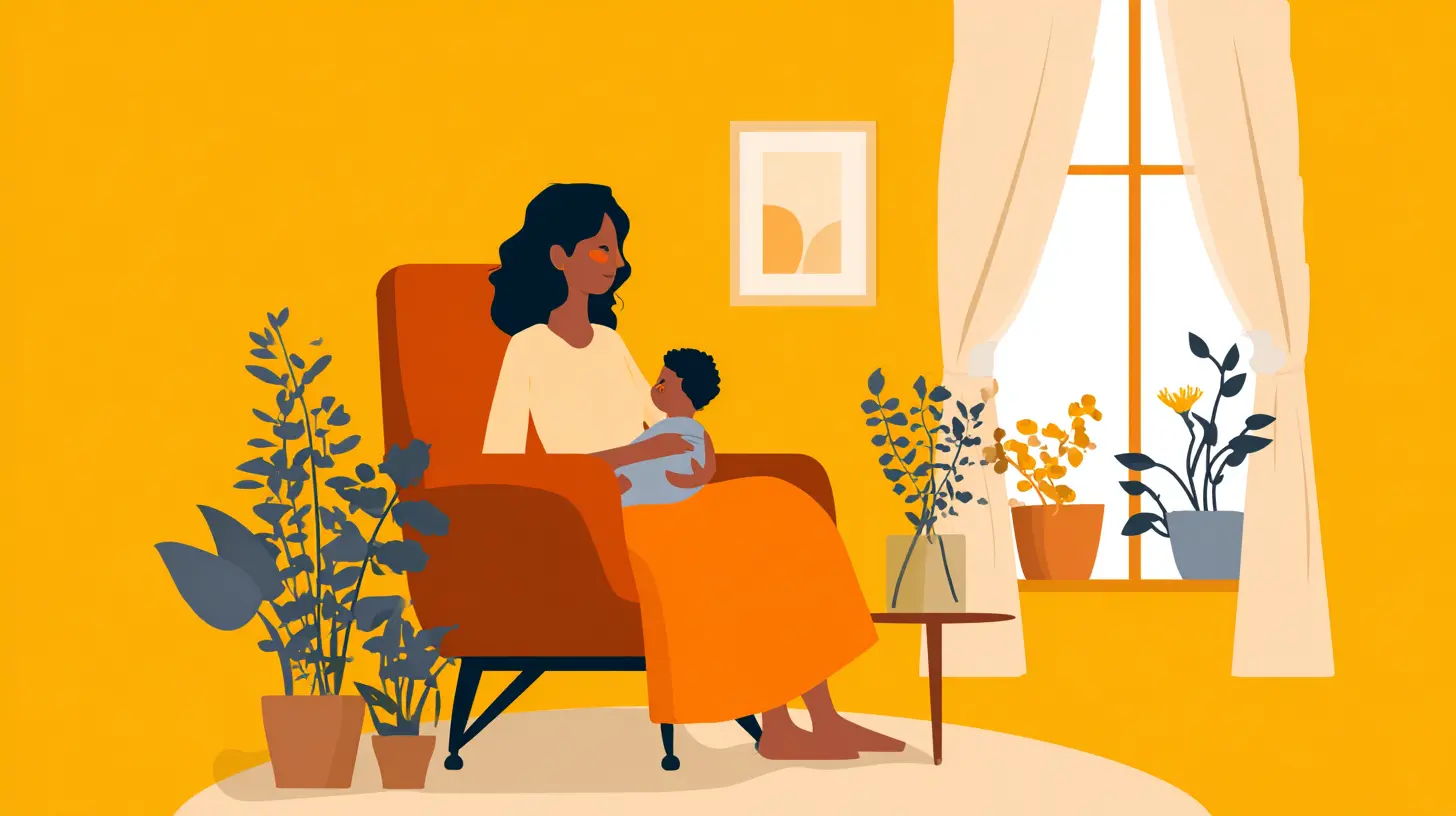
3. Nourish Your Body (Because Coffee Alone Won't Cut It)
Your body just did something incredible, and it needs fuel. But between feedings, diaper changes, and trying to stay sane, eating a balanced meal can feel like a luxury.- Stock Up on Easy, Nutritious Foods – Think smoothies, pre-cut fruits, protein bars, and anything that can be eaten with one hand.
- Stay Hydrated – Water is your best friend. Keep a bottle nearby at all times (especially if you’re breastfeeding).
- Skip the Guilt Around Comfort Foods – Craving chocolate or an extra slice of pizza? Go for it. Balance is key, and a happy mom is better than a hangry one.
4. Move Your Body (But Make It Easy)
No, we’re not talking about hitting the gym with a newborn strapped to your chest. Movement doesn’t have to be intense—it just has to make you feel good.- Take Short Walks – A 10-minute stroll outside can work wonders for your mood. Bonus: fresh air helps with baby’s sleep schedule.
- Stretch or Try Gentle Yoga – Even five minutes of stretching can relieve tension and improve how you feel.
- Dance With Your Baby – Crank up some music and sway around the living room. It’s exercise and bonding time!
5. Say Goodbye to Unrealistic Expectations
There’s a weird obsession with “bouncing back” after birth. Let’s clear this up: You didn’t go anywhere. You don’t need to “bounce back” to some previous version of yourself.- Social Media is a Lie – Those picture-perfect moms with spotless houses and smiling babies? Yeah, they’re probably crying in the bathroom between takes.
- Your Body Deserves Grace – It just created a whole person. Give it time to heal, rest, and adjust.
- Define Motherhood on Your Terms – Some days you’ll feel like a rockstar, and other days simply surviving is the win. Both are valid.
6. Connect With Other Moms
Motherhood can feel isolating, especially on those long, sleepless nights. But guess what? There’s an entire community of moms feeling exactly like you do.- Join Mom Groups Online or In-Person – Sometimes, sharing your struggles with someone who’s been there can be incredibly comforting.
- Have Honest Conversations – The more we talk about the real side of motherhood, the less alone we all feel.
- Find “Mom Friends” – Having someone to text at 2 AM about sleep regressions? Priceless.
7. Practice Self-Compassion
Motherhood is beautiful. But it’s also messy, challenging, and sometimes downright frustrating. Let’s normalize not having it all together.- Speak Kindly to Yourself – If you wouldn’t say it to your best friend, don’t say it to yourself.
- Celebrate Small Wins – Brushed your teeth today? Score. Got through bedtime without tears (from you or the baby)? Victory!
- Take Breaks Without Guilt – You deserve a moment to yourself—even if that’s just sitting in silence with a cup of coffee.
8. Keep an Eye on Your Mental Health
The baby blues are normal, but if feelings of sadness, anxiety, or overwhelm persist for weeks, it may be more than just hormones.- Recognize the Signs of Postpartum Depression & Anxiety – Persistent sadness, extreme exhaustion, irritability, difficulty bonding, or intrusive thoughts aren’t just “part of motherhood.” They’re signals that you need support.
- Talk to a Doctor if Needed – Seeking help isn't a failure—it’s an investment in your well-being.
- You Are Not Alone – So many moms have walked this path and come out stronger. You will too.
Final Thoughts: You Matter Too
Here’s the truth: You can’t pour from an empty cup. Your mental health isn’t a luxury—it’s a necessity. Prioritizing yourself isn’t selfish, it’s essential for both you and your baby.So, take the nap. Eat the cookie. Ask for help. And most importantly, remind yourself that you’re doing an amazing job. This season of life may be tough, but so are you!
all images in this post were generated using AI tools
Category:
Postpartum HealthAuthor:

Madeline Howard
Discussion
rate this article
2 comments
Haven Harris
New moms, remember: a good cup of coffee and a chat with your baby are the ultimate sanity savers!
July 7, 2026 at 4:27 PM
Madeline Howard
Absolutely! Those quiet moments can make all the difference. A little caffeine and connection go a long way.
Kristy Price
Supporting mental health postpartum is crucial for new parents. Remember, seeking help is a strength.
May 9, 2026 at 4:27 AM
Madeline Howard
Absolutely, acknowledging the importance of mental health during this transition is key. Seeking help can truly empower new parents.