Is Dairy Affecting Your Hormonal Health?
6 June 2026
Let’s be honest—nobody likes the idea of their favorite cheese board messing with their hormones. But if you’ve ever wondered if that creamy latte or late-night ice cream indulgence might be playing tricks on your body, you’re not alone. The connection between dairy and hormonal health has sparked a lot of curiosity—and controversy. Some folks swear by ditching dairy to feel more balanced, while others breeze through life with a daily dose of cheese and zero issues.
So, what’s the deal? Is dairy really messing with your hormones, or is it all just nutritional paranoia? Let's dive deep—spoons and all—into how dairy could be impacting your hormonal health.
What’s in Dairy Anyway?
Before we start blaming dairy for our skin breakouts or mood swings, let’s break down what’s actually in it.Dairy products—like milk, cheese, yogurt, and butter—come from animals (mostly cows). And because cows are mammals just like us, their milk naturally contains hormones. These include:
- Estrogen
- Progesterone
- Insulin-like growth factor 1 (IGF-1)
- Trace amounts of testosterone
Yup, even organic, non-GMO, grass-fed cow’s milk comes with a little hormonal package. It’s all natural, but that’s not the whole story. The question is: what happens when these animal hormones enter our hormone-regulating systems?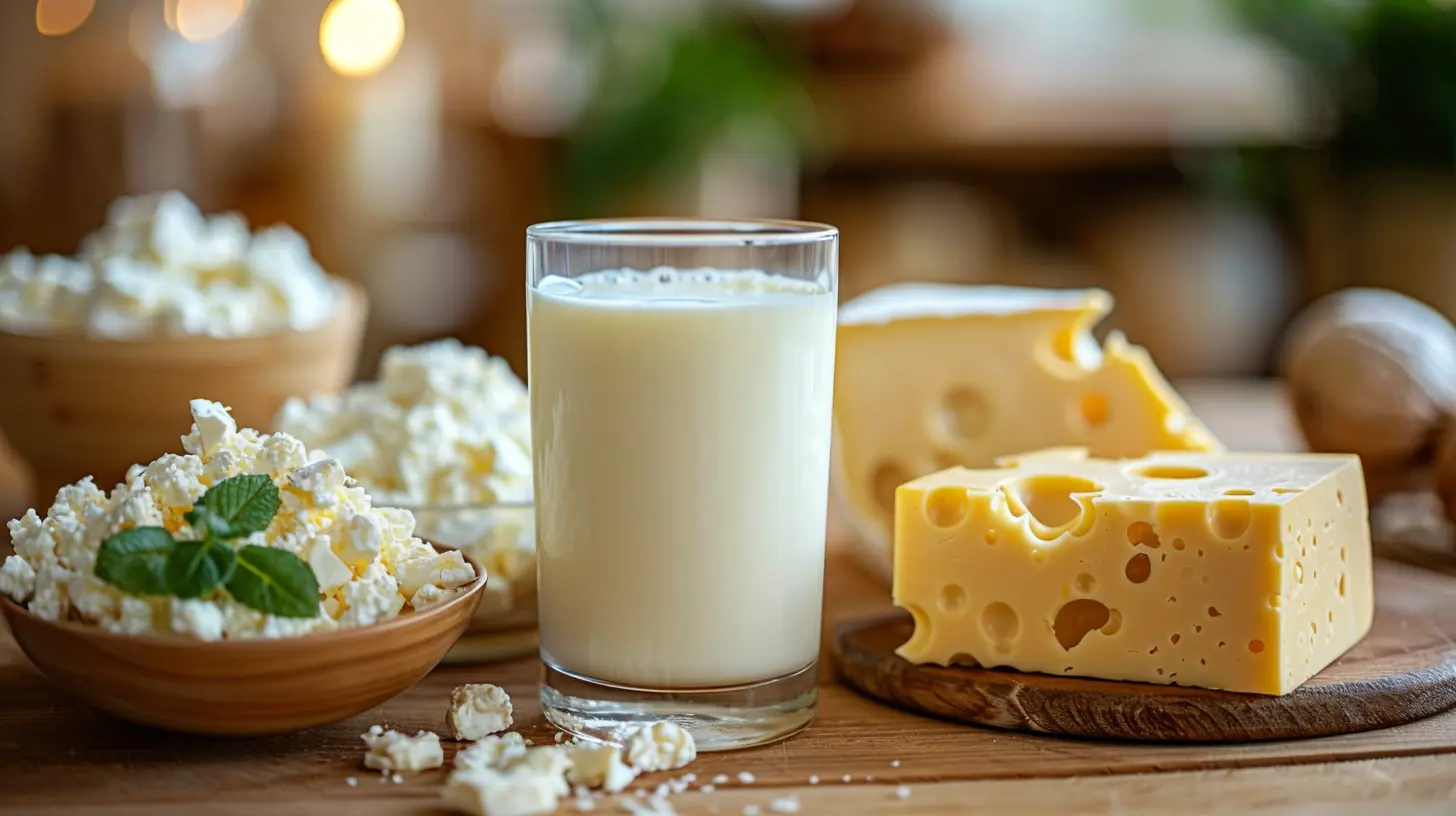
How Dairy Interacts With Your Hormones
Hormones run the show in your body. They’re the messengers that control everything from mood and metabolism to sleep and skin health. So, when something messes with those messages—like maybe dairy—it can feel like chaos behind the scenes.1. Dairy and Estrogen Levels
Cows, especially those kept pregnant to keep up milk production, have elevated estrogen. So their milk? It’s got extra estrogen too. When you consume dairy regularly, you're potentially introducing more estrogen into your system.Now, you might be thinking: “It’s just a little estrogen, right?” True, but over time and in large amounts, it can add up. Studies have suggested that excessive estrogen exposure can:
- Disrupt your natural hormonal rhythm
- Affect menstrual cycles
- Potentially play a role in hormone-sensitive cancers (like breast and prostate)
This doesn’t mean pouring milk over your cereal once in a while will wreak havoc, but if you’re already estrogen-dominant or dealing with hormonal issues, dairy could be tipping the scales.
2. Dairy and Insulin Levels
Milk contains a sugar called lactose, which your body breaks down into glucose and galactose. This process spikes your insulin levels.But it gets more interesting—dairy can stimulate insulin even more than white bread. Shocking, right? That’s because dairy also increases levels of IGF-1, a growth hormone that's linked to cell growth and development.
Sounds good if you’re a growing teenager, right? But too much IGF-1 in adults may contribute to:
- Oily skin and acne
- Accelerated aging
- Increased risk of certain cancers
It’s like giving your body a constant green light to grow stuff—even when it shouldn’t.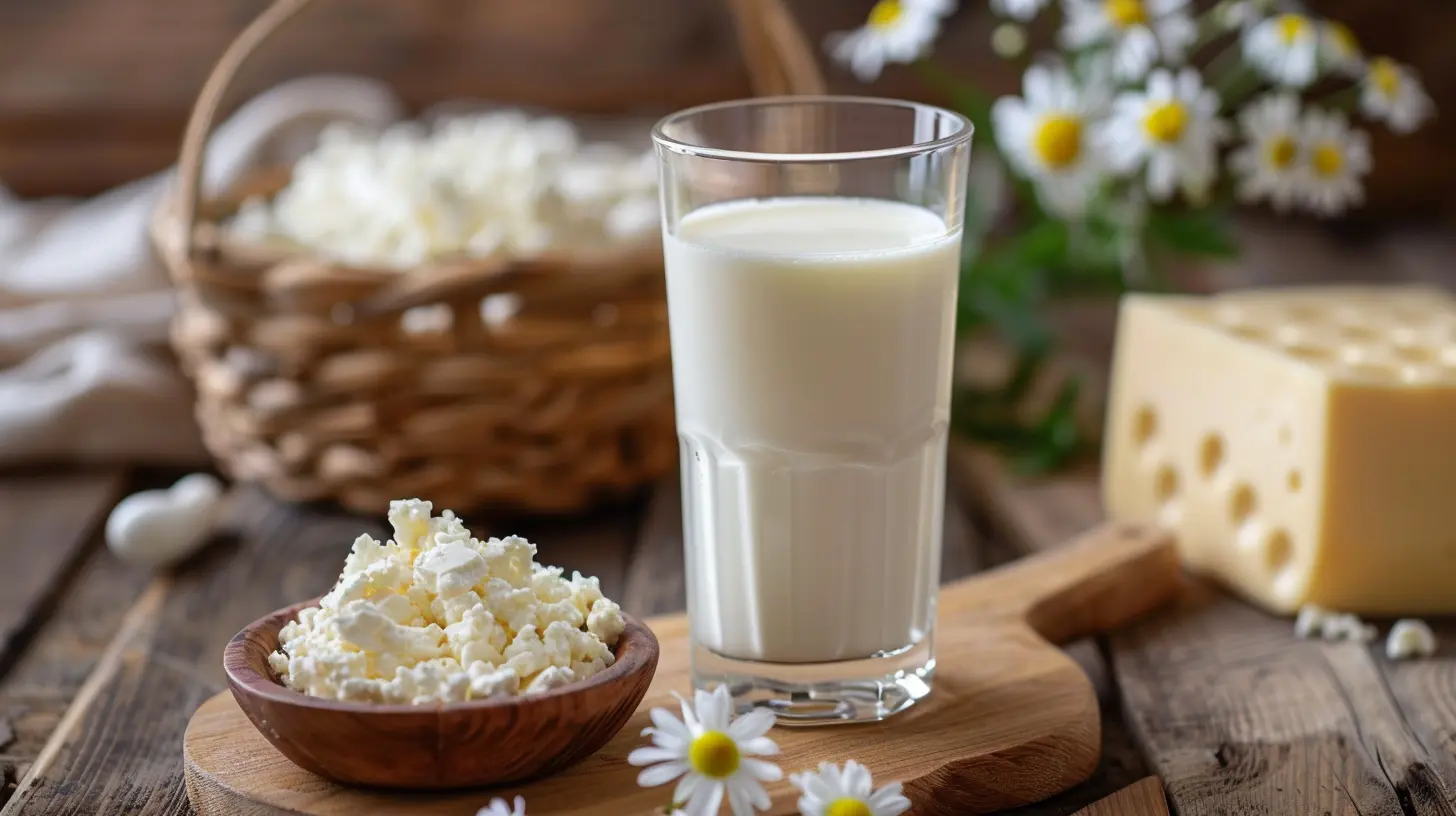
Can Dairy Cause Hormonal Acne?
This is a hot-button question, especially for teens and adults dealing with stubborn breakouts. You've probably heard someone say, “I cut out dairy and my skin cleared up!” And science is starting to back that up.Why Acne and Dairy Might Be Linked:
- Hormonal Changes: As mentioned, dairy increases IGF-1, which stimulates oil production. Oily skin? Perfect breeding ground for acne.- Inflammation: Processed dairy can trigger inflammation—a big part of chronic acne.
- Digestive Connection: If your gut isn’t loving dairy, it may show on your face. Skin is often a mirror of gut health.
So, could that daily glass of milk be the culprit behind your breakouts? Maybe. Everyone’s skin is different, but if acne’s a recurring issue, consider doing a dairy-free trial for a few weeks and watching your skin closely.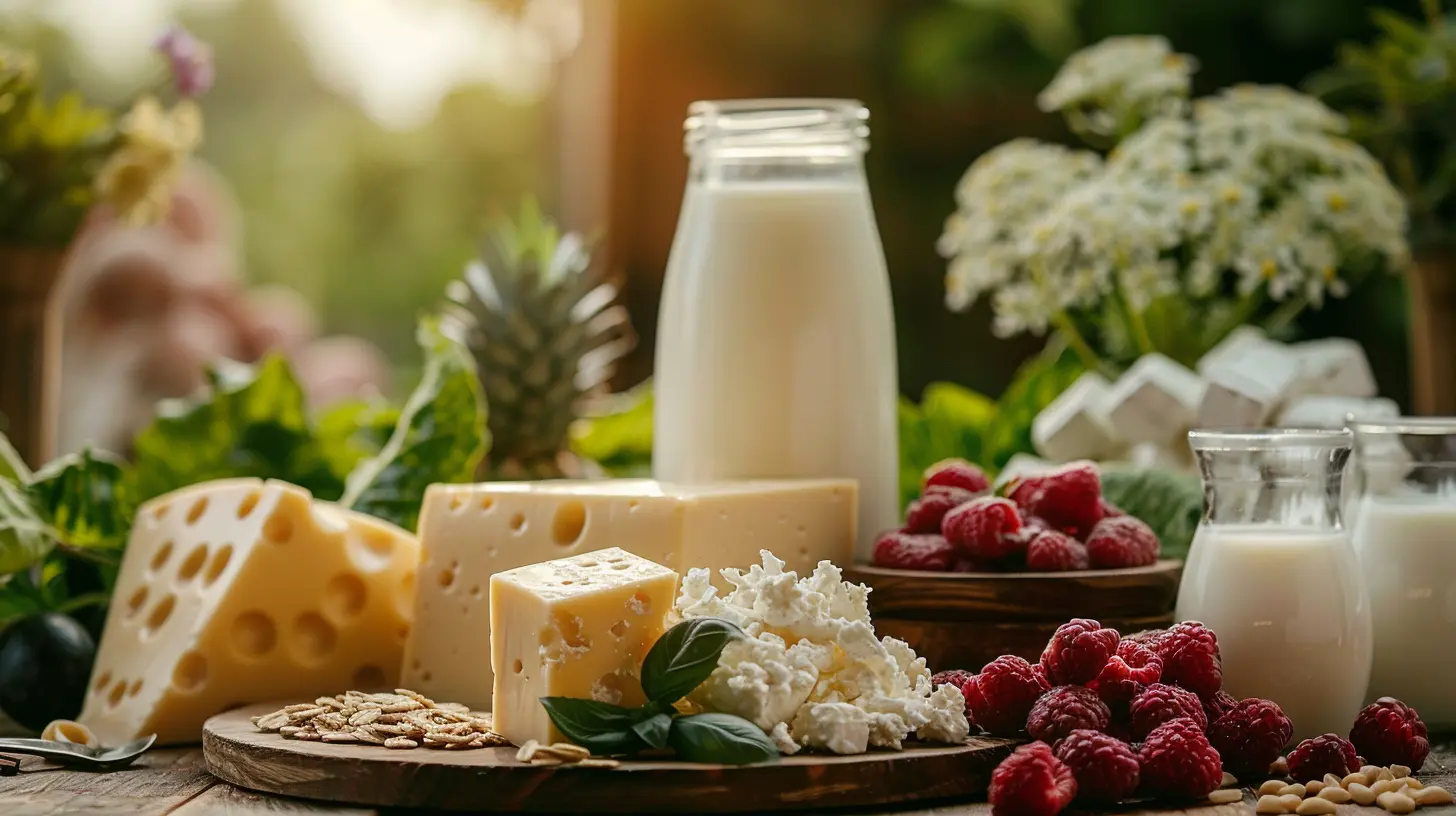
Dairy and Women’s Hormonal Health
Ladies, this one’s especially for you. Hormonal balance isn’t just about your period—it affects your energy, sleep, weight, mood, and even fertility.PCOS and Dairy
Polycystic Ovary Syndrome (PCOS) involves insulin resistance, inflammation, and hormone imbalances. Since we’ve already talked about how dairy can spike insulin and estrogen, you can probably guess where this is going.Some women with PCOS report improved symptoms when they cut down or eliminate dairy. It’s not a one-size-fits-all fix, but reducing dairy may help manage:
- Irregular periods
- Acne
- Weight gain
- Energy dips
PMS and Menstrual Irregularities
If you dread your period every month and feel like you're on a hormonal rollercoaster, dairy might not be helping. Higher estrogen levels (from both your body and your diet) can worsen PMS symptoms like:- Mood swings
- Bloating
- Breast tenderness
Many women notice a reduction in these symptoms after reducing dairy—especially around their cycles.
How About Men?
Testosterone plays a big role in men's hormonal health, and here's where things get controversial.Some studies suggest dairy—especially full-fat milk—may lower testosterone levels in men. Others argue that the effect is minimal and not worth stressing about. But if you’re dealing with low energy, mood issues, or even low libido, it might be worth keeping an eye on your dairy intake.
Is All Dairy Created Equal?
Not necessarily. The impact of dairy on hormones can depend on several factors:1. Type of Dairy
- Full-fat vs Low-fat: Full-fat dairy contains more natural hormones. Low-fat dairy, on the other hand, often has added sugars—so it’s not exactly a win either.- Fermented dairy (like yogurt, kefir): These options are easier to digest and may actually support gut health.
- Raw vs Pasteurized: Raw milk enthusiasts claim it’s less inflammatory. But it comes with bacterial risks.
2. How the Cow Was Raised
- Conventional dairy farms often use synthetic hormones (like rBST) to increase milk production. Though banned in many countries, it’s still used in parts of the U.S.- Grass-fed, hormone-free dairy is generally seen as a better option if you’re going to consume it.
What Should You Do?
Here’s the thing—dairy doesn’t affect everyone the same way. Some people thrive on dairy and feel totally fine. Others cut it out and suddenly feel like a glowing, energized version of themselves.So, Should YOU Go Dairy-Free?
Ask yourself:- Do you struggle with acne, PMS, PCOS, or mood swings?
- Do you feel bloated or sluggish after eating dairy?
- Have you ever actually tried cutting it out for a few weeks?
If you're nodding your head, it may be worth experimenting with a short dairy detox. Try going dairy-free for 21–30 days and note any changes. Your skin, sleep, and energy might give you some surprising feedback.
Dairy Alternatives: The Good, the Bad, and the Creamy
If you decide to cut back, don’t panic—you won’t have to live in a cheese-less world. Here are some solid swaps:- Milk: Almond, oat, cashew, coconut, hemp
- Cheese: Nut-based cheeses, nutritional yeast for cheesy flavor
- Yogurt: Coconut or almond yogurt (look for ones with probiotics)
- Butter: Ghee (if tolerated), avocado oil, coconut oil
Just make sure to check for added sugars and preservatives. Not all dairy-free products are automatically healthier.
Final Thoughts: Balance Over Dogma
Here’s the bottom line—dairy isn’t the devil, but it’s not a saint either. It’s a complex food that interacts with your body in very personal ways. If your hormones feel out of whack, your skin is acting up, or you just feel off, dairy might be one of the puzzle pieces worth examining.You don’t have to go all-or-nothing either. This isn’t about labeling food as good or bad—it’s about tuning in, paying attention to how your body feels, and being curious enough to experiment.
Maybe it’s not about cutting dairy forever, but about giving your body a breather now and then. Because when your hormones are happy, your whole life feels better.
all images in this post were generated using AI tools
Category:
Healthy HormonesAuthor:

Madeline Howard
Discussion
rate this article
2 comments
Hailey McLoughlin
Consider dairy's role in your hormonal balance.
August 21, 2026 at 2:31 AM
Vivian McInerney
Dairy's impact on hormones varies by individual; personal experience and sensitivity matter greatly.
June 16, 2026 at 3:46 AM
Madeline Howard
That's a great point. Personal experience plays a key role in how dairy affects hormone levels, and it's important to listen to your body.