Injury Recovery: What to Eat During Downtime from Sports
2 December 2025
Getting sidelined by an injury is every athlete's nightmare. Whether it's a twisted ankle, torn ligament, or muscle strain, downtime can feel like hitting the pause button on your progress. But here’s the good news—just because you’re off the field doesn't mean your recovery has to be slow. What you eat during this time can either speed up the healing process or set you back.
Let’s break down what your body truly needs nutritionally during recovery and how to fuel it right when you're out of action.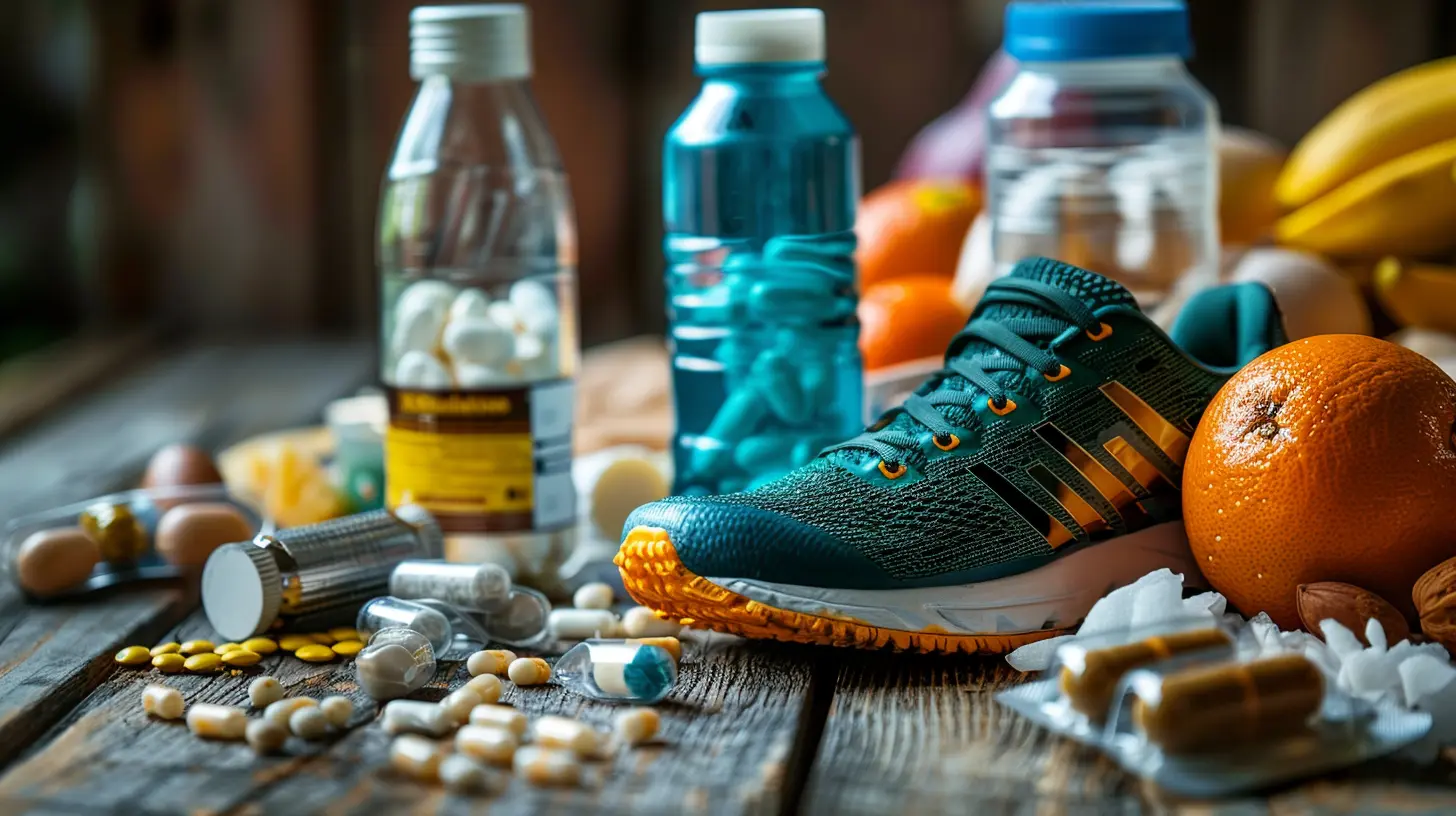
Why Nutrition Matters More During Injury Recovery
Think of your body like a construction site. When you’re injured, your body goes into repair mode. It needs the right materials (nutrients) to rebuild tissue, fight inflammation, and prevent muscle loss.Food isn’t just fuel; it’s medicine. And during injury recovery, it matters even more because your body’s working overtime to heal.
The 3 Phases of Injury Recovery—and Your Nutritional Focus in Each
Your recovery journey isn’t a straight line. It has phases, and so should your meals. Let’s look at each one.1. Inflammatory Phase (First Few Days)
This is when your injured area swells. It’s your body’s natural reaction to trauma.Nutritional Goal: Tame inflammation without shutting it down completely (a little inflammation is necessary for healing).
What to Eat:
- Omega-3 fats: fatty fish (salmon, sardines), chia seeds, walnuts
- Antioxidant-rich veggies: spinach, kale, broccoli, bell peppers
- Spices: Turmeric and ginger (natural anti-inflammatories)
- Berries: Blueberries, strawberries, blackberries (loaded with antioxidants)
What to Avoid:
- Excessive sugar (cakes, soda)
- Processed foods and refined carbs (white bread, chips)
- Fried or greasy meals
2. Proliferation Phase (Days to Weeks)
Cells start rebuilding tissue. Think of this as the “repair and regrow” phase.Nutritional Goal: Support tissue growth and collagen production.
What to Eat:
- Protein-rich foods: Chicken, eggs, tofu, beans
- Bone broth: Packed with collagen and amino acids
- Vitamin C-rich fruits: Oranges, kiwi, papaya (helps collagen formation)
- Leafy greens: Rich in vitamins A and C
3. Remodeling Phase (Weeks to Months)
Old tissue gets replaced with new, stronger tissue. Your strength and flexibility slowly come back.Nutritional Goal: Maintain muscle mass and continue supporting tissue repair.
What to Eat:
- High-quality protein: Lean meats, Greek yogurt, protein shakes
- Whole grains: Oats, brown rice, quinoa (energy for rehab exercises)
- Calcium and Vitamin D: Milk, fortified cereals, sunlight exposure
- Magnesium-rich foods: Almonds, pumpkin seeds, dark chocolate (helps with muscle function)
The Role of Protein: Your #1 Recovery Macronutrient
Let’s get this straight. Protein is king when you’re healing. Your muscles are at risk of wasting away when they're not being used, so your protein needs actually go UP—yes, even when you’re not training.How Much Should You Eat?
Aim for around 1.6 to 2.2 grams of protein per kilogram of body weight. Spread it out over the day to keep your muscles constantly fueled.
Best Protein Sources:
- Animal-based: Eggs, chicken, turkey, fish, dairy
- Plant-based: Lentils, chickpeas, tofu, edamame, tempeh
Want a quick tip? Add a scoop of whey protein to smoothies or oatmeal. Easy gains even while resting.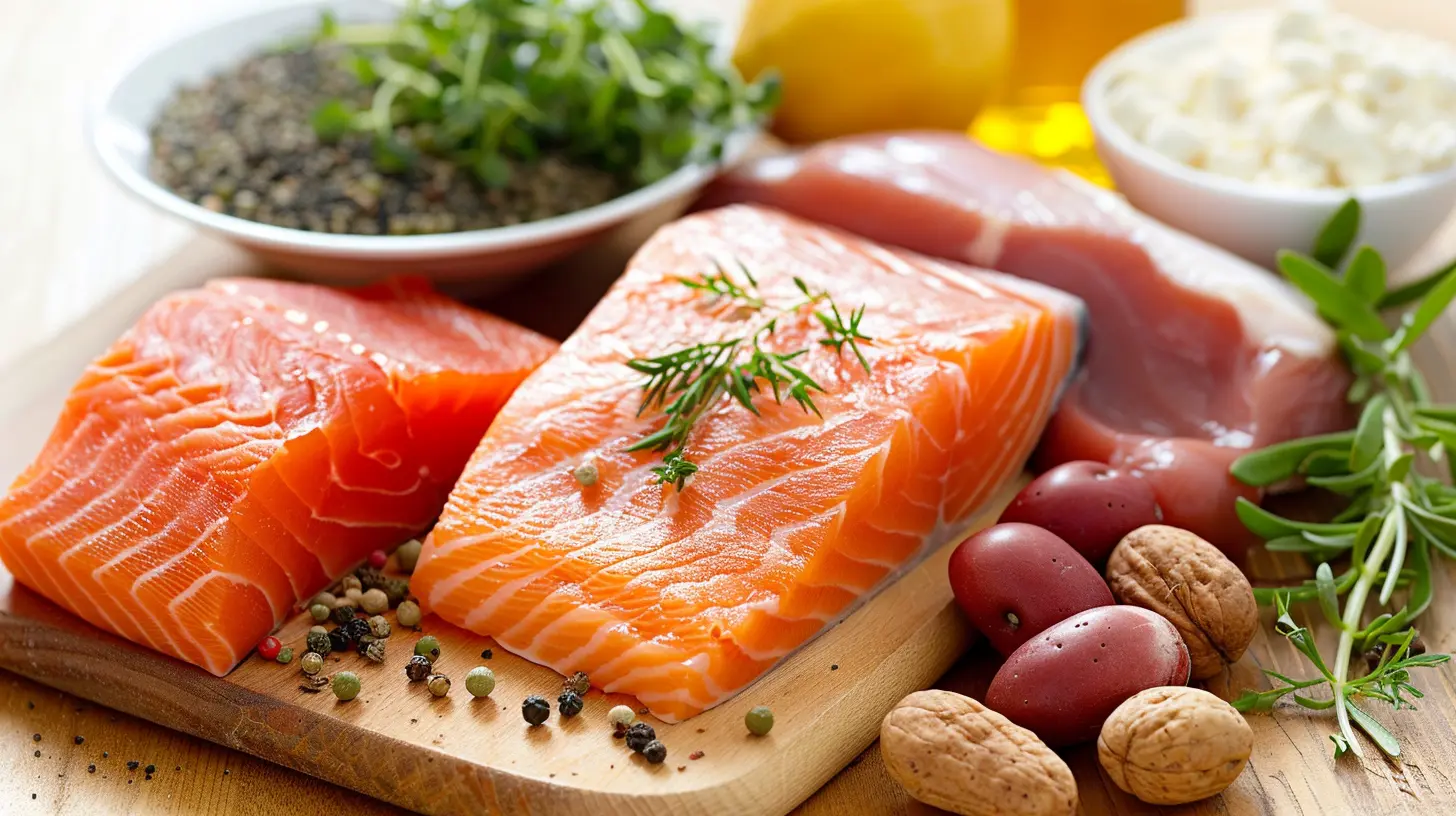
Fats Aren’t the Enemy
Healthy fats help reduce inflammation and support hormone production. Don’t skip them!Good Fats To Include:
- Avocados
- Olive oil
- Nuts and seeds
- Fatty fish
Keep in mind: Trans fats and deep-fried stuff? Those are the real villains.
Carbs: Yes, You Still Need Them
Carbs often get a bad rap, but during recovery, they’re essential. They prevent your body from using protein for energy, keeping it focused on repair work. You're also probably less active, so you don’t need a mountain of carbs—but you still need enough.Healthy Carb Choices:
- Sweet potatoes
- Whole grains
- Legumes
- Vegetables
- Fruits
Stick with slow-digesting, high-fiber carbs to avoid blood sugar crashes and weight gain.
Vitamins and Minerals That Matter
Forget the multivitamin fluff. These nutrients are true game-changers when it comes to recovery:🧡 Vitamin C
Supports collagen formation.Sources: Citrus fruits, strawberries, peppers, kale.
💪 Vitamin D
Helps reduce inflammation and supports bone health.Sources: Sunlight, fortified dairy, egg yolks, mushrooms.
🦴 Calcium
Critical for bone repair.Sources: Dairy products, leafy greens, almonds, tofu.
🧠 Zinc
Speeds up wound healing.Sources: Meat, shellfish, pumpkin seeds, cashews.
⚡ Magnesium
Relieves muscle tension and enhances nerve function.Sources: Spinach, black beans, dark chocolate, whole grains.
Collagen and Gelatin: The Secret Weapons
Ever had bone broth? It’s like liquid gold for recovery. Collagen and gelatin contain amino acids like glycine and proline that directly support joint and tissue healing.You can also supplement with collagen peptides in powder form. Add them to coffee, smoothies, or even soups—you won’t even taste it.
Hydration: The Forgotten Healer
Water does more than keep you from feeling thirsty. It transports nutrients, flushes out toxins, and helps reduce joint stiffness.Aim for 2-3 liters a day. If you’re on painkillers or anti-inflammatories, hydrate even more to give your kidneys a break.
Want a boost? Add electrolyte-rich drinks, especially if you’re sweating during rehab.
How to Avoid Unwanted Weight Gain During Downtime
Let’s be real—less movement and same eating habits can lead to creeping weight gain. But that doesn’t mean you need to starve yourself.Smart Tips:
- Cut calorie-dense snacks (chips, cookies, soda)
- Focus on nutrient-dense foods instead of empty calories
- Don’t skip meals—just portion better
- Track your intake for a week to spot problem areas
- Stay consistent with eating times to manage blood sugar
A little weight gain during injury recovery is not the end of the world. But smart eating can keep it in check.
Sample One-Day Meal Plan for Recovery
Here's an example of a day's worth of injury-healing, muscle-preserving, inflammation-fighting meals:Breakfast:
- Scrambled eggs with spinach and mushrooms
- Whole grain toast with avocado
- Orange slices
Snack:
- Greek yogurt with blueberries and chia seeds
Lunch:
- Grilled salmon salad (leafy greens, tomatoes, olive oil dressing)
- Quinoa
- Apple
Snack:
- Protein smoothie (whey protein, banana, almond butter, oats, almond milk)
Dinner:
- Chicken stir-fry with mixed vegetables and brown rice
- Side of bone broth
Before Bed:
- Cottage cheese with pumpkin seeds
This kind of meal plan covers all your bases—protein, good fats, vitamins, minerals, and antioxidants.
Supplements During Recovery: Do You Need Them?
Sometimes, food alone isn’t enough—especially if your appetite is off or you're struggling to eat balanced meals. Here are supplements worth considering (after chatting with your doctor):- Collagen peptides
- Vitamin D3
- Omega-3 (fish oil capsules)
- Zinc and magnesium
- Protein powder (whey or plant-based)
These aren’t magic pills—but they can fill nutritional gaps and boost your recovery game.
Final Thoughts: Eating Like an Athlete Even When Sidelined
Being off the court, field, or gym floor doesn’t mean hitting pause on your health. In fact, your nutrition game matters now more than ever. Eating right can help you come back quicker, stronger, and leaner—not just patched up, but upgraded.So next time an injury tries to put you on the bench, remember—you’ve still got control over the fuel you put in your tank. Use it smartly, and your comeback will be stronger than your setback.
You’ve got this.
all images in this post were generated using AI tools
Category:
Sports NutritionAuthor:

Madeline Howard
Discussion
rate this article
2 comments
Kristina McGinnis
Nourish your body to heal; every healthy choice brings you closer to recovery!
December 18, 2025 at 3:54 AM
Madeline Howard
Thank you! Nourishing our bodies with healthy choices is crucial for effective recovery. Every little bit helps!
Cruz Gates
Great tips for healing wisely!
December 7, 2025 at 3:58 PM
Madeline Howard
Thank you! I'm glad you found the tips helpful!