How to Use Fermented Foods in Your Daily Cooking
6 August 2026
Fermented foods have exploded in popularity recently—and for good reason. They’re flavorful, packed with gut-friendly probiotics, and surprisingly versatile in everyday meals. If you’ve wondered how to get more fermented goodness into your diet without eating sauerkraut straight from the jar (though no one's judging!), stick around—we’re going to dive deep into how to use fermented foods in your daily cooking in ways that are easy, tasty, and super beneficial for your health.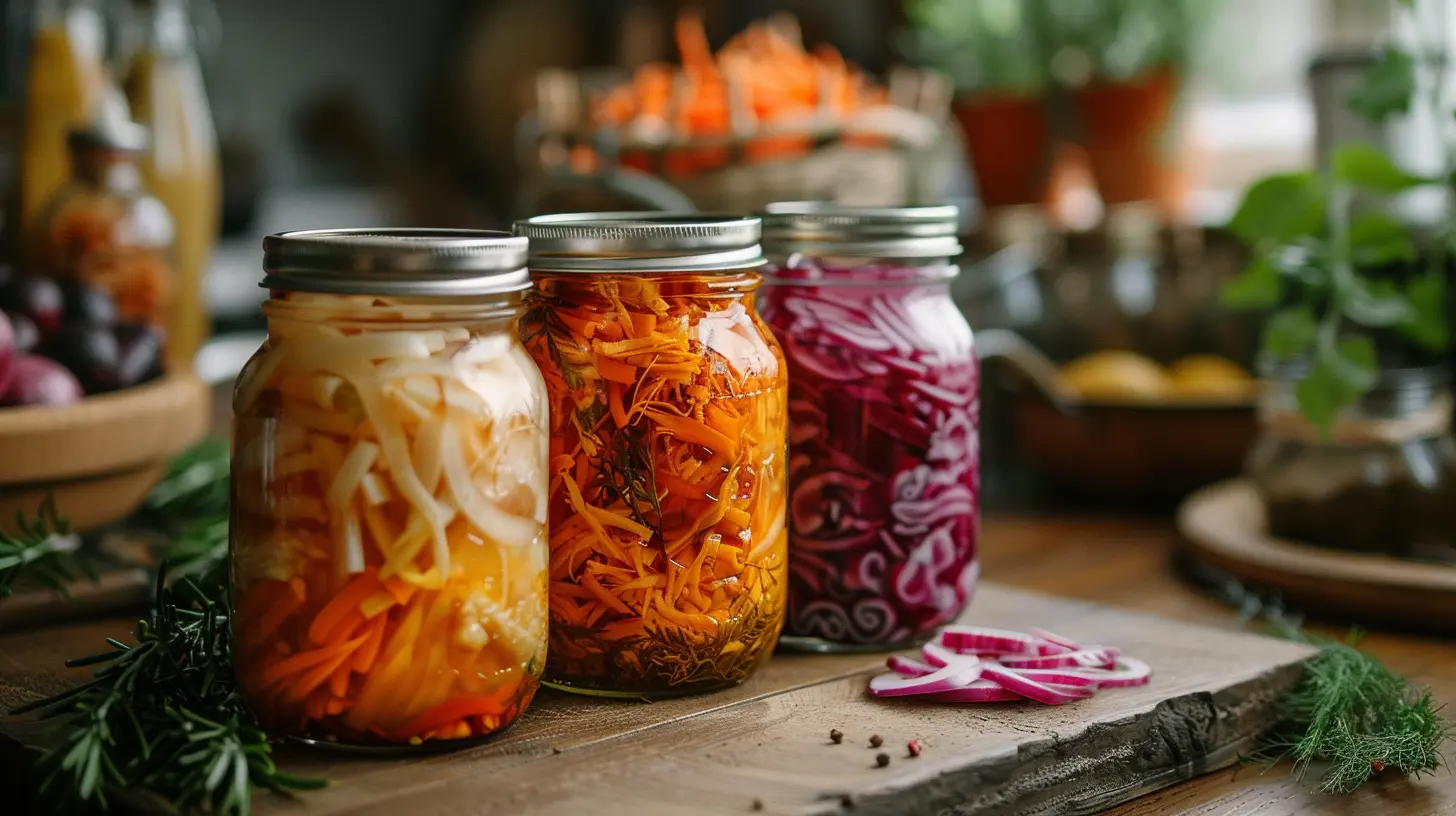
What Are Fermented Foods, Anyway?
Let’s clear this up before we go any further. Fermented foods are foods and drinks that have undergone controlled microbial growth and fermentation. In simple terms, natural bacteria feed on the sugar and starch in the food, creating beneficial enzymes, B vitamins, omega-3 fatty acids, and probiotics.Some well-known fermented foods include:
- Yogurt
- Kimchi
- Sauerkraut
- Tempeh
- Miso
- Kombucha
- Kefir
- Pickles (the fermented kind, not just vinegar-preserved)
These power-packed foods have been around for centuries and appear in traditional cuisines from all over the world.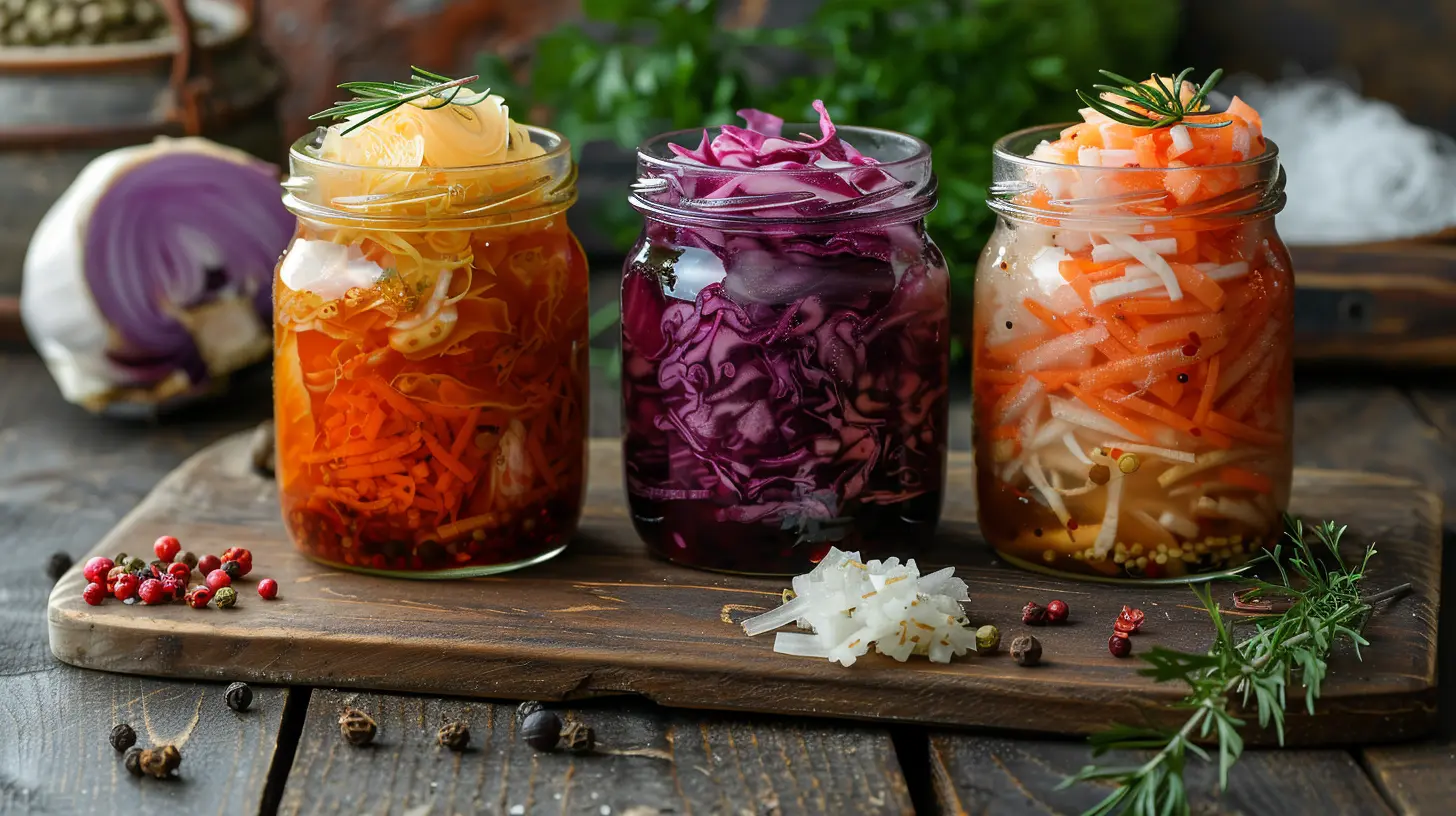
Why Should You Care About Fermented Foods?
Besides adding punchy flavor, there are some seriously awesome health perks:- Improved Gut Health: Fermented foods are loaded with probiotics, which help maintain a healthy balance of gut bacteria.
- Stronger Immunity: A happy gut leads to a stronger immune system. Around 70% of your immune system lives in your gut!
- Better Digestion: Enzymes created during fermentation make it easier for your body to break down and absorb nutrients.
- May Improve Mood: There’s a strong connection between gut health and mental well-being. Crazy, right?
Okay, now that you know what they are and why you should care, let’s talk about how to actually use them in your kitchen.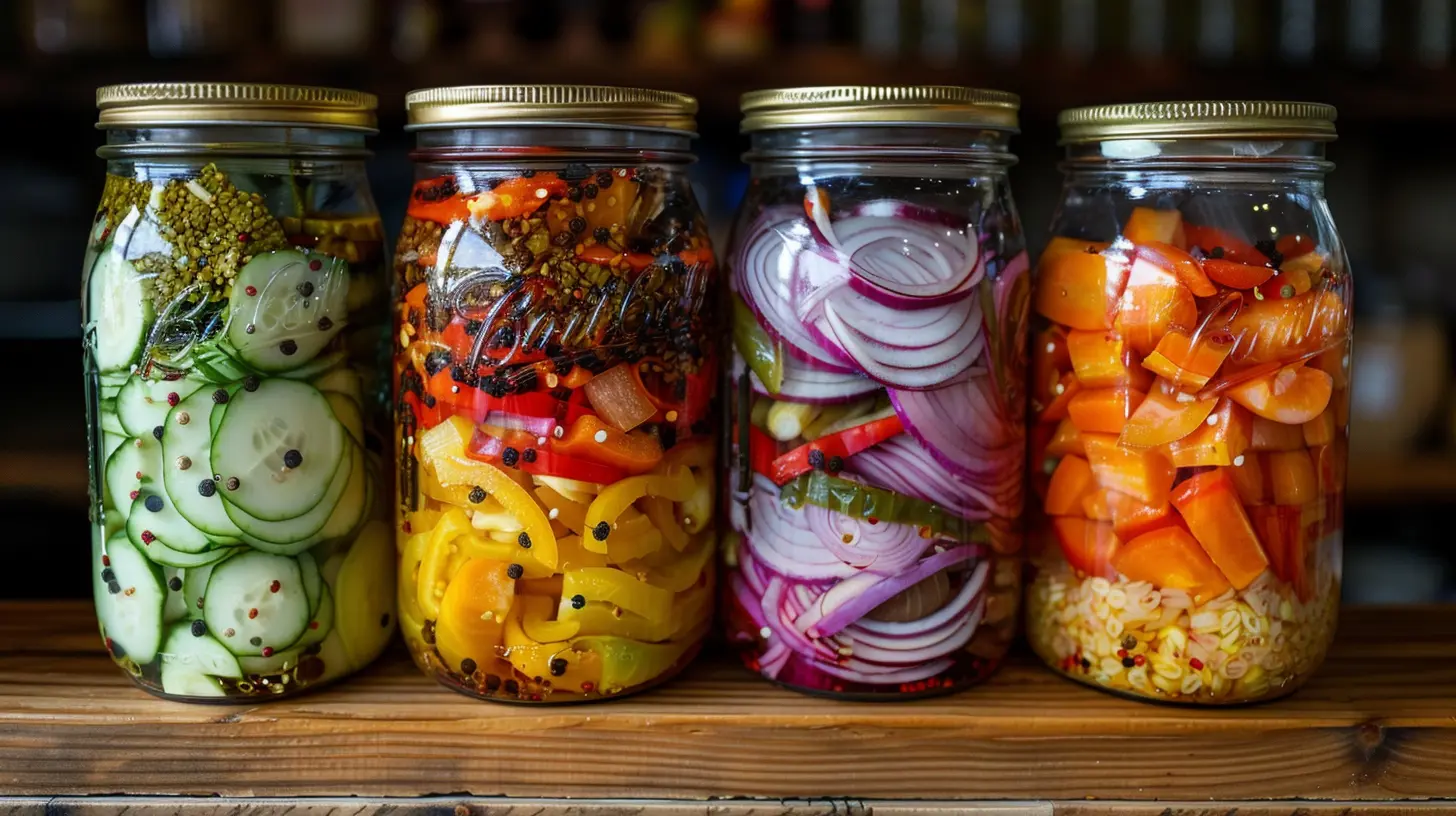
1. Start Your Day with Fermented Goodness
? Kefir in Your Smoothie
Swap out the milk or yogurt in your morning smoothie with kefir. It’s like drinkable yogurt but tangier and loaded with more probiotics.Pro tip: Mix kefir with banana, berries, a scoop of protein powder, and a spoonful of almond butter. It’s creamy, delicious, and gives your gut a happy wake-up call.
? Yogurt Bowls That Rock
Use plain, full-fat yogurt (preferably Greek-style or Icelandic skyr) and top it with granola, fruit, seeds, and a drizzle of honey. Need something savory? Add cucumber, olive oil, a pinch of salt, and fresh herbs like dill or mint.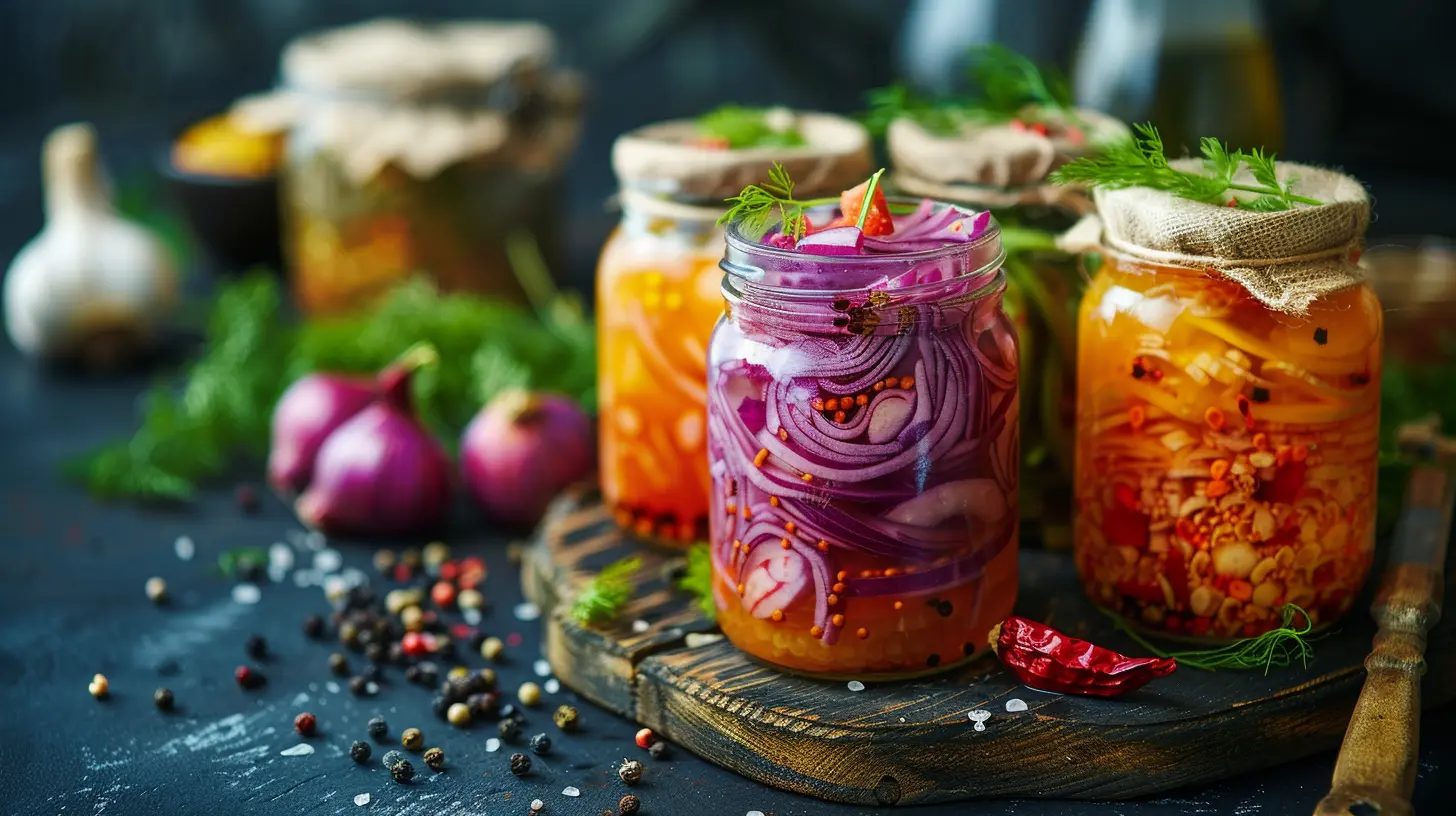
2. Lunchtime? Add a Fermented Twist
? Wrap It Up with Kimchi
Make your regular wrap or sandwich 10x better by tossing in a spoonful of kimchi. Whether it’s turkey, tofu, or egg salad, crunchy kimchi adds a spicy, umami punch that turns average into awesome.? Salads with Fermented Flair
Use sauerkraut as a tangy salad topper or mix it right into your greens. You can even whisk a bit of sauerkraut brine into your salad dressing for a probiotic boost.Try This: Mix olive oil, Dijon mustard, honey, and a splash of sauerkraut brine. Boom—gut-friendly vinaigrette.
3. Level Up Your Dinners
? Miso Makes Everything Better
Miso is a fermented soybean paste that adds that magical "umami" depth to just about anything. Stir it into soups (yep, miso soup), mix it with butter to smear on roasted veggies or fish, or even use it in sauces and marinades.Note: Don’t boil miso! High heat kills the probiotics, so try stirring it in at the end of cooking.
? Tempeh: Your New Meat Alternative
Tempeh is fermented soybeans pressed into a firm block. It’s nutty, chewy, and crazy high in protein. Slice it thin, marinate it, and crisp it up in a pan. Boom—veggie tacos, Buddha bowls, or stir-fries just got a serious upgrade.4. Snack Smarter with Fermented Foods
? Real Pickles, Real Flavor
Ditch the pickles soaking in vinegar and look for lacto-fermented ones—crunchy, sour, and legit probiotic powerhouses. Eat them solo, add them to your charcuterie board, or chop them onto deviled eggs or potato salad.? Sip on Kombucha
Instead of soda or sugary juices, reach for kombucha. It’s fizzy, flavorful, and provides a refreshing lift—plus it's full of live cultures. Just watch the sugar content—some brands go overboard.5. Add Fermentation Without Changing Your Whole Meal Plan
Not ready to overhaul your diet? No biggie. Start small. Add a spoonful here, a splash there. Fermented foods can be an easy, low-effort addition to dishes you're already making.Some ideas:
- Add fermented hot sauce to your eggs
- Stir kimchi into a rice bowl
- Use miso in salad dressings
- Add sauerkraut to your burger or Reuben sandwich
- Drop tempeh into chili or stews
You don’t need to become a fermentation wizard overnight. Let these foods work their way into your habits over time.
6. Make Your Own: It’s Easier Than You Think
You don’t have to be a scientist to ferment your own goodies. With just a few tools (like a mason jar and sea salt), you can make:- Yogurt
- Sauerkraut
- Kombucha
- Kimchi
- Pickled carrots, onions, or jalapeños
There’s something super satisfying about making these foods yourself. Plus, you can tweak the flavors just the way you like them.
7. Don’t Forget the Kids!
Yep, the little ones can benefit too. Try:- Mixing kefir into smoothies
- Giving them low-sugar kombucha (diluted with water if needed)
- Using yogurt-based dips with veggies
- Offering a tiny nibble of kimchi or pickles as a side
Start small and let their taste buds adjust. Remember—it’s all about exposure.
8. A Word of Caution: Start Slow
Because fermented foods are so potent, especially with probiotics and enzymes, jumping in too fast can cause some... let’s say, digestive drama.To avoid tummy trouble:
- Start with small portions
- Drink plenty of water
- Introduce one type at a time
- Wait a few days to see how your body reacts
Listen to your gut—literally.
9. Pair Fermented with Prebiotic Foods
Prebiotics are the food for probiotics. You’ll supercharge the benefits of fermented foods by pairing them with prebiotic-rich foods like:- Garlic
- Onions
- Asparagus
- Bananas (especially slightly green ones)
- Leeks
- Oats
An example? Have a banana with your kefir smoothie. Or stir garlic and onion into your miso soup. It's like giving your gut bacteria the VIP treatment.
10. Love Your Gut with Every Bite
Here’s the beautiful thing about fermented foods: they don’t have to be boring or complex. From smoothies and salads to soups and snacks, there are endless ways to fold them into your daily routine.Just remember:
- Go for variety (don’t rely on just one type)
- Check labels (you want live cultures!)
- Experiment and have fun
Your stomach, immune system, and even your mood will thank you. And hey, your taste buds are in for a treat too.
Final Thoughts
Using fermented foods in your daily cooking doesn’t require a total kitchen makeover. It’s all about small, flavorful tweaks that add up to big health benefits. So next time you're making your usual meal, ask yourself: could this use a little tang, crunch, or probiotic love?Add a sprinkle of sauerkraut, drizzle some miso dressing, or sip on kombucha—and you’re good to go.
Trust your gut—literally and figuratively.
all images in this post were generated using AI tools
Category:
Healthy CookingAuthor:

Madeline Howard
Discussion
rate this article
1 comments
Valentina Sanders
I love the idea of incorporating fermented foods into daily meals! They not only add unique flavors but also boost gut health. It's great to see practical tips here. I'm excited to try new recipes and explore how these ingredients can enhance our cooking and overall well-being. Thanks for sharing!
August 10, 2026 at 3:13 PM