How to Prevent Allergic Reactions at Holiday Meals
26 January 2026
The holidays are a time for joy, laughter, and let’s be honest—tons of delicious food. But if you or someone around your table has food allergies, the stakes go way beyond just slightly burnt turkey. A seemingly innocent dish could turn a cheerful gathering into a trip to the ER. Sounds dramatic? Maybe. But for millions dealing with food allergies, it's a very real concern. So, how do we keep everyone safe and smiling?
Let’s break down how to prevent allergic reactions at holiday meals—without losing the magic that makes these celebrations so special.
Understanding the Allergy Landscape
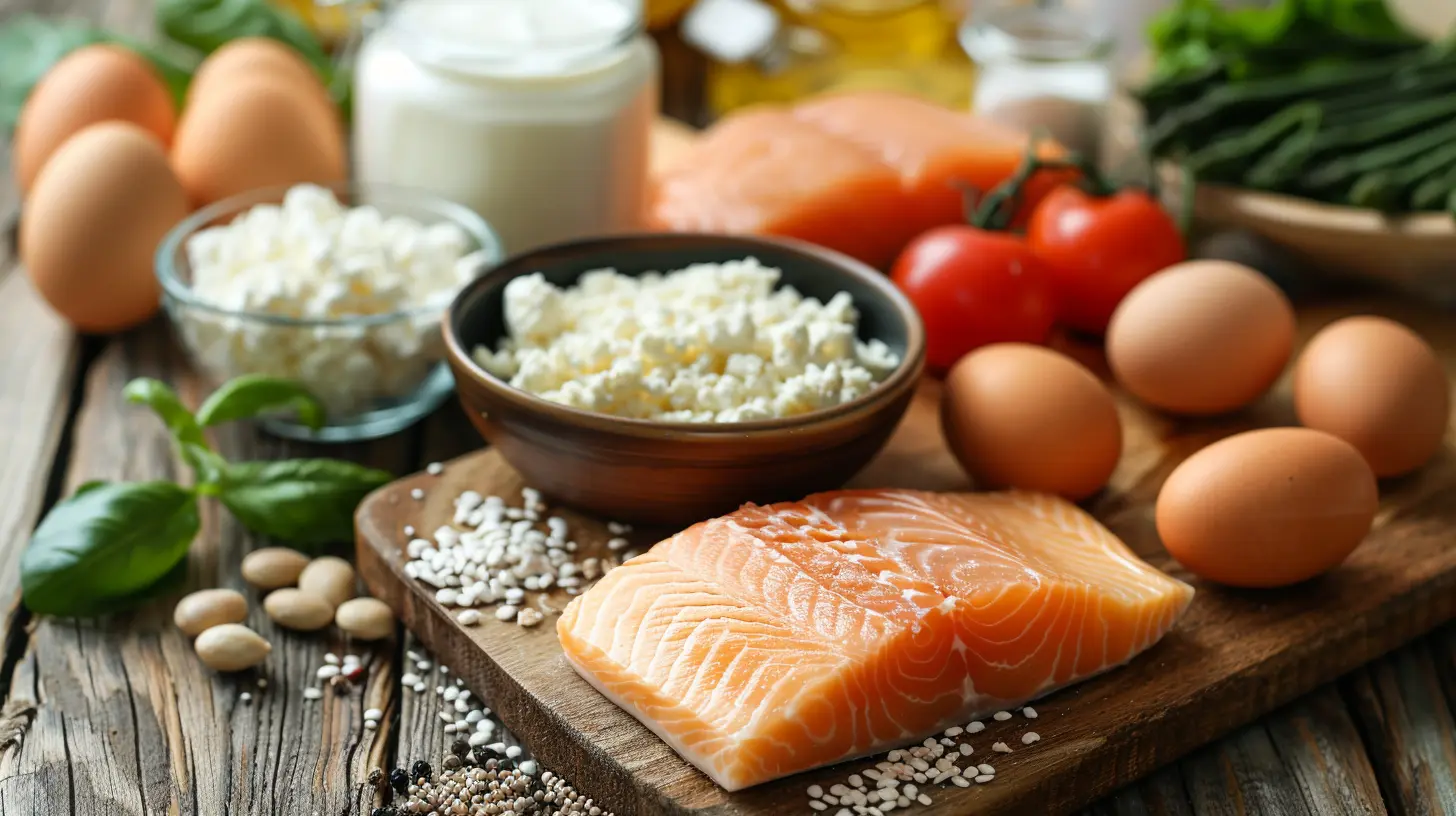
First off, not all food allergies are created equal. Some may cause mild discomfort, while others can lead to life-threatening reactions like anaphylaxis. Common food allergens include:- Peanuts
- Tree nuts
- Milk
- Eggs
- Wheat
- Soy
- Fish
- Shellfish
These eight are known as the "Big 8" and account for about 90% of all allergic reactions. The tricky part? These ingredients are incredibly common in holiday dishes—think gravy thickened with flour, desserts loaded with nuts, or buttery mashed potatoes full of dairy.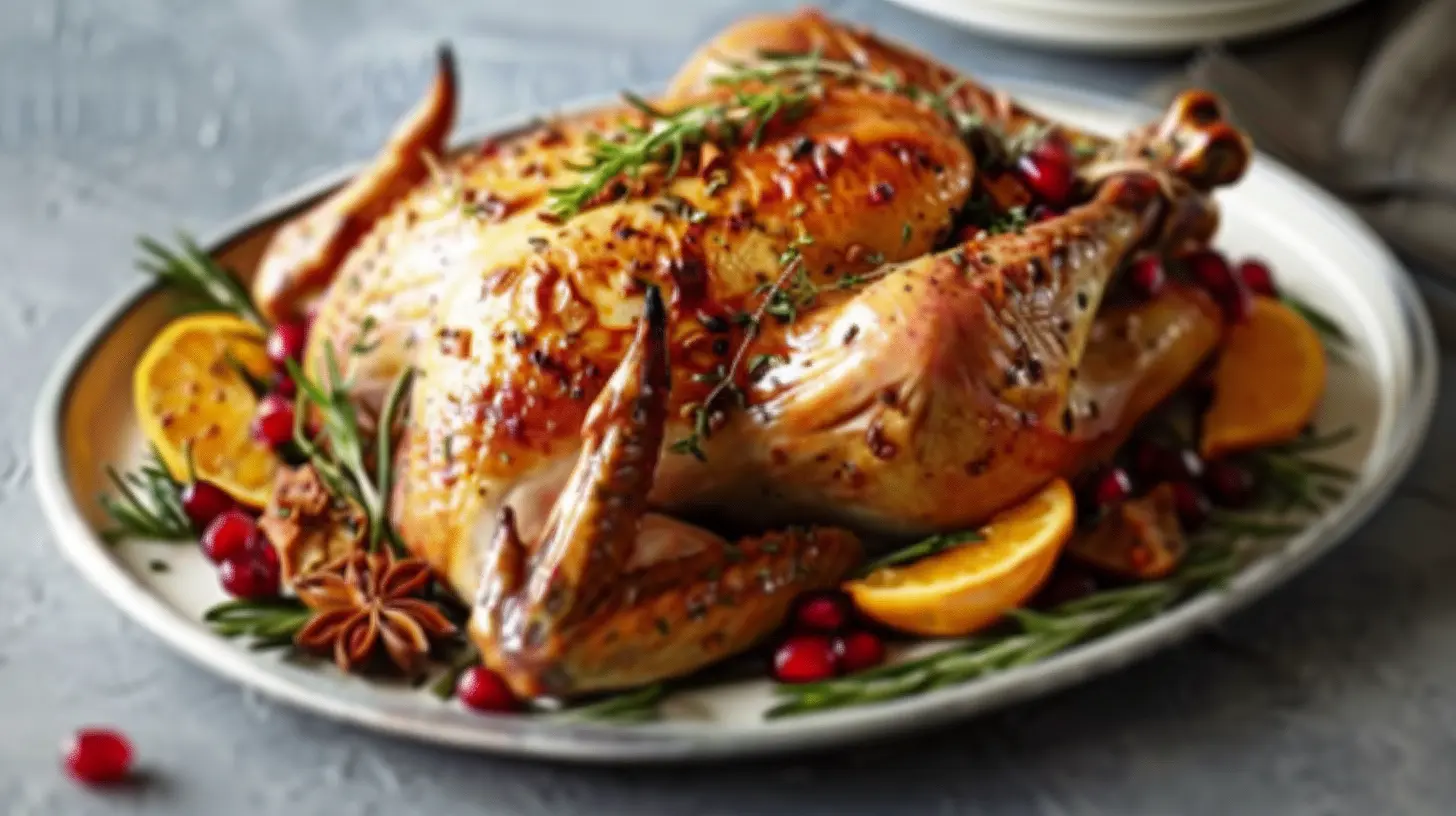
Communication is Key (Seriously, Talk it Out)
Imagine this: you show up at grandma’s house, there’s a spread worthy of a five-star buffet, but you can’t eat half of it because no one thought to ask about your allergies. Awkward, right?Whether you’re hosting or attending, be upfront. Don’t be shy—your health matters.
For Hosts:
- Ask your guests in advance if they have any food allergies.- Get specific: “Can you tell me exactly what ingredients are dangerous for you?”
- Be mindful of cross-contamination (we’ll dive into that more in a sec).
For Guests:
- Speak up early—don’t wait until dinner is served.- Offer to bring your own allergen-safe dish (bonus: you'll definitely have something you can eat).
- Be polite but firm—because a little awkwardness beats a health scare any day.
Read Those Labels Like a Pro
If you’re cooking for someone with allergies, you’ve got to become a detective. Food labels are your new best friend.Tips for Smarter Label Reading:
- Always check the ingredient list.- Look for “contains” statements—these warn about the Big 8 allergens.
- Watch out for “may contain” or “processed in a facility” warnings. These suggest possible cross-contact during manufacturing.
- Don’t assume anything. Products change their ingredients all the time.
Case in point: That spice blend you love? It might contain dairy or nuts as a filler. Weird, but true.
Avoid Cross-Contamination Like the Plague
Even if a dish doesn’t contain the allergen, it can get contaminated during prep. This is the sneaky culprit behind many allergic reactions.Easy Ways to Prevent Cross-Contact:
- Use separate utensils and cutting boards.- Cook allergen-free dishes first, before anything else.
- Clean surfaces and pans thoroughly with hot, soapy water.
- Avoid “double-dipping” with spoons or serving tools.
- If you're not sure whether something is safe—don’t risk it.
Think of it like this: If allergens were glitter, they’d stick to everything. So clean like you’re trying to scrub glitter off your hands.
Create a Safe Eating Zone
Sometimes the best way to prevent allergic reactions? Set up a designated safe zone at the table.- Label allergen-free dishes clearly. Use a tag, a sign, or even a different color plate.
- Keep these dishes separate during serving.
- Seat allergy-prone guests near the allergen-free section.
- Don’t pass potentially dangerous dishes back and forth across the table.
It’s kind of like building a VIP section at a concert—except instead of celebs, you're protecting someone's health.
Don't Forget the Desserts!
Now let’s talk about the most dangerous course of all: dessert.Why? Because this is where dairy, eggs, nuts, and gluten often go full throttle. Cakes, pies, cookies—they’re usually loaded with allergens.
Allergy-Safe Dessert Tips:
- Try simple recipes with clean ingredients (think fruit salads, sorbet, or allergen-free cookies).- Read baking mixes carefully—some are better labeled than others.
- Make one dessert that’s completely allergen-free so no one feels left out.
- Serve allergen-free desserts separately from traditional ones.
Bonus tip: Want to win hearts? Make an allergen-free version of the classic dessert everyone loves. Allergy-safe apple pie? Yes, please!
When in Doubt, Leave it Out
Here’s a golden rule: if you’re unsure whether something is safe, skip it. Better to play it safe than gamble with someone’s well-being.This rule applies not just to dishes, but to special garnishes, sauces, or even that mystery casserole Aunt Linda brings every year (you know the one).
Equip Yourself with Emergency Know-How
Even if you take every precaution, things can still go wrong. That’s real talk. So be ready.Emergency Prep for Hosts:
- Know which guest has which allergy.- Ask if they carry an epinephrine auto-injector (EpiPen).
- Know how to use it, just in case. (There are tons of online videos for quick refreshers.)
- Keep emergency numbers handy.
Guests, Don’t Forget:
- Always bring your meds. Always.- Let someone at the party know how to help in case of a reaction.
- Don't eat anything you’re unsure about—go with your gut.
Having a plan doesn’t mean expecting the worst. It just means you’re ready for anything.
Teaching Kids to Stay Safe
If you have kiddos with allergies, holidays can be extra stressful. All that excitement, all those treats—they may forget to ask before taking a bite.Tips for Keeping Kids Safe:
- Teach them not to accept food without checking with you first.- Pack safe snacks in advance.
- Alert other adults/family members to watch out for them.
- Reward them for staying safe. Positive reinforcement goes a long way.
It’s all about building safe habits early—and making them a part of the holiday routine.
Make It a Team Effort
One of the best ways to prevent food allergies from turning into food emergencies? Get everyone involved.- Share allergy-safe recipe ideas.
- Help each other double-check ingredients.
- Turn allergy-safety into a group goal—like a team sport, but tastier.
The more people understand the risks and how to be cautious, the safer everyone will be.
Allergy-Friendly Substitutes: Yes, You Can Still Eat Well
You don’t have to sacrifice taste just because you’re cutting out allergens. There are plenty of killer alternatives out there.Common Swaps:
- Dairy: Use oat or almond milk, coconut cream, or vegan butter.- Eggs: Try flax eggs, chia eggs, or unsweetened applesauce.
- Gluten/Wheat: Use gluten-free flour blends or almond flour.
- Nuts: Sub in sunflower seeds, pumpkin seeds, or coconut flakes.
Pro tip? Don’t make your first attempt at a new recipe the day of the party. Practice makes perfect (and delicious).
The Emotional Side of Food Allergies
Let’s be real: holidays are about food, yes, but also about feeling included. Food allergies can make people—especially kids—feel left out or like a burden.Combat that by showing that you care. A small gesture like preparing a safe dish or asking about their needs can make someone feel seen, valued, and included.
It’s not just about avoiding a reaction. It’s about making sure everyone has a seat at the table—literally and emotionally.
Final Thoughts: Keep the Holidays Safe and Sweet
Preventing allergic reactions at holiday meals isn’t about killing the vibe. It’s about keeping the fun rolling without any unnecessary detours to urgent care.With a little planning, good communication, and lots of label-reading, it’s totally doable. So go ahead—set those tables, roast that turkey, bake those safe desserts. Just remember: the best feasts are the ones where everyone can dig in without fear.
Here’s to safe bites, full hearts, and holiday memories that don’t involve ambulance rides.
all images in this post were generated using AI tools
Category:
Food AllergiesAuthor:

Madeline Howard
Discussion
rate this article
2 comments
Ezra McKibben
Remember, the only thing your guests should be allergic to at holiday meals is bad jokes! Just label the dishes and keep the peanuts on the outside of the turkey—holiday cheer shouldn’t be life-threatening!
February 20, 2026 at 5:46 AM
Madeline Howard
Great point! Clear labeling and safe food practices can make all the difference. Let's keep the laughter alive and the allergies at bay!
Fatima Phelps
Great tips! Communication is key during holiday meals—always ask about ingredients and share your allergies openly. Cooking some dishes yourself can also help ensure a safe and enjoyable celebration.
January 28, 2026 at 4:33 AM
Madeline Howard
Thank you! Open communication and taking charge of your own dishes are essential for a safe and enjoyable holiday experience. Happy cooking!