How to Manage Cravings During Intense Training Sessions
3 August 2026
When you're knee-deep in an intense training program, there's a good chance your body starts playing some wild mind games — especially when it comes to cravings. You’re pushing hard, lifting heavy, running fast, or grinding through long endurance sessions. But somewhere along the way, a voice inside whispers, "Hey, how about a donut?" Or maybe it's pizza. Or chocolate. Sound familiar?
Don’t worry, you’re not alone. Cravings creep in even when our goals are clear and motivation is high. The good news? You don't have to let them hijack your progress. In this article, we’re going to break down how to manage cravings during intense training sessions—without losing your sanity or sabotaging your gains.
Why Cravings Happen During Intense Training
Before we dive into the strategies, let’s get one thing straight: cravings are not weakness. They’re part biology, part psychology.Here’s what might be causing yours:
1. Increased Caloric Burn
When you train hard, your body burns more energy. If you’re not replenishing it properly, you may end up craving quick fixes—especially sugary or high-fat foods.2. Hormonal Changes
Intense exercise affects hormones like leptin (the "I’m full" hormone) and ghrelin (the "I’m hungry" hormone). This seesaw effect can leave your hunger cues all out of whack.3. Lack of Nutrient Density
Sometimes, a craving is a cry for nutrients. If your diet is lacking in key vitamins or minerals, your brain starts sending mixed signals that translate to junk food cravings.4. Emotional and Psychological Triggers
Stress plays a big role. When you're exhausted, mentally or physically, your brain seeks comfort—and food is a common outlet.
Craving vs. Hunger: Know the Difference
Let’s be real for a sec. Not every craving means you’re hungry. Understanding the difference is crucial.- Hunger is physical. It builds gradually and is satisfied by a variety of foods.
- Craving is emotional or mental. It hits fast and is specific—usually for sweets, salty snacks, or carbs.
A good test? Ask yourself: “Would I eat a grilled chicken salad right now?” If the answer is no, you’re probably not truly hungry.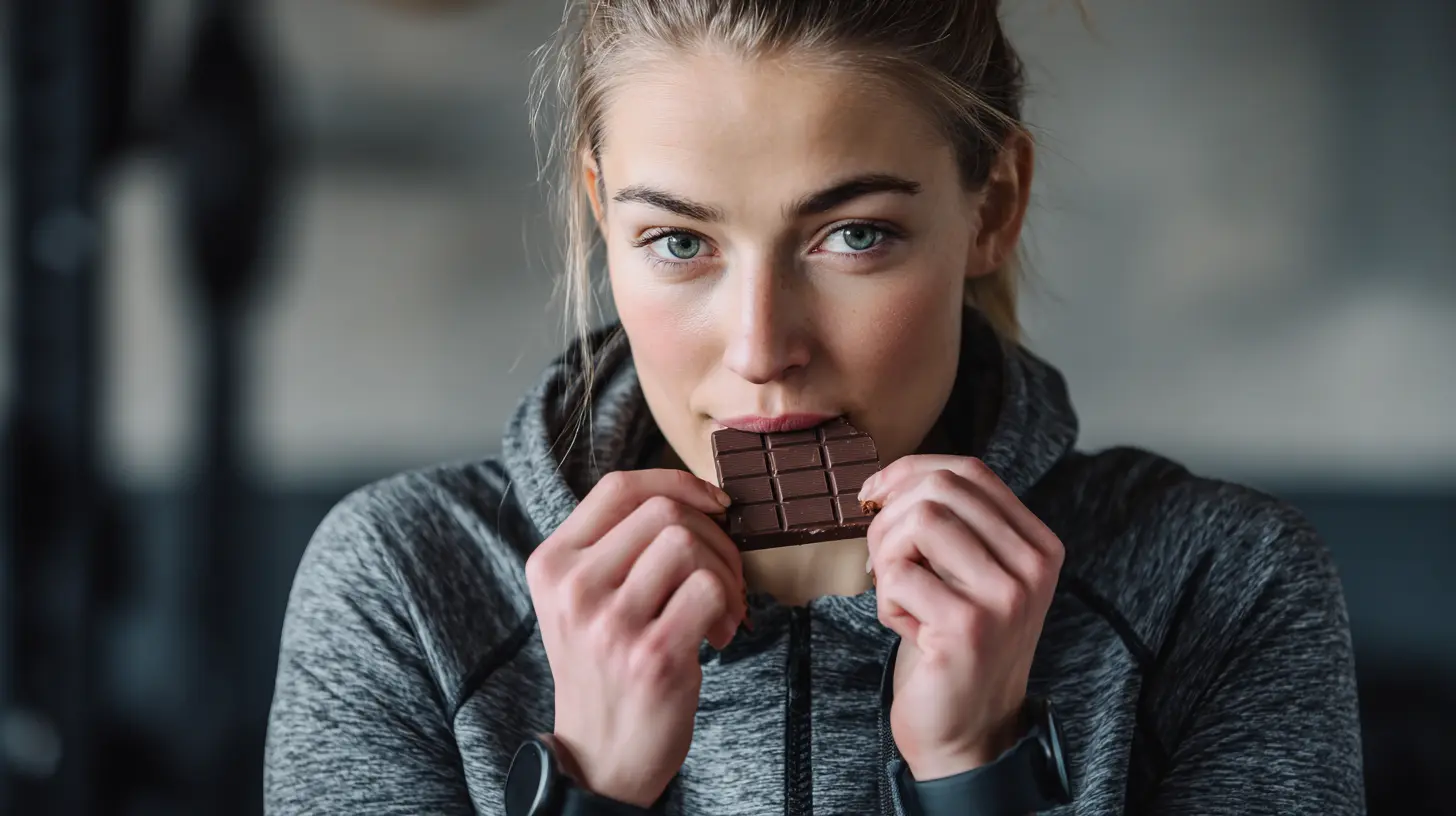
Pre-Training Nutrition: Your First Line of Defense
Let’s talk prevention. Managing cravings starts before you hit the gym or trail.1. Eat a Balanced Meal 1–2 Hours Before Training
Aim for a combo of:- Complex carbs (like brown rice or oats) for sustained energy
- Lean protein (chicken, tofu, eggs) to support muscles
- Healthy fats (avocado, nuts, olive oil) to feel full longer
Think: a turkey sandwich on whole-grain bread or a veggie omelet with toast and fruit. This fuels your workout and helps your body stay balanced.
2. Stay Hydrated
Did you know thirst often disguises itself as hunger? Drink water throughout the day, and have a glass about 20–30 minutes before your workout.
Intra-Training Strategies
Alright, you're in the thick of it—mid-sweat, heart pounding, and yep, craving a milkshake. What now?1. Use Smart Intra-Workout Fuel
For long or especially grueling sessions (think 60+ minutes), have small sips of a sports drink, a banana, or a handful of trail mix handy. These give you a quick boost without wrecking your plan.2. Breathe and Refocus
Sometimes cravings pop up from fatigue or mental boredom. Take a deep breath, refocus, and remind yourself why you started. Visual cues like motivational playlists or a picture of your goal can help keep you grounded.Post-Training Nutrition: Crush Cravings the Right Way
Here’s where many people blow it. They trained hard and now feel like they’ve "earned" a treat. While you definitely deserve to refuel, the key is doing it right.1. Eat Within 30–60 Minutes
Fuel those muscles ASAP with:- Protein to rebuild (20–30g is a sweet spot)
- Carbs to restore glycogen (especially if you did cardio or circuit training)
Think: a protein shake with a banana. Or grilled chicken with sweet potato and veggies.
2. Satisfy the Craving—Smartly
Let’s say you're still craving chocolate. Instead of battling it endlessly, find a healthier way to meet the need.Try:
- Dark chocolate squares (70% cacao or higher)
- Protein brownies
- Greek yogurt with berries and a drizzle of honey
The goal? Satisfy without derailing.
Mind Tricks to Beat Cravings
Cravings aren’t just about food—they’re rooted in the brain. So let’s get your mind working for you, not against you.1. Delay Tactic
Cravings often fade if you don’t act on them right away. Try the 15-minute rule: Set a timer, drink some water, distract yourself, and re-check if you still want it.2. Brush Your Teeth
Sounds silly, but it works. The minty taste can slam the brakes on sweet cravings. Plus, it signals your brain that eating time is over.3. Change Your Environment
If you're training at home, walk away from the kitchen. If at the gym, change your playlist or switch up exercises. A pattern interrupt can reset your brain.Eat Enough Throughout the Day
It sounds obvious, but many people under-eat during intense training periods. When you’re not fueling your body consistently, it's like letting a fire burn without logs—you’ll crash.Tips:
- Don’t skip meals- Have snacks like mixed nuts, boiled eggs, or protein bars
- Make your plate colorful—variety means more nutrients
Get Quality Sleep
Here’s the underrated craving buster: sleep. Less sleep = more cravings. Why? Because your hormones get totally out of sync.Aim for:
- 7–9 hours per night- A wind-down routine (no screens before bed!)
- Staying consistent—even on weekends
Better sleep helps your body regulate hunger and cravings more efficiently.
Hydration Isn’t Optional
We mentioned this earlier, but it’s worth repeating: dehydration messes with your hunger signals.How to stay on top of it:
- Carry a reusable water bottle- Flavor your water with lemon or cucumber if needed
- Sip regularly—not just when you’re thirsty
Don’t Make Foods “Good” or “Bad”
Labelling foods as “bad” can backfire. The more you restrict something, the more you’ll want it.Instead:
- Allow occasional indulgences guilt-free
- Focus on portion control
- Practice mindful eating—slow down, savor, and enjoy
Cravings don’t have to mean a binge. You can enjoy treats strategically and still crush your training.
Long-Term Mindset: Fuel > Food Guilt
At the end of the day, your body is a high-performance machine. You wouldn’t fuel a race car with garbage, right?Instead of seeing food as a reward or punishment, reframe it:
- Food is fuel.
- Food is recovery.
- Food is support for your goals.
You’re not just eating to kill cravings. You’re eating to become stronger, leaner, faster, and better.
Final Thoughts
Cravings happen—it’s just part of training hard and pushing your limits. But with a little awareness, smart nutrition, and a few mental tricks up your sleeve, you can manage cravings during intense training sessions like a pro.Remember, it’s not about perfection. It’s about consistency and knowing how to navigate the bumps. So next time a craving shows up mid-rep, mid-run, or mid-spin, you’ll know exactly how to handle it—without letting it throw you off track.
Stay strong, stay fueled, and keep crushing those goals.
all images in this post were generated using AI tools
Category:
Sports NutritionAuthor:

Madeline Howard
Discussion
rate this article
1 comments
Jordan Carter
Stay focused on your goals and remember that cravings are temporary. Fuel your body with healthy choices, and your dedication will lead you to success. You've got this!
August 3, 2026 at 2:44 PM
Madeline Howard
Thanks for the encouragement! Staying focused and making healthy choices really does make a difference during training.