How to Grocery Shop for Longevity
20 November 2026
Grocery shopping is not just about filling your pantry; it's a cornerstone of your health and longevity. The choices you make at the store can profoundly influence your well-being, vitality, and lifespan. This guide will delve into the art of grocery shopping with longevity in mind, providing you with actionable insights, expert advice, and a few common pitfalls to avoid.

Understanding Longevity
Longevity is often seen as the simple act of living longer. However, it encompasses much more than just the number of years you spend on this planet. It's about quality of life, vitality, and the ability to engage in activities you love as you age. Research shows that diet plays a crucial role in determining longevity. The foods you consume can either promote health or contribute to chronic diseases.The Role of Nutrition in Longevity
Nutrition is the foundation of health. A balanced diet rich in whole foods can reduce the risk of conditions such as heart disease, diabetes, and certain cancers. Conversely, a diet high in processed foods can lead to inflammation, obesity, and other health issues. Understanding the impact of various food groups is essential.Whole Foods vs. Processed Foods
Whole foods are minimally processed and are close to their natural state. They include fruits, vegetables, whole grains, nuts, seeds, and lean proteins. Processed foods, on the other hand, often contain added sugars, unhealthy fats, and preservatives. While they may be convenient, they can undermine your health.Common Misconceptions
One common misconception is that healthy food is always expensive. While some organic options can be pricey, many nutrient-dense foods like beans, lentils, and seasonal produce are affordable. Another misconception is that all fats are bad. Healthy fats from sources like avocados, nuts, and olive oil are essential for brain health and hormone regulation.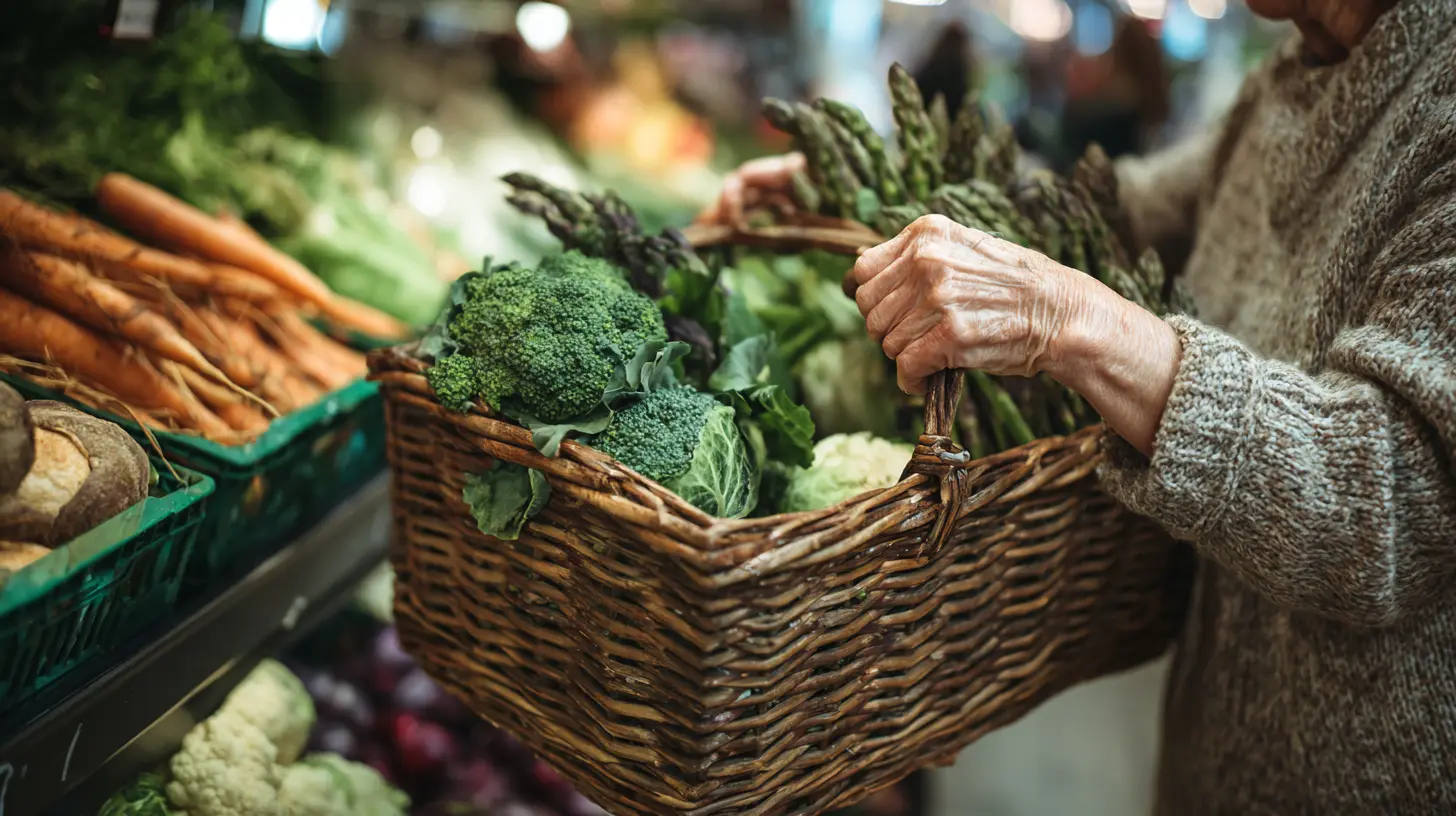
Preparing for Your Grocery Trip
Before you head to the store, preparation is key. A well-thought-out plan can help you make healthier choices and avoid impulse buys.Make a Shopping List
Creating a shopping list can help you stay focused and ensure you purchase what you need. Start by assessing your pantry and fridge. Write down the items you need, categorizing them into sections such as fruits, vegetables, proteins, and grains. This approach not only saves time but also minimizes the chances of buying unhealthy snacks.Set a Budget
Setting a budget can prevent overspending. When you know how much you can afford to spend, you can make informed choices about what to buy. Remember, it's possible to eat healthily on a budget by prioritizing whole foods and seasonal items.Choose the Right Time to Shop
Shopping during off-peak hours can lead to a more pleasant experience. Fewer crowds mean less stress and more time to make thoughtful choices. Early mornings or late evenings are often ideal times.
Navigating the Grocery Store
Once you're in the store, knowing how to navigate it can make a big difference.The Layout of the Store
Most grocery stores are designed with fresh produce at the entrance, which is a good sign. This area is typically filled with colorful fruits and vegetables, the cornerstone of a longevity-focused diet. The perimeter of the store usually contains fresh items, while the aisles are often stocked with processed goods.Prioritizing Fresh Produce
Fill your cart with a variety of fruits and vegetables. Aim for a rainbow of colors, as different colors often indicate different nutrients. Leafy greens like spinach and kale are rich in vitamins and minerals, while berries provide antioxidants that combat oxidative stress.Selecting Whole Grains
When choosing grains, opt for whole grains over refined versions. Whole grains like quinoa, brown rice, and oats are packed with fiber, which aids digestion and helps maintain stable blood sugar levels. They also contain more nutrients compared to their refined counterparts.Choosing Proteins Wisely
Protein is essential for muscle maintenance and overall health. Lean sources such as chicken, turkey, fish, legumes, and plant-based proteins like tofu and tempeh are excellent options. Fatty fish like salmon and sardines are particularly beneficial due to their high omega-3 content, which supports heart health.The Importance of Healthy Fats
Incorporate healthy fats into your diet. Foods like avocados, nuts, and seeds provide essential fatty acids that are crucial for brain health. Olive oil is another great choice, known for its anti-inflammatory properties.
Reading Labels
Understanding food labels can help you make informed choices. Here's what to look for:Ingredients List
The ingredients list is often a better indicator of a product's healthfulness than the nutrition facts. Aim for products with short ingredient lists that feature whole foods. If you see ingredients you can't pronounce or that sound like chemicals, it's best to avoid them.Nutritional Information
Pay attention to serving sizes, calories, and nutrient content. Look for foods high in fiber and low in added sugars and unhealthy fats. A good rule of thumb is to choose foods with minimal added sugars-ideally less than 5 grams per serving.Avoiding Common Pitfalls
Even with the best intentions, it's easy to fall into traps that can derail your healthy eating goals.Impulse Buys
Avoiding impulse buys is crucial. Stick to your shopping list and resist the temptation to grab items that catch your eye. A good strategy is to shop when you are not hungry, as hunger can cloud judgment and lead to unhealthy choices.Misleading Health Claims
Be wary of misleading health claims on packaging. Terms like "natural," "low-fat," or "sugar-free" can be deceiving. For instance, low-fat products often contain added sugars to compensate for flavor loss. Always check the ingredient list and nutritional information.Overlooking Seasonal Produce
Seasonal produce is often fresher, tastier, and more affordable. Take advantage of local farmers' markets or community-supported agriculture (CSA) programs to get the best of what's in season. Eating with the seasons can also introduce variety into your diet.
Cooking and Meal Prep
Once you have stocked up on healthy ingredients, the next step is cooking and meal prep. This is where you can truly maximize the benefits of your grocery shopping.Batch Cooking
Batch cooking can save time and ensure you have healthy meals ready to go. Prepare large quantities of grains, proteins, and roasted vegetables at the beginning of the week. Store them in the fridge or freezer for easy access.Embracing Variety
Eating a variety of foods not only prevents boredom but also ensures you're getting a wide range of nutrients. Experiment with different recipes, cooking methods, and spices to keep meals interesting.Mindful Eating
Practice mindful eating by taking the time to savor your meals. This can improve digestion and help you recognize when you are full, reducing the likelihood of overeating.The Role of Supplements
While whole foods should be your primary source of nutrition, supplements can play a supportive role, especially if you have specific dietary restrictions or health concerns. However, it's important to approach supplements with caution.Identifying Needs
Before adding supplements to your routine, assess your dietary intake. If you find that you are consistently lacking in certain nutrients, such as vitamin D or omega-3 fatty acids, consider consulting a healthcare professional for personalized advice.Quality Matters
If you choose to take supplements, prioritize high-quality products that have been tested for purity and potency. Look for third-party certifications to ensure you are getting what you pay for.
Building a Sustainable Approach
Sustainability is key when it comes to grocery shopping for longevity. This means not only choosing foods that support your health but also considering the impact on the environment.Local and Sustainable Options
Support local farmers and sustainable practices by purchasing organic and locally-sourced foods whenever possible. This reduces your carbon footprint and often results in fresher produce.Reducing Food Waste
Plan your meals to minimize food waste. Use leftover ingredients creatively, and consider composting scraps to enrich your garden or local community gardens.Conclusion
Grocery shopping for longevity is a thoughtful process that requires planning, awareness, and a commitment to making healthier choices. By prioritizing whole foods, understanding nutrition labels, and preparing meals mindfully, you can create a diet that not only supports a longer life but also enhances the quality of your years. Remember, the journey to better health starts with the choices you make at the grocery store.
all images in this post were generated using AI tools
Category:
Healthy ShoppingAuthor:

Madeline Howard