How to Build Confidence Through Movement
27 September 2026
Confidence is often described as a feeling, but it behaves more like a skill. It grows through evidence. Every time you do something difficult and survive it, your brain updates its model of what you are capable of. Movement is one of the most reliable ways to generate that evidence, because the body keeps honest records. You cannot fake a mile, a held plank, or the first unassisted pull-up. That honesty is exactly why physical practice builds a kind of confidence that carries into the rest of your life.
This article is not about becoming an athlete. It is about using movement deliberately, as a tool, to reshape how you see yourself. That distinction matters, because the goal is not performance. The goal is proof.

Why Movement Changes How You See Yourself
Most people assume confidence comes first and action follows. In reality, the sequence usually runs the other way. You act, you notice the result, and confidence forms afterward as a conclusion rather than a cause.Psychologists sometimes describe this as building self-efficacy, a term coined by Albert Bandura to describe a person's belief in their capacity to execute the behaviors needed to reach a goal. Bandura identified several sources of self-efficacy, and the strongest one is mastery experience, meaning the direct experience of succeeding at something. Movement delivers mastery experiences on demand. You do not need permission, a credential, or anyone else's approval. You need a body and a decision.
There is also a physiological layer. Physical activity influences mood and stress regulation through multiple pathways, including changes in circulating hormones and neurotransmitter activity. The practical result is that people often report feeling calmer and more capable after moving, even when nothing external has changed. That calmer state makes it easier to take the next risk.
Confidence Is Not the Same as Self-Esteem
These two get mixed up constantly, and the confusion causes real problems.Self-esteem is a global judgment: how much you like yourself overall. Confidence is situational and specific: your belief that you can handle a particular task. You can have low self-esteem and still be confident about deadlifting, cooking, or speaking in meetings. You can have high self-esteem and still be terrified of the gym.
Movement tends to improve confidence faster and more reliably than it improves self-esteem, because confidence is built from specific, repeatable evidence. That is good news. It means you do not have to fix your entire self-concept before you start. You just have to get good at one thing, then let the effect spread.

Start With Competence, Not Intensity
The most common mistake I see is people launching into a program designed for someone else. They copy a routine from someone with years of training, get wrecked in week one, and conclude that they are not built for this. The failure is not in their body. It is in the starting point.Confidence grows fastest when the challenge is slightly beyond your current ability but still achievable. Too easy, and you learn nothing. Too hard, and you learn that you fail.
The Case for Starting Absurdly Small
A beginner who commits to five minutes of walking per day will almost certainly succeed. That success feels trivial, but it produces two things that matter: a completed action and an identity statement. "I am someone who moves every day" is a far more powerful belief than "I did a hard workout once."Compare two approaches:
Approach A: Three intense sessions per week. High reward when it works, high dropout rate when life intervenes, and a fragile sense of identity because missing one session feels like failure.
Approach B: A daily minimum of five to ten minutes, with optional longer sessions when you feel good. Lower intensity, but near-perfect consistency and a durable identity.
Approach B wins for confidence almost every time, at least in the beginning. Approach A has its place later, when you already trust yourself and want to push performance. The trade-off is real: high-intensity programs build fitness faster, but they also build fragility in beginners because they leave less room for bad days.
What "Small" Actually Means
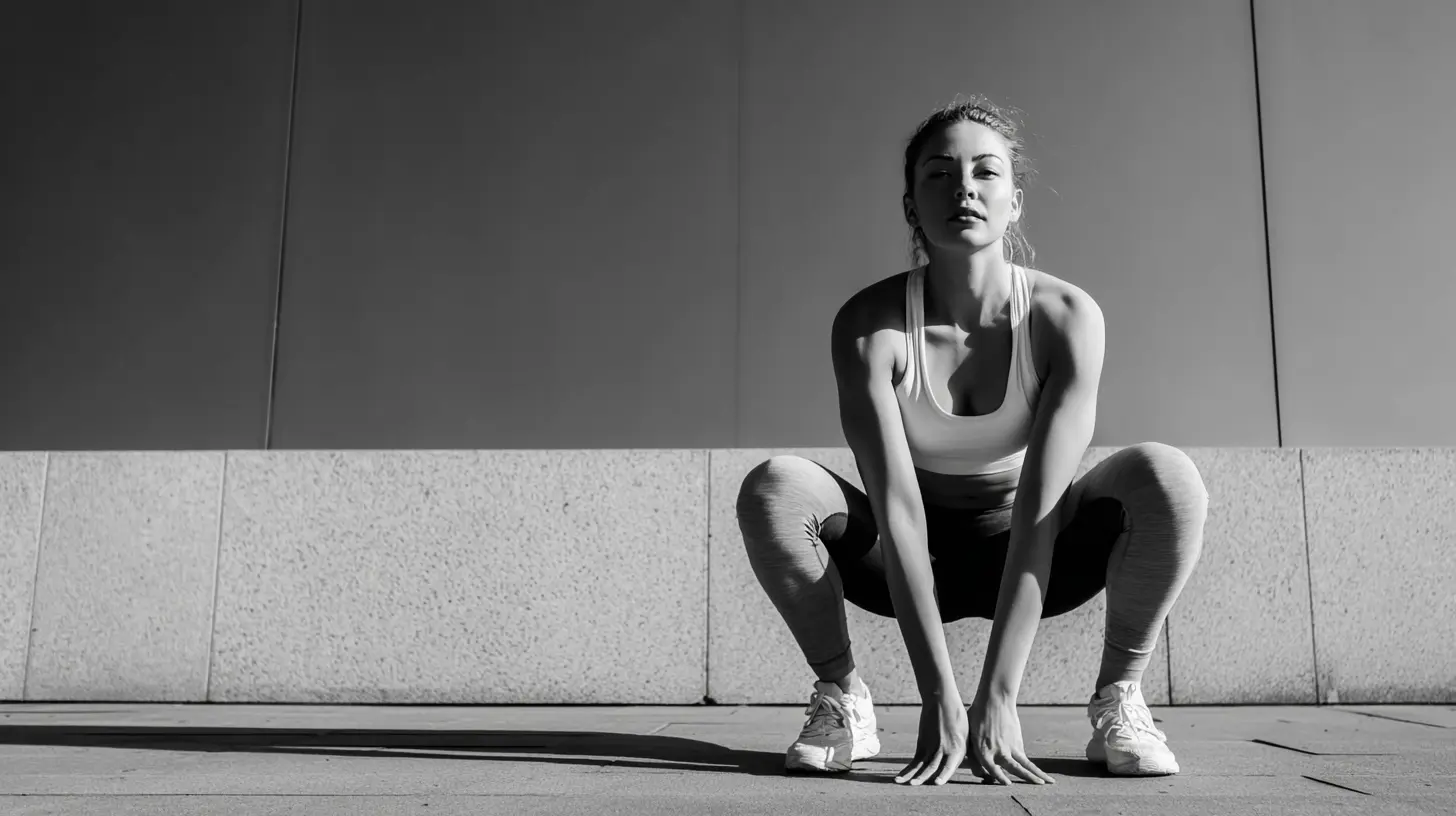
Small should feel almost embarrassing. If your goal is to run, start with a walk around the block. If your goal is strength, start with bodyweight squats to a chair. If your goal is flexibility, start with one minute of stretching after your shower.The point is not the volume. The point is closing the loop between intention and action, over and over, until your brain stops treating movement as a negotiation.
The Role of Skill Acquisition
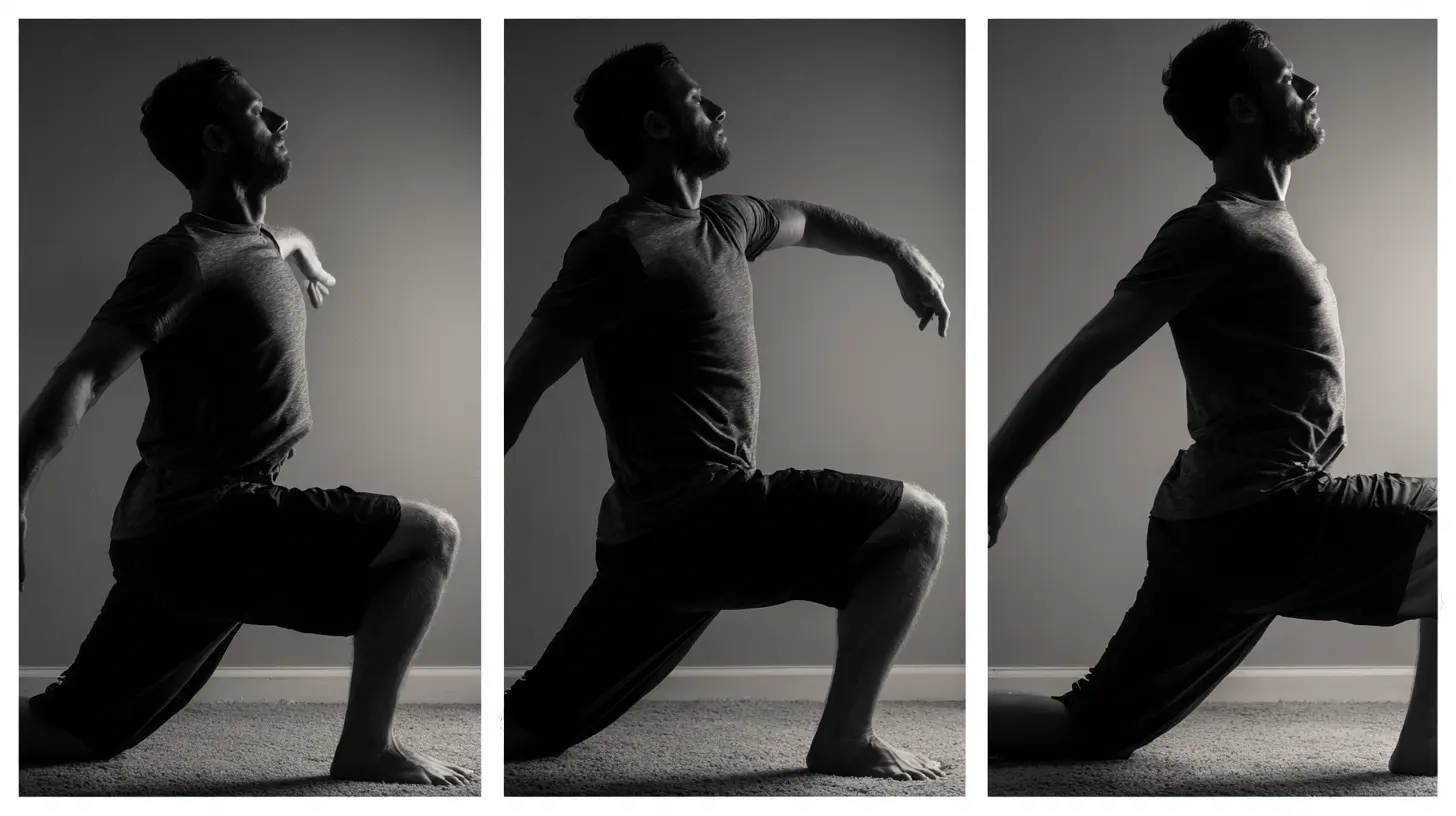
There is a second path to confidence that many people overlook: learning a physical skill. Strength training and cardio build capacity, but skill work builds a different kind of self-trust. It teaches you that you can improve at something that once felt impossible.Consider a person who cannot touch their toes. After eight weeks of consistent, gentle hamstring work, they can. Nothing about their life circumstances changed. What changed is their internal record of what they are capable of. That record travels.
Skill-Based Movement Examples
- Learning to balance on one leg for thirty seconds- Mastering a proper push-up
- Swimming a continuous lap without stopping
- Learning a basic dance sequence
- Holding a handstand against a wall
- Jumping rope for two minutes without tripping
Each of these has a clear before and after. That clarity is the point. Vague goals produce vague confidence. Specific skills produce specific proof.
Why Skill Beats Sweat for Confidence
Hard workouts make you tired. Skill practice makes you competent. Tiredness fades by the next morning. Competence accumulates.This is not an argument against hard training. It is an argument for including at least one skill-based goal alongside any fitness goal. When your only measure is how hard you worked, you are dependent on feeling depleted to feel accomplished. When your measure is a skill, you can feel accomplished while feeling good.
Movement as Exposure Therapy for Insecurity
Many people avoid movement not because they are lazy but because they are ashamed. They feel watched. They worry about how they look, how they breathe, how much they can lift. This is not vanity. It is fear, and fear responds to exposure.The mechanism is straightforward. You do the thing you are afraid of, in a dose small enough to tolerate, and you notice that the catastrophe you imagined did not occur. Repeat, and the fear weakens.
Practical Exposure Ladder
Think of this as a ladder. Each rung is slightly more uncomfortable than the last.1. Walk in your neighborhood for ten minutes.
2. Walk in a park where other people are present.
3. Do a short bodyweight routine at home with the curtains open.
4. Visit a gym during a quiet hour and just walk on a treadmill.
5. Do one machine exercise.
6. Ask a staff member a question.
7. Join a beginner class.
You do not have to climb the whole ladder. You only have to climb one rung, then stay there until it stops feeling like a threat. That is how exposure works. The discomfort does not vanish. It shrinks.
When Exposure Is Not the Right Tool
Exposure is powerful, but it is not appropriate for everyone in every situation. If movement triggers panic attacks, flashbacks, or severe distress, working with a qualified mental health professional is the responsible move. Similarly, if you have a medical condition that restricts activity, get clearance first. Confidence built on injury is not confidence. It is denial.The Comparison Trap and How to Escape It
Nothing erodes confidence faster than measuring yourself against the wrong yardstick. The gym is full of people who have been training for years. Social media is full of people who edit their lives. If you use them as your reference point, you will always be behind.The fix is not to stop caring. It is to change the comparison. Compare yourself to your past self, not to strangers.
Concrete Methods for Self-Comparison
- Keep a simple log of what you did each week- Note one thing that felt easier than last time
- Record a short video of a movement once a month
- Track a single metric, such as push-ups or walking pace
The metric matters less than the habit of looking backward. Progress that is invisible feels like no progress at all. Writing it down makes it visible.
A Note on Social Media
Fitness content can be motivating or corrosive, depending on how you use it. Following people who look like you and train at your level tends to help. Following people whose entire job is physical performance tends to hurt. This is not about their worth or yours. It is about the comparison being structurally unfair.If you notice that scrolling makes you feel worse before you train, cut it. If it makes you feel better, keep it. That is the whole test.
Building a Movement Identity
Confidence is ultimately a story you tell about yourself. The most durable version of that story is an identity, not an outcome. "I am a runner" is more resilient than "I want to run a 5K," because identities do not expire when goals are met.Identity forms through repetition and language. What you do repeatedly, and how you describe it, becomes who you are.
Language That Helps
- "I am someone who moves every day."- "I am a person who shows up."
- "I train, even when it is short."
- "I am still a beginner, and I am still here."
Language That Hurts
- "I am trying to get in shape."- "I should probably exercise."
- "I am not really a gym person."
- "I used to be fit."
The second list is full of hedges and past tense. Hedges signal that the identity is not yet yours. Past tense signals that it is already gone. Both undermine the confidence you are trying to build.
Handling Setbacks Without Losing Ground
You will miss sessions. You will get sick. You will travel. You will have weeks where everything falls apart. The question is not whether this happens. It is what you conclude when it does.The most damaging response is all-or-nothing thinking. "I missed three days, so I have failed, so I might as well quit." This pattern is extremely common and it destroys more progress than any injury.
The Minimum Viable Session
Define a floor so low that you can hit it even on your worst day. Examples:- One minute of stretching
- Ten bodyweight squats
- A five-minute walk
- Two minutes of breathing and mobility
The purpose of the floor is not fitness. It is continuity. It keeps the identity intact when motivation is gone. A person who does ten squats on a terrible day is still a person who moves. That self-concept is worth protecting.
Reframing Missed Sessions
A missed session is data, not a verdict. Ask what got in the way. Was the schedule unrealistic? Was the session too long? Was the environment hostile? Adjust the plan, not your worth.
When to Push and When to Back Off
Confidence requires challenge, but it also requires recovery. The skill is knowing which one you need.Signs You Should Push
- The session feels routine and slightly boring- You have been consistent for several weeks
- You feel physically fresh
- You are avoiding a specific movement out of fear rather than pain
Signs You Should Back Off
- Persistent joint pain- Poor sleep for multiple nights
- Elevated resting heart rate
- Irritability or dread before training
- A recent illness or major life stressor
Pushing through the first list builds confidence. Pushing through the second builds injury and resentment. The difference is not toughness. It is discernment.
Movement With Others vs. Movement Alone
Both have value, and the choice depends on where you are.Solo Movement
Advantages: no scheduling friction, no social pressure, full control over pace, easy to start small.Disadvantages: no accountability, no feedback, easy to skip, limited skill development in complex activities.
Group Movement
Advantages: accountability, social connection, coaching, structured progression, exposure to new challenges.Disadvantages: scheduling constraints, cost, potential for comparison, pressure to keep up.
For most people building confidence from a low base, solo movement is the right starting point. It removes the social variable while you establish the habit. Once the habit is stable, adding a group can accelerate progress through accountability and instruction. The reverse order, starting in a group while you are still fragile, often backfires.
The Long Game
Confidence built through movement is not a destination. It is a byproduct of a life that includes movement. The people who seem effortlessly confident in their bodies are usually not people who never doubt themselves. They are people who have accumulated so much evidence of their own capability that doubt no longer runs the show.That evidence takes time. It takes repetition. It takes showing up on days when you do not feel like it and showing up gently on days when you cannot do much. None of that is glamorous. All of it works.
Start smaller than you think you should. Track what you do. Compare yourself only to who you were. Protect the identity even when the performance slips. And when you inevitably fall off, come back without ceremony. The comeback is not a failure of the plan. It is the plan.
all images in this post were generated using AI tools
Category:
Fitness For BeginnersAuthor:

Madeline Howard