How Sleep Influences Your Immune System
18 September 2026
Most people treat sleep as downtime. Something to cut short when a deadline looms, a baby won't settle, or a streaming series begs for one more episode. But your body does not treat sleep as optional maintenance. It treats sleep as a biological requirement, and your immune system is one of the structures that suffers most when you skip it.
The relationship runs in both directions. Poor sleep weakens your defenses. Infection and inflammation, in turn, disrupt your sleep. Understanding that loop gives you real leverage over your health, because sleep is one of the few immune-related factors you can influence directly, tonight, without a prescription.
What Happens to Your Immune System While You Sleep
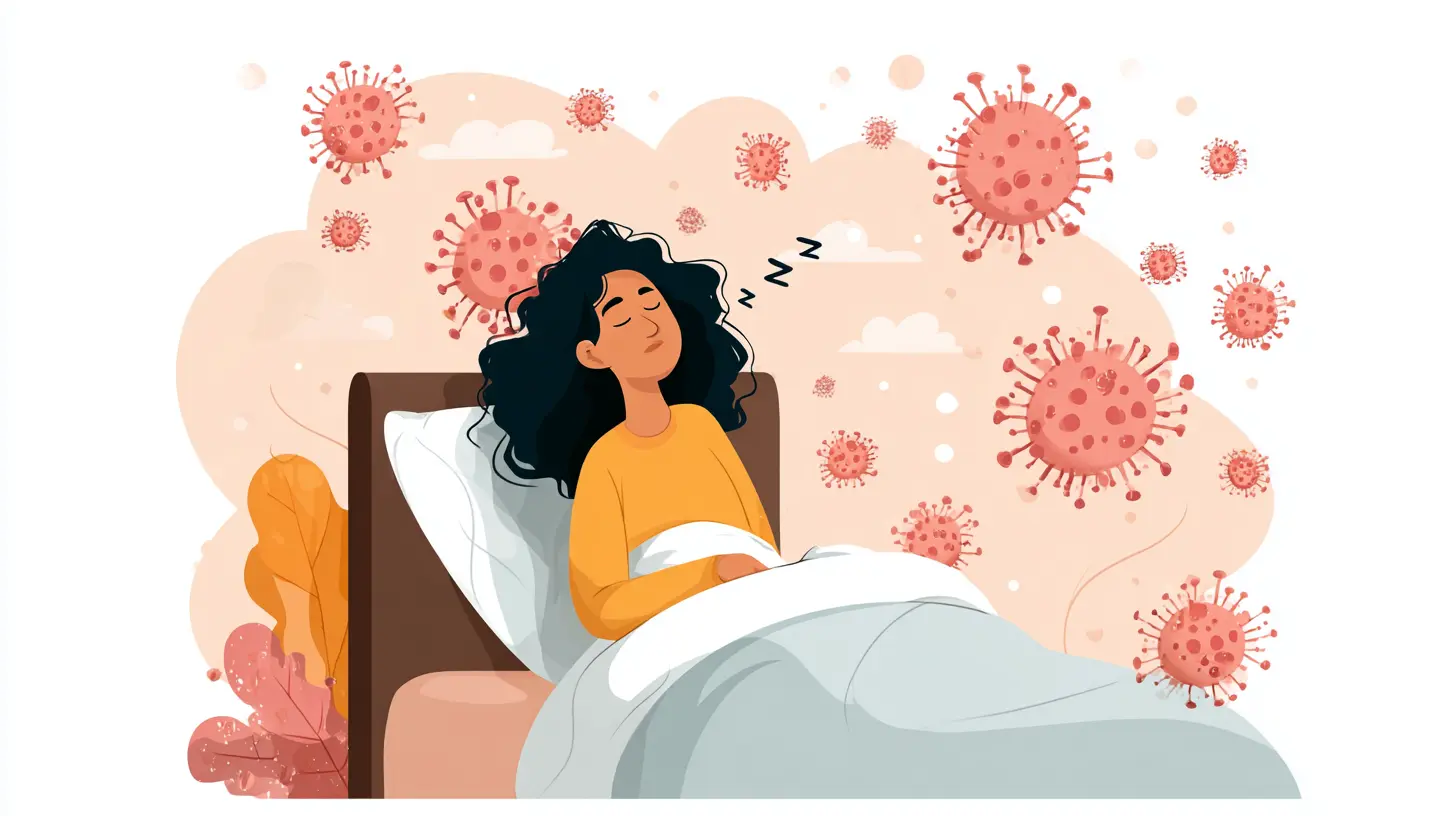
Sleep is not a single state. It cycles through stages roughly every 90 minutes, and each stage does different work. For immune function, two stages matter most: deep slow-wave sleep and REM sleep.During deep sleep, your body releases growth hormone and prolactin. These hormones support the production and maturation of T cells, the white blood cells that identify and destroy infected or abnormal cells. At the same time, levels of cortisol, your primary stress hormone, drop to their lowest point of the day. That matters because cortisol suppresses immune activity. The nighttime cortisol trough creates a window where certain immune processes can run without interference.
During this window, your body also produces cytokines, small signaling proteins that coordinate the immune response. Some cytokines, like interleukin-1 and tumor necrosis factor, promote inflammation to fight pathogens. Others regulate the response and keep it from spiraling. Sleep shifts the balance toward preparation and repair.
One of the clearest illustrations is what happens after vaccination. Several studies have found that people who sleep normally in the nights surrounding a vaccination develop stronger antibody responses than those who are sleep deprived. The effect is not trivial. In some research, short sleep around the time of vaccination was associated with a meaningfully lower antibody response weeks later. This is why some clinicians now advise patients to prioritize sleep before and after a shot, especially for vaccines that rely on a robust antibody response.
Another example involves natural killer cells, a type of immune cell that targets viruses and tumor cells. Even a single night of restricted sleep, around four hours, has been shown in experimental settings to reduce natural killer cell activity. The effect is temporary, but it demonstrates how quickly sleep loss registers in immune tissue.
The Lymphatic System and the Glymphatic Cleanup
There is a second, less obvious process at work. Your lymphatic system carries immune cells and fluid through the body, and it depends partly on movement and circulation. During sleep, the brain uses a related clearance system, sometimes called the glymphatic system, to flush metabolic waste from neural tissue. While this system is not strictly part of the immune system, it reduces the inflammatory burden on the brain. Chronic inflammation is a known driver of many diseases, so anything that helps clear waste products supports long-term immune balance.
How Sleep Loss Weakens Your Defenses
Short sleep does not just reduce one cell type or one cytokine. It produces a coordinated shift toward a state that looks, biochemically, a lot like chronic low-grade inflammation.Here is what researchers consistently observe when people are sleep deprived:
- Higher levels of C-reactive protein, a general marker of inflammation
- Increased interleukin-6, a cytokine linked to both useful acute responses and harmful chronic inflammation
- Elevated cortisol in the evening, when it should be low
- Reduced antibody response to vaccination
- Lower natural killer cell activity
- Slower wound healing in some experimental models
The pattern is important. It is not that sleep loss shuts the immune system off. It is that sleep loss turns up the volume on inflammatory pathways while blunting some of the specific, targeted defenses. That combination is a poor trade. You get the costs of inflammation without the full benefits of a coordinated attack.
Why This Matters More Than a Single Bad Night
One night of poor sleep will not make you sick. The immune system is resilient, and it recovers. The concern is chronic short sleep, which most sleep researchers define as consistently getting less than seven hours per night for adults.When short sleep becomes a pattern, the inflammatory signals stay elevated, cortisol rhythms flatten, and the body loses some of its ability to mount a precise response. Over months and years, this contributes to a higher risk of infections, slower recovery, and a greater burden of chronic conditions in which inflammation plays a role, including cardiovascular disease and type 2 diabetes.
This is why sleep should be thought of as a dose. Seven to nine hours for most adults is not a luxury recommendation. It is the range where immune and metabolic systems tend to function best.
The Bidirectional Relationship: When Illness Steals Your Sleep
If poor sleep weakens immunity, the reverse is also true. When you get sick, your sleep changes, and that change is not accidental.During an infection, cytokines like interleukin-1 and tumor necrosis factor increase. These same molecules promote sleepiness. That is why you feel exhausted when you have the flu or a bad cold. Your body is pushing you toward sleep because sleep supports the immune response. Fever, aches, and nasal congestion add further disruption.
This creates a practical problem. The illness that most needs restorative sleep often makes sleep harder to get. Congestion blocks breathing. Coughing fragments the night. Fever causes chills and sweating. Pain keeps you restless.
A few strategies help:
- Sleep propped up if congestion is the main issue, since a slightly elevated head position can reduce postnasal drip.
- Use a humidifier to keep airways moist.
- Take fever-reducing medication if needed, but be aware that some fever is a deliberate immune strategy, so treat it based on comfort and medical advice rather than reflex.
- Nap during the day if nighttime sleep is fragmented. Short naps of 20 to 30 minutes can help without leaving you groggy.
The key point is that you should not fight the sleepiness that comes with illness. It is part of the healing process. Resting more than usual during an infection is not laziness. It is physiology.
Sleep, Chronic Stress, and the Inflammation Connection
Sleep and stress are tightly linked, and both influence immunity through overlapping pathways. The hypothalamic-pituitary-adrenal axis, which controls cortisol, responds to both psychological stress and sleep loss. When you are stressed, sleep suffers. When sleep suffers, stress hormones stay elevated. The cycle reinforces itself.This matters for immune function because cortisol is not simply bad. In the short term, it helps mobilize energy and modulate inflammation. The problem is chronic elevation. When cortisol stays high, it can suppress the very immune functions you need to fight infection while simultaneously promoting low-grade inflammation in other tissues.
People in high-stress periods, such as caregivers, shift workers, and students during exams, often show both poor sleep and altered immune markers. The two factors are difficult to separate, but the practical takeaway is the same. Improving sleep is one of the most direct ways to reduce the physiological load of chronic stress.
Shift Work: A Special Case
Shift workers face a particularly difficult situation. Working nights disrupts circadian rhythms, the internal clocks that regulate sleep, hormone release, and immune activity. The immune system has its own daily rhythm. Many immune cells peak in activity at certain times of day, and disrupting that timing can reduce the efficiency of the response.Research on shift workers has found higher rates of some infections and altered inflammatory markers compared with day workers. The effects are not identical for everyone, and some people adapt better than others. But the general pattern suggests that chronic circadian disruption is a real immune challenge.
For shift workers, the best approach is usually to protect sleep as fiercely as possible: keep a consistent sleep schedule even on days off, use blackout curtains, limit caffeine in the hours before planned sleep, and consider talking with a doctor about whether any underlying sleep disorder is making things worse.
How Much Sleep Do You Actually Need for Immune Health?
Recommendations vary by age, but for most adults, seven to nine hours is the target. The question is whether you can get away with less if you feel fine.Subjective sleepiness is an unreliable measure. People who are chronically sleep deprived often stop noticing it. They adapt to a lower level of functioning and mistake it for normal. This is one reason sleep restriction is so insidious. You may not feel impaired, but your immune markers and cognitive performance can still be affected.
A better approach is to look at sleep need as a range and pay attention to signs of insufficiency:
- You rely on caffeine to get through the day
- You fall asleep within minutes of lying down
- You sleep much longer on weekends than on weekdays
- You get sick more often than you used to
- Your mood is irritable or flat
- You wake unrefreshed even after a full night
If several of these sound familiar, your body may be running a sleep debt. The fix is not a single long nap. It is a consistent schedule that gives your immune system the nightly window it needs.
Practical Strategies to Support Immune Health Through Sleep
General sleep hygiene advice is everywhere, and much of it is too vague to be useful. Here is a more specific, prioritized approach based on what matters most for immune function.1. Protect Consistency Before Duration
Your circadian system thrives on regularity. Going to bed and waking up at roughly the same time every day, including weekends, anchors your internal clock. That anchor supports the timing of hormone release, including the cortisol rhythm and melatonin production. When your clock is stable, your immune system gets predictable signals.Trade-off: Strict consistency can be socially inconvenient. If you have a late event, you do not have to be rigid. But aim to keep the shift under an hour when possible, and avoid large weekend swings.
2. Get Morning Light
Bright light in the first hour after waking helps set your circadian rhythm for the day. It also supports the nighttime rise in melatonin, which helps you fall asleep. Natural sunlight is best, but a bright light box can work in winter or for people who wake before dawn.Why it works: Light exposure is the strongest signal your brain uses to calibrate its internal clock. A well-calibrated clock produces better sleep quality at night.
3. Keep the Bedroom Cool and Dark
Core body temperature needs to drop for sleep to begin. A room around 65 to 68 degrees Fahrenheit works for most people. Darkness supports melatonin release, which is why blackout curtains and eye masks help, especially in summer or in urban areas with light pollution.4. Limit Alcohol, Especially Close to Bedtime
Alcohol is a common sleep aid that backfires. It can help you fall asleep faster, but it fragments sleep in the second half of the night and suppresses REM sleep. It also increases snoring and can worsen sleep apnea. For immune health, the net effect is negative.Trade-off: Some people find a single drink relaxing and have no noticeable sleep disruption. If you do drink, pay attention to whether your sleep quality suffers. If you wake at 3 a.m. after drinking, that is a sign your body is metabolizing alcohol and your sleep architecture is being disrupted.
5. Manage Caffeine Timing
Caffeine has a half-life of about five to six hours for most people. That means a 3 p.m. coffee still has a quarter of its caffeine in your system at 9 p.m. If you are sensitive, that can delay sleep onset and reduce deep sleep.Practical rule: Cut caffeine at least eight hours before bed if you are having trouble sleeping. If you are not, you may not need to be strict, but be honest about whether your sleep is truly unaffected.
6. Address Snoring and Sleep Apnea
Loud snoring, gasping, or witnessed pauses in breathing are signs of sleep apnea, a condition where breathing repeatedly stops during sleep. Sleep apnea fragments sleep and reduces oxygen levels, both of which stress the immune system and cardiovascular system. It is also associated with higher levels of inflammatory markers.If you or a partner notices these signs, talk to a doctor. Treating sleep apnea with CPAP or other methods can improve sleep quality and may reduce inflammation over time. This is one of the highest-impact interventions for people who have it.
7. Use Naps Strategically
Naps can help repay sleep debt, but timing matters. A short nap of 20 to 30 minutes in the early afternoon can improve alertness without interfering with nighttime sleep. Longer naps or late naps can make it harder to fall asleep at night.For immune purposes, the goal is not to replace nighttime sleep with naps. It is to reduce the cumulative burden of sleep loss during periods when you cannot get a full night.
Common Myths and Mistakes
Myth: You can catch up on sleep on the weekend
Partially true, but incomplete. Weekend recovery sleep can reduce some markers of sleep debt, but it does not fully reverse the metabolic and inflammatory changes from a week of short sleep. It also disrupts your circadian rhythm, making Monday morning harder. Consistency beats bingeing.Myth: Sleep is only about feeling rested
Sleep is a physiological process with measurable effects on hormones, immune cells, and inflammation. Feeling rested is one output, but it is not the only one. You can feel okay and still have altered immune markers.Myth: More sleep is always better
For most people, seven to nine hours is optimal. Consistently sleeping more than nine or ten hours, especially if it is unrefreshing, can be a sign of an underlying health issue, including depression, sleep apnea, or another medical condition. If you need excessive sleep to function, that is worth discussing with a clinician.Mistake: Treating sleep as the last priority
Many people sacrifice sleep first when life gets busy. From an immune perspective, this is backwards. Sleep supports the systems that keep you functional. Cutting it to gain an hour of productivity often costs more than it saves, especially if you get sick or recover slowly.
When to Seek Help
Occasional poor sleep is normal. But if you have trouble sleeping most nights for more than a few weeks, or if you experience any of the following, it is worth talking to a doctor:- Persistent insomnia that affects daytime functioning
- Loud snoring or pauses in breathing
- Restless legs or unusual movements during sleep
- Excessive daytime sleepiness despite adequate time in bed
- Frequent infections or slow recovery alongside poor sleep
Sleep disorders are treatable, and treating them can improve both sleep quality and overall health. Cognitive behavioral therapy for insomnia, known as CBT-I, is considered the first-line treatment for chronic insomnia and has strong evidence behind it. It is not just sleep hygiene advice. It is a structured program that retrains your sleep patterns.
The Bottom Line
Your immune system does not take a night off when you do. It uses sleep to produce immune cells, regulate inflammation, and consolidate the defenses that keep you well. When sleep is short or fragmented, those processes suffer, and the effects show up in antibody responses, inflammatory markers, and your ability to fight off infections.The good news is that sleep is modifiable. You do not need a perfect routine. You need a consistent one. Prioritize seven to nine hours, keep your schedule steady, get morning light, and address any underlying sleep disorder. These steps support your immune system in a way that no supplement can fully replicate.
Think of sleep as the foundation, not the leftover. Everything else you do for your health, from diet to exercise to stress management, works better when that foundation is solid.
all images in this post were generated using AI tools
Category:
Sleep HygieneAuthor:

Madeline Howard