Hormonal Health: The Role of Protein in Balancing Hormones
11 June 2026
Ever feel like your mood swings are running the show? Or maybe you're constantly tired, struggling with stubborn weight, or your skin’s acting up like it's stuck in high school? Let me tell you a secret: your hormones might be to blame — and protein might just be your new best friend.
Hormones are the tiny chemical messengers your body can’t live without. They basically control everything — from how well you sleep, to your energy, metabolism, mood, and even your appetite. And here’s the kicker: your body needs the right kind of fuel to keep those hormones in balance. That’s where protein steps in like a superhero.
In today’s post, we’re taking a deep, cheerful dive into the vital role that protein plays in balancing hormones and keeping you feeling fabulous from the inside out. So, grab a smoothie, get comfy, and let’s talk hormonal harmony — protein-style!
What Even Are Hormones, Anyway?
Okay, let’s start with the basics.Hormones are chemical messengers that travel through your bloodstream, telling your organs and tissues what to do and when to do it. They’re produced by various glands in your endocrine system — think pituitary, thyroid, adrenal, and all the reproductive ones.
They regulate things like:
- Mood
- Appetite
- Sleep
- Stress
- Reproduction
- Metabolism
Now, when these hormones are happily balanced, you feel like a rockstar. But when they’re out of whack? Cue the chaos: fatigue, anxiety, weight gain, bloat, insomnia… the list goes on. That's why hormonal health matters — a lot.
Why Hormonal Imbalance Happens
Hormonal imbalances can be triggered by all sorts of factors:- Stress (yep, that nagging boss or never-ending to-do list)
- Poor diet
- Lack of sleep
- Toxins
- Over-exercising
- Sedentary lifestyle
And believe it or not — not eating enough quality protein can also throw your hormones off track. Let’s break that down a bit more.
Protein: The Hormonal Building Block You Didn’t Know You Needed
Think of protein like the bricks and mortar for your body. It’s made up of amino acids — the little building blocks your body uses to create everything from muscle tissue to enzymes… and you guessed it: hormones.Some hormones, like insulin and growth hormone, are actually made from protein. Others, like estrogen and testosterone, are influenced by the amino acids we get from protein.
So, if you’re skimping on protein, your body might not have the raw materials to produce and regulate hormones properly. Kind of like trying to bake a cake without flour... not gonna happen.
How Protein Supports Hormonal Balance
Now the juicy part: let’s talk specifically about the ways protein supports balanced hormones.1. ? It Stabilizes Blood Sugar (Bye, Mood Swings!)
Ever felt hangry before lunch? That’s your blood sugar crashing, and it can send your hormones into a tailspin — particularly insulin and cortisol.Eating protein with your meals helps slow the absorption of sugar into your bloodstream, keeping your glucose levels steady. Less roller-coaster rides = more hormone harmony.
2. ? It Supports Thyroid Function
Your thyroid is like your body’s thermostat — it controls your metabolism, energy, and even your mood. And guess what? Your thyroid loves certain amino acids, especially tyrosine, which comes from protein-rich foods like chicken, eggs, and dairy.Tyrosine helps your body produce thyroid hormones (T3 and T4). So, if you’re feeling sluggish, cold, or gaining weight unexpectedly — your protein intake might need a tune-up.
3. ? It Improves Sleep (Thank You, Serotonin)
Sleep is crucial for hormone health. While you snooze, your body resets itself and balances hormones like cortisol, melatonin, and growth hormone.Protein helps your body produce tryptophan — an amino acid that’s used to make serotonin. Serotonin = happy vibes and better sleep. And better sleep = healthier hormones. It’s all one big beautiful cycle!
4. ?♀️ It Keeps Cortisol (Stress Hormone) In Check
When life gets stressful — whether from work or just juggling daily chaos — your body pumps out cortisol. While cortisol is helpful in small bursts, chronic stress can lead to serious hormonal imbalances.Protein helps buffer the stress response by supporting stable blood sugar, reducing cravings, and keeping your energy up. Translation? It’s easier to handle stress without freaking out.
5. ❤️ It Supports Reproductive Health
Ladies, listen up: protein supports the production of estrogen, progesterone, and testosterone — which are essential not just for your period or fertility, but for energy, libido, and mood.Men, you’re not off the hook either. Low protein can mean lower testosterone, which can lead to fatigue, brain fog, and decreased muscle mass. No fun.
Best Sources of Hormone-Happy Protein
Not all proteins are created equal. To really support your hormones, focus on clean, high-quality sources of protein. Here are some favorites:? Animal-Based Proteins
- Eggs (especially the yolks — they’re rich in hormone-supporting nutrients!)- Grass-fed beef
- Free-range chicken
- Turkey
- Wild-caught fish (hello, omega-3s!)
- Greek yogurt (full-fat is your friend!)
? Plant-Based Proteins
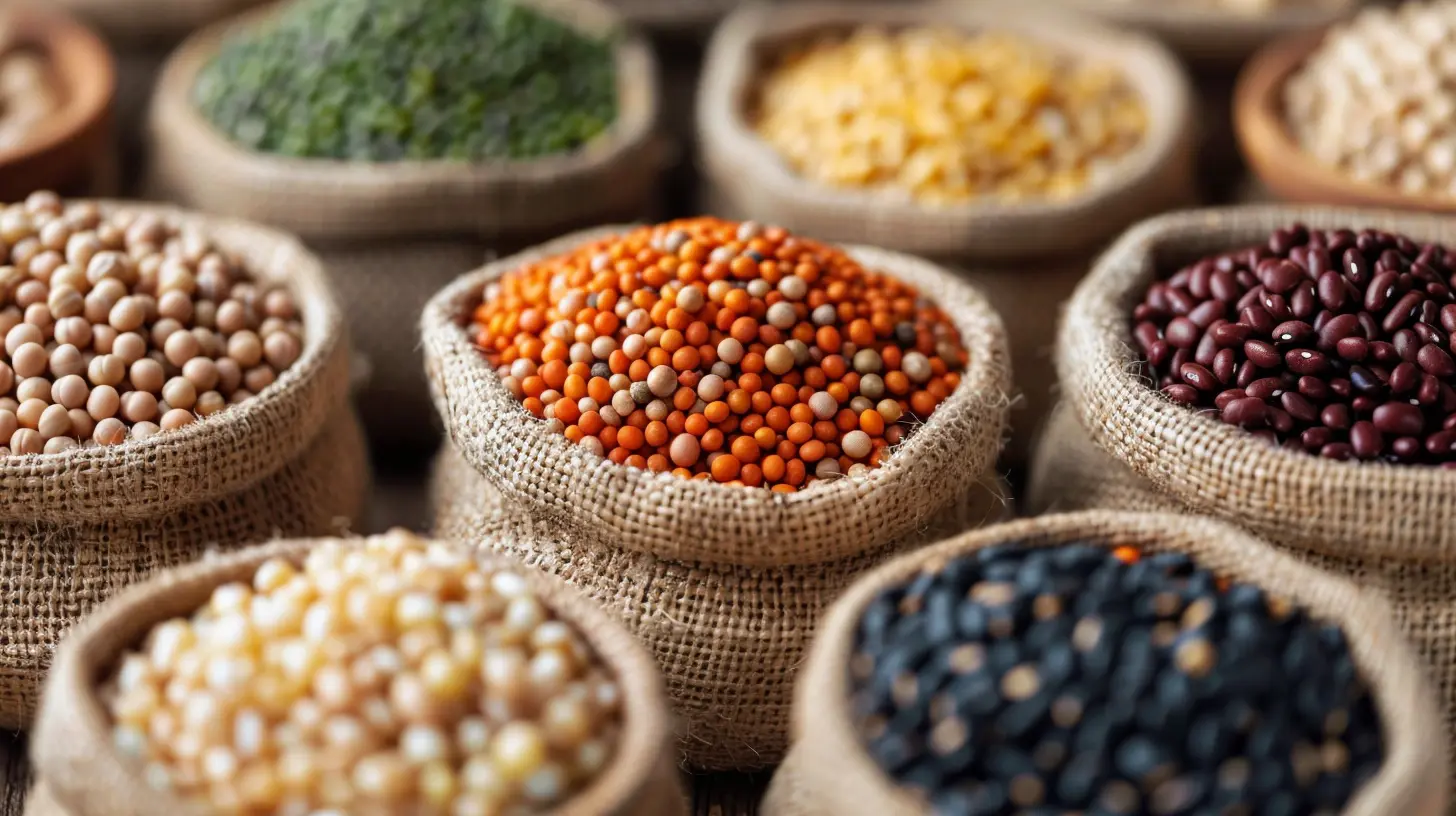
- Lentils- Chickpeas
- Black beans
- Tempeh and tofu (opt for organic, non-GMO)
- Quinoa
- Hemp seeds
- Chia seeds
- Nut butters
Pro tip: If you're plant-based, make sure you’re getting a variety of sources to cover all your essential amino acids!
How Much Protein Do You Need?
This part’s important. Most people aren’t getting enough protein, especially at breakfast. And that’s a big missed opportunity for your hormones!A good rule of thumb: aim for around 0.8–1.0 grams of protein per pound of body weight. So, if you weigh 150 pounds, shoot for 120–150 grams of protein daily.
Quick ways to boost your intake:
- Add collagen or protein powder to your smoothie
- Snack on hard-boiled eggs or Greek yogurt
- Sprinkle hemp seeds on salads
- Have a protein-packed dinner with oily fish and veggies
Your body (and hormones) will thank you!
Common Symptoms of Hormonal Imbalance (And How Protein Helps)
Let’s play doctor (well, kind of). If you’re dealing with the following symptoms, your hormones might be crying out for help — and protein could be part of the solution.? Fatigue
Could be related to low thyroid function, blood sugar crashes, or poor sleep. Protein supports all three!? Mood Swings & Anxiety
Fluctuating estrogen and cortisol can make you feel emotionally all over the place. Adding protein regulates your moods by keeping serotonin levels smooth and steady.? Insomnia
Can’t sleep? Keeping your protein intake stable (especially at dinner) can support melatonin and help you fall — and stay — asleep.? Sugar Cravings
Your body wants fast energy when blood sugar dips. Protein keeps levels steady and keeps you feeling full longer.? Brain Fog
Feeling cloudy or forgetful? Hormones could be the culprit. Protein fuels neurotransmitter production, so your brain stays sharp.Protein Timing: When You Eat Matters, Too!
Here’s an often-overlooked trick: when you eat protein can be just as important as how much you eat.Start your day with a solid dose of protein — at least 25–30 grams at breakfast. This sets your blood sugar and cortisol rhythm for the whole day.
Try eggs with avocado, a protein smoothie, or Greek yogurt with berries and chia for a hormone-loving breakfast boost!
Also, don't skip protein at lunch or dinner. Spread that intake throughout the day to keep your body in balance.
Real Talk: Can Too Much Protein Hurt Your Hormones?
Good question! While protein is essential, balance is key. Too much animal protein without enough fiber or veggies can cause inflammation, which can mess with your hormonal flow.Aim for a balanced plate: protein + healthy fats + fiber-rich carbs. Think grilled salmon, quinoa, and a heap of roasted veggies. YUM.
Final Thoughts: Protein Is Your Hormonal Bestie
If you’ve been overlooking protein in your meals, now’s the time to show it some love. From supporting your thyroid to stabilizing blood sugar, boosting your mood, and promoting restful sleep — protein is truly a hormonal powerhouse.So instead of reaching for another cup of coffee or that sugar-loaded snack, consider what your hormones really need: a solid, protein-packed meal.
Hormonal health doesn’t have to be complicated. It starts with simple steps — and protein is one of the best ones you can take.
Cheers to happier hormones and a more vibrant you!
all images in this post were generated using AI tools
Category:
Healthy HormonesAuthor:

Madeline Howard
Discussion
rate this article
2 comments
Kylie Benton
Protein is like the unsung hero of hormonal harmony. It's not just about muscles; think of it as the secret agent that whispers sweet nothings to your hormones. So, load up on those beans and lean meats-your body will thank you with balanced bliss!
August 29, 2026 at 3:55 AM
Madeline Howard
Absolutely! Protein plays a crucial role in supporting hormonal balance. It's essential for overall health, not just for muscle. Great reminder to include diverse protein sources in our diets!
Valentina McCabe
This article offers valuable insights into how protein impacts hormonal balance. It explains the connection between diet and hormone regulation, highlighting the importance of incorporating adequate protein sources into your meals. Understanding this relationship can empower individuals to make better dietary choices for improved hormonal health and overall well-being.
June 23, 2026 at 2:36 PM
Madeline Howard
Thank you for your thoughtful comment. I'm glad you found the insights on protein and hormonal balance valuable. Making informed dietary choices can truly enhance our well-being.