Healthy Smoothies That Will Redefine Your Morning Routine
1 September 2026
Most people treat smoothies like a kitchen shortcut. Throw fruit in a blender, hit a button, and hope for the best. That approach gives you a drink that tastes fine but leaves you hungry by ten in the morning. A truly good smoothie is not a milkshake in disguise. It is a structured meal that balances macronutrients, manages blood sugar, and actually keeps you full until lunch. The difference between a smoothie that works and one that fails comes down to a few specific choices you make before you ever turn on the machine.
This guide is not about collecting pretty recipes. It is about understanding the mechanics of a smoothie so you can build your own, fix common problems, and stop wasting money on ingredients that do nothing for you. By the end, you will know exactly what belongs in the blender, what does not, and why the order of ingredients matters more than you think.
Why Most Smoothies Fail You
The classic mistake is a smoothie made entirely of fruit and juice. A banana, a cup of orange juice, a handful of strawberries, and some ice. That is a sugar bomb. It hits your bloodstream fast, spikes your insulin, and then drops you into a mid-morning crash. You feel hungry an hour later because there is no protein, no fat, and very little fiber to slow down digestion.Another common failure is the "health halo" smoothie. You add a scoop of protein powder, some spinach, and a spoonful of peanut butter, but you also throw in a cup of sweetened almond milk, a frozen banana, and a drizzle of honey. The result is a 600-calorie drink that you finish in two minutes. Your brain does not register that as a meal the way it would with chewed food. You end up eating a normal lunch on top of it.
The issue is not smoothies themselves. The issue is treating them as an afterthought. A smoothie is a meal. It needs the same respect you would give a plate of eggs and toast or a bowl of oatmeal. Once you accept that, everything changes.
The Core Formula for a Satisfying Smoothie
Forget complicated ratios. You need four components in every smoothie that is meant to replace a meal: a liquid base, a fruit or vegetable for flavor and carbs, a protein source, and a fat source. Fiber comes along with the produce and the protein if you choose wisely.The liquid base should be unsweetened. Water works fine, but it can make the texture thin. Unsweetened almond milk, oat milk, or coconut water give better body. Regular dairy milk is also excellent if you tolerate it, because it adds protein and creaminess. Avoid fruit juice as a base. It adds unnecessary sugar and no fiber.
For the produce, aim for a mix of a sweet fruit and a neutral vegetable. A frozen banana is the gold standard for creaminess and sweetness. Berries are lower in sugar and high in antioxidants. Spinach or kale add volume and nutrients without changing the flavor much. You want about one to one and a half cups of fruit and one to two handfuls of greens.
Protein is non-negotiable. Greek yogurt, cottage cheese, silken tofu, or a quality protein powder all work. The goal is at least 15 to 20 grams of protein per serving. Without that, you will be hungry within two hours. If you use Greek yogurt, choose plain, not flavored. Flavored yogurts are loaded with added sugar.
Fat is the most overlooked component. A tablespoon of almond butter, peanut butter, chia seeds, flaxseed, or a quarter of an avocado adds richness and slows digestion. Fat also helps your body absorb fat-soluble vitamins like A, D, E, and K from the greens and fruit. Skipping fat is a common reason people feel unsatisfied after a smoothie.
The Right Way to Layer Ingredients
Order matters more than you think. If you dump everything in at once, you end up with chunks at the top and liquid at the bottom. The blender blade needs liquid to create a vortex that pulls ingredients down.Start with the liquid. Pour in about three quarters of a cup. Then add the soft ingredients like yogurt, nut butter, and avocado. Next go the greens. Then the frozen fruit. Finally, any powders or seeds. This order ensures that the blade never spins dry and that everything gets pulverized evenly.
Blend on low for ten seconds to break up the larger pieces, then ramp up to high for thirty to sixty seconds. If the smoothie is too thick, add liquid a tablespoon at a time. If it is too thin, add ice or more frozen fruit. Do not over-blend. Over-blending introduces air and makes the smoothie frothy and watery. You want a texture that is thick enough to eat with a spoon but thin enough to drink through a straw.
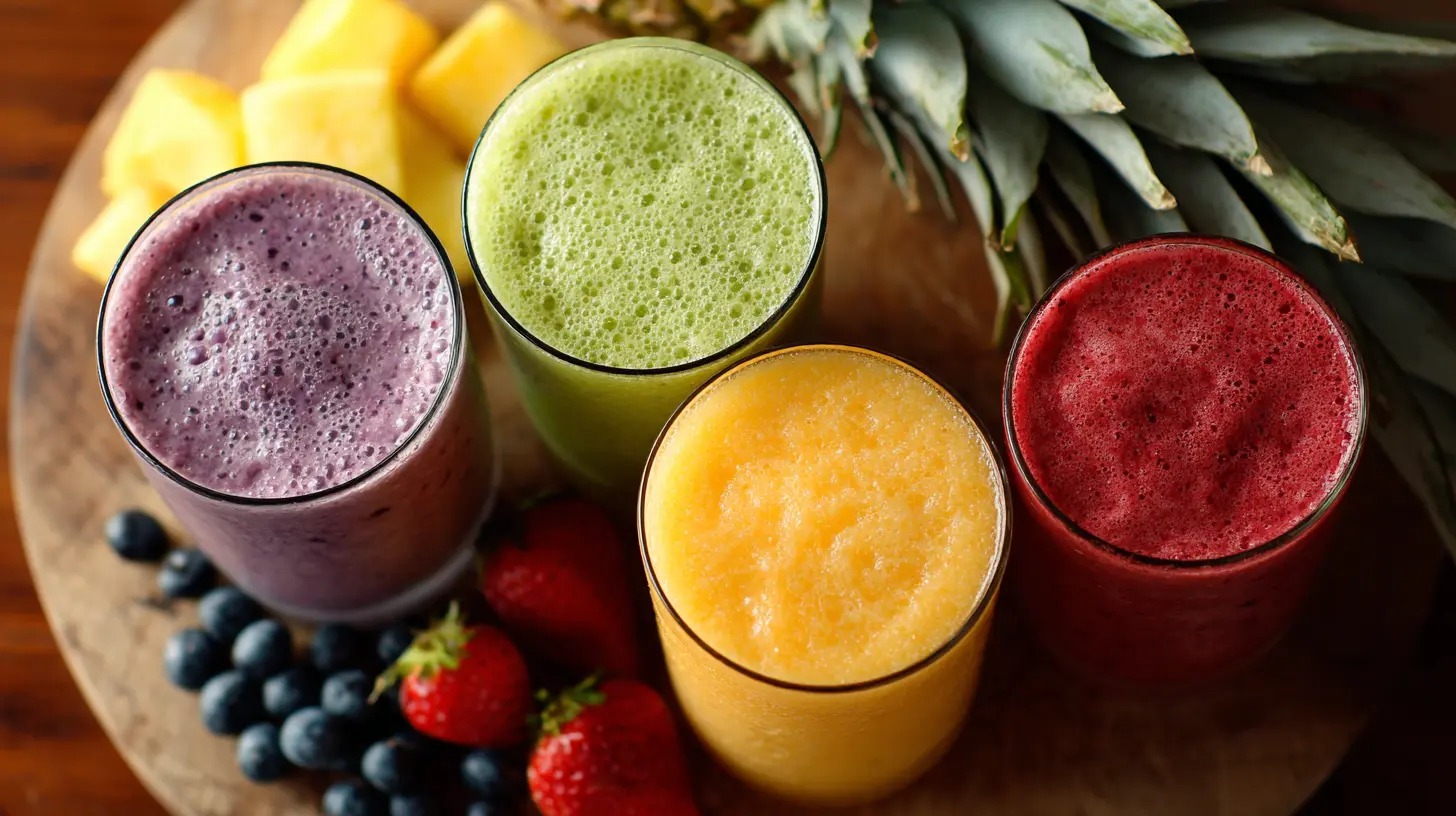
Protein Powders: Which One Should You Use?
There is no single best protein powder. It depends on your digestion, your dietary preferences, and what you are using the smoothie for.Whey protein is the most common and the most studied. It digests quickly, which is great after a workout but less ideal for a meal replacement. If you want sustained fullness, whey is not the worst choice, but a casein blend or a mix of whey and casein will keep you fuller longer.
Plant-based proteins vary widely. Pea protein is solid and mixes well. Hemp protein has a gritty texture but adds omega-3 fats. Brown rice protein is light but can be chalky. Soy protein is complete but some people avoid it for hormonal reasons. The key is to read the ingredient list. Many plant proteins are sweetened with stevia or monk fruit, which some people find bitter. If you are sensitive to artificial sweeteners, look for an unsweetened version and add your own sweetness from fruit.
Collagen peptides are popular, but they are not a complete protein. They lack the amino acid tryptophan and are low in isoleucine. They are fine for skin and joint support, but they should not be your only protein source in a meal smoothie. Combine collagen with Greek yogurt or a scoop of whey if you want both benefits.
The practical advice is to buy a small container first. Protein powders are expensive, and taste is subjective. A highly rated powder might taste like chalk to you. Try a few samples before committing to a large tub.
The Case for Greens in Your Smoothie
Spinach is the easiest green to hide. It has a mild flavor and blends into almost anything. Kale is tougher and more bitter, but it is more nutrient-dense. If you use kale, remove the tough stems and massage the leaves with a little lemon juice before blending. That breaks down the cell walls and reduces the bitterness.Do not limit yourself to leafy greens. Frozen cauliflower is a game changer. It adds creaminess without any strong flavor. Zucchini is another option. It is neutral and adds moisture. Cucumber gives a fresh, light taste that works well with tropical fruits like pineapple and mango.
The goal is to add volume and nutrients without turning your smoothie into a salad drink. Start with a small handful and increase gradually. Your taste buds adjust over time. Within two weeks, a smoothie without greens will taste overly sweet.
Sweeteners: The Hidden Trap
You do not need added sweeteners in a smoothie. A ripe banana or a handful of dates provides plenty of sweetness. If you are using unsweetened almond milk and plain yogurt, the fruit should be enough.Honey, maple syrup, agave, and even coconut sugar are still sugar. They spike blood glucose just like table sugar. If you are using a smoothie for weight management or blood sugar control, added sweeteners work against you.
If your smoothie tastes too tart, the problem is usually unripe fruit or too much citrus. Fix that by using a riper banana or adding a quarter of an avocado for creaminess. You can also use a pinch of cinnamon or a drop of vanilla extract. These add perceived sweetness without any sugar.
Common Mistakes and How to Fix Them
One mistake is using only fresh fruit. Fresh fruit is fine, but frozen fruit gives a thicker, colder texture without needing ice. Ice dilutes the flavor. Frozen fruit also locks in nutrients at peak ripeness. Keep a bag of frozen berries and sliced bananas in your freezer at all times.Another mistake is making a smoothie the night before. Smoothies oxidize quickly. The color turns brown, the texture separates, and the nutrients degrade. If you must prep ahead, store the dry ingredients in a jar and the liquid in a separate container. Blend in the morning. It takes ninety seconds.
A third mistake is drinking a smoothie too fast. Your brain needs about twenty minutes to register fullness. If you chug a smoothie in two minutes, you will not feel satisfied even if the calorie count is right. Sip it slowly. Treat it like a meal, not a beverage.
Finally, do not use a smoothie as a snack if it is actually a meal. A 400-calorie smoothie is not a snack. It is lunch. If you want a snack-sized smoothie, cut the portion in half and use a smaller glass.
Smoothie Recipes That Actually Work
Here are three base templates. Each one follows the formula of liquid, produce, protein, and fat. You can swap ingredients based on what you have on hand.The Classic Green Smoothie
This is the one most people start with. It is mild, filling, and forgiving.- 1 cup unsweetened almond milk
- 1 cup plain Greek yogurt
- 1 large handful of fresh spinach
- 1 frozen banana
- 1 tablespoon almond butter
- 1 tablespoon chia seeds
- 1/2 teaspoon vanilla extract
Blend until smooth. This gives you about 25 grams of protein, 12 grams of fat, and 8 grams of fiber. The banana provides natural sweetness, and the almond butter keeps you full for hours.
The Berry Protein Shake
This one is lower in sugar and higher in antioxidants. It works well after a workout or as a light breakfast.- 3/4 cup unsweetened oat milk
- 1 scoop vanilla or unflavored whey protein
- 1 cup frozen mixed berries
- 1/2 cup plain cottage cheese
- 1 tablespoon ground flaxseed
- 1/4 cup water
The cottage cheese adds protein and creaminess without a strong flavor. The flaxseed gives you omega-3s and fiber. This smoothie has about 30 grams of protein and only 15 grams of sugar from the berries.
The Tropical Creamsicle
This one tastes like dessert but is balanced enough for a meal. It uses cauliflower for creaminess without the calories of a banana.- 1 cup unsweetened coconut water
- 1 cup frozen mango chunks
- 1/2 cup frozen cauliflower florets
- 1/2 cup plain silken tofu
- 1 tablespoon unsweetened shredded coconut
- Juice of half a lime
Silken tofu is an underrated smoothie ingredient. It adds protein and a silky texture without any beany flavor. The lime cuts through the sweetness and makes it taste bright and fresh.
When a Smoothie Is Not the Right Choice
Smoothies are not for everyone. If you have trouble with portion control, a liquid meal might not be ideal. It is very easy to drink 700 calories without noticing. If you are someone who needs to chew to feel full, a smoothie will leave you unsatisfied no matter what you put in it.People with irritable bowel syndrome or sensitive digestion may struggle with high-fiber smoothies. Blending breaks down fiber, which can actually make it easier to digest, but the sheer volume of fruit and greens can cause bloating. If that happens, reduce the greens and use a lower-fiber fruit like cantaloupe or honeydew.
If you are diabetic or prediabetic, pay attention to the fruit content. A smoothie with two bananas and a cup of grapes is a sugar load. Stick to berries and use a smaller portion of banana. Add a tablespoon of apple cider vinegar to the mix. Some research suggests it helps blunt the glucose response, though results are mixed. It is worth trying to see if it works for you.
The Cost Factor
Smoothies can get expensive if you buy every superfood on the shelf. You do not need acai, spirulina, maca, or goji berries. Those add cost without proportional benefit. The core ingredients are cheap: frozen bananas, spinach, Greek yogurt, nut butter, and chia seeds.The most expensive item is usually protein powder. You can skip it if you use Greek yogurt and cottage cheese. A smoothie with a cup of Greek yogurt has about 20 grams of protein. That is enough for most people. If you are an athlete or have higher protein needs, then a powder makes sense.
Buy frozen fruit in bulk. It is cheaper than fresh and lasts for months. Spinach and kale are inexpensive fresh. If you buy them in bags, freeze them before they wilt. Frozen greens blend just as well as fresh.
The Environmental Angle
Smoothies have a carbon footprint. Almond milk uses a lot of water in production. Oat milk is more sustainable but often contains added oils and gums. Coconut water is shipped from tropical regions. None of this is a reason to avoid smoothies, but it is worth being aware of your choices.If you care about sustainability, use local fruit when it is in season. Frozen fruit is often flash-frozen at the source, which can actually reduce food waste. Greek yogurt produces whey as a byproduct, but many farms use it for animal feed. Plant-based proteins generally have a lower carbon footprint than dairy, but not always. The best choice is the one you will actually consume without wasting.
How to Make Smoothies Part of a Routine
The biggest barrier is not taste. It is time. If you have to wash a blender every morning, you will stop making smoothies by day three. The solution is to clean the blender immediately after use. Fill it halfway with warm water and a drop of dish soap, then blend for ten seconds. Rinse and let it air dry. That takes thirty seconds and prevents the dreaded dried-on smoothie residue.Prep ingredients in advance. On Sunday, portion out frozen fruit into individual bags. Measure the chia seeds and flaxseed into small containers. Keep the protein powder scoop in the blender jar. In the morning, all you have to do is add liquid and blend.
Do not make smoothies for the whole week. They do not keep. But you can prep the dry ingredients for five days in advance. That cuts the morning routine down to two minutes.
The Bottom Line
A smoothie is only as good as its structure. If you balance protein, fat, and fiber around a modest amount of fruit, you get a meal that sustains you. If you ignore those principles, you get a sugary drink that makes you hungrier. The recipes above are starting points, not rules. Once you understand the formula, you can build your own combinations based on what you like and what is in your kitchen.Start simple. Use the classic green smoothie for a week. Pay attention to how you feel at eleven in the morning. If you are not hungry, you did it right. If you are starving, add more protein or fat next time. That feedback loop is the real secret. No recipe is perfect for everyone. Your body tells you what it needs. Listen to it.
all images in this post were generated using AI tools
Category:
Healthy SmoothiesAuthor:

Madeline Howard
Discussion
rate this article
1 comments
Chloe Lawson
Start your day with a burst of energy by embracing healthy smoothies that fuel your body and mind. These vibrant blends not only taste amazing but also nourish you from the inside out. Transform your morning routine and feel the difference in every sip.
September 5, 2026 at 4:56 AM
Madeline Howard
Absolutely! Healthy smoothies are a game changer. They kickstart your day and really make a difference. Enjoy every sip!