Healthy Shopping for the Busy Professional
26 October 2026
Most healthy eating advice quietly assumes you have time. Time to plan a week of meals on Sunday, time to compare labels, time to drive to three stores for the best produce. Busy professionals do not have that time, and pretending otherwise is why so many well-intentioned eating plans collapse by Wednesday. The real skill is not cooking elaborate meals. It is shopping in a way that makes the healthy choice the easy choice on the nights when you are tired, hungry, and short on patience.
This guide treats grocery shopping as a system. You will get concrete strategies for planning, store navigation, label reading, online ordering, and the trade-offs that come with each approach, along with the mistakes that quietly sabotage even disciplined people.
Why Shopping Deserves More Attention Than Cooking
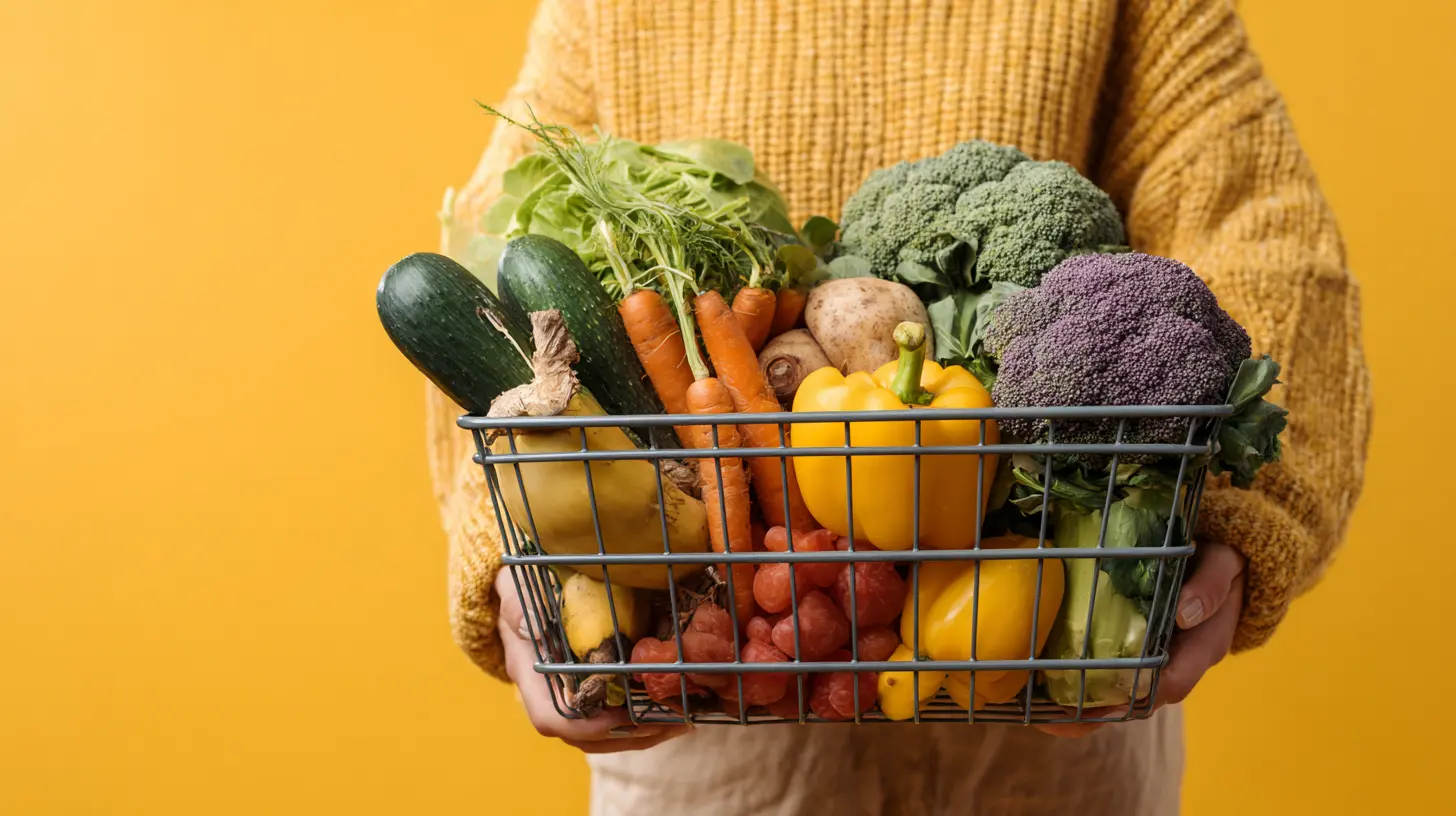
Cooking gets the glory. But your kitchen can only produce what your shopping put there. If your pantry holds chips and instant noodles, willpower has to win every single night. If it holds canned beans, frozen vegetables, eggs, and good olive oil, dinner becomes a fifteen-minute assembly job rather than a test of character.There is a second reason shopping matters: it is a bottleneck you can batch. Cooking happens daily. Shopping, in most households, happens once or twice a week. Improving one shopping trip improves every meal that follows from it. That leverage is why a busy professional gets more return from perfecting a ninety-minute weekly shop than from memorizing recipes.
A useful mental model: think of your kitchen as having three layers. The foundation layer is shelf-stable staples you restock monthly. The middle layer is perishables you buy weekly. The top layer is convenience items, pre-cut vegetables, rotisserie chicken, frozen meals, that bridge the gap on chaotic days. A kitchen that works has all three layers stocked deliberately. Most people only stock one.
Start With a Default List, Not a Meal Plan
Meal planning has a poor reputation among busy people because it is usually taught badly. Rigid seven-day plans with fourteen unique recipes fail for a simple reason: life does not cooperate. A late meeting kills Monday's cooking plans, the fish goes bad, and the whole plan collapses.A more resilient approach is a default list: a standing set of items that covers most meals, with flexibility built in. Your list might include:
- Two or three proteins (eggs, chicken thighs, tofu, canned tuna)
- Two or three vegetables that keep well (broccoli, carrots, cabbage, onions)
- One or two quick carbohydrates (rice, pasta, potatoes, tortillas)
- Flavor foundations (olive oil, garlic, canned tomatoes, soy sauce, spices)
- Breakfast and snack staples (oats, yogurt, fruit, nuts)
- One or two convenience items for emergency nights
Why does this work better than a rigid plan? Because a default list supports improvisation. Any protein plus any vegetable plus any carbohydrate plus a flavor base produces a meal. You are not following a script; you are stocking a small, flexible kitchen. The list also shortens shopping itself, since you are not re-deciding what to buy every week.
The trade-off is variety. A default list can drift into monotony if you never rotate items. The fix is to swap one or two items each week, a different vegetable, a new grain, a sauce you have not tried, rather than overhauling the whole list.
When a Rigid Plan Actually Helps
There are situations where structured planning wins: if you are cooking for a family with conflicting schedules, training for an event with specific nutrition targets, or managing a medical condition that requires careful tracking. In those cases, the planning overhead pays for itself. For most solo professionals and couples, the default list is the better fit.
Build Your Store Route Before You Build Your List
Store layout is not random. It is designed to move you past high-margin impulse items. Produce is often first because it signals freshness and puts you in a buying mood. Staples sit in the middle. Checkout lanes are a trap by design.You can use this to your advantage by shopping a fixed route: produce, proteins, dairy, frozen, pantry, checkout, and nothing else. The route matters because decision fatigue is real. Every aisle you wander is another set of choices, and by the time you reach the register, the candy bar looks reasonable.
A practical trick: shop the perimeter first, but do not skip the freezer aisle. Frozen vegetables and fruit are picked and frozen at peak ripeness, which often preserves more nutrients than produce that spent days in transit. For a busy professional, frozen broccoli that actually gets eaten beats fresh broccoli that wilts in the drawer.
The Aisle You Should Probably Skip Entirely
The snack and soft drink aisle. Not because those foods are forbidden, but because they are the items most likely to be bought on impulse and least likely to support your goals. If you genuinely want a treat, buy it deliberately, ideally from a store where it is not stacked at eye level on your route. The point is to make the purchase a decision rather than a reflex.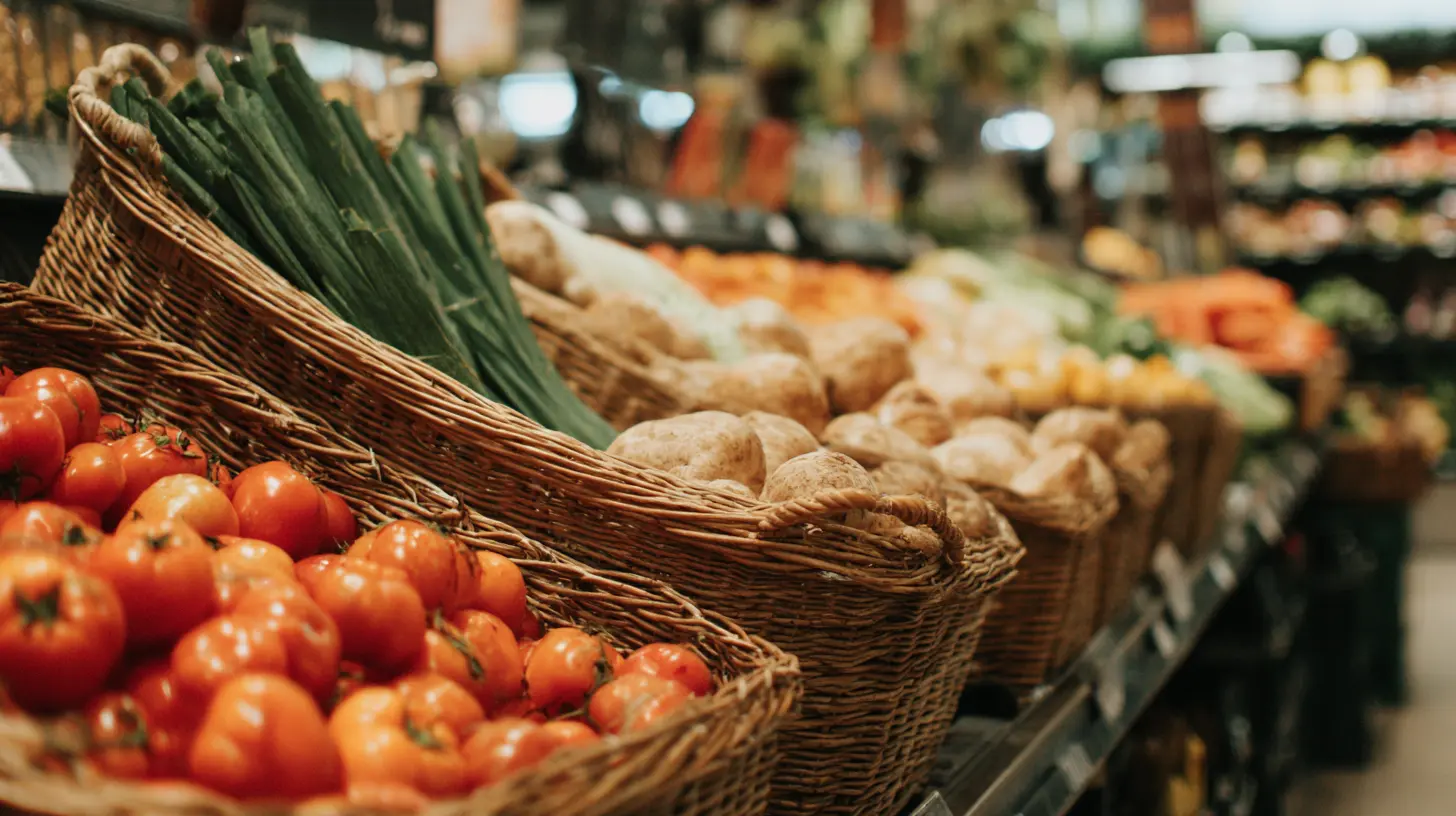
Reading Labels Without Losing Your Mind
Label reading is where many well-meaning shoppers burn out. The fix is to stop reading everything and start reading selectively.The Three Things That Matter Most
First, the serving size. A "low calorie" snack with three servings per package is not low calorie in practice. Second, the ingredient list, which is ordered by weight. If sugar, syrup, or a refined flour appears in the first three ingredients, the product is mostly those things. Third, the protein and fiber content, because these are the two nutrients most associated with feeling full. A snack with 15 grams of protein and 5 grams of fiber will serve you far better than one with the same calories and neither.What You Can Safely Ignore
Front-of-package claims. "Natural," "wholesome," "made with real fruit," and similar phrases are marketing, not regulated nutrition standards. A product can be labeled "natural" while containing added sugar and refined grains. The nutrition facts panel and ingredient list tell the truth; the front of the box tells a story.A useful heuristic for busy shoppers: if a product needs a health claim on the front, it is usually more processed than the foods that do not need one. Nobody markets broccoli with a "supports heart health" banner.
A Note on "Clean" Labels
There is a persistent misconception that shorter ingredient lists are always healthier. Length is not a reliable proxy. Some safe additives have long chemical names, and some short lists belong to foods high in sugar and fat. Judge a product by its overall nutrition profile and how it fits your diet, not by counting ingredients.Fresh, Frozen, and Canned: An Honest Comparison
Busy professionals often feel guilty buying frozen or canned produce. That guilt is misplaced. Here is a balanced look.| Format | Advantages | Drawbacks | Best For |
|---|---|---|---|
| Fresh | Best texture, flexible use, no sodium concerns | Short shelf life, requires prep, can spoil | Produce you will eat within a few days |
| Frozen | Long shelf life, pre-cut, nutrients preserved at freezing | Texture suffers in some dishes, freezer space needed | Backup vegetables, smoothies, stir-fries |
| Canned | Cheapest, shelf-stable, ready to use | Added sodium, sometimes added sugar, texture soft | Beans, tomatoes, emergency meals |
The right answer is usually a mix. Fresh for what you will genuinely eat this week, frozen for backup, canned for pantry depth. The common mistake is buying fresh produce aspirationally, the way you wish you ate, rather than realistically, the way you actually eat. Spoiled vegetables are not just wasted money; they are a small daily guilt tax that erodes your motivation.
If sodium in canned goods concerns you, rinsing beans and choosing low-sodium versions reduces it meaningfully. This is a case where a small habit, thirty seconds at the sink, has a real payoff.
Online Grocery Shopping: Who It Helps and Who It Hurts
Grocery delivery and curbside pickup have changed the calculus for busy professionals. The benefits are obvious: no commute, no impulse aisles, and the ability to shop from a saved list in minutes. For people whose main barrier is time, online ordering is often the single highest-impact change they can make.But it is not universally better. Three trade-offs deserve honest consideration.
First, you lose the ability to inspect. You cannot squeeze an avocado or check the date on yogurt. Some services handle substitutions well; others do not. If produce quality matters to you, consider a hybrid: order shelf-stable and heavy items online, buy produce in person.
Second, online interfaces are designed to upsell. "Frequently bought together" prompts and one-click add-ons can inflate your cart if you are not disciplined. A saved list and a rule against browsing recommendations keeps this in check.
Third, cost. Delivery fees and markups vary widely by service and region. For some households the time savings clearly justify the premium; for others, a weekly in-person trip is cheaper and not much slower. Run the numbers for your own situation rather than assuming either way.
A practical pattern many busy professionals settle into: one larger online order for staples every week or two, plus a quick in-person stop for fresh produce. This splits the difference between convenience and control.
Timing and Frequency: The Underrated Variables
When you shop matters almost as much as what you buy. Shopping hungry is a well-known trap, but the mechanism is worth understanding: hunger shifts your attention toward calorie-dense foods and shortens your planning horizon. You buy for tonight, not for the week. A snack before you shop is not a indulgence; it is a strategy.Frequency is a trade-off between freshness and effort. One big weekly shop minimizes trips but risks spoilage. Two smaller shops keep produce fresher but cost more time. For most busy professionals, a weekly staple run plus a midweek produce top-up is a reasonable balance, especially if the midweek trip is a quick in-and-out at a nearby store or market.
Another underrated variable: shop when the store is quiet. Fewer crowds mean less stress, faster trips, and better stocking. Early mornings and late evenings are usually calmer than weekend afternoons. If your schedule allows it, a Tuesday evening shop can be fifteen minutes shorter than a Saturday one.
Common Mistakes and Misconceptions
Several patterns show up again and again among smart, busy people who nonetheless struggle with healthy shopping.Buying for your ideal self. The most common mistake. You buy kale and quinoa because that is who you want to be, then order takeout because the kale requires a recipe you do not have energy for. Buy for the person who actually shows up at 7 p.m., tired and hungry. Convenience that gets eaten beats virtue that spoils.
Confusing "healthy" with "low calorie." A 100-calorie pack of cookies is not a better choice than a handful of almonds with more calories. Satiety, nutrient density, and blood sugar response matter more than calorie count alone. Chasing low-calorie products often leaves you hungrier and snacking more later.
Overbuying perishables. A full crisper drawer feels virtuous and often becomes a compost contribution. Buy fewer fresh items more often, and lean on frozen for backup.
Skipping the pantry. A well-stocked pantry, canned tomatoes, beans, rice, pasta, spices, oil, is what turns a nearly empty fridge into dinner. Pantry depth is the quiet backbone of healthy eating on busy weeks.
Treating one bad trip as a failure. A cart full of convenience food after a brutal week is not a moral failing; it is data. It usually means your backup layer was empty, or your schedule changed, or you shopped hungry. Adjust the system, not your self-image.
Believing healthy shopping requires a specialty store. It does not. A standard supermarket carries everything you need: frozen vegetables, canned beans, eggs, oats, plain yogurt, whole grains. Specialty stores are a nice-to-have, not a requirement.
Making It Stick: Systems Over Willpower
The professionals who eat well consistently are rarely more disciplined than everyone else. They have built environments where the healthy choice is also the easy choice. A few system-level habits do most of the work:- Keep a running list on your phone, so you never shop from memory.
- Restock the pantry on a fixed monthly schedule rather than reacting to empty shelves.
- Prep one or two components after shopping, washing produce, cooking a pot of grains, so weekday meals start half-finished.
- Keep one or two genuinely easy emergency meals in the freezer, and replace them immediately when used.
- Do a five-minute fridge audit before shopping, so you buy what you need rather than what you assume you need.
None of these are dramatic. That is the point. Healthy shopping for a busy professional is not about heroic effort; it is about removing friction from the right choices and adding a little friction to the wrong ones. A default list, a fixed route, selective label reading, a smart mix of fresh and frozen, and a pantry with depth will outperform any perfect meal plan you abandon by Wednesday.
all images in this post were generated using AI tools
Category:
Healthy ShoppingAuthor:

Madeline Howard