Guide to Healthy Cooking Oils and Fats
11 August 2026
When it comes to cooking, the oil you use can make a world of difference. Not only does it affect the flavor, but it also plays a huge role in your health. With so many options out there, choosing the right cooking oil can feel overwhelming. Should you go for olive oil or coconut oil? Is butter really that bad? And what's the deal with seed oils?
Don't worry—I’ve got you covered! This guide will break down everything you need to know about healthy cooking oils and fats, so you can make the best decision for your body and your taste buds. 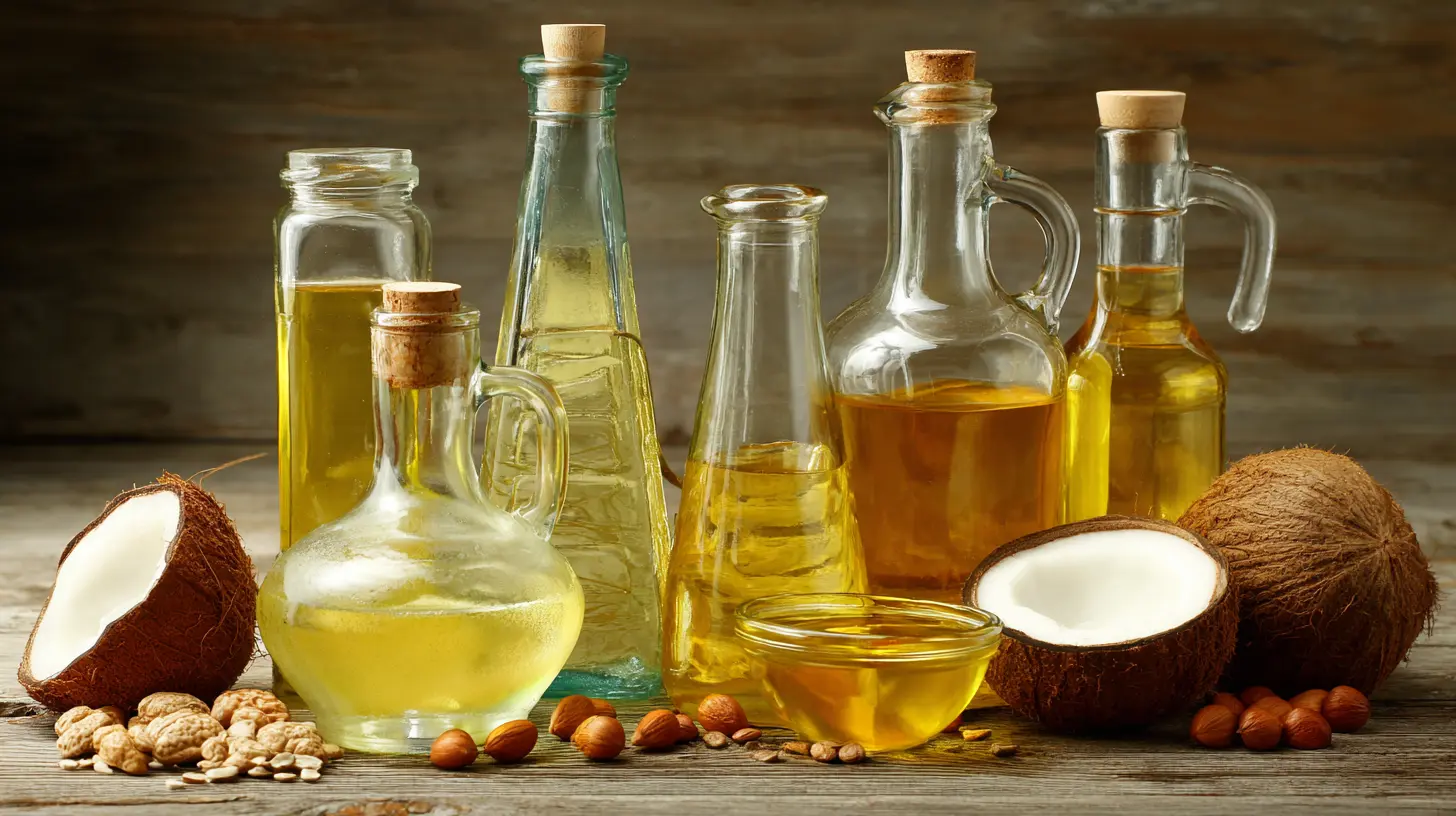
Understanding Fats: The Good, The Bad, and The Ugly
Before we dive into specific oils, let's talk about fats. Not all fats are created equal, and understanding them will help you make better choices.1. Healthy Fats (The Good Guys!)
These fats are beneficial for your heart, brain, and overall well-being. They include:- Monounsaturated Fats (MUFAs) – Found in olive oil, avocados, and nuts, these fats help reduce bad cholesterol and lower the risk of heart disease.
- Polyunsaturated Fats (PUFAs) – Found in fatty fish, flaxseeds, and walnuts, these fats include omega-3 and omega-6 fatty acids, which support brain and heart health.
2. Unhealthy Fats (The Bad Guys!)
Not all fats are friendly. Some can lead to weight gain, inflammation, and chronic diseases.- Saturated Fats – Found in butter, coconut oil, and fatty meats, these fats have been debated for years. In moderation, they're not necessarily harmful. However, too much can raise LDL (bad) cholesterol.
- Trans Fats (The Ugly Ones!) – These are the real villains. Found in processed foods, fried snacks, and margarine, trans fats increase bad cholesterol and raise the risk of heart disease. Avoid them like the plague! 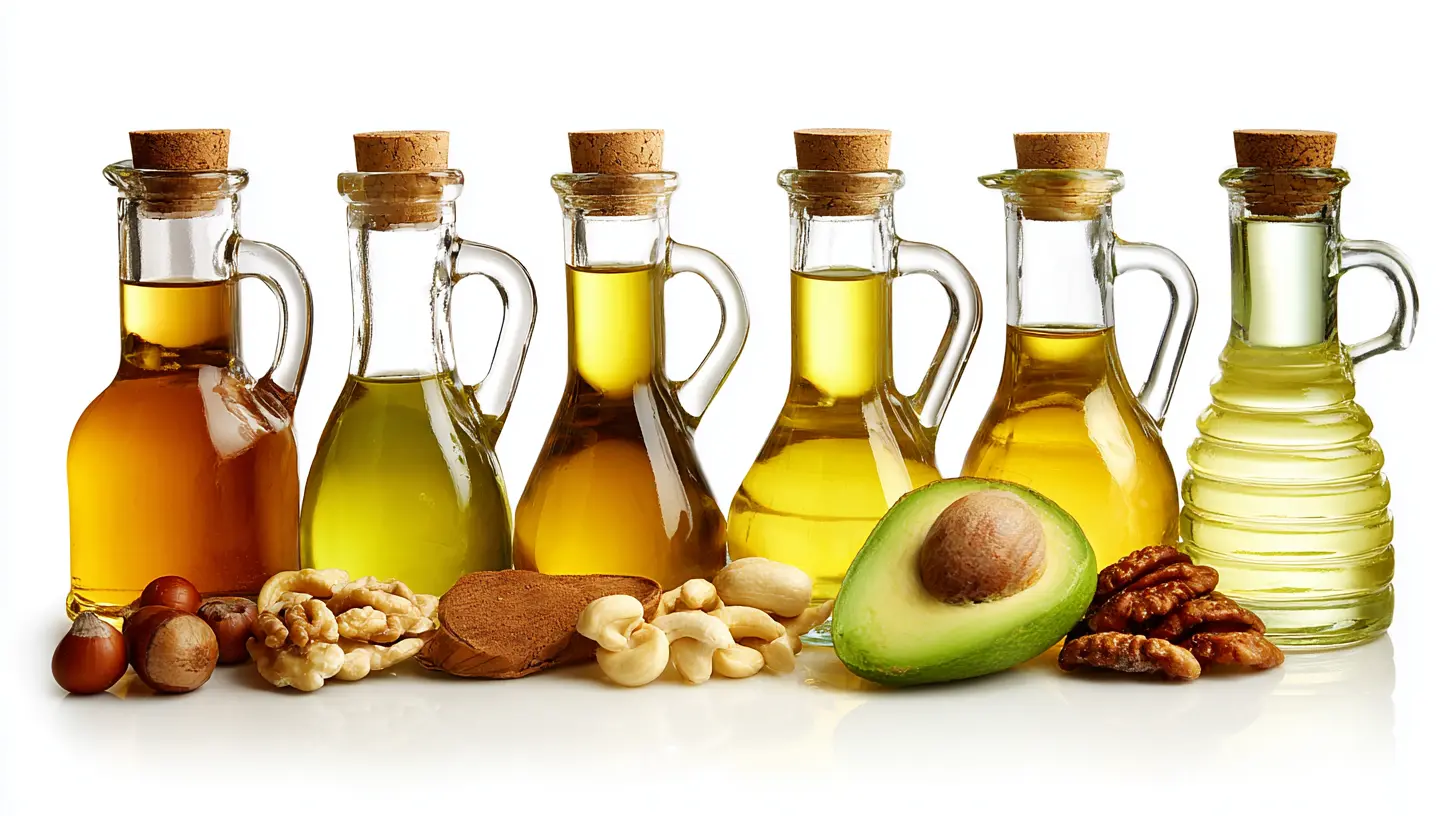
The Best Healthy Cooking Oils
Now that we understand fats, let’s go over the best cooking oils for a healthy lifestyle.1. Extra Virgin Olive Oil (EVOO) – The King of Healthy Oils
If there’s one oil that reigns supreme, it's extra virgin olive oil. Packed with antioxidants and heart-healthy monounsaturated fats, EVOO is great for salads, drizzling over veggies, or light sautéing.? Best Uses: Salad dressings, roasting, light cooking
? Smoke Point: ~375°F (190°C)
? Health Benefits: Reduces inflammation, supports heart health, and may lower the risk of chronic diseases.
✋ Pro Tip: Avoid heating EVOO too much, as high temperatures can break down its beneficial compounds.
2. Avocado Oil – The Versatile Choice
Avocado oil is a fantastic all-rounder. It has a high smoke point, making it ideal for sautéing, grilling, and frying. Plus, it’s loaded with heart-friendly monounsaturated fats and vitamin E.? Best Uses: Frying, roasting, grilling
? Smoke Point: ~520°F (270°C)
? Health Benefits: Supports heart health, improves skin health, and enhances nutrient absorption.
3. Coconut Oil – The Controversial One
Coconut oil has been both praised and criticized. It contains saturated fats, but they're mostly medium-chain triglycerides (MCTs), which may boost metabolism and brain function. However, it's best used in moderation.? Best Uses: Baking, light sautéing, adding to smoothies
? Smoke Point: ~350°F (177°C)
? Health Benefits: May boost brain function, provide quick energy, and has antimicrobial properties.
✋ Pro Tip: Stick to virgin or cold-pressed coconut oil for the most nutrients.
4. Ghee – The Flavor Booster
Ghee, or clarified butter, is a traditional staple in Indian cuisine. It's rich in vitamins A, D, and E and has a high smoke point, making it great for high-heat cooking.? Best Uses: Frying, roasting, spreading on toast
? Smoke Point: ~485°F (250°C)
? Health Benefits: Supports gut health, improves digestion, and boosts immunity.
5. Flaxseed Oil – The Omega-3 Powerhouse
Flaxseed oil is an amazing source of plant-based omega-3s, but it’s highly sensitive to heat. This means it’s best used as a finishing oil rather than for cooking.? Best Uses: Drizzling over salads, mixing into smoothies, adding to dips
? Smoke Point: ~225°F (107°C)
? Health Benefits: Supports brain function, reduces inflammation, and improves skin health. 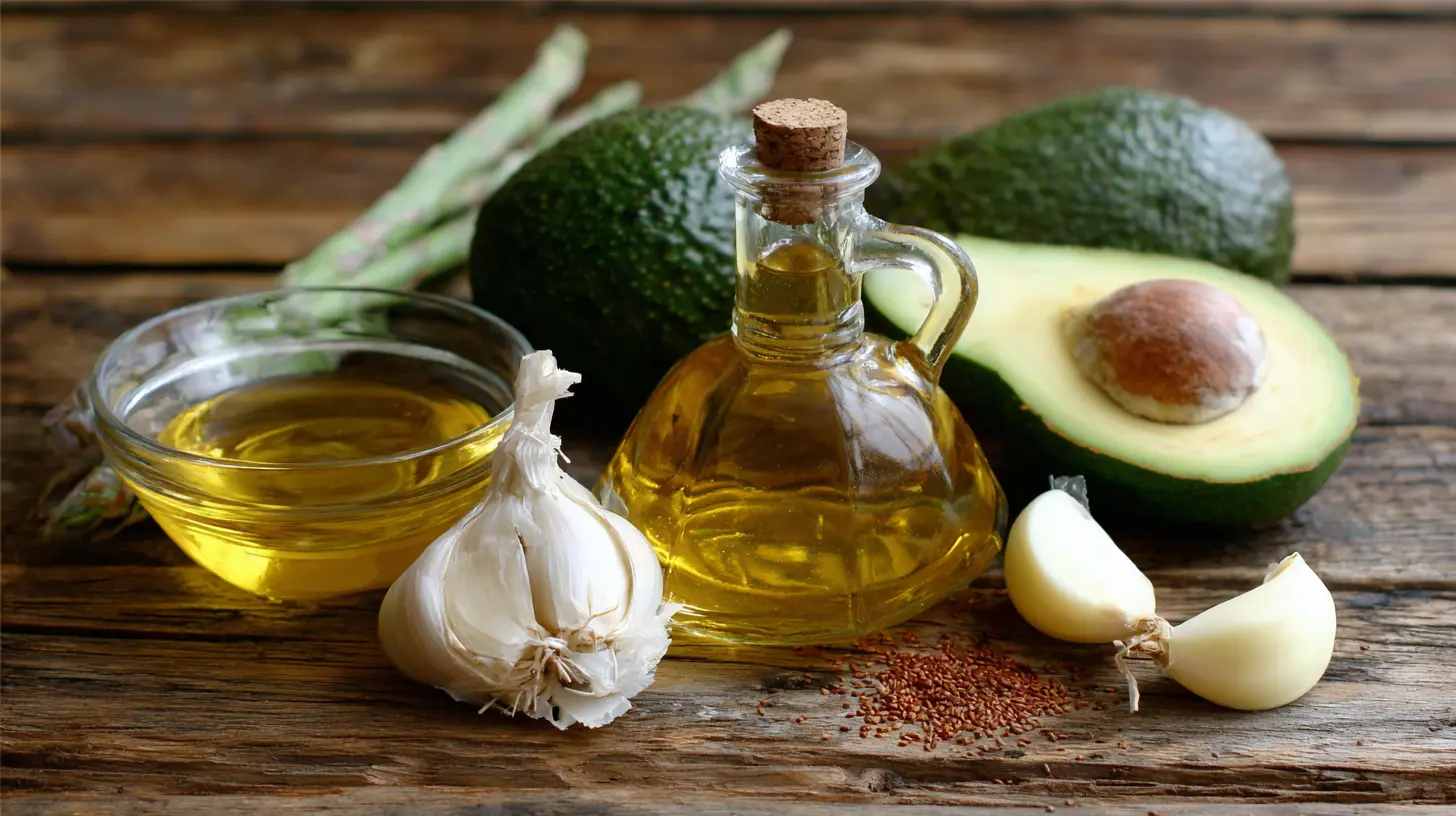
Oils to Use in Moderation
Some oils have health benefits but should be used cautiously.1. Canola Oil – The Better of the “Bad” Oils
Canola oil has a high smoke point and contains omega-3s, but most of it is highly processed. If you use it, opt for organic, cold-pressed versions.2. Peanut Oil – Good for Occasional Frying
Peanut oil is commonly used for deep frying due to its high smoke point. While it contains some monounsaturated fats, it also has a lot of omega-6s, which can cause inflammation if consumed excessively.
Oils to Avoid
Some oils are heavily processed and contain unhealthy fats that can harm your health over time.1. Vegetable Oil (A Blend of Who-Knows-What!)
Vegetable oil is usually a mix of highly processed oils like soybean, corn, and canola oil. It’s pro-inflammatory and lacks nutrients.2. Soybean Oil – The Sneaky Ingredient in Many Processed Foods
Soybean oil is one of the most commonly used oils, but it’s loaded with omega-6 fats, which can lead to inflammation if not balanced with omega-3s.3. Corn Oil – Highly Processed and Pro-Inflammatory
Corn oil is often extracted using harsh chemicals and is high in omega-6 fats, making it a poor choice for everyday cooking.Tips for Choosing the Right Cooking Oil
Finding the perfect cooking oil depends on what you're making. Here are some quick tips to help you:✅ For salads and drizzling: Go for extra virgin olive oil, flaxseed oil, or avocado oil.
✅ For sautéing and stir-frying: Avocado oil, EVOO (at low heat), or ghee work best.
✅ For deep frying: Use oils with high smoke points like avocado oil or ghee.
✅ For baking: Coconut oil, butter, or ghee add fantastic flavor.
Final Thoughts
Choosing the right cooking oil doesn’t have to be complicated. Stick to natural, minimally processed oils loaded with healthy fats, and avoid highly refined, inflammatory ones. Whether you're drizzling EVOO over your salad or frying up some crispy veggies in avocado oil, making mindful choices can do wonders for your health.So, next time you're in the kitchen, reach for oils that nourish your body and boost flavor—your taste buds (and your heart!) will thank you.
all images in this post were generated using AI tools
Category:
Healthy CookingAuthor:

Madeline Howard
Discussion
rate this article
1 comments
Justice Weber
I loved this guide! Exploring healthy cooking oils is both fun and rewarding. It feels great to know I'm making better choices in the kitchen. Cheers to tasty and healthful meals ahead!
August 15, 2026 at 4:56 AM