Gluten-Free Living: A Guide for Those with Celiac Disease
28 April 2026
Introduction
So, you've been diagnosed with celiac disease, and suddenly, gluten is your worst enemy. Bread, pasta, pizza—gone in a puff of wheat flour! It might feel like you've been thrown into the deep end without a life jacket, but don't worry! Gluten-free living isn't as terrifying as it sounds. With the right mindset, a little knowledge, and a pinch of patience, you can navigate this new lifestyle like a pro.
In this guide, we’ll break down everything you need to know about living gluten-free—from what foods to avoid to what delicious alternatives you can still enjoy. Ready? Let’s dive in!
What Is Celiac Disease?
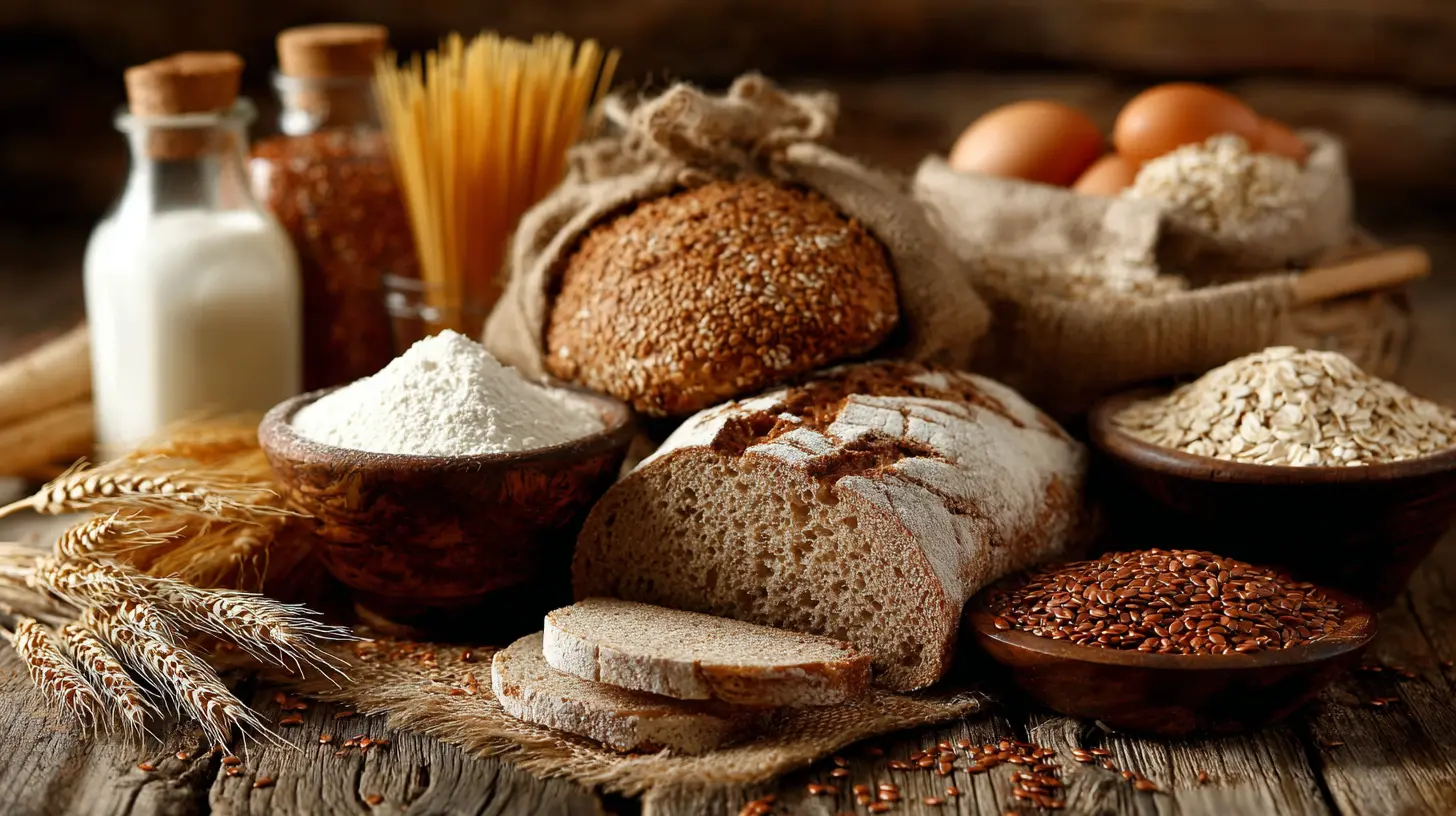
Before we get into the nitty-gritty of gluten-free living, let’s start with the basics. Celiac disease is an autoimmune disorder where consuming gluten (a protein found in wheat, barley, and rye) triggers an immune response that damages the small intestine. This can lead to issues like malabsorption of nutrients, bloating, fatigue, and even long-term complications if left untreated.The only known treatment? A strict, lifelong gluten-free diet. Yep, no cheat days here! But once you get the hang of it, you'll feel so much better that you won’t even miss those gluten-filled goodies.
The Big No-No List: Foods to Avoid
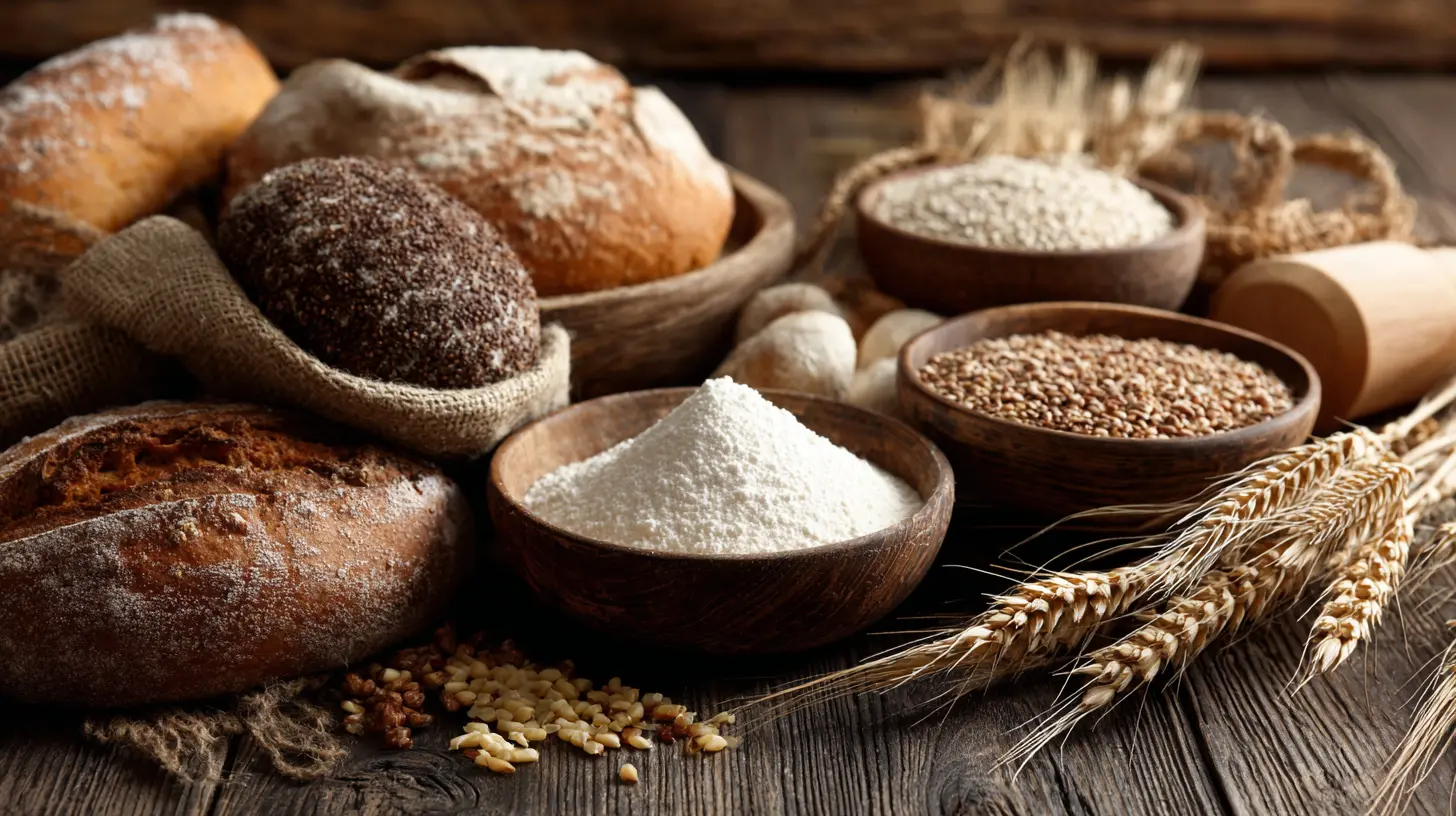
Brace yourself—gluten is sneaky. It hides in places you'd never expect. Here are some of the biggest culprits you’ll need to cut from your diet:1. Grains and Flours
- Wheat (including varieties like spelt, durum, and farro)- Barley
- Rye
- Triticale (a cross between wheat and rye)
- Malt and malt-based products
2. Processed Foods with Hidden Gluten
Gluten has a habit of sneaking into things that seem harmless:- Soy sauce (yes, some brands contain wheat!)
- Salad dressings
- Imitation meats and seafood
- Gravies and sauces
- Beer (unless labeled gluten-free)
3. Baked Goods and Pasta
You already guessed it—cakes, cookies, muffins, pasta, and anything made with traditional flour are out. But don’t worry, there are gluten-free versions of nearly everything now!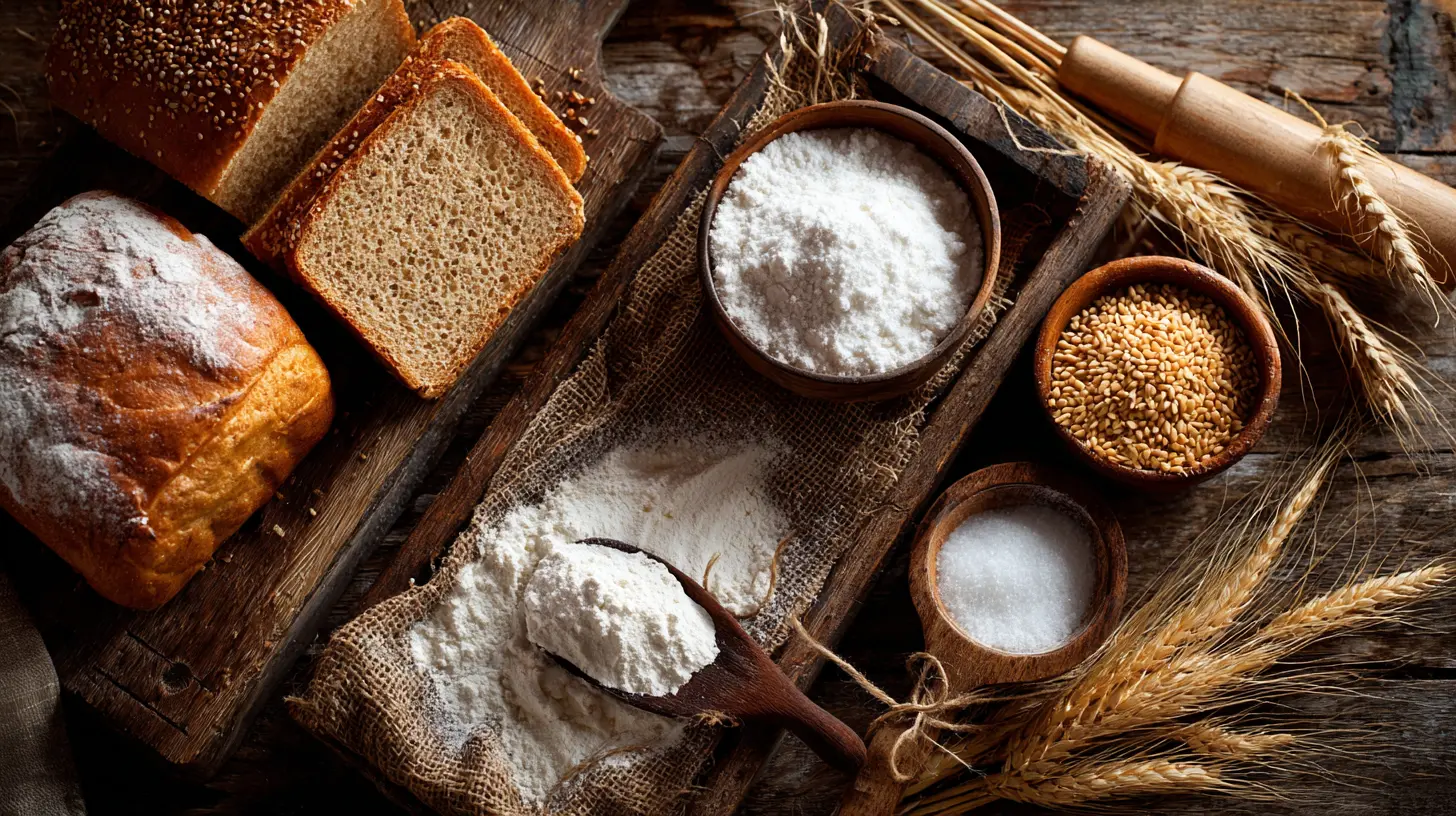
Gluten-Free Swaps: Because Life Should Still Be Delicious
Now that we’ve tackled what’s off-limits, let’s talk about the fun part—what you CAN eat! The gluten-free diet doesn’t mean giving up good food; it just means adjusting your game plan.1. Naturally Gluten-Free Grains
You still have plenty of grains to work with, including:- Rice (white, brown, wild—take your pick!)
- Quinoa (a protein powerhouse)
- Corn
- Buckwheat (despite the name, it’s gluten-free!)
- Millet
- Amaranth
2. Alternative Flours for Baking
Want to whip up pancakes or cookies? No problem! Swap regular flour for:- Almond flour
- Coconut flour
- Oat flour (just make sure it's labeled gluten-free)
- Chickpea flour
3. Gluten-Free Pasta and Bread
Luckily, the world has caught on to the demand for gluten-free alternatives. You can find amazing options like:- Pasta made from lentils, chickpeas, or rice
- Bread made from almond or cassava flour
- Gluten-free pizza crusts that taste just as good as the original
Gone are the days of cardboard-tasting GF foods—many of these swaps are just as tasty as their gluten-packed counterparts!
Reading Labels Like a Pro
Since gluten can sneak into unexpected foods, reading ingredient labels is your new best friend. When shopping, keep an eye out for:✅ Certified gluten-free labels – This guarantees the food has been tested and contains less than 20 ppm (parts per million) of gluten.
❌ "May contain gluten" – This means the product has been manufactured in a facility that also processes wheat. Better safe than sorry!
✅ Naturally gluten-free ingredients – When in doubt, stick to whole foods like fruits, veggies, meats, and dairy.
Eating Out Without Fear
Dining out on a gluten-free diet can feel like playing Russian roulette with your gut. But with a few strategies, you can still enjoy eating at restaurants without worrying about cross-contamination.1. Pick the Right Restaurant
Many restaurants now offer gluten-free menus, so do a little research beforehand. Italian places often have GF pasta, and many burger joints offer gluten-free buns.2. Speak Up
Don't be shy—ask questions! Let the server know you have celiac disease and need your food prepared separately to avoid cross-contamination.3. Watch Out for Cross-Contamination
Even if a dish is gluten-free, it can be contaminated by shared fryers, cutting boards, and utensils. Always ask how the food is prepared!
Staying Gluten-Free on a Budget
Let’s be real—gluten-free products can be pricey. But you don’t have to break the bank to follow this diet. Here are some cost-saving tips:- Buy in bulk: Stock up on naturally gluten-free grains like rice and quinoa.
- Cook from scratch: Pre-packaged GF foods are convenient but expensive. Cooking your own meals saves money and keeps things healthier.
- Shop at budget-friendly stores: Many big-name supermarkets now carry gluten-free sections with affordable prices.
Dealing with the Emotional Side of a Gluten-Free Life
Giving up gluten is more than just a diet change—it’s a lifestyle shift. It’s okay to feel overwhelmed at first. You might miss certain foods or feel frustrated when you can’t eat what everyone else is having. But here’s the good news:- You will find new favorite foods.
- Your body will thank you for cutting gluten.
- Your energy levels, digestion, and overall health will improve.
Plus, being gluten-free isn’t as isolating as it used to be. There’s a whole community of gluten-free folks out there sharing recipes, tips, and even memes about our shared struggle. So, don’t feel alone!
Final Thoughts
Living a gluten-free life with celiac disease might seem daunting at first, but trust me—it gets easier! With the right mindset, a healthy dose of patience, and a little creativity in the kitchen, you can enjoy delicious meals without a trace of gluten.Remember, this journey is about feeling better and taking care of your health. So, embrace the challenge, experiment with new recipes, and focus on all the tasty foods you can eat. You’ve got this!
all images in this post were generated using AI tools
Category:
Food AllergiesAuthor:

Madeline Howard
Discussion
rate this article
2 comments
Elowen McAlister
Navigating a gluten-free life can be overwhelming, especially for those with celiac disease. It's heartening to see resources like this that provide guidance and support. Remember, you're not alone in this journey, and every small step toward wellness is a victory worth celebrating.
June 27, 2026 at 2:29 PM
Madeline Howard
Thank you for your kind words. It's so important to support each other on this journey, and every step counts.
Karson Morgan
Celiac disease requires strict adherence to a gluten-free diet. Understanding safe foods and potential hidden gluten sources is crucial for managing symptoms and maintaining health.
May 4, 2026 at 2:36 AM
Madeline Howard
Absolutely, knowing safe foods and hidden gluten sources is key for managing celiac disease effectively. Thanks for highlighting this important aspect of gluten-free living.