Energy-Boosting Smoothies for Every Time of Day
4 October 2026
Smoothies have a reputation problem. Walk through any grocery store and you will find shelves of bottled versions loaded with more sugar than a candy bar. Scroll through social media and you will see elaborate concoctions that look beautiful but offer little beyond empty calories. This reputation obscures something genuinely useful: a well-constructed smoothie is one of the most efficient ways to deliver sustained energy, especially when you match its composition to what your body actually needs at a given hour.
The timing matters more than most people realize. A smoothie that works beautifully at 6 AM can leave you sluggish at 3 PM. A blend that powers you through an afternoon workout might disrupt your sleep if you drink it at 9 PM. The difference comes down to macronutrient ratios, fiber content, specific micronutrients, and how those interact with your circadian rhythm and daily energy demands.
This guide breaks down the science and practice of building smoothies for specific times of day. You will find practical formulas, explanations of why certain combinations work, common mistakes that undermine even well-intentioned blends, and guidance on when a smoothie is the wrong choice entirely.
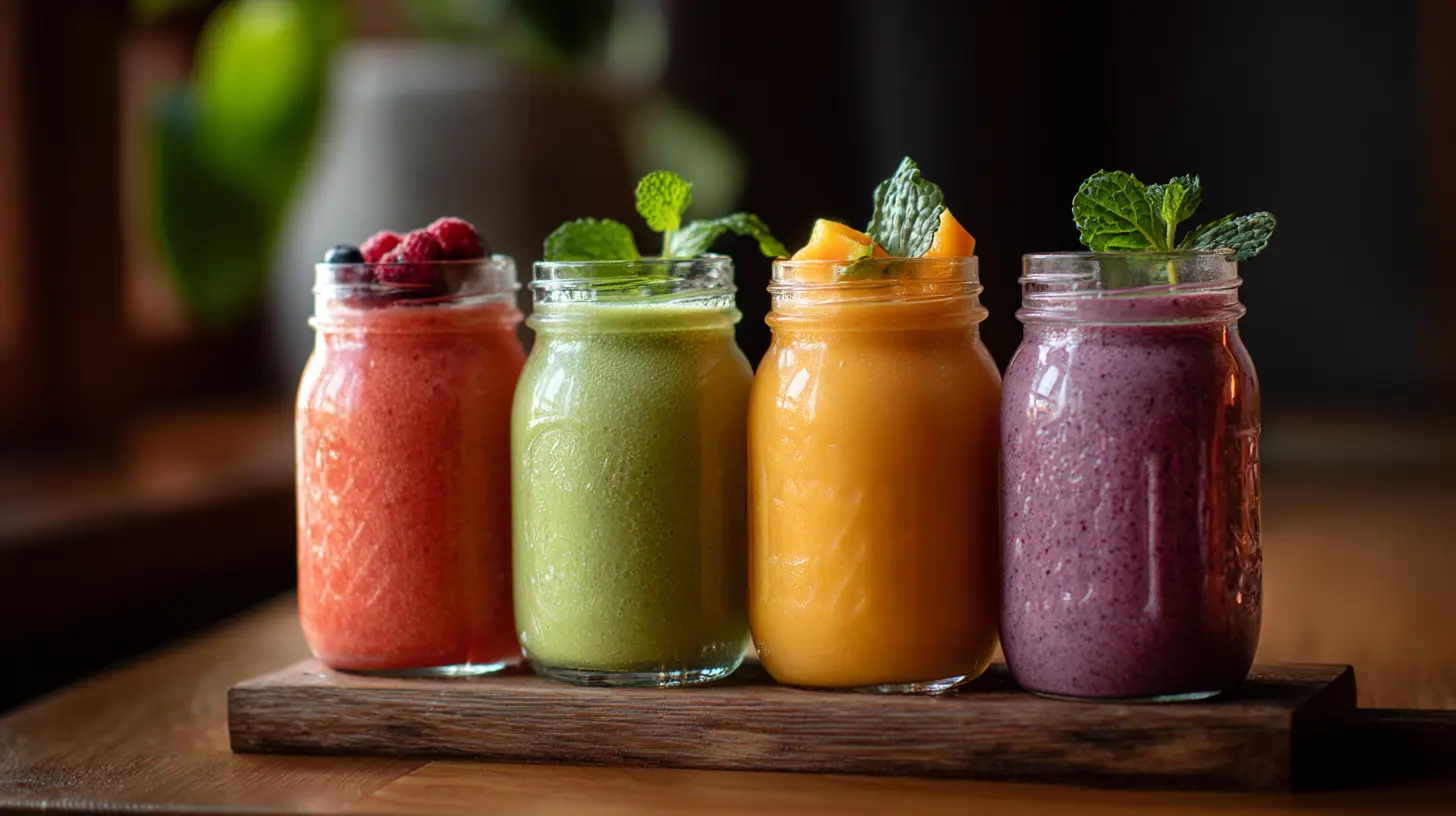
Why Timing Changes Everything
Your body does not process food the same way at 7 AM as it does at 7 PM. Cortisol, the hormone that helps you wake up and mobilize energy, peaks shortly after you rise and gradually declines throughout the day. Insulin sensitivity tends to be higher in the morning and lower in the evening. Your core body temperature, digestion speed, and even the composition of your gut microbiome shift across a 24-hour cycle.This means a smoothie designed for morning energy should support a body that is emerging from fasting, ramping up metabolism, and needs steady fuel without a crash. An afternoon smoothie, by contrast, needs to counter the natural dip in alertness that many people experience between 1 PM and 4 PM without interfering with evening sleep. An evening smoothie, if you choose to have one, should be light, low in stimulants, and supportive of recovery and relaxation rather than stimulation.
Ignoring these rhythms is one of the most common reasons people feel that smoothies "do not work" for them. They are not wrong. They are just using the wrong formula at the wrong time.
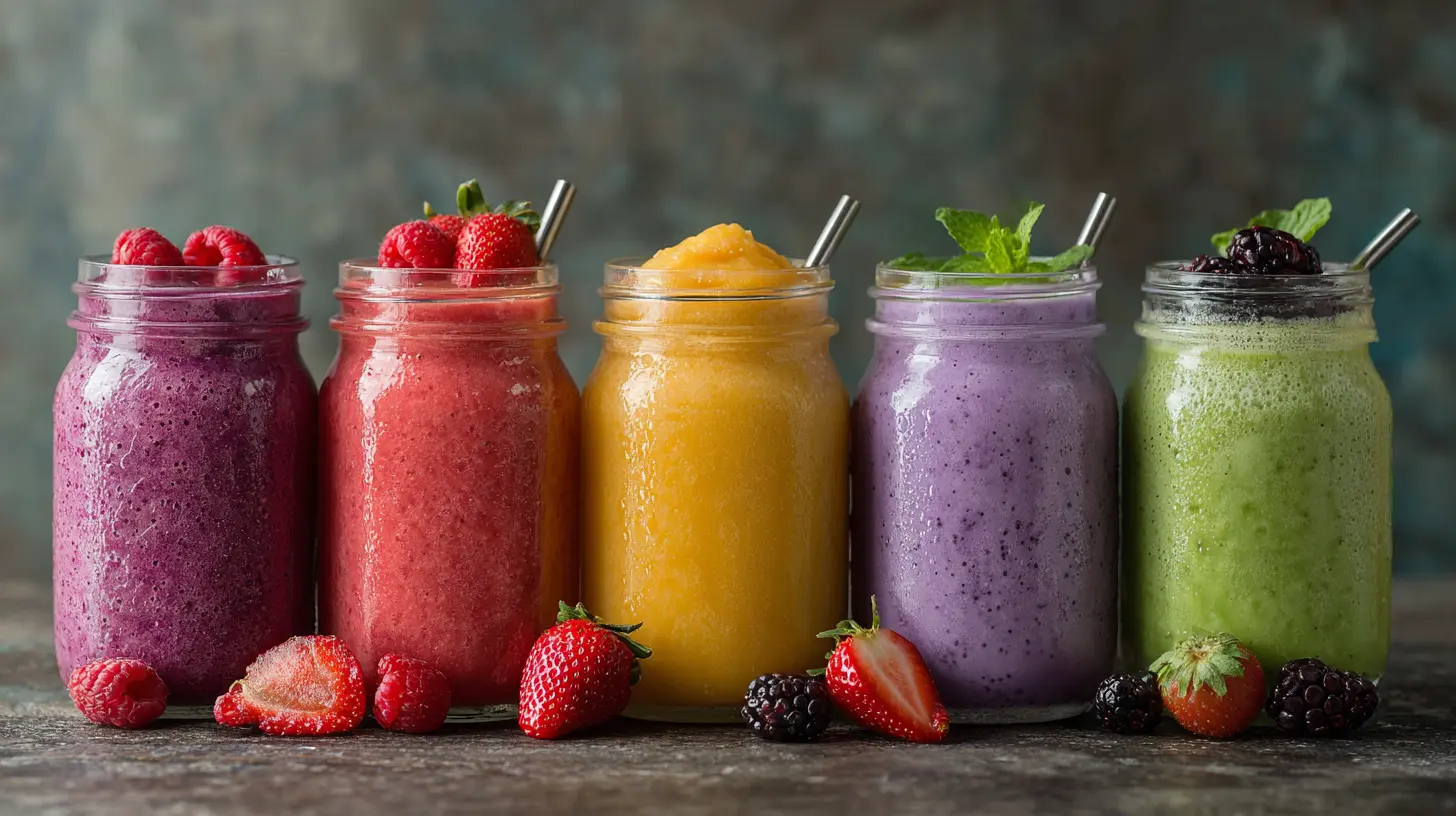
The Core Components of an Energy-Boosting Smoothie
Before diving into time-specific recipes, it helps to understand the building blocks and what each contributes.Carbohydrates: The Primary Fuel
Carbohydrates are your body's preferred energy source, especially for the brain and for high-intensity physical activity. In smoothies, carbs come primarily from fruit, but also from added sweeteners, yogurt, milk, and certain vegetables.The critical distinction is between fast-digesting carbs and slow-digesting carbs. A banana blended into a smoothie will raise blood sugar relatively quickly. The same banana blended with a generous handful of spinach, two tablespoons of chia seeds, and a scoop of protein powder will raise blood sugar more gradually because the fiber, fat, and protein slow gastric emptying.
For sustained energy, you want that slower curve. For a quick pre-workout boost, a faster curve can be advantageous. The context determines the choice.
Protein: Stability and Satiety
Protein does not provide quick energy the way carbohydrates do, but it plays a crucial role in stabilizing blood sugar and preventing the crash that follows a high-carb meal. It also supports muscle repair, which matters if you are active.Common smoothie protein sources include Greek yogurt, cottage cheese, protein powder, silken tofu, and hemp seeds. Each has trade-offs. Greek yogurt adds creaminess and probiotics but also dairy sugar. Protein powder is convenient but quality varies enormously. Hemp seeds offer protein plus omega-3 fats but have a distinct earthy taste.
A general guideline: aim for 15 to 30 grams of protein per smoothie if you want it to function as a meal replacement or a substantial snack. For a lighter boost, 10 to 15 grams may suffice.
Fat: Slow-Burning Energy and Nutrient Absorption
Dietary fat slows digestion, which helps flatten the blood sugar curve and extend the energy from a smoothie over a longer period. It also helps your body absorb fat-soluble vitamins, including vitamins A, D, E, and K, many of which come from the fruits and vegetables you blend.Good sources for smoothies include avocado, nut butters, seeds (chia, flax, hemp), coconut milk, and full-fat yogurt. The trade-off is calorie density. Fat carries nine calories per gram compared to four for carbohydrates and protein, so a heavy hand with nut butter can turn a light smoothie into a calorie bomb.
For most people, one to two tablespoons of a fat source per smoothie is a reasonable starting point.
Fiber: The Unsung Hero
Fiber is what separates a smoothie that sustains you from one that spikes and crashes your blood sugar. It slows digestion, feeds beneficial gut bacteria, and promotes satiety.Whole fruits and vegetables contain fiber, but blending breaks down cell walls and can reduce the satiety effect compared to chewing the same ingredients. This is why adding extra fiber sources, such as chia seeds, flax meal, psyllium husk, or oat bran, is often wise. It restores some of what blending takes away.
Micronutrients and Phytonutrients
Vitamins, minerals, and plant compounds do not provide calories, but they support the enzymatic reactions that convert food into usable energy. Magnesium, B vitamins, iron, and vitamin C all play roles in energy metabolism. A smoothie that is rich in these nutrients supports energy production at a cellular level, not just in the short term.This is where leafy greens, berries, and colorful vegetables earn their place. They add micronutrient density without adding many calories.
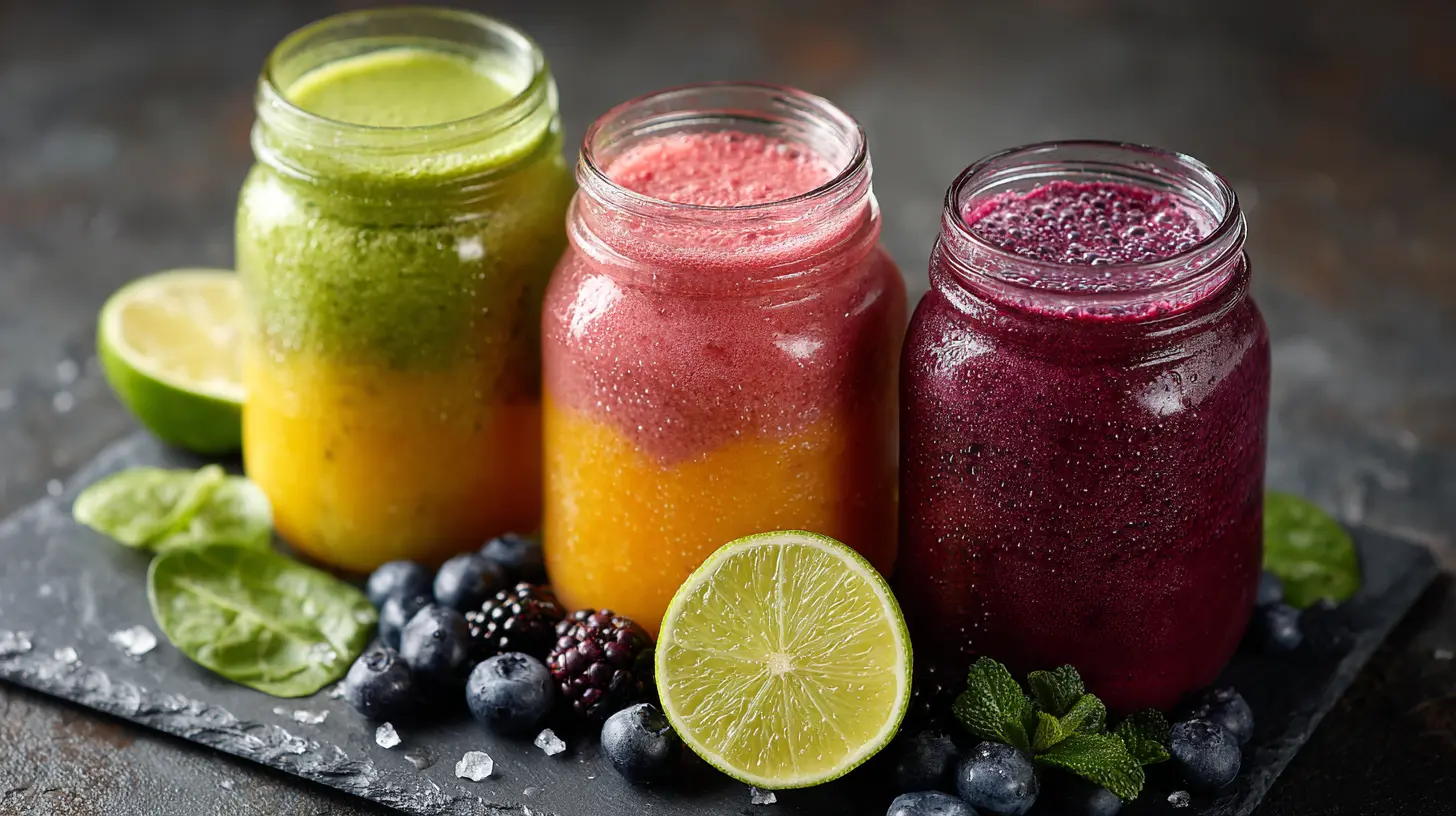
Morning Smoothies: Fuel for the Day Ahead
The morning is when most people are most receptive to a smoothie. Appetite is often low right after waking, but the body needs fuel. A liquid meal is easy to consume and digest.What the Body Needs in the Morning
After an overnight fast, blood sugar is relatively low. Cortisol is rising, which helps mobilize stored energy but can also promote breakdown of muscle tissue if protein intake is inadequate. The goal is to provide steady glucose, enough protein to protect muscle, and nutrients that support the transition from rest to activity.The Morning Formula
A well-designed morning smoothie typically includes:- A base liquid: water, unsweetened plant milk, or dairy milk
- One to two servings of fruit, preferably including a source of potassium such as banana or mango
- A generous handful of leafy greens
- A protein source: Greek yogurt, protein powder, or cottage cheese
- A fiber and fat source: chia seeds, flax meal, or nut butter
- Optional boosters: oats, cinnamon, ginger, or a small amount of honey
Why This Works
The combination of carbohydrate, protein, fat, and fiber produces a gradual rise in blood sugar rather than a spike. The protein supports muscle maintenance during the catabolic morning hours. The greens add magnesium and B vitamins, which are cofactors in energy production. Cinnamon may help with blood sugar regulation, though the effect is modest and should not be overstated.Example: The Steady Morning Blend
Blend one cup of unsweetened almond milk, one frozen banana, two cups of fresh spinach, one scoop of vanilla protein powder, one tablespoon of chia seeds, and a pinch of cinnamon. This yields roughly 25 grams of protein, 10 grams of fiber, and a balanced mix of carbohydrates and fats. It takes about three minutes to prepare and can be consumed on the way to work.Common Morning Mistakes
The biggest mistake is relying on fruit alone. A smoothie made of orange juice, banana, mango, and honey is essentially a glass of sugar water with some vitamins. It will spike blood sugar, provide a brief burst of energy, and leave you hungry and irritable within 90 minutes.Another mistake is making the smoothie too large. A 24-ounce smoothie can easily exceed 600 calories, which is fine if it replaces breakfast but problematic if it is consumed alongside a full meal.
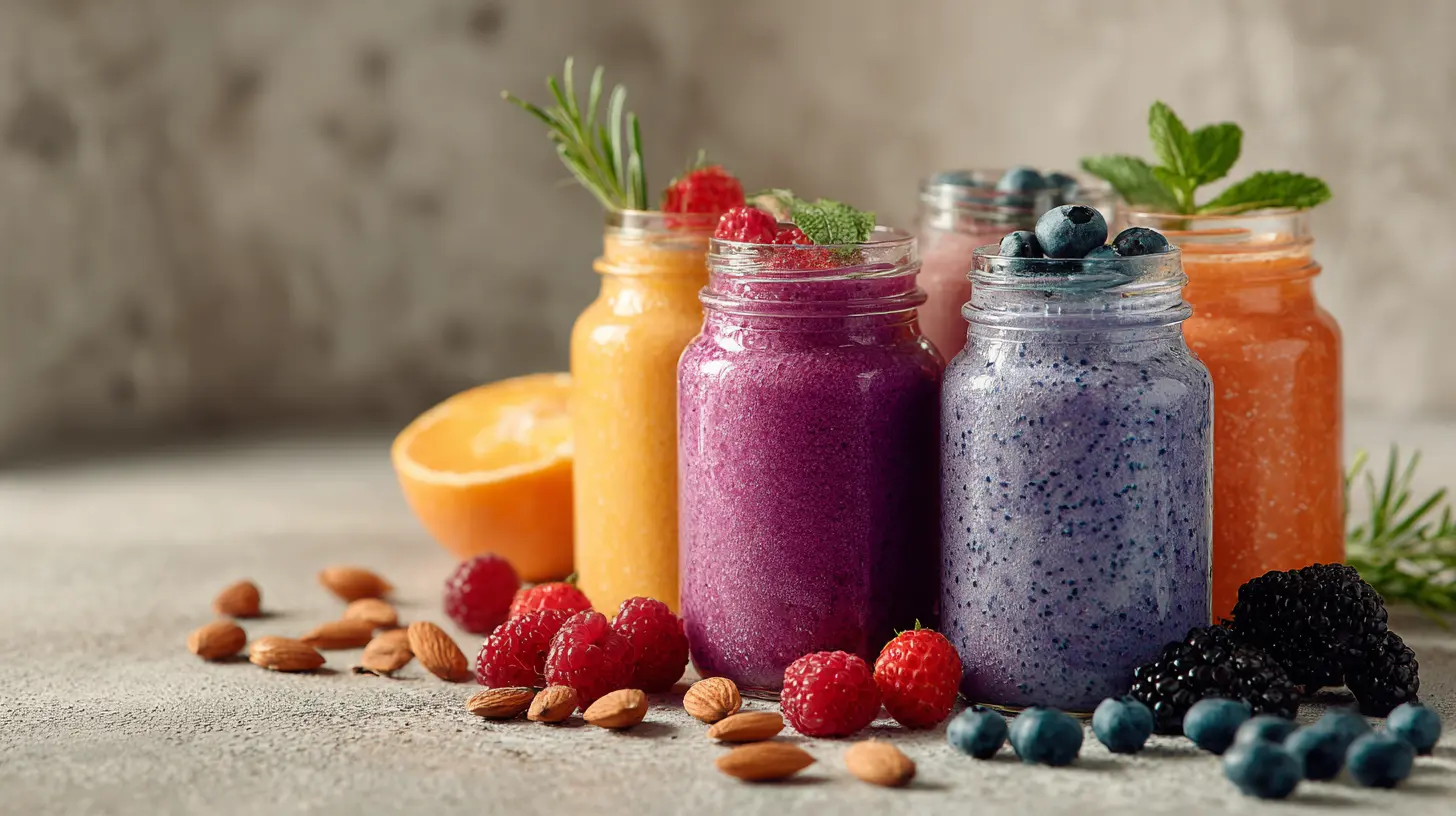
Mid-Morning and Pre-Workout Smoothies
For people who exercise in the late morning or early afternoon, a smoothie consumed 60 to 90 minutes before training serves a different purpose. It needs to top off glycogen stores without leaving the stomach feeling full.What Changes
Pre-workout smoothies should be lower in fat and fiber, because both slow digestion and can cause discomfort during exercise. Carbohydrates should be the dominant macronutrient, with a moderate amount of protein.The Pre-Workout Formula
- Base: water or coconut water- Fruit: banana, dates, or berries
- Protein: a small scoop of protein powder or a half cup of Greek yogurt
- Minimal fat and fiber: skip the nut butter and chia seeds
- Optional: a pinch of salt if you sweat heavily
Why This Works
Coconut water provides electrolytes, particularly potassium and sodium, which are lost through sweat. Banana and dates offer quickly digestible carbohydrates. A modest amount of protein helps protect muscle without slowing gastric emptying too much. The low fat and fiber content means the smoothie moves through the stomach quickly and is available as fuel when exercise begins.Timing Considerations
Drink this smoothie 60 to 90 minutes before training if you have the time. If you are pressed, a smaller version 30 minutes before can work, but some people experience cramping if they exercise too soon after eating. Experiment to find your tolerance.Afternoon Smoothies: Beating the Dip
The mid-afternoon energy dip is real for many people. It is driven by a combination of circadian rhythm, the aftermath of lunch, and accumulated mental fatigue. A well-designed afternoon smoothie can help, but it needs to be different from a morning blend.What the Body Needs in the Afternoon
The goal is to restore alertness without spiking blood sugar and without consuming so many calories that you feel sluggish. Hydration also matters, as mild dehydration is a common and underrecognized cause of afternoon fatigue.The Afternoon Formula
- Base: cold water, green tea, or unsweetened plant milk- Fruit: berries, which are lower in sugar than tropical fruits
- Vegetables: cucumber, celery, or zucchini for hydration and volume
- Protein: a small amount of Greek yogurt or protein powder
- Fat: a teaspoon of nut butter or a quarter avocado
- Optional: matcha, green tea, or a small amount of coffee for caffeine
Why This Works
Berries provide antioxidants and a modest amount of sugar without the crash potential of bananas or mangoes. Cucumber and celery add water and electrolytes. A small amount of protein and fat provides staying power without heaviness. If caffeine is included, green tea and matcha offer a gentler lift than coffee, partly because they contain L-theanine, an amino acid that promotes calm alertness.Example: The Afternoon Reset
Blend one cup of cold green tea, one cup of frozen mixed berries, half a cucumber, half a cup of Greek yogurt, and one teaspoon of almond butter. This is light, refreshing, and provides roughly 15 grams of protein with minimal sugar.When to Skip Caffeine
If you are sensitive to caffeine or if it is after 2 PM, skip the tea and coffee. Caffeine has a half-life of about five to six hours, meaning half of what you consume at 3 PM is still in your system at 8 or 9 PM. This can interfere with sleep, which then worsens the next day's energy dip. The cycle is easy to fall into and hard to break.
Evening Smoothies: Recovery and Relaxation
Evening smoothies are less common but can be useful in specific situations: after an evening workout, as a light dinner replacement, or as a way to support recovery during sleep.What the Body Needs in the Evening
In the evening, insulin sensitivity is lower and the body is preparing for rest. The goal is not stimulation but recovery. This means protein for muscle repair, moderate carbohydrates to replenish glycogen, and ingredients that support relaxation rather than alertness.The Evening Formula
- Base: unsweetened almond milk, coconut milk, or warm water- Fruit: tart cherry, banana, or mango
- Protein: casein protein, Greek yogurt, or cottage cheese
- Fat: a small amount of nut butter or avocado
- Optional: magnesium-rich ingredients such as spinach, or a tablespoon of tart cherry concentrate
Why This Works
Tart cherries have been studied for their potential role in sleep quality, though the evidence is not definitive and individual responses vary. Casein protein digests slowly, providing a steady supply of amino acids overnight. Bananas and mangoes provide carbohydrates that can help with glycogen replenishment after an evening workout. Spinach adds magnesium, a mineral involved in muscle relaxation and sleep regulation.Example: The Recovery Blend
Blend one cup of unsweetened almond milk, half a frozen banana, one cup of frozen tart cherries, one scoop of casein protein, and a handful of spinach. Drink it within an hour of finishing an evening workout or about 90 minutes before bed.A Caution About Late-Night Smoothies
Drinking a large smoothie right before bed can disrupt sleep by increasing overnight urination and by forcing the digestive system to work when it should be resting. If you drink an evening smoothie, keep it moderate in size and consume it at least an hour before lying down.Special Populations and Considerations
Smoothies are not one-size-fits-all. Several factors change how you should build them.Athletes and Highly Active People
Athletes may need more carbohydrates and protein than the average person. A post-workout smoothie with a 3:1 or 4:1 ratio of carbohydrates to protein can support glycogen replenishment and muscle repair. Adding a source of quickly digestible carbs, such as dates or maple syrup, alongside protein powder is a common approach.People with Diabetes or Blood Sugar Concerns
Smoothies can be problematic for blood sugar management if they are fruit-heavy and low in protein and fiber. The solution is not to avoid smoothies but to build them differently: prioritize protein, add fat and fiber, choose low-glycemic fruits such as berries, and keep portions moderate. Monitoring blood sugar responses with a continuous glucose monitor, if available, can provide personalized insight.People with Digestive Sensitivities
Some people find that certain smoothie ingredients, particularly dairy, high-fiber seeds, or sugar alcohols in protein powders, cause bloating or discomfort. Experimenting with different bases and protein sources can help identify triggers. A low-FODMAP approach may be useful for people with irritable bowel syndrome, though this should be done with professional guidance.Older Adults
Appetite tends to decline with age, and getting adequate protein becomes more challenging. Smoothies can be an effective way to deliver protein, calcium, vitamin D, and other nutrients in an easy-to-consume form. Adding Greek yogurt, milk, and a scoop of protein powder can help meet daily protein targets.
Common Mistakes That Undermine Smoothie Energy
Even people who understand the principles sometimes make errors that reduce the effectiveness of their smoothies.Too Much Sugar, Not Enough Balance
The most common mistake is treating a smoothie as a dessert. Fruit juice as a base, multiple servings of high-sugar fruit, honey, agave, and sweetened yogurt can push sugar content above 50 grams. Without adequate protein, fat, and fiber to slow absorption, this produces a rapid spike and an equally rapid crash.Ignoring Portion Size
A smoothie can easily become a 700-calorie drink. If it is replacing a meal, that may be appropriate. If it is a snack alongside three full meals, it can contribute to unintended weight gain and to the lethargy that comes with overeating.Using the Wrong Protein Powder
Not all protein powders are equal. Some contain added sugars, artificial sweeteners, or fillers that can cause digestive discomfort. Reading labels and choosing a product with a short ingredient list is a good practice. Whey and casein are dairy-based and digest differently. Plant-based options include pea, rice, hemp, and soy protein, each with different amino acid profiles and textures.Skipping the Chew
Blending removes the need to chew, which is part of the satiety signaling process. People who drink smoothies quickly may feel less full than if they had eaten the same ingredients whole. Slowing down, sipping rather than gulping, and adding a crunchy topping such as nuts or seeds can help.Drinking Smoothies Too Fast
Related to the above, consuming a large smoothie in two minutes does not give the body time to register fullness. Stretching consumption over 10 to 15 minutes can improve satiety and reduce the likelihood of overconsumption later.When a Smoothie Is the Wrong Choice
Smoothies are versatile, but they are not always the best option.If you are trying to lose weight and find that liquid calories do not satisfy you, whole foods may be a better choice. If you have a history of disordered eating, drinking calories can sometimes complicate recovery, and professional guidance is advisable. If you are looking for a quick caffeine hit, a smoothie is not a substitute for sleep. And if you are dealing with chronic fatigue, a smoothie is not a treatment. It is a tool that supports energy, but underlying medical issues require medical attention.
Practical Tips for Building Better Smoothies
A few habits make the process easier and the results better.Prepare ingredient bags in advance. Portion fruit, greens, and seeds into freezer bags so that making a smoothie becomes a two-minute task rather than a 15-minute one.
Invest in a decent blender. Texture matters for enjoyment, and a weak blender leaves leafy bits and seed fragments that make the smoothie unpleasant to drink.
Taste as you go. Smoothies are forgiving. If it is too thick, add liquid. If it is too thin, add frozen fruit or yogurt. If it is too sweet, add greens or a squeeze of lemon.
Rotate your ingredients. Drinking the same smoothie every day can lead to nutrient gaps and to boredom. Varying fruits, vegetables, and protein sources supports a broader range of micronutrients.
Listen to your body. The best smoothie is the one that leaves you feeling energized, satisfied, and clear-headed. If a particular combination leaves you hungry, sluggish, or uncomfortable, adjust it. Personal response matters more than any general rule.
Conclusion
A smoothie is not inherently healthy or unhealthy. It is a delivery system, and what it delivers depends entirely on what you put into it and when you drink it. Morning smoothies should support the transition from fasting to activity with balanced macronutrients and steady energy. Pre-workout smoothies should prioritize quick carbohydrates and easy digestion. Afternoon smoothies should restore alertness without spiking blood sugar. Evening smoothies should support recovery and relaxation without interfering with sleep.The principles are straightforward: balance carbohydrates with protein, fat, and fiber; match the formula to the time of day and your activity level; keep portions appropriate; and pay attention to how your body responds. With those principles in hand, you can build smoothies that genuinely support your energy rather than undermine it.
all images in this post were generated using AI tools
Category:
Healthy SmoothiesAuthor:

Madeline Howard
Discussion
rate this article
1 comments
Beth Reed
These smoothies are a creative way to harness natural ingredients for sustained energy. Fresh fruits and vegetables can truly transform your daily routine.
October 4, 2026 at 3:04 AM