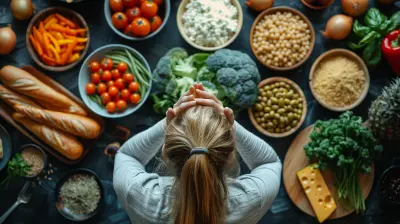
Clever Ways to Add More Vegetables to Your Smoothies
29 September 2026
Most people who start blending smoothies do it for the same reason: they want to eat better without rearranging their entire day. Fruit makes that easy. Vegetables make it complicated. A handful of spinach disappears into a berry smoothie without much fuss, but once you move past that one trick, the advice tends to run out. You are told to "just add greens" and left to figure out the rest on your own.
The problem is not willingness. It is mechanics. Vegetables bring bitterness, fiber, water, and sometimes a texture that fights the blender. Add them carelessly and you get a drink that tastes like a salad that lost its way. Add them well and you get something you actually look forward to. The difference between those two outcomes comes down to a handful of principles that rarely get explained together.
This article covers those principles. It is written for people who already know how to operate a blender and want to understand what is actually happening in the pitcher, so they can make deliberate choices instead of following recipes blindly.
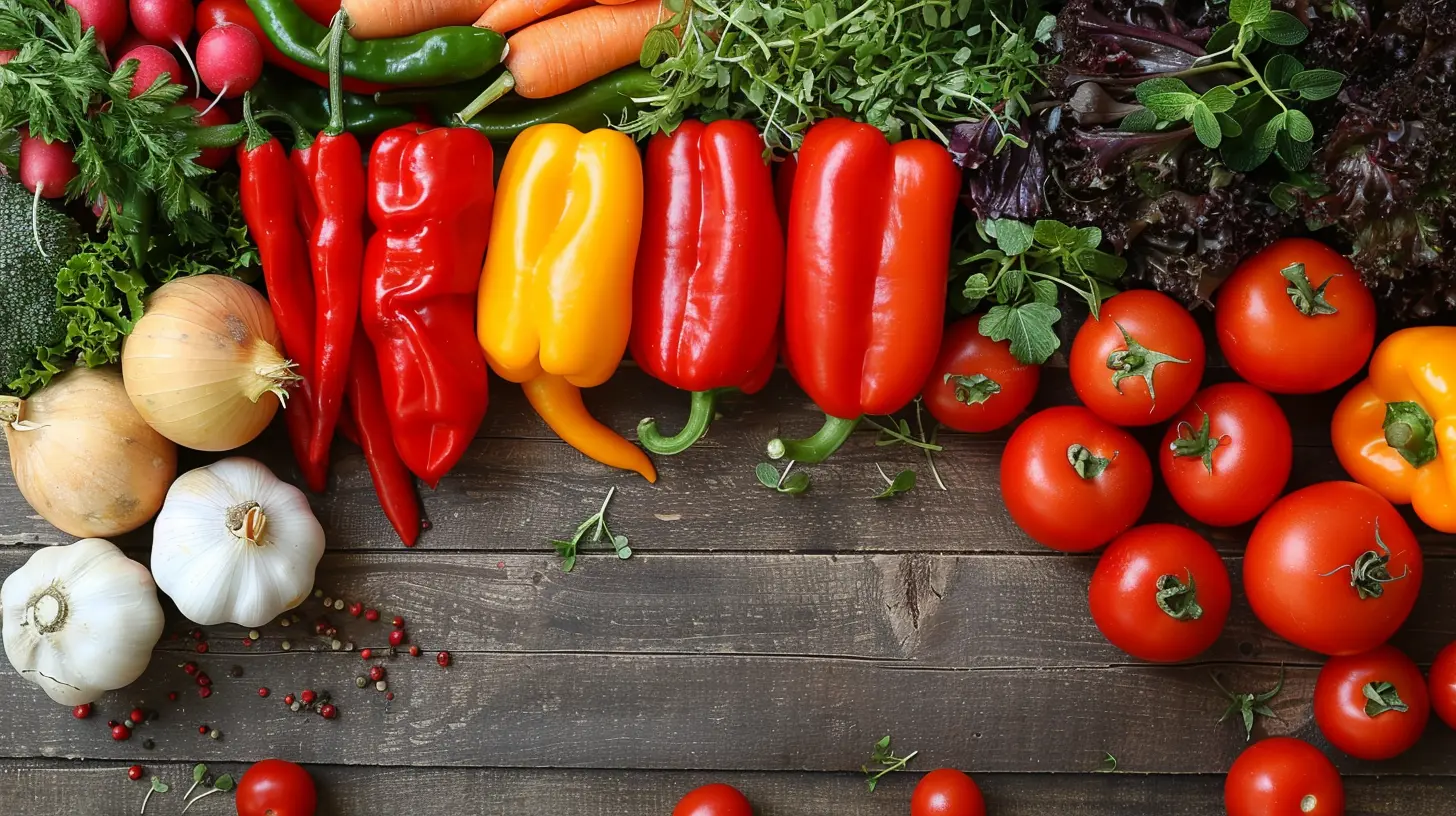
Why Vegetables Are Harder to Blend Than Fruit
Fruit is engineered by nature for consumption. Ripe fruit is soft, sweet, and high in water. Vegetables are engineered for structure. They are built from cellulose, the same material that gives tree trunks their rigidity, and cellulose does not break down in water. It only breaks down with mechanical force or heat.This matters because your blender is not a juicer. It does not separate fiber from liquid. It pulverizes everything into a suspension. If the cellulose particles stay large, you feel them. If they break down fully, you do not. That is why a raw kale stem can ruin an otherwise good smoothie while a handful of baby spinach vanishes completely.
There is also the flavor problem. Vegetables contain compounds that humans evolved to detect at very low concentrations, because many of them signaled toxicity. Glucosinolates in broccoli and cabbage, saponins in spinach, and various bitter alkaloids all register on the tongue as sharp or unpleasant. Fruit masks them with sugar and acid. Vegetables do not.
Understanding these two obstacles, texture and bitterness, is the foundation for everything that follows. Every technique in this article exists to solve one or both.
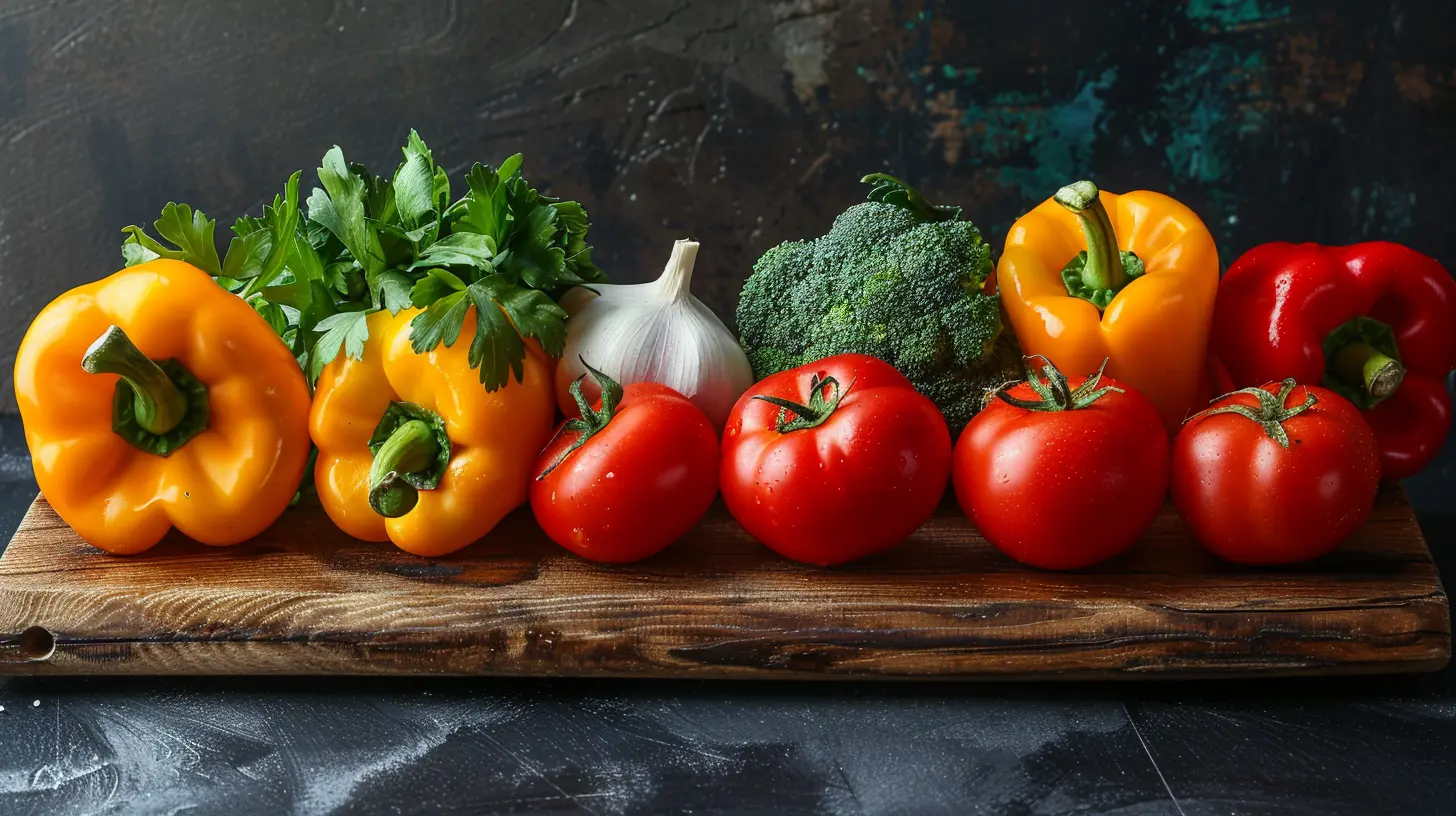
The Blending Hierarchy: Which Vegetables Actually Work
Not all vegetables behave the same way in a blender. It helps to sort them into tiers based on how much work they require.Tier One: Disappears on Its Own
These vegetables have soft tissue, mild flavor, and enough water content that they blend into a smooth texture with minimal effort:- Baby spinach
- Zucchini, especially with the skin on
- Cucumber
- Cooked or raw cauliflower rice
- Romaine and butter lettuce
- Frozen riced cauliflower
Zucchini deserves special attention. It has a very mild flavor and a high water content, and when blended it contributes creaminess rather than grit. A half cup of raw zucchini in a fruit smoothie is nearly undetectable. This is one of the most underused vegetables in home blending.
Tier Two: Needs Support
These vegetables blend acceptably but bring noticeable flavor or texture that requires balancing:- Kale, especially lacinato or dinosaur kale
- Swiss chard
- Cooked beets
- Carrots, ideally steamed first
- Pumpkin puree
- Cooked sweet potato
- Avocado, which is technically a fruit but functions like a vegetable here
Tier two vegetables are where most smoothie recipes live. They work, but they need a partner. Kale needs sweetness. Beets need acid. Carrots need fat to unlock their flavor and their fat-soluble nutrients.
Tier Three: Requires Intervention
These vegetables will not blend well raw in a standard blender and will taste aggressive if you try:- Raw broccoli and cauliflower florets
- Raw Brussels sprouts
- Raw cabbage
- Raw sweet potato
- Raw beet, unless your blender is genuinely high powered
- Celery in large amounts, due to its stringy structure
Tier three vegetables are not off limits. They just need cooking, steaming, or roasting first. Heat breaks down cell walls and converts harsh flavors into milder ones. A roasted beet blends into a smooth puree. A raw one fights back.
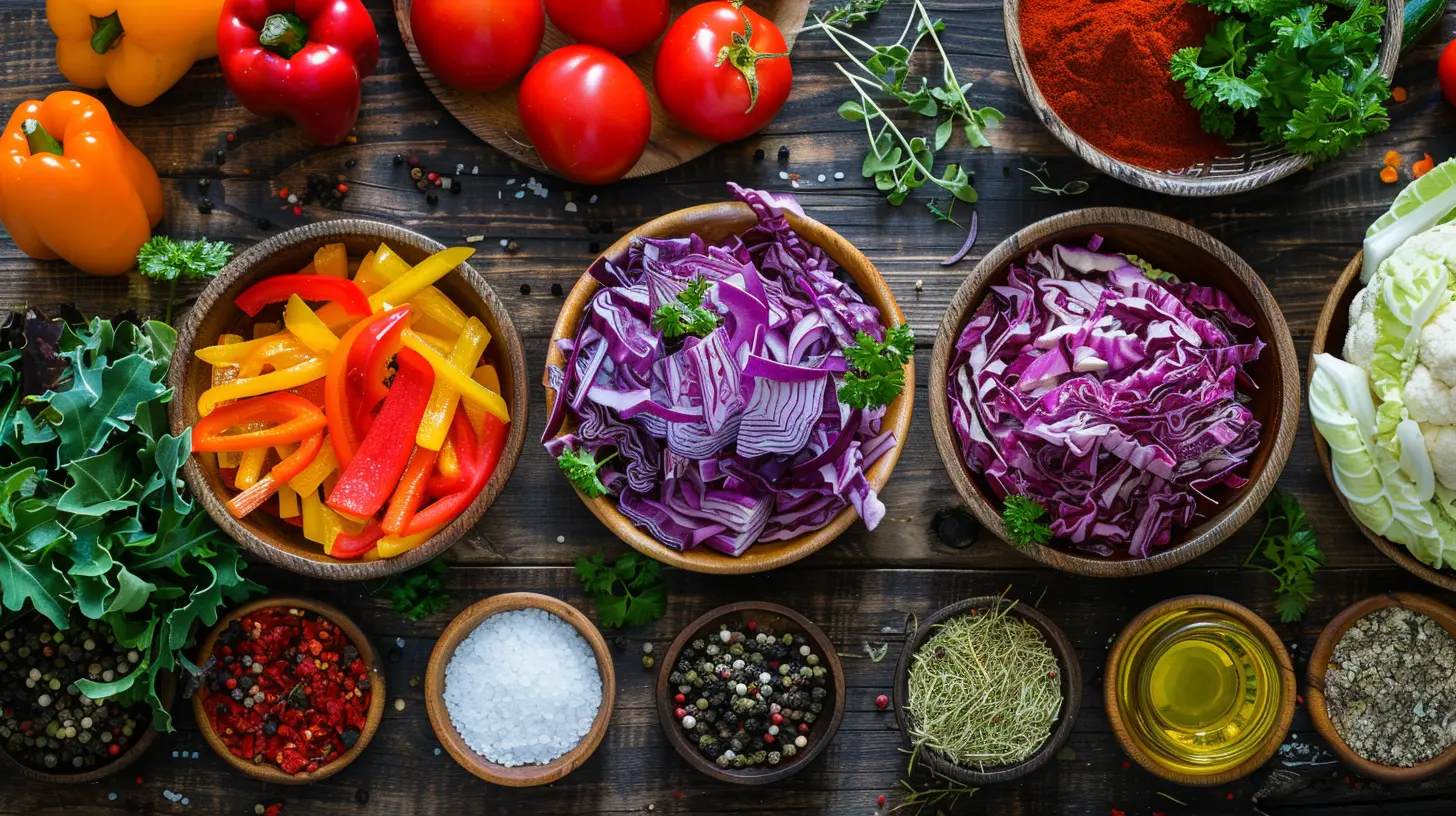
The Flavor Architecture of a Vegetable Smoothie
A smoothie that tastes good is not an accident. It is a balance of four elements: sweet, acid, fat, and salt. Most people only think about sweet.Sweet
Fruit is the obvious source, but not all fruit works equally. Banana and mango bring body along with sweetness. Dates and maple syrup bring pure sugar without much volume. Pineapple and ripe pear bring sweetness with acidity, which makes them more versatile.The mistake here is overcorrecting. If you add a whole banana every time you add a cup of spinach, you have made a dessert with a vegetable in it. That is fine occasionally, but it is not the goal.
Acid
Acid is the most neglected element in home smoothies. A squeeze of lemon or lime, a splash of orange juice, or a tablespoon of plain kefir can transform a flat, earthy blend into something bright. Acid also suppresses bitterness perception, which is why it works so well with leafy greens.If your green smoothie tastes muddy, add acid before you add more fruit.
Fat
Fat carries flavor and improves mouthfeel. It also helps your body absorb fat-soluble vitamins, including vitamins A, D, E, and K. Since leafy greens and orange vegetables are rich in vitamin A and K, adding fat is not just a taste decision. It is a nutritional one.Good sources include avocado, nut butter, tahini, full fat yogurt, coconut milk, chia seeds, and flax seeds. A tablespoon of tahini in a kale smoothie does more for the flavor than an extra half cup of fruit would.
Salt
A small pinch of salt, literally a few grains, makes sweet and savory flavors register more clearly. It is the same principle that makes salt essential in baking. You will not taste salt in the final product. You will just notice that everything else tastes more like itself.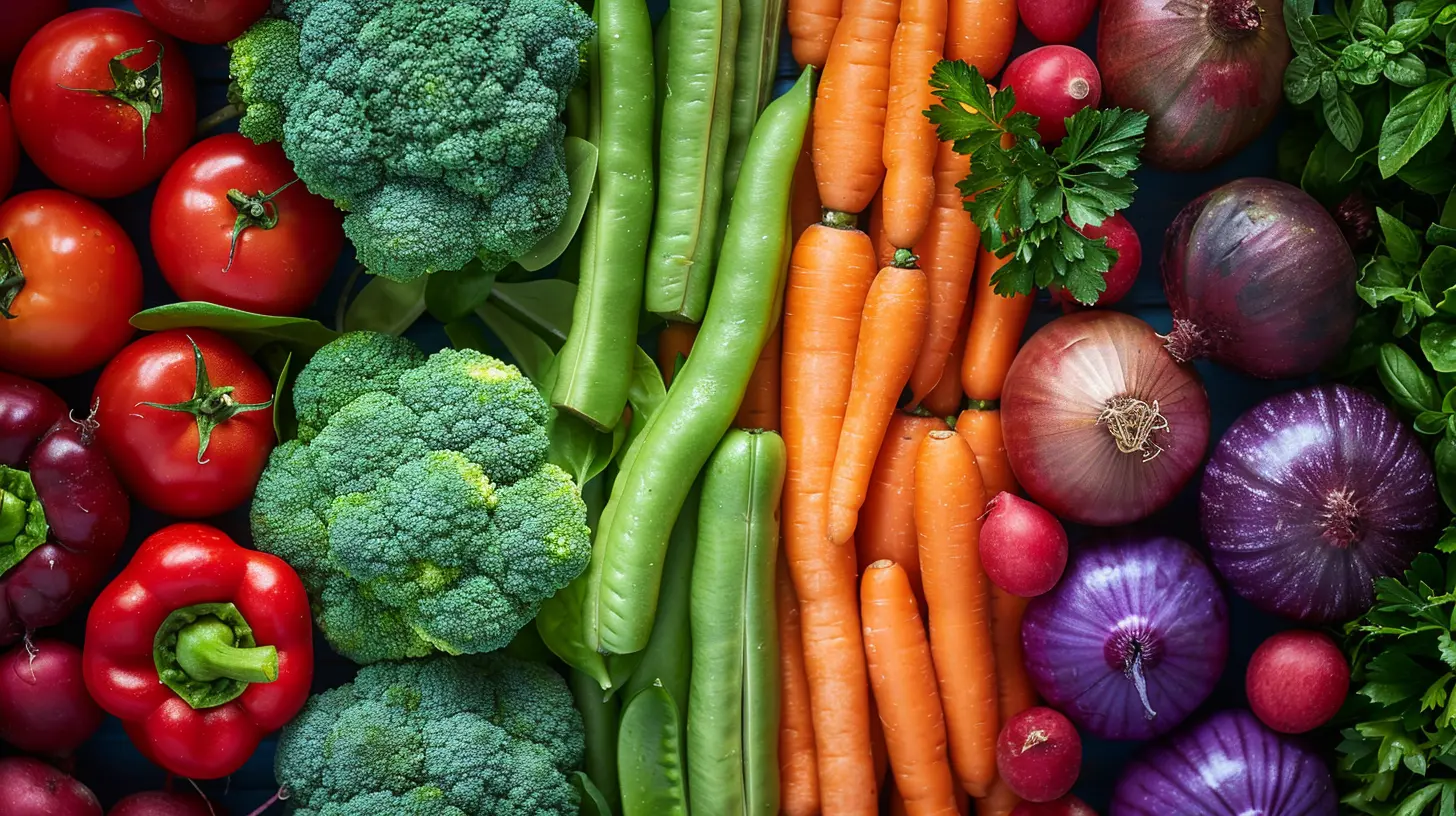
Techniques That Actually Change the Outcome
Beyond ingredient selection, how you prepare and combine vegetables matters enormously.Freeze Your Vegetables
Freezing changes the cellular structure of vegetables. Ice crystals form and rupture cell walls, which means the vegetable breaks down more easily in the blender. Frozen spinach, frozen riced cauliflower, and frozen zucchini chunks all blend smoother than their fresh counterparts.This is why frozen cauliflower rice is one of the best smoothie additions available. It is already broken down into small pieces, it is frozen, and it has almost no flavor. A half cup adds creaminess and body without any detectable vegetable taste.
Steam Before You Blend
Steaming accomplishes two things. It softens fiber, and it leaches out bitter compounds. Steamed carrots, steamed beets, and steamed broccoli all blend far better than raw versions and taste milder.The trade-off is nutrient loss. Water-soluble vitamins, particularly vitamin C and some B vitamins, leach into the steaming water. If you steam vegetables for smoothies, steam them briefly and use minimal water. You can also save the steaming water and use it as the liquid base for the smoothie, which recovers some of what was lost.
Blend in Stages
If you are using a standard blender rather than a high powered one, order matters. Put liquid in first, then soft ingredients, then leafy greens, then hard vegetables and ice on top. This prevents the blades from getting stuck and produces a more uniform result.For tough greens like kale, blend the greens with the liquid alone for thirty seconds before adding anything else. This breaks down the fibrous structure before the fruit and other ingredients dilute the mixture.
Use the Right Liquid
Water is neutral but boring. Milk adds creaminess and protein. Coconut water adds electrolytes and a subtle sweetness. Unsweetened tea, especially green tea or hibiscus, adds flavor complexity without sugar. Coffee works well with cacao and spinach.Avoid sweetened juices as a base. They add sugar without fiber and overwhelm the vegetables you are trying to include.
Common Mistakes and How to Avoid Them
Adding Too Much at Once
The most common error is scale. People read that spinach is healthy, so they add three cups. The result tastes like a lawn and they conclude that vegetable smoothies are not for them.Start with a half cup of any new vegetable. Increase gradually over several days. Your palate adapts to bitterness faster than you might expect, but it needs repetition.
Ignoring Texture
A smoothie that tastes good but feels gritty is still a failure. If your blend has visible flecks of vegetable, strain it or blend longer. If your blender cannot get it smooth after sixty seconds, the vegetable is too fibrous for your equipment. Cook it first or choose a different vegetable.Using the Wrong Sweetener
Honey and agave are fine, but they are essentially sugar. If you are making a smoothie for sustained energy, rely on whole fruit instead. The fiber in fruit slows absorption and prevents the crash that comes with liquid sugar.Forgetting About Temperature
Warm vegetables and frozen fruit do not mix well. If you are using cooked beets or steamed carrots, chill them first. A lukewarm smoothie is unpleasant regardless of how good the ingredients are.Assuming Green Means Healthy
A smoothie can be green and still be mostly sugar. If your recipe is one cup of spinach and two cups of mango, you have made a fruit drink with a garnish. That is not a criticism, but it is worth being honest about what you are actually consuming.
Practical Combinations That Work
Here are combinations that balance flavor and nutrition, with notes on why they work.Spinach, frozen mango, avocado, lime, coconut water. The mango provides sweetness, the avocado provides fat and creaminess, and the lime cuts through the earthiness of the spinach. This is a beginner friendly blend that tastes like a tropical drink.
Kale, frozen pineapple, ginger, tahini, almond milk. Pineapple is acidic and sweet enough to handle kale. Ginger adds heat that masks bitterness. Tahini adds fat and a subtle nuttiness.
Beet, frozen cherry, cocoa powder, Greek yogurt, water. Beets and chocolate share earthy notes, so they pair naturally. The yogurt adds protein and tang. This one is dark purple and tastes like a dessert.
Zucchini, frozen banana, peanut butter, cinnamon, oat milk. Zucchini contributes creaminess without flavor. This is essentially a milkshake with a vegetable hiding inside.
Cauliflower rice, frozen blueberry, vanilla protein powder, almond butter, water. The cauliflower adds body and thickness without taste. Blueberries dominate the flavor profile.
Carrot, frozen mango, turmeric, coconut milk, orange juice. Steamed carrots blend smoothly and pair well with mango. Turmeric adds color and a mild earthy note that the orange juice balances.
Nutritional Considerations Worth Knowing
Adding vegetables to smoothies is generally beneficial, but a few points deserve attention.Oxalates are naturally occurring compounds in spinach, beet greens, and chard. They can bind to calcium and contribute to kidney stone formation in susceptible people. If you have a history of kidney stones, rotating your greens and choosing lower oxalate options like kale or romaine is a reasonable precaution. This is not a reason to avoid greens entirely for most people, but it is worth knowing.
Goitrogens are compounds in raw cruciferous vegetables like broccoli, cabbage, and kale that can interfere with thyroid function when consumed in very large amounts. Cooking deactivates them. For most people eating normal amounts, this is not a concern. For people with thyroid conditions, lightly steaming cruciferous vegetables before blending is a sensible habit.
Fiber content increases when you add vegetables, which is generally good. But if you are not used to high fiber intake, a sudden jump can cause bloating and discomfort. Increase gradually.
Sugar content matters too. A smoothie with four servings of fruit and one serving of vegetables is still a high sugar drink. If blood sugar regulation is a concern, lean toward lower sugar fruits like berries and emphasize vegetables and fat and protein sources.
Equipment Realities
A high powered blender changes what is possible. It can break down raw kale, raw beets, and fibrous vegetables into a genuinely smooth texture. A standard blender cannot, and pretending otherwise leads to frustration.If you have a standard blender, focus on tier one vegetables, use frozen and pre-cut ingredients, blend in stages, and strain if needed. You can still make excellent vegetable smoothies. You just have to work within the machine's limits.
A food processor is not a substitute. It will chop, not puree, and the result will be chunky.
Making It a Habit
The people who successfully add vegetables to their smoothies long term are not the ones with the best recipes. They are the ones who reduce friction. They keep frozen vegetables on hand. They prep and freeze portions. They have two or three combinations they like and rotate them.Novelty is overrated in daily nutrition. Consistency matters more. Find two or three blends you genuinely enjoy, make them regularly, and adjust as your palate adapts. The goal is not to maximize the amount of vegetables you can hide. It is to build a drink you actually want to make tomorrow.
A Final Word on Expectations
Vegetable smoothies are not a cure or a shortcut. They are a delivery method. They make it easier to eat vegetables you might otherwise skip, and they fit into a busy morning when cooking does not. That is a real benefit, but it is a modest one.The best approach is to treat smoothies as one tool among several. Use them to add variety, to use up produce, and to make breakfast easier. Do not expect them to compensate for an otherwise poor diet, and do not force yourself to drink something you dislike in the name of health. There are too many good combinations available for that.
Start simple. Adjust as you go. Pay attention to what your body and your palate tell you. That is the whole method.
all images in this post were generated using AI tools
Category:
Healthy SmoothiesAuthor:

Madeline Howard