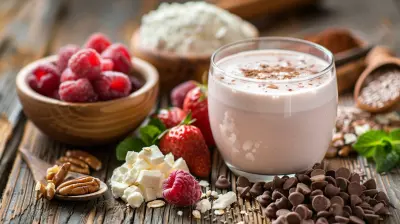
Best Nutrition Hacks for Early Morning Workouts
19 July 2026
Waking up at the crack of dawn to squeeze in a workout? First off—high five! That’s some serious dedication. But let’s be real: when your alarm goes off before the sun even peeks over the horizon, the last thing you probably want to think about is food. You’re running on fumes and willpower, lacing up your sneakers with one eye still half-closed.
Here’s the deal though—what you eat (or don’t eat) before your early morning grind can either turbocharge your workout or leave you dragging like a cart with square wheels. And if you’re regularly getting your sweat on before sunrise, consistently fueling your body the right way can make a big difference in your energy levels, performance, and recovery.
So let’s get into it. These are the best nutrition hacks for early morning workouts that will help you crush your fitness goals without completely messing up your morning flow.
Why Early Morning Nutrition Matters
Okay, before we dive into the hacks, let’s talk about why pre-workout nutrition is even important—especially in the morning.Overnight, your body kind of goes into fasting mode. You're not eating for 6 to 10 hours (depending on how long you sleep), which means your blood sugar is low, glycogen stores have been slightly depleted, and your body is basically tapping you on the shoulder saying, “Hey buddy, fuel me!”
Now, that doesn’t mean you need to scarf down a full breakfast buffet before you move a muscle. But giving your body a little something to work with can help:
- Boost energy levels so you don’t fizzle out mid-burpee.
- Improve mental focus (which, let’s be honest, is usually MIA before 7 a.m.)
- Support better performance during the workout.
- Kickstart recovery by preventing muscle breakdown.
All good stuff, right? So how do we make this happen without over-complicating our already hectic mornings? Glad you asked.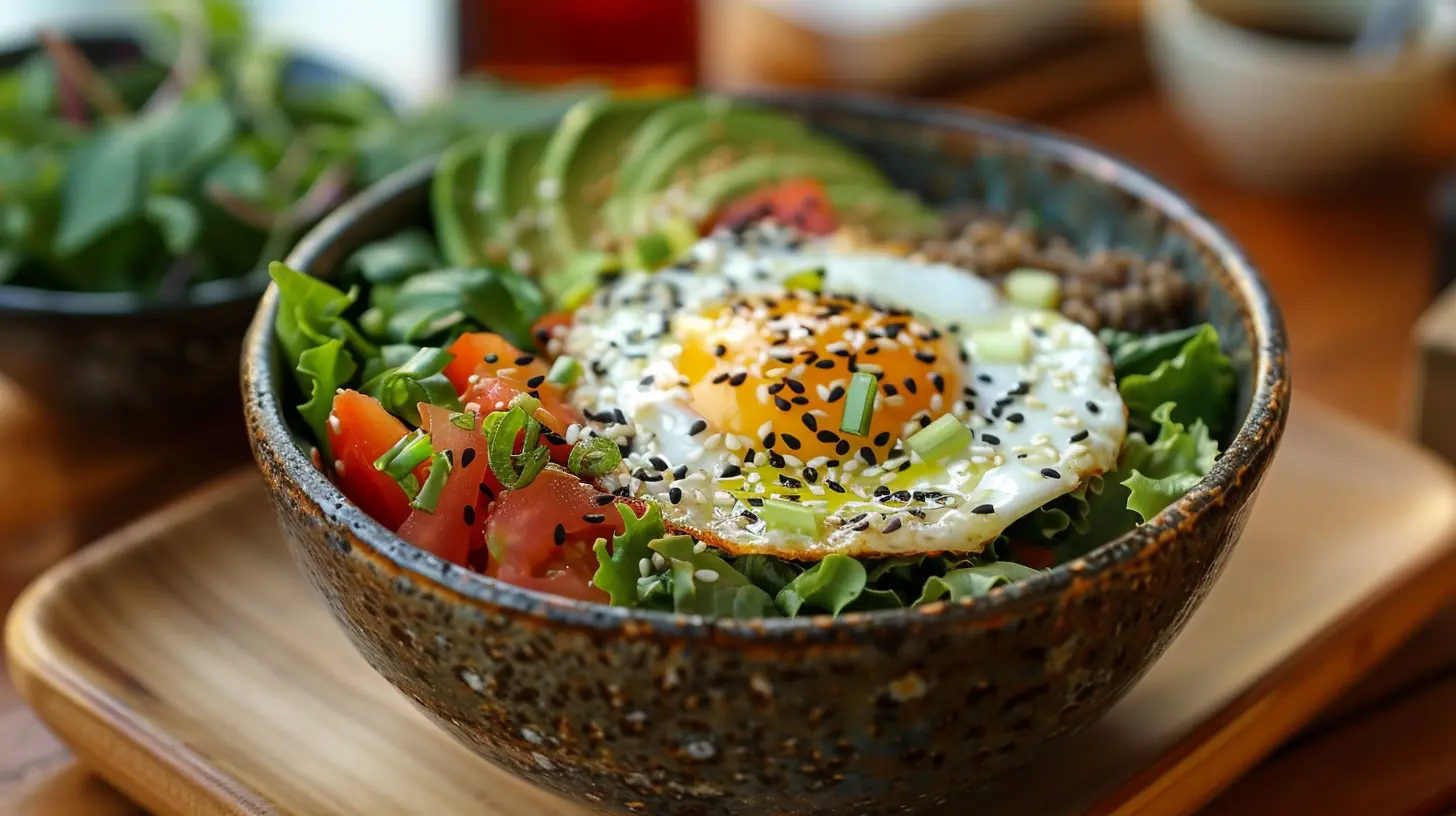
Hack #1: Keep It Light, But Carby
Here’s the golden rule for early morning eats: keep it light and easy to digest. We're talking about a small pre-workout snack—nothing fancy, just something to give your body some quick fuel.The star here? Carbohydrates. They’re your body’s go-to fuel source, especially when you're getting active.
Great Simple Pre-Workout Snack Combos:
- A banana and a spoonful of peanut butter- A slice of toast with honey
- A rice cake with almond butter
- Half a granola bar
- A small bowl of oatmeal with berries
Try to eat your snack about 30–45 minutes before your workout. That gives your body enough time to start digesting so you're not dealing with a surprise side stitch during jump squats.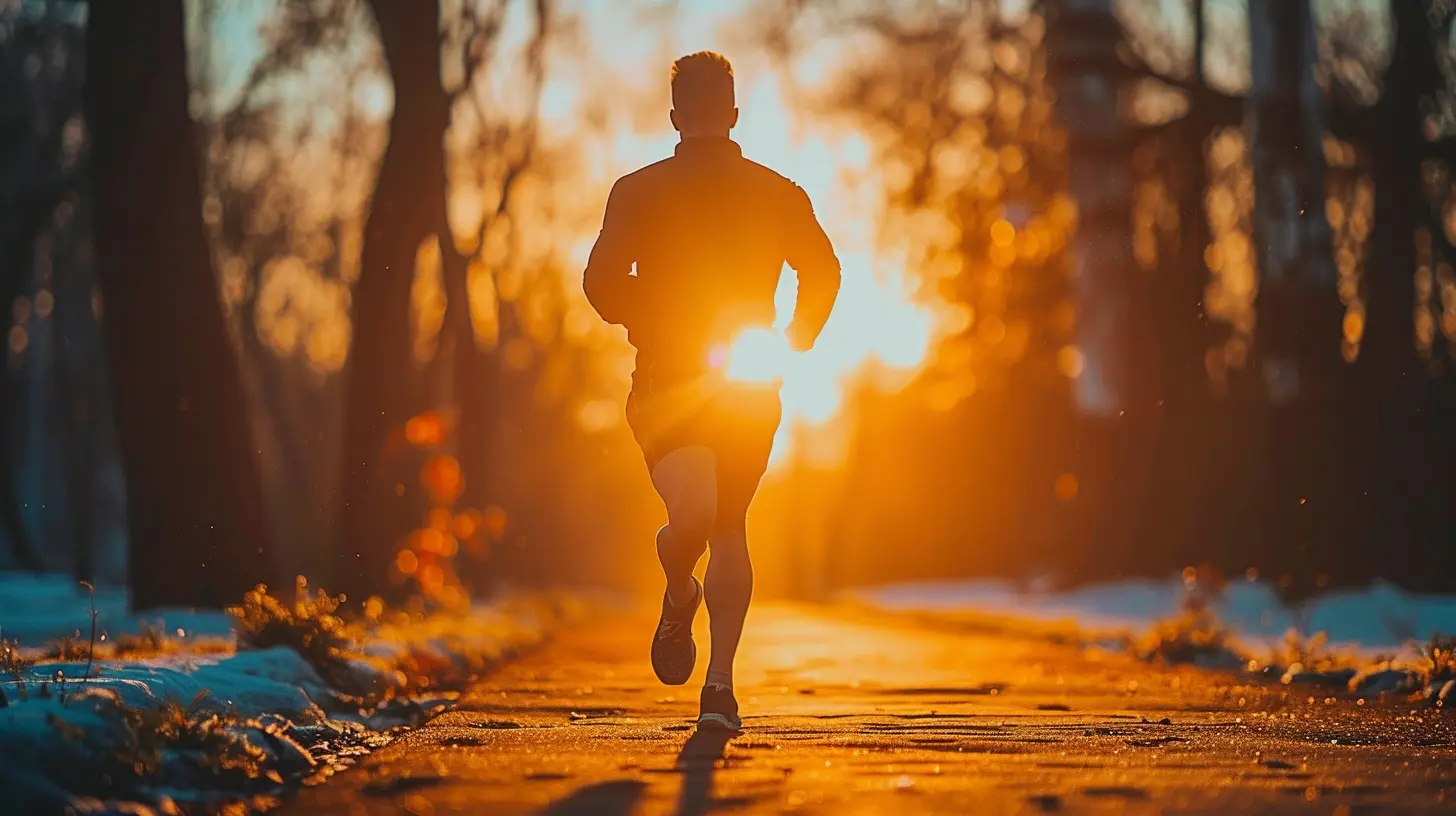
Hack #2: Hydrate Like a Boss
If you roll out of bed, throw on your gym clothes, and head out the door with nothing but last night’s drool still on your cheek, you’re definitely skipping a major player: water.Your body loses fluids while you sleep (breathing, sweating, even your skin!), and that mild overnight dehydration can tank your energy levels big time.
Quick Hydration Tips:
- Down a glass of water (about 8–16 oz) right after waking up.- Add a pinch of sea salt or a splash of lemon for natural electrolytes.
- If you’re into it, try coconut water or a homemade electrolyte drink.
Feeling extra fancy? Mix in a little BCAA (branched chain amino acids) powder for added hydration and muscle support.
Hack #3: Try the “Mini-Meal” Method
Not a fan of eating before a workout? You’re not alone. Some people just can’t stomach food first thing in the morning—and that’s okay.Instead of forcing down a full snack, go for what I call a "mini-meal." It should be small, functional, and quick to prep. Think of it as a teaser to breakfast.
Mini-Meal Ideas:
- Half a protein smoothie (save the rest for post-workout)- Greek yogurt with a sprinkle of granola
- A boiled egg and a few apple slices
- A date or two with almond butter
This helps you sneak in some protein, carbs, and a bit of fat without feeling overly full or sluggish.
Hack #4: Plan Your Food Like You Plan Your Workout
You schedule your gym sesh, right? So why not schedule your fuel, too?Prepping your food the night before is a total game-changer. It saves time, cuts down decision fatigue (hello, we see you 6 a.m. brain fog), and makes it way more likely you’ll actually do it.
Easy Prep Night Ideas:
- Pre-blend your smoothie and store it in the fridge.- Lay out your banana and nut butter like a pro.
- Pre-portion your snack into grab-and-go containers.
Treat your morning food like part of your workout gear—just another tool to help you perform your best.
Hack #5: Don’t Skip Protein Post-Workout
If you’re not eating a full breakfast before your workout (and most of us aren’t), then your post-workout meal becomes even more important.This is your body’s golden window for recovery, and protein is its MVP. Aim to eat something with a solid dose of protein (15–30 grams) within 30–60 minutes after your session.
Quick Post-Workout Options:
- A protein shake with fruit and almond milk- Scrambled eggs and whole grain toast
- Overnight oats with protein powder mixed in
- Cottage cheese with berries and chia seeds
- A turkey and avocado wrap
Pair that protein with some carbs to replenish glycogen stores, and you're golden.
Hack #6: Don’t Force It (Fasted Workouts Can Work, Too)
Here’s the thing—everyone’s body is different. Some people thrive on a small snack, others prefer to train fasted. And science says both can work.If you feel great working out on an empty stomach and your performance is on point, more power to you. But just make sure you’re paying attention to how you feel during and after the workout:
- Are you dragging halfway through?
- Feeling lightheaded or dizzy?
- Ripping through your energy stores too early?
If so, you might benefit from adding in just a small bite or sip of a pre-workout drink.
Fasted workouts are fine if your energy holds up, but don’t ignore your body’s SOS signals.
Hack #7: Caffeine Is Your Friend (But Use It Wisely)
Let’s not pretend you weren’t already thinking about coffee, right? Caffeine is kind of magical. It boosts alertness, fires up your metabolism, and gives you a solid energy jolt.But here's the catch—chugging a massive latte on an empty stomach can sometimes backfire. Cue the nausea, jitters, or mid-workout bathroom run (yeah, not fun).
Best Way to Use Caffeine in the A.M.:
- Sip a small black coffee or green tea 15–30 minutes before your workout.- Try half-caf if you’re sensitive to caffeine.
- Add a splash of almond milk or a small snack to ease the acidity.
- Or go for a natural pre-workout with green tea extract.
Caffeine’s like jet fuel, just know how to steer the plane.
Hack #8: Know Your Workout Type
The kind of morning workout you’re doing should influence how you eat.? Strength Training or HIIT? Your body will need more carbs and protein. A banana with peanut butter, or oats with a scoop of protein is a great start.
? Yoga or Light Cardio? A small, carb-based snack or even staying fasted may be fine here.
? Endurance-Based? If your workout’s running over 60 minutes, a more substantial pre-workout snack (or even a small meal) will serve you well.
There’s no one-size-fits-all here—just listen to your body and adjust based on what you’re doing.
Hack #9: Don’t Overthink It
Here’s your permission slip to keep it simple.If you’re stressing over macros, meal timing, or whether a date is better than an oat bar, you’re doing too much. The goal is to fuel yourself enough to feel good and power through—not to become a walking nutrition calculator at 6 a.m.
Start small. Test different snacks. Notice how your body reacts. And find your early morning groove. That’s the real hack.
Final Thoughts
Early morning workouts can feel like climbing Mount Everest before coffee. But with the right fueling strategy, they become game-changing building blocks of your fitness routine.You don’t need a full breakfast or a three-course meal—just a little smart, intentional fuel can go a long way. Whether you’re team banana, team coffee, or team fasted, the key is finding what works best for your body and your goals.
Because let’s be real—making it to the gym while the world is still sleeping already makes you a rockstar. Now go fuel up like one.
all images in this post were generated using AI tools
Category:
Sports NutritionAuthor:

Madeline Howard
Discussion
rate this article
1 comments
Nellie McNeil
Great article! These nutrition hacks are perfect for fueling early morning workouts. I love the focus on quick and easy options that fit into a busy schedule. With the right snacks, mornings can be more energized and productive. Keep up the fantastic work sharing helpful tips!
July 20, 2026 at 2:51 AM
Madeline Howard
Thank you! I'm glad you found the tips useful. Fueling up right can really make a difference in those early workouts. Happy training!