Balancing Protein, Carbs, and Fats in Everyday Cooking
17 June 2026
Eating healthy isn’t about skipping meals or avoiding delicious foods—it’s about balance. And when it comes to nutrition, that balance revolves around three essential macronutrients: protein, carbohydrates, and fats. If you’ve ever struggled to figure out how to get the right mix of these in your meals, you’re not alone. Let’s break it down in a way that makes sense and is easy to apply in everyday cooking. 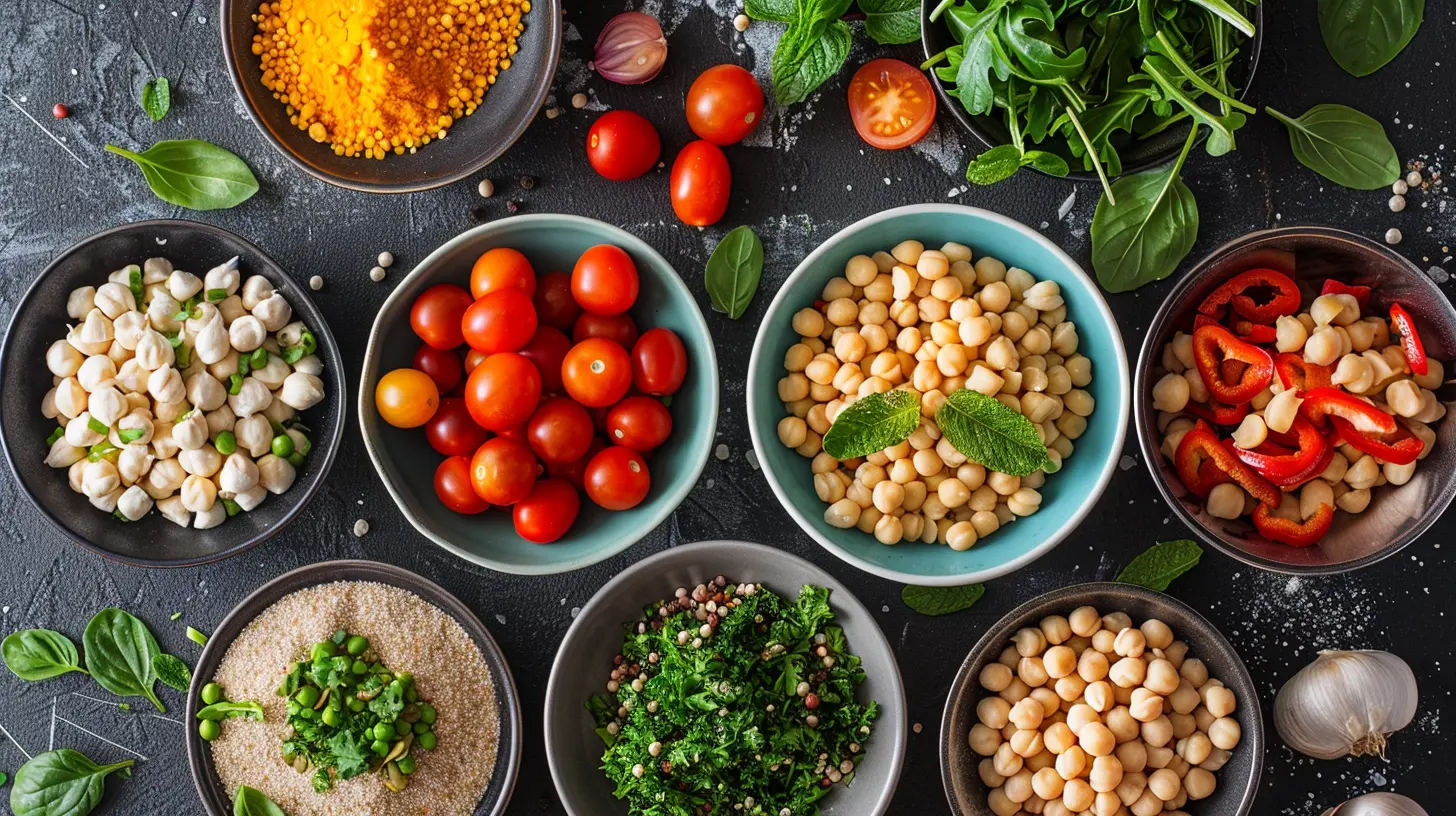
Why Macronutrient Balance Matters
Before we dive into the details, think of macronutrients like the three legs of a tripod—each one plays a vital role in keeping your body stable and functioning properly.- Protein is the building block of your muscles, tissues, and enzymes.
- Carbohydrates are your body’s primary energy source.
- Fats support cell function, hormone production, and long-term energy storage.
A meal without one of these macronutrients is like a three-legged stool missing a leg—it just won’t hold up. 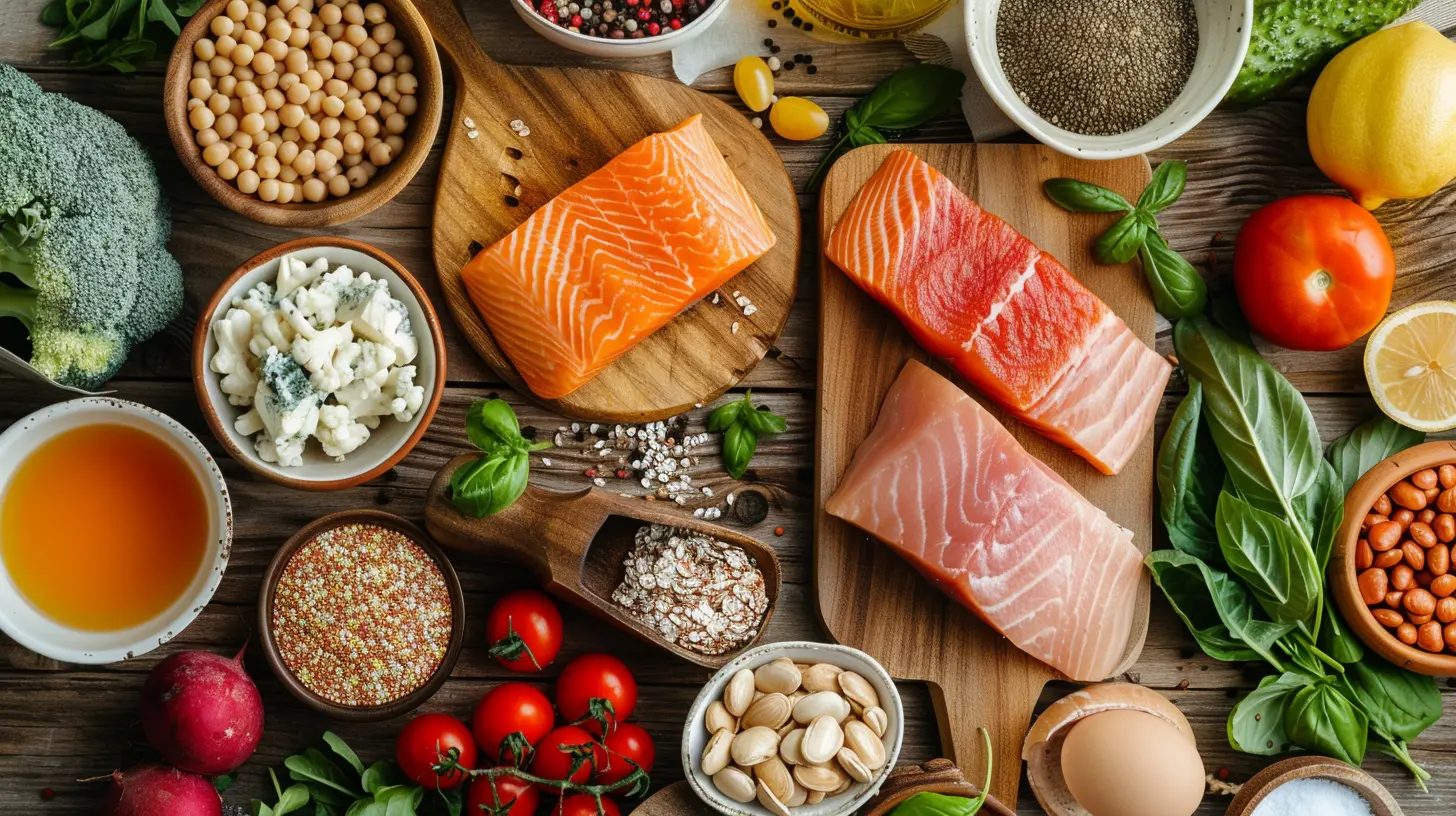
Understanding the Role of Each Macronutrient
Protein: The Foundation of Strength
Protein is essential for repairing and building tissues, making enzymes, and supporting a strong immune system. It also helps keep you full, so you’re less likely to raid the snack cabinet in the middle of the night.Good Sources of Protein
- Animal-Based: Chicken, beef, fish, eggs, dairy- Plant-Based: Lentils, chickpeas, quinoa, tofu, nuts, seeds
A common mistake? Thinking you need to load up on protein shakes and supplements. Unless you're a bodybuilder or an athlete with high requirements, real food sources usually provide enough.
? Tip: Aim for 15-30 grams of protein per meal to keep your body functioning at its best.
Carbohydrates: Your Body’s Fuel Tank
Carbs often get a bad rap, but they’re not the enemy—they’re your body’s preferred energy source. The key is choosing quality carbs that provide sustained energy rather than quick spikes and crashes.Best Sources of Carbohydrates
- Whole Grains: Brown rice, quinoa, oats, whole wheat bread- Fruits & Vegetables: Berries, apples, sweet potatoes, spinach
- Legumes & Beans: Black beans, lentils, chickpeas
? Tip: Prioritize complex carbs over refined ones to avoid energy crashes and keep blood sugar levels stable.
Fats: The Underrated Powerhouse
For decades, we were told fat was the villain. But in reality, healthy fats are essential for brain function, hormone production, and absorbing fat-soluble vitamins (A, D, E, and K). The key is choosing the right fats.Healthy Fat Sources
- Monounsaturated & Polyunsaturated Fats: Avocados, olives, nuts, seeds- Omega-3 Fatty Acids: Salmon, flaxseeds, walnuts
- Healthy Cooking Oils: Olive oil, avocado oil, coconut oil (in moderation)
? Tip: Keep healthy fats in your diet while avoiding trans fats found in processed snacks and fried foods. 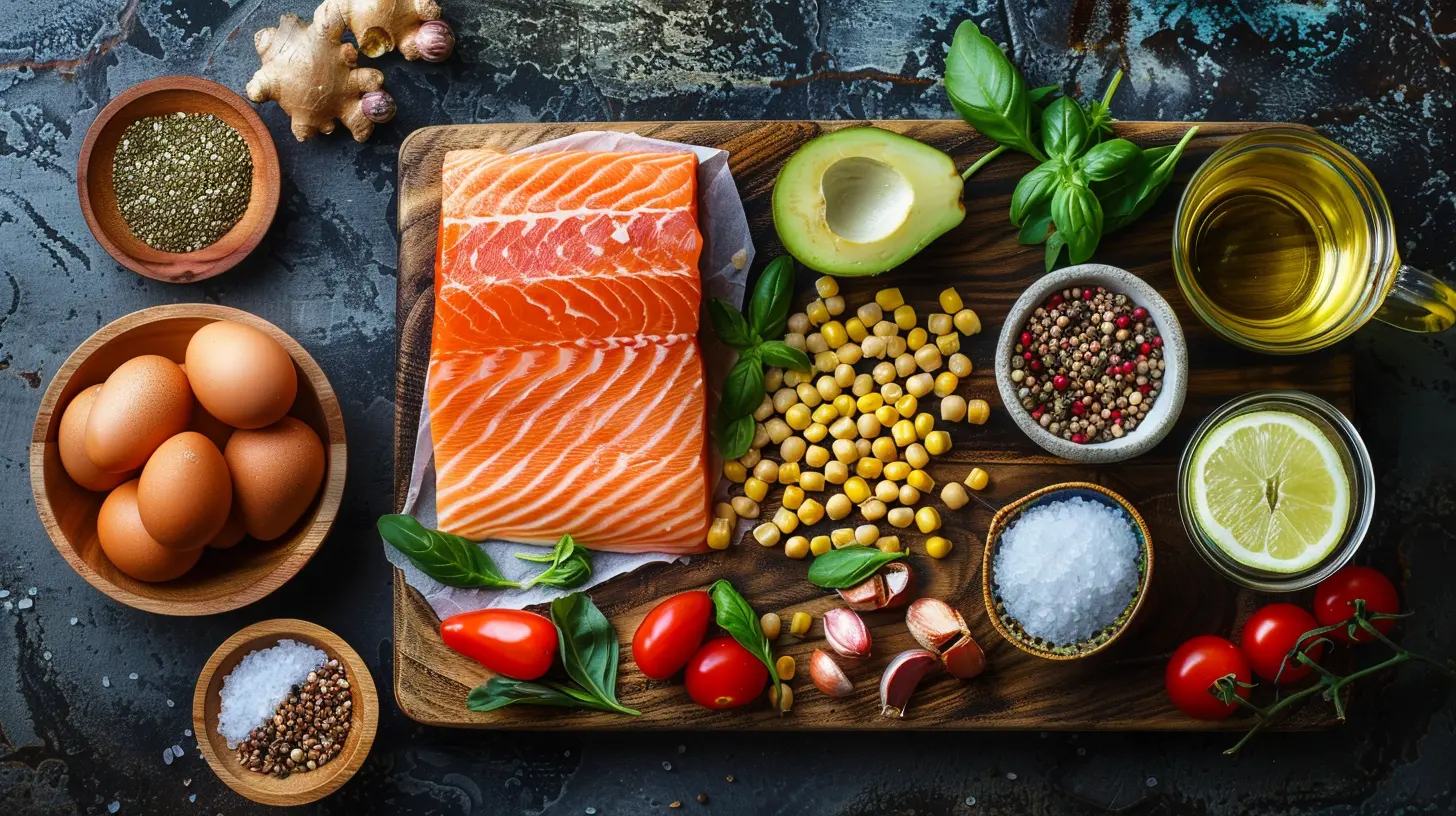
The Ideal Macronutrient Ratio
So, how do you balance these three macronutrients in everyday cooking? While the “perfect” ratio varies by individual needs, a general guideline is:- 40-50% Carbohydrates (mostly complex and fiber-rich)
- 20-30% Protein (lean and diverse sources)
- 20-30% Healthy Fats
This breakdown provides steady energy, muscle support, and nutrient absorption, making it ideal for most people. 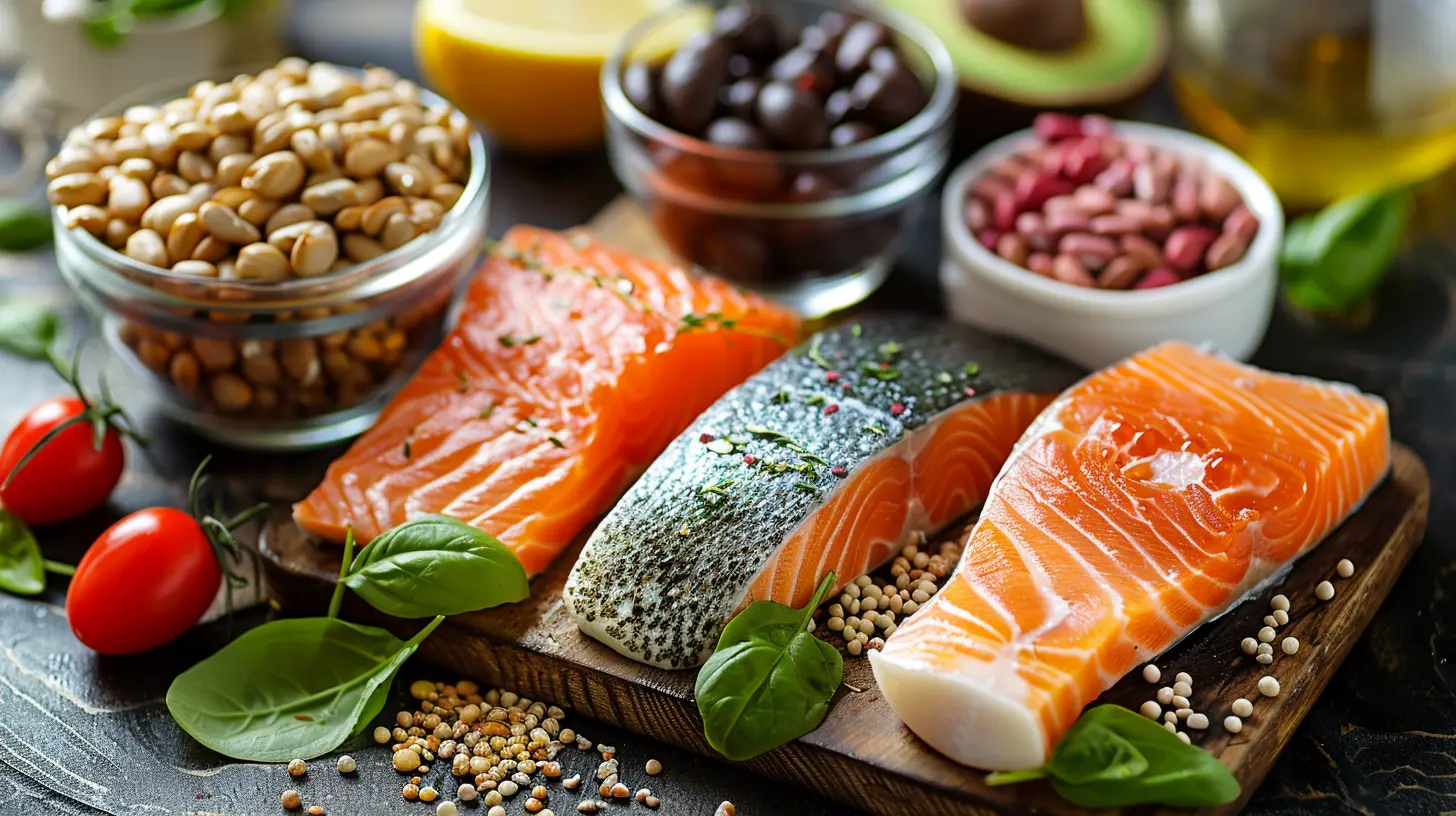
Simple Ways to Balance Macronutrients in Everyday Meals
1. Build Your Plate Using the "Hand Method"
- Protein: A portion the size of your palm- Carbs: A fist-sized serving
- Fats: About a thumb-sized amount
This method takes the guesswork out of meal prepping—no need for complicated calculations!
2. Mix and Match Ingredients for Balance
Breakfast Ideas
- Oatmeal with nuts & Greek yogurt → (Carbs + Fats + Protein)- Scrambled eggs with whole-grain toast & avocado → (Protein + Carbs + Fats)
Lunch & Dinner Combos
- Grilled chicken, quinoa, roasted veggies- Salmon with brown rice & sautéed spinach
- Lentil soup with whole-grain bread & olive oil drizzle
By structuring meals this way, you naturally balance your macros without overthinking.
3. Use Smart Cooking Techniques
The way you prepare food impacts both nutrition and taste. Try these:- Roast or sauté veggies with olive oil for added healthy fats.
- Pair protein with fiber-rich carbs to keep energy levels steady.
- Use healthy marinades (like lemon juice, herbs, and olive oil) instead of heavy sauces.
? Tip: Cooking at home gives you full control over your meals—so you know exactly what’s on your plate.
Common Mistakes and How to Fix Them
Even with the best intentions, it's easy to slip up. Here are some common pitfalls and quick fixes:Mistake #1: Too Much Protein, Not Enough Carbs
Many people focus heavily on protein but neglect healthy carbs.✔ Fix it: Add whole grains or fiber-rich vegetables to balance your meal.
Mistake #2: Fear of Fats
Still avoiding fats due to outdated diet myths?✔ Fix it: Incorporate avocados, olive oil, and nuts—they’re essential for overall health.
Mistake #3: Eating Too Many Processed Foods
Packaged foods often come loaded with unbalanced macronutrients (like too much sugar or unhealthy fats).✔ Fix it: Stick to whole, minimally processed foods.
Final Thoughts: Make Balance a Habit, Not a Hassle
Balancing protein, carbs, and fats doesn’t have to be complicated. By following simple guidelines, making smart food choices, and using practical cooking techniques, you’ll naturally create meals that fuel your body without stress or confusion.So, next time you’re in the kitchen, think of protein, carbs, and fats as a team—because when they work together, your body thrives.
What’s one small change you can make today to balance your meals better?
Let’s start making healthy eating a lifestyle—one delicious, balanced meal at a time.all images in this post were generated using AI tools
Category:
Healthy CookingAuthor:

Madeline Howard
Discussion
rate this article
2 comments
Zeno McGinnis
Great insights on meal planning! Striking a balance between protein, carbs, and fats can really enhance both health and flavor. Definitely looking forward to trying these tips in my cooking!
September 3, 2026 at 3:53 AM
Kayla Kelly
Finding the right balance of protein, carbs, and fats can transform your meals and overall health. Focus on whole foods and variety to nourish your body. Remember, moderation is key, and listening to your body's needs is the best guide on your culinary journey.
June 18, 2026 at 2:48 AM
Madeline Howard
Absolutely! Balance is essential, and focusing on whole foods really makes a difference. Variety keeps meals interesting and our bodies happy. Moderation and listening to ourselves are vital for a healthy journey.