Almond Milk vs. Oat Milk: Which is Best for Smoothies?
1 January 2026
There’s something magical about that first sip of a smoothie. Whether it’s a creamy morning wake-up or a post-workout pick-me-up, smoothies are more than just trendy health drinks—they're a lifestyle. But here’s the deal: the base you choose makes or breaks the whole blend. And when it comes to almond milk vs. oat milk in smoothies, the choice can feel like picking a favorite child.
So, how do you choose between the nutty whisper of almond milk and the velvety comfort of oat milk? Let’s stir it up and blend through the facts, shall we?
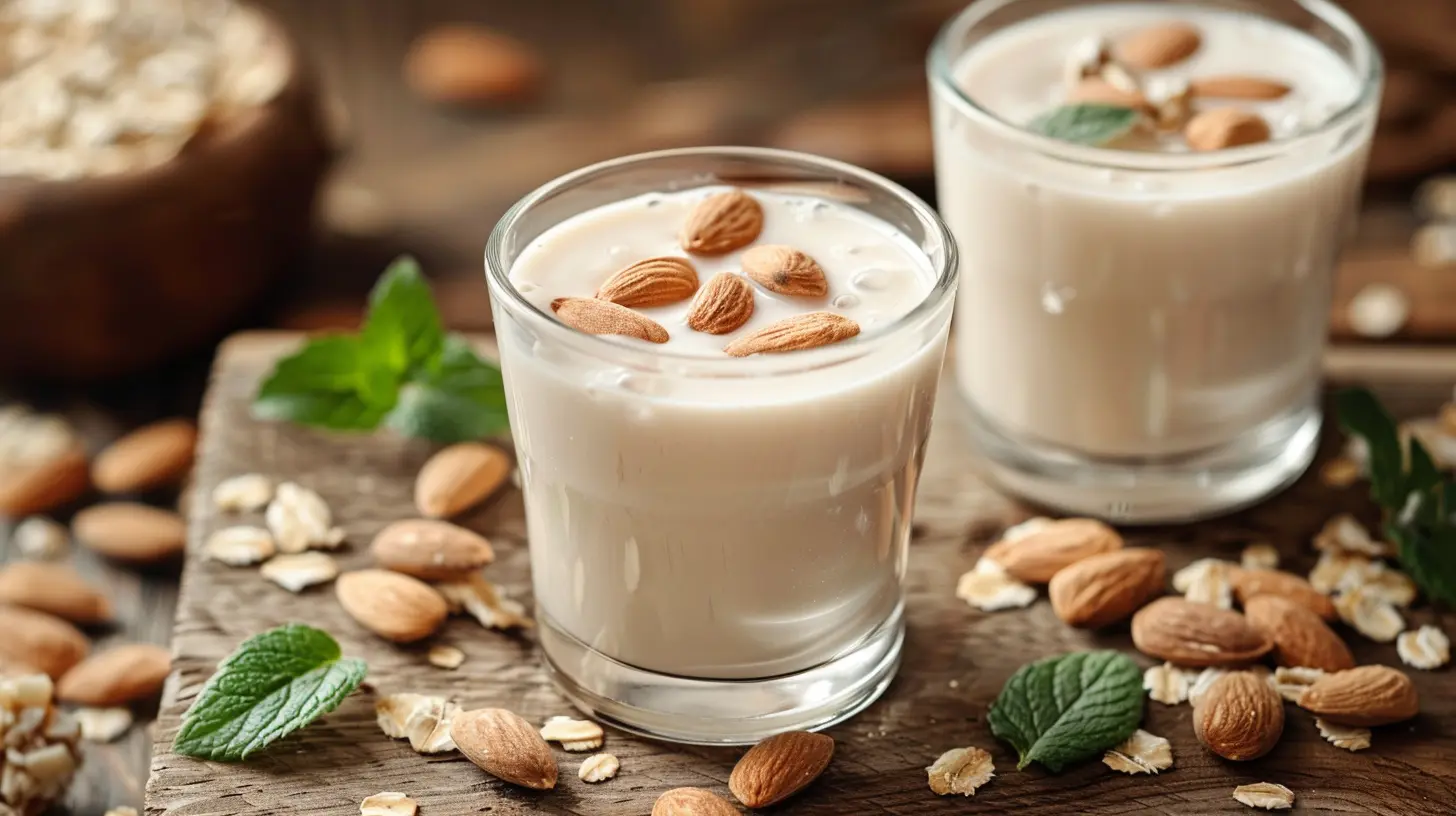
The Smoothie Showdown Begins
Before we get into the nitty-gritty, let’s set the stage. Smoothies need a liquid base that complements fruits, veggies, and whatever else you’re throwing in (yes, even that scoop of peanut butter or handful of kale).The two reigning champs in the plant-based milk world? Almond milk and oat milk. Both are dairy-free, vegan-friendly, and increasingly popular in kitchen pantries and cafes alike. But each brings its own texture, flavor, and nutrition profile to your glass.
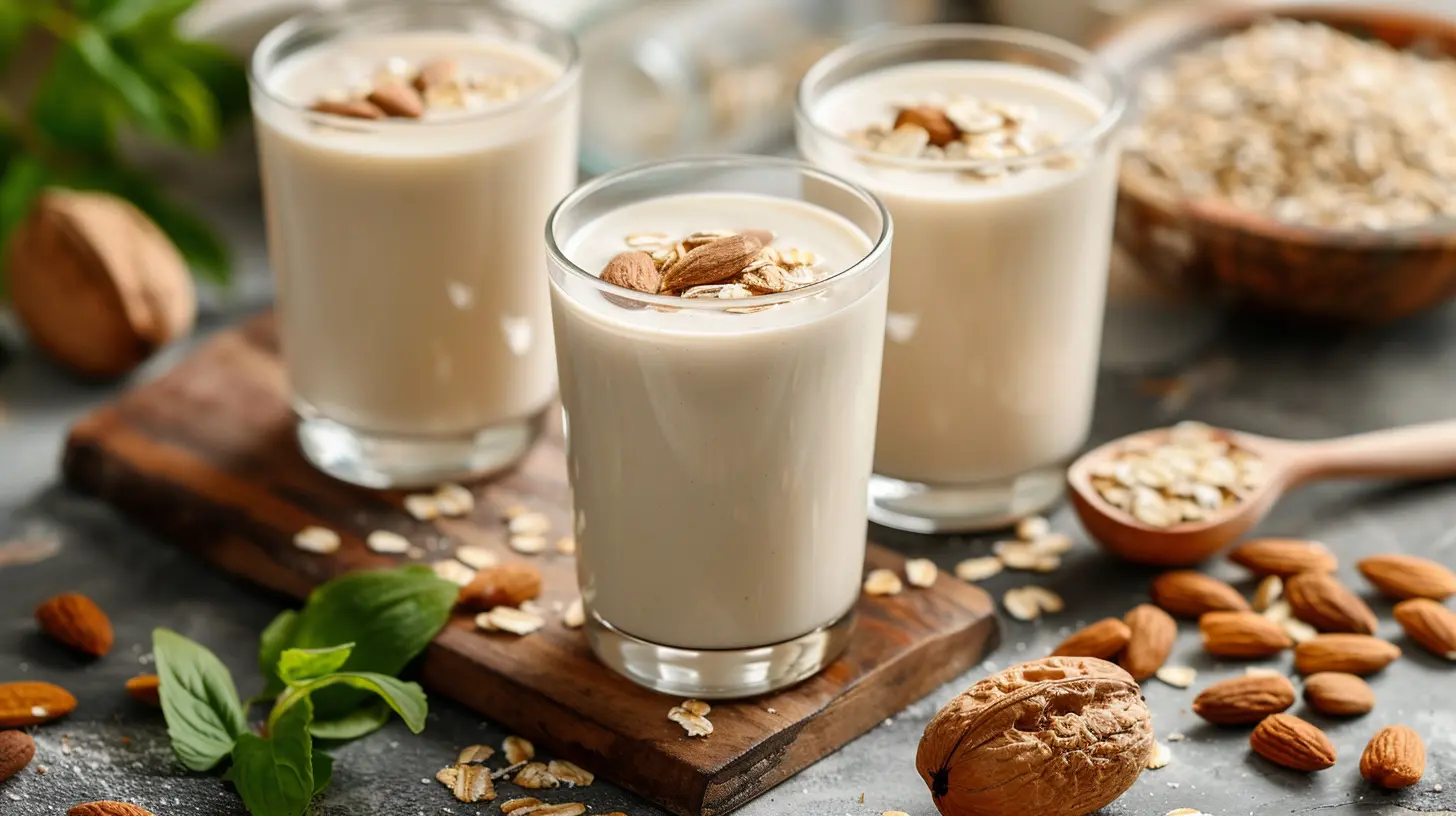
Round One: Taste & Texture
Let’s start with your taste buds, because let’s be honest—no one wants a smoothie that tastes like soggy cardboard.🥛 Almond Milk – Subtle and Slightly Nutty
Almond milk is the old soul of plant-based milks. It’s been around the block, and it’s popular for good reason. Taste-wise, almond milk is light and mildly nutty. Some might call it “watery,” but that’s not always a bad thing—especially if you’re blending up a smoothie with strong flavors like berries, cocoa, or coffee.Texture-wise? It’s thinner than oat milk, which means it won’t add much weight or creaminess. But if you want a light drink that won’t leave you feeling like you downed a milkshake, this could be your go-to.
🌾 Oat Milk – Creamy and Dreamy
Oat milk is like cuddling up in a sweater you didn’t know you needed. It’s naturally creamy, rich, and has a hint of sweetness—even the unsweetened kinds. That texture? Oh, it’s smooth—like velvet gliding down your throat.This makes oat milk perfect for smoothies that are meant to feel indulgent. Blending bananas, nut butter, or cocoa? Oat milk will elevate it to dessert-status without adding actual dessert.
👑 Winner of Taste & Texture: It’s a tie, folks. If you like light and refreshing, almond milk’s your star. If you’re into creamy indulgence, oat milk takes the crown.
Round Two: Nutrition Breakdown
Alright, flavor is great, but let’s talk health. After all, smoothies are supposed to be helping us glow up, right?Almond Milk: Low-Calorie + Vitamin E Powerhouse
Almond milk is often lower in calories than oat milk—especially if you’re using the unsweetened variety. One cup of unsweetened almond milk typically clocks in around 30-40 calories. That’s practically nothing! It’s also low in carbs and sugar, making it a favorite for keto and low-carb folks.Plus, almond milk is rich in vitamin E, a powerful antioxidant that helps protect your cells and supports skin health. That's right—glow from the inside out.
But, here’s the catch: almond milk is pretty low in protein and fiber. So, if you're relying on your smoothie to keep you full, you’ll want to throw in some extras—think Greek yogurt (non-dairy if needed), chia seeds, or protein powder.
Oat Milk: Fiber-Rich and Satiety Superstar
Oat milk usually has more calories and carbs—thanks to the oats, of course. A cup lands around 100-130 calories depending on the brand and type. But with those numbers, you also get beta-glucan, a kind of soluble fiber that helps reduce cholesterol and supports heart health.Fiber = fullness. So if your goal is satiety, oat milk might keep you satisfied longer. It also naturally has more carbs unless you’re specifically using a low-carb version, which could be a dealbreaker for some diets.
👑 Winner of Nutrition: It depends on your goals. Want low-cal and low-carb? Almond milk. Need fiber and fullness? Oat milk.
Round Three: Environmental Impact
We can’t ignore the planet. More people are choosing plant-based foods not only for personal health but for Earth’s health too.The Environmental Footprint
- Almond Milk: Requires a lot of water—especially because almonds thrive in California, where droughts are a real issue. Producing almond milk still uses less land and emits fewer greenhouse gases than cow’s milk, but water usage is a concern.- Oat Milk: Less water-intensive and generally considered more eco-friendly. Oats require fewer resources to grow, and they tend to be more sustainable overall.
👑 Winner of Sustainability: Oat milk takes the green trophy here.
Round Four: Blending Behavior
Now, this is where things get interesting. How does each milk behave in a blender?Almond Milk: Clean and Crisp
Almond milk blends well with fruits and ice, creating a light and refreshing smoothie. But because of its thinner texture, it can sometimes separate or feel “watery.” To avoid this, try thicker mix-ins like bananas, avocado, or frozen fruits.Oat Milk: Thick and Smooth
Thanks to its natural creamy texture, oat milk makes every blend smooth like silk. Even if your other ingredients are icy or chunky, oat milk pulls everything together into one dreamy drink. It also holds up well in hot or warm smoothies (hello, matcha latte smoothies!).👑 Winner of Blending Behavior: Oat milk for the win. It’s like the smoothie glue you didn’t know you needed.
Popular Smoothie Pairings
Let’s get creative. The best way to figure out which milk works for you is to try it out with different flavor combos.Best with Almond Milk
- Berry Blast Smoothies: Strawberries, blueberries, spinach, and a hint of vanilla.- Vanilla Coffee Smoothie: Cold brew, frozen banana, almond butter, and cacao nibs.
- Green Machine: Kale, pineapple, ginger, and lemon.
Almond milk works best when you want the other ingredients to shine.
Best with Oat Milk
- Peanut Butter Banana: Bananas, peanut butter, cinnamon, and a scoop of protein.- Chocolate Dream: Cocoa powder, dates, and frozen avocado for extra creaminess.
- Pumpkin Pie Smoothie: Canned pumpkin, pumpkin spice, banana, and a splash of maple syrup.
Oat milk is your creamy canvas for dessert-like or indulgent smoothies.
Allergies & Dietary Needs
Let’s not forget that everyone’s body is different.- Almond Milk: Not safe for those with nut allergies. Always double-check labels for added sugars or thickeners if you’re sensitive.
- Oat Milk: Suitable for most allergies, but if you're gluten-sensitive, make sure it’s certified gluten-free. Some brands sneak in extra sugars, so look for unsweetened if you're watching your intake.
👑 Winner for Allergies: Oat milk, unless you’re avoiding gluten.
Budget-Friendly Factor
Let’s talk dollars and cents.- Almond Milk: Widely available and often a bit cheaper than oat milk. Plus, you can easily make it at home with almonds and water (if you’ve got a little patience).
- Oat Milk: A little pricier, especially the trendy brands. But also super easy and cheap to make at home—just oats, water, and a blender. Bonus: homemade oat milk is generally faster to make than almond milk. No soaking overnight required.
👑 Winner of Budget Game: It’s a tie. Store-bought? Almond milk. DIY? Oat milk edges ahead.
The Final Blend: Which is Best for Smoothies?
And now, the million-dollar question. When it comes to smoothies, which one wins the title?🥁 Drumroll, please...
It’s a tie! (Sorry, no plot twist here.)
Here’s the truth: there’s no one-size-fits-all answer. It depends on what you’re looking for.
- Want something light and low-calorie? Almond milk’s your hero.
- Craving luscious, creamy textures? Go for oat milk.
- On a fiber mission or need to feel full longer? Oat milk has your back.
- Watching carbs or following a keto lifestyle? Almond is your best friend.
At the end of the day, both milks offer a healthy, delicious, dairy-free base that can turn your smoothie into a powerhouse of flavor and nutrition.
So, why not keep both in your fridge and let your cravings guide you?
Cheers to Smooth Mornings
Let’s raise a glass—or a blender bottle—to the beauty of plant-based milks. Whether you’re team almond, team oat, or somewhere in between, your smoothies are in good hands. Sip fearlessly, blend boldly, and enjoy the ride.Now go ahead—grab those fruits, your favorite milk, and blend up something beautiful.
all images in this post were generated using AI tools
Category:
SmoothiesAuthor:

Madeline Howard
Discussion
rate this article
2 comments
Freya Navarro
In the dance of creamy delight, Almond whispers light, oat sings bold. Both enrich our smoothies bright— Choose with heart, let flavors unfold.
February 5, 2026 at 4:00 PM
Madeline Howard
Thank you for your beautiful words! Both almond and oat milk indeed bring unique flavors and benefits to smoothies—it's all about personal preference!
Geneva Nelson
Uncover the surprising secrets behind these milks—one holds a hidden advantage for your smoothie game.
January 7, 2026 at 5:43 AM
Madeline Howard
Curious? Discover how almond milk's creaminess or oat milk's natural sweetness could elevate your smoothies!